
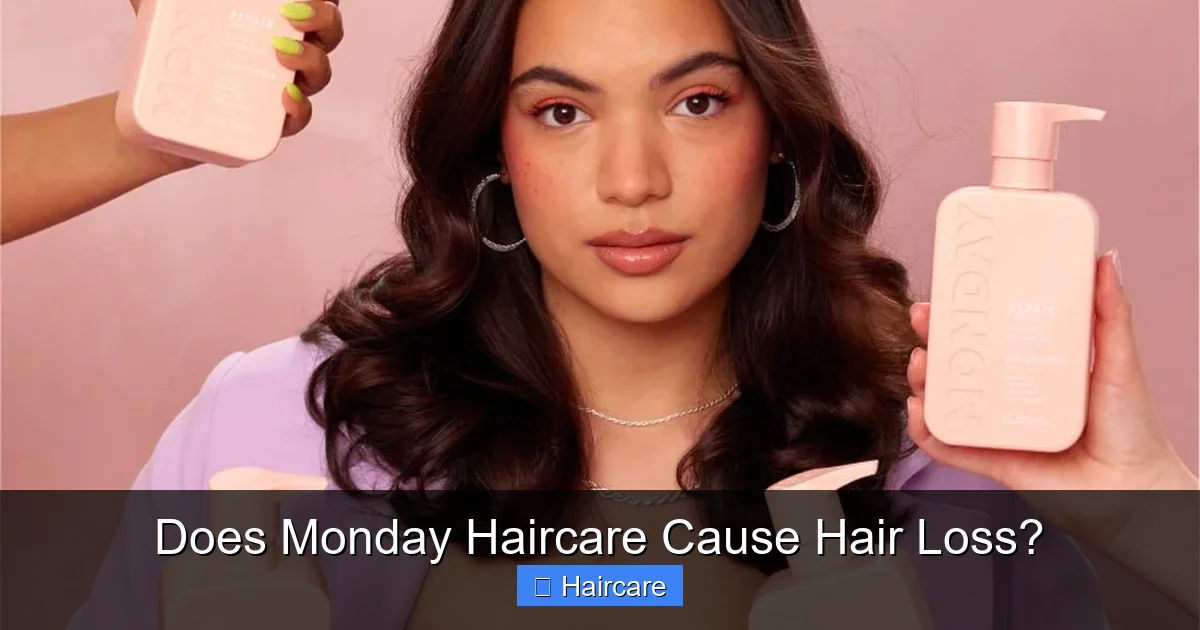
Featured image for this comprehensive guide about does monday haircare cause hair loss
Image source: mondayhaircare.com
In the vast and ever-evolving world of haircare, new brands emerge constantly, promising luscious locks and healthy scalps. One such brand that has taken the market by storm is Monday Haircare, known for its aesthetically pleasing pink packaging and affordable price point. However, alongside its popularity, a recurring question has surfaced across social media platforms and beauty forums: does Monday Haircare cause hair loss?
It’s a concern that sends shivers down anyone’s spine – the thought that a product designed to enhance your hair might actually be contributing to its demise. If you’ve been wondering if your beloved Monday shampoo or conditioner could be to blame for unexpected hair fall, you’re not alone. This comprehensive guide will delve into the allegations, examine common ingredients, consult expert opinions, and offer actionable advice to help you understand if there’s a real link between Monday Haircare and hair loss, and what steps you can take for a healthier hair journey.
📋 Table of Contents
The Rise of Monday Haircare: What’s the Hype?
Monday Haircare burst onto the scene with a clear mission: to make luxury haircare accessible to everyone. Its minimalist, millennial-pink bottles quickly became an Instagram sensation, gracing bathroom shelves and TikTok feeds worldwide. Positioned as an affordable, cruelty-free, and vegan brand, it promised salon-quality results without the premium price tag. The brand quickly gained a loyal following, lauded for its pleasant scents and formulations that included ingredients like shea butter, coconut oil, and vitamin E, catering to various hair types with specific lines like Smooth, Repair, Volume, and Gentle. This accessibility and effective marketing strategy quickly propelled Monday Haircare to mainstream success, but with widespread adoption often comes increased scrutiny.
| Hair Concern/Factor | Monday Haircare Product Aspects | General Haircare & Dermatological View | Relevance to Hair Loss (Clinical vs. Anecdotal) |
|---|---|---|---|
| Specific Cleansing Agents / Irritants | Contains surfactants like Cocamidopropyl Betaine, Laureth-4. Uses preservatives like Phenoxyethanol. Marketed as sulfate, paraben, phthalate, silicone-free. | These are common ingredients in many shampoos. Cocamidopropyl Betaine can be an allergen for sensitive individuals, causing contact dermatitis. | Allergic reactions or severe scalp irritation can lead to temporary increased shedding (telogen effluvium), but rarely permanent hair loss. |
| User-Reported Increased Shedding | Numerous anecdotal reports online (social media, product review sites) from a subset of users claiming increased hair fall after using Monday Haircare products. | User experiences vary widely with any cosmetic product. Hair shedding is complex and influenced by stress, diet, hormones, genetics, and medical conditions. | Predominantly anecdotal evidence. If product-induced, it’s typically temporary shedding (telogen effluvium) due to irritation or sensitivity, not clinical hair loss. |
| Scalp Irritation / Product Build-up | Some users report residue, greasiness, or an itchy scalp, potentially due to specific conditioning agents or individual hair type reactions to the formulations. | Product build-up can clog follicles, potentially leading to mild inflammation or discomfort. Proper rinsing and occasional clarifying are generally recommended. | Chronic, severe inflammation from build-up *could* theoretically weaken follicles, but severe hair loss solely from mild build-up is uncommon. More often discomfort. |
| Sulfate-Free Formulation | Monday Haircare products are marketed as sulfate-free, aiming for gentler cleansing compared to traditional sulfate-based shampoos. | Sulfates (e.g., SLS, SLES) can be stripping for some hair types, leading to dryness or frizz, but do not directly cause hair loss in healthy individuals. | Monday’s sulfate-free nature is generally considered a *beneficial* aspect for hair health, reducing the likelihood of dryness or irritation that could indirectly impact hair strength. |
| Lack of Definitive Clinical Evidence | No peer-reviewed scientific studies specifically link Monday Haircare products to permanent hair loss across a broad, diverse population. | Dermatologists emphasize the multi-factorial nature of hair loss. Clinical studies are required to establish causation between a specific product and significant hair loss. | Most cases of product-related “hair loss” are temporary shedding. True clinical hair loss conditions (e.g., androgenetic alopecia, alopecia areata) have deeper biological causes. |
Unpacking the Allegations: Why the Concern About Hair Loss?
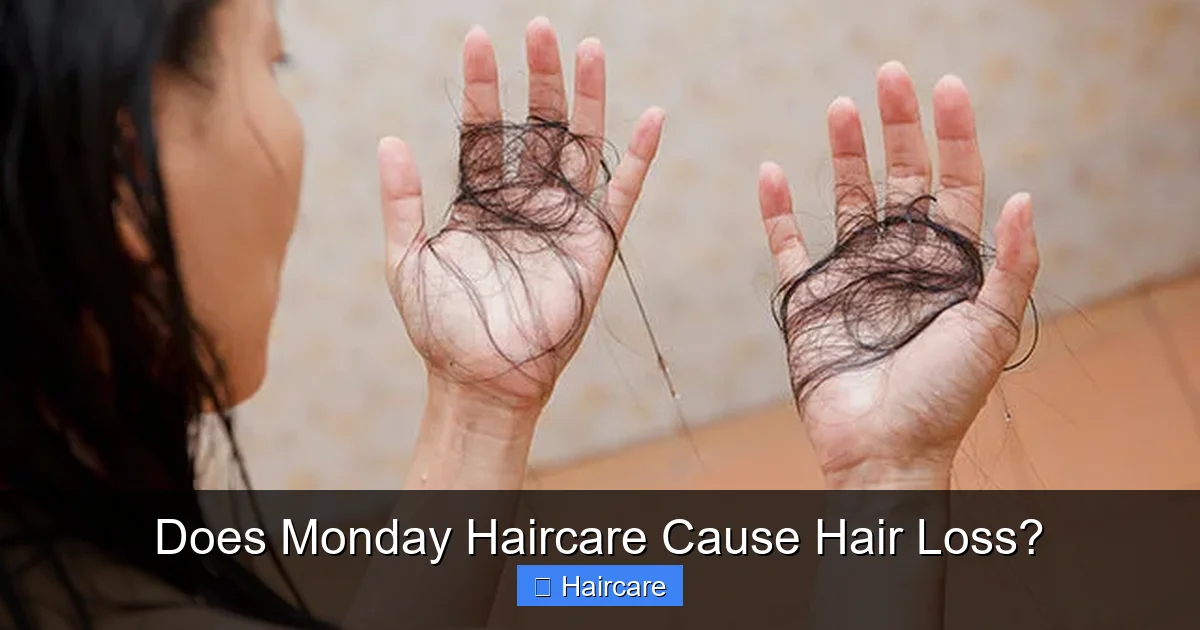
The murmurs began, gradually growing into a chorus of complaints shared online. Users reported experiencing increased hair shedding, thinning, breakage, and even scalp irritation after incorporating Monday Haircare products into their routine. These anecdotal accounts often describe finding more hair in the shower drain, on brushes, or a general feeling of less density over time. The question of whether Monday shampoo causes hair loss or if Monday conditioner causes hair loss became a hot topic, prompting many to re-evaluate their product choices.
Learn more about does monday haircare cause hair loss – Does Monday Haircare Cause Hair Loss?
Image source: mondayhaircare.com
It’s crucial to distinguish between normal hair shedding and true hair loss. The average person can shed 50-100 hairs per day as part of the natural hair growth cycle. However, when shedding significantly increases, or hair feels weaker and breaks more easily, it’s understandable to look for potential culprits, including new haircare products.
A Closer Look at Ingredients: Are There Culprits?
When concerns like Monday Haircare hair loss arise, the first place experts often look is the ingredient list. Monday Haircare proudly states its formulas are free from SLS (Sodium Lauryl Sulfate) and parabens, which are common irritants for some. However, “sulfate-free” doesn’t mean “irritant-free.”
Learn more about does monday haircare cause hair loss – Does Monday Haircare Cause Hair Loss?
Image source: cdn.shopify.com
Common Ingredients in Monday Haircare Products
Monday Haircare products typically contain a blend of cleansing agents, conditioning agents, and often fragrances. For example, some common ingredients across their ranges include:
- Cocamidopropyl Betaine: A gentle surfactant derived from coconut oil, often used as a co-surfactant to boost foam and mildness.
- Sodium Cocoyl Isethionate: Another mild, sulfate-free surfactant.
- Glycerin: A humectant that attracts moisture to the hair.
- Shea Butter & Coconut Oil: Emollients known for their moisturizing properties.
- Fragrance (Parfum): A blend of chemicals used to create scent.
Ingredients Potentially Linked to Hair or Scalp Issues
While Monday Haircare avoids some known harsh ingredients, others can still be problematic for sensitive individuals:
- Stronger Surfactants (if present in high concentrations): Even “gentler” surfactants can, in high concentrations, strip natural oils from the scalp and hair, leading to dryness, irritation, and potentially breakage. While Monday markets itself as gentle, individual reactions vary.
- Fragrances (Parfum): Fragrances are a common cause of allergic reactions and scalp irritation, manifesting as itching, redness, or even folliculitis (inflammation of hair follicles). An irritated scalp environment can disrupt the hair growth cycle and contribute to hair fall.
- Preservatives: Ingredients like Phenoxyethanol or Methylchloroisothiazolinone/Methylisothiazolinone (though the latter is less common in modern formulations due to sensitization concerns) can be irritants for some.
- Silicones: While not directly causing hair loss, certain silicones can build up on the hair shaft, weighing it down and making it appear dull or lifeless. In some cases, heavy build-up could contribute to breakage.
It’s important to note that an ingredient’s presence doesn’t automatically mean it’s harmful. The concentration and an individual’s unique sensitivities play a crucial role.
Separating Fact from Anecdote: What Do Experts Say?
The crucial distinction between anecdotal reports and scientific evidence is paramount when discussing claims like Monday Haircare causes hair loss. As of now, there is no definitive scientific study or clinical trial that specifically links Monday Haircare products to causing hair loss. Hair loss is a complex issue with numerous potential causes, including:
- Genetics: Androgenetic alopecia (pattern baldness) is the most common cause.
- Hormonal Changes: Pregnancy, childbirth, menopause, thyroid issues.
- Stress: Telogen effluvium, a temporary hair loss often triggered by significant physical or emotional stress.
- Nutritional Deficiencies: Lack of iron, protein, zinc, or certain vitamins.
- Medical Conditions: Autoimmune diseases, scalp infections.
- Medications: Side effects of certain drugs.
- Hairstyling Practices: Tight hairstyles, excessive heat, harsh chemical treatments leading to breakage or traction alopecia.
Dermatologists and trichologists emphasize that while a haircare product *can* contribute to scalp irritation or hair breakage, it’s less common for it to be the sole cause of significant, true hair loss unless there’s a severe allergic reaction or corrosive ingredient involved. Most reactions are due to individual sensitivities to specific ingredients, not necessarily a flaw in the product for the general population. If you notice increased shedding, it might be a coincidence coinciding with other underlying factors in your life rather than a direct result of your shampoo.
What to Do If You Suspect Monday Haircare is Causing Hair Loss
If you’re experiencing unusual hair shedding or scalp issues and suspect your Monday Haircare products, here’s an actionable approach:
Assess Your Symptoms
- Track hair fall: Is it significantly more than your usual shedding? Keep a hair diary if needed.
- Examine your scalp: Look for redness, itching, flaking, tenderness, or bumps. These are signs of irritation.
- Check hair strength: Is your hair breaking off easily, or is it falling from the root? Breakage often points to product issues or styling damage, while root fall can indicate true hair loss.
Actionable Steps to Take
- Discontinue Use: The simplest first step is to stop using Monday Haircare products (shampoo, conditioner, treatments) for at least 2-4 weeks. Switch to a very gentle, hypoallergenic, fragrance-free alternative during this period.
- Observe: Monitor if your hair shedding or scalp irritation improves after discontinuing the product. If symptoms subside, it strongly suggests a link.
- Patch Test: Before reintroducing any new product, or if you want to confirm sensitivity, perform a patch test. Apply a small amount of the product to a discreet area of your skin (e.g., behind the ear or inner forearm) and wait 24-48 hours for any reaction.
- Review Your Entire Routine: Consider all products you use (styling products, dry shampoo) and any recent changes to your diet, stress levels, medications, or health.
- Consult a Professional: If hair loss persists or is severe, or if you have significant scalp irritation, consult a dermatologist or trichologist. They can diagnose the underlying cause of your hair loss and recommend appropriate treatments.
Choosing Gentle Haircare Products
If you’ve identified sensitivity, opting for gentler products can make a significant difference in your scalp health and minimize hair fall. Look for:
- “Dermatologist Tested” or “Hypoallergenic” labels: While not a guarantee, these products are generally formulated with fewer common irritants.
- Fragrance-Free: Often listed as “unscented” or explicitly stating “fragrance-free.”
- Mild Surfactants: Look for ingredients like Decyl Glucoside, Coco Glucoside, or Sodium Methyl Cocoyl Taurate.
- Nourishing Ingredients: Ceramides, hyaluronic acid, aloe vera, and panthenol can help support scalp health and hair strength.
Conclusion
The question, “Does Monday Haircare cause hair loss?” does not have a simple yes or no answer. While there’s a notable volume of consumer reports expressing concerns about increased hair fall and scalp irritation, there is no scientific evidence to definitively prove that Monday Haircare products directly cause hair loss in the general population. Hair loss is a complex issue with a multitude of contributing factors, and individual sensitivity to specific ingredients, particularly fragrances, is often at play.
If you’ve experienced hair loss or scalp issues after using Monday Haircare, your concerns are valid, and it’s essential to listen to your body. The most responsible approach is to discontinue use, monitor your symptoms, and consult a healthcare professional, such as a dermatologist or trichologist, for a proper diagnosis. Ultimately, choosing haircare products that align with your individual hair and scalp needs, and being aware of potential irritants, is key to maintaining a healthy and vibrant mane. Your hair health is a journey, and understanding its unique language is the first step towards finding the right products for you.
Frequently Asked Questions
Does Monday Haircare cause hair loss?
While some users have reported experiencing hair loss or scalp irritation after using Monday Haircare products, it’s important to note that individual reactions to any product can vary significantly. Currently, there is no universal scientific consensus definitively linking the brand’s entire product line to hair loss for all users.
What ingredients in Monday Haircare are sometimes blamed for hair loss or irritation?
Some specific ingredients, such as Cocamidopropyl Betaine (CAB), found in certain Monday Haircare formulations, have been identified in consumer complaints as potential irritants or contributors to hair shedding for sensitive individuals. While these ingredients are commonly used in the industry, concentrations and individual sensitivities can lead to adverse reactions.
Have many people reported hair loss after using Monday Haircare products?
Yes, there have been numerous anecdotal reports and online discussions from consumers describing hair loss, scalp irritation, and other adverse effects after using Monday Haircare. These concerns even led to a class-action lawsuit, though the legal outcome doesn’t necessarily prove universal product defect.
Is there scientific evidence or expert consensus that Monday Haircare causes hair loss?
Currently, there isn’t extensive independent scientific research or a broad dermatological consensus specifically proving that Monday Haircare products universally cause hair loss. While consumer complaints exist, direct causation is complex and can be influenced by many factors beyond a single product.
If I’m experiencing hair loss, should I stop using Monday Haircare?
If you notice increased hair shedding, scalp irritation, or any other adverse reactions after using Monday Haircare, it is advisable to discontinue use immediately. Monitoring your hair and scalp after stopping the product can help determine if it was a contributing factor.
Are Monday Haircare products suitable for sensitive scalps or those prone to hair thinning?
Individuals with sensitive scalps or those prone to hair thinning should carefully review the ingredient list of Monday Haircare products and consider patch testing before full application. What works for one person may not work for another, and personal reactions can vary greatly even with “gentle” formulations.