
Featured image for this comprehensive guide about should black people use sulfate free haircare products
Image source: cdn.trendhunterstatic.com
Should Black Hair Use Sulfate-Free Haircare?
The quest for healthy, vibrant hair is a journey many embark on, and for those with Black hair, it often comes with unique considerations. From understanding intricate curl patterns to combating dryness, choosing the right products is paramount. One of the most debated topics in haircare today revolves around sulfates. Are they villains or simply misunderstood? More specifically, should Black hair embrace sulfate-free haircare?
This comprehensive guide dives deep into the world of sulfates, their impact on diverse hair types, and why a transition to sulfate-free products might be a game-changer for your strands. Get ready to uncover the truths, dispel the myths, and equip yourself with the knowledge to make informed decisions for your hair’s ultimate well-being.
📋 Table of Contents
- Understanding Sulfates: The Good, The Bad, and The Stripping Truth
- The Unique Needs of Black Hair
- Why Sulfate-Free is Often Recommended for Black Hair
- Dispelling Myths and Considering Alternatives
- Making the Switch: Tips for Going Sulfate-Free
- Beyond Sulfate-Free: A Holistic Approach to Black Hair Health
- Conclusion: Empowering Your Hair Journey with Informed Choices
Understanding Sulfates: The Good, The Bad, and The Stripping Truth
Sulfates are a type of surfactant, chemical compounds that create lather and help remove dirt, oil, and product buildup from your hair and scalp. The most common sulfates found in shampoos are Sodium Lauryl Sulfate (SLS) and Sodium Laureth Sulfate (SLES). They are incredibly effective cleansers and are inexpensive to produce, which is why they’ve been a staple in the beauty industry for decades.
However, their powerful cleansing action comes with a potential downside. Sulfates don’t just remove dirt and excess oil; they can also strip away the natural oils (sebum) that protect and moisturize your hair. For certain hair types, this can lead to dryness, frizz, irritation, and even color fading. This is where the debate about sulfate-free haircare truly begins.
| Hair Characteristic / Concern | Impact of Sulfates (e.g., SLS) | Benefit of Sulfate-Free Products | Overall Recommendation / Outcome |
|---|---|---|---|
| **Natural Moisture Retention** | Harshly strips away natural oils (sebum), leading to significant dryness and frizz. | Preserves hair’s natural moisture balance, promoting hydration and softness. | **Highly Recommended:** Essential for preventing dryness and maintaining hair health. |
| **Curl Pattern & Definition** | Can disrupt and flatten natural curl/coil patterns, causing frizz and lack of definition. | Maintains and enhances natural curl/coil patterns, leading to better definition and bounce. | **Beneficial:** Supports defined, vibrant, and frizz-controlled curls. |
| **Scalp Sensitivity** | May cause dryness, itching, irritation, or flakiness on sensitive scalps. | Offers gentler cleansing, significantly reducing the risk of scalp irritation and discomfort. | **Preferred:** Ideal for sensitive scalps to promote a healthy and comfortable environment. |
| **Color-Treated Hair** | Can accelerate color fading due to its harsh stripping action on hair cuticles. | Helps to extend the vibrancy and longevity of hair color by minimizing wash-out. | **Strongly Advised:** Preserves the investment in hair color and maintains its richness. |
| **Hair Strength & Breakage** | Increased dryness and stripped cuticles make hair more brittle and prone to breakage. | Contributes to stronger, more resilient strands by minimizing moisture loss and damage. | **Positive Impact:** Reduces breakage and promotes overall hair resilience and growth potential. |
The Purpose of Sulfates in Hair Products
- Effective Cleansing: They create a rich lather that lifts away impurities.
- Cost-Effective: Their affordability makes products accessible.
- Sensory Experience: Many users associate a lot of lather with a feeling of deep cleanliness.
Potential Downsides for Sensitive Hair
- Stripping Natural Oils: Can leave hair feeling dry and brittle.
- Scalp Irritation: May cause dryness, itching, or redness for sensitive scalps.
- Color Fading: Can accelerate the stripping of hair dye.
The Unique Needs of Black Hair
To understand why sulfate-free products are often recommended, we must first appreciate the distinct characteristics of Black hair. From curly hair to tightly coiled strands, the diverse textures within the Black community share common traits that make them particularly susceptible to moisture loss and damage.
Learn more about should black people use sulfate free haircare products – Should Black Hair Use Sulfate-Free Haircare?
Image source: cdn.gallinee.com
Black hair is naturally more prone to dryness due to its unique structure. The twists and turns of coily hair patterns make it difficult for natural oils produced by the scalp to travel down the hair shaft, leaving the ends particularly vulnerable. This structure also means that the hair cuticle, the outermost protective layer, can be raised, leading to increased porosity and greater moisture evaporation. Additionally, Black hair tends to be finer and more fragile at the molecular level, making it prone to breakage if not handled with care.
Key Characteristics of Black Hair:
- Coily and Curly Textures: Intricate patterns hinder natural oil distribution.
- Prone to Dryness: Natural oils struggle to coat the entire strand, especially the ends.
- Fragile: Can be more susceptible to breakage from manipulation and harsh ingredients.
- Higher Porosity (Often): Cuticles may be naturally open, leading to faster moisture loss.
Why Sulfate-Free is Often Recommended for Black Hair
Given the inherent dryness and fragility of Black hair, using products that further strip moisture can be detrimental. This is precisely why sulfate-free haircare has gained immense popularity and is often championed by stylists and hair enthusiasts alike. Switching to a sulfate-free shampoo can significantly impact moisture retention, which is the cornerstone of healthy Black hair.
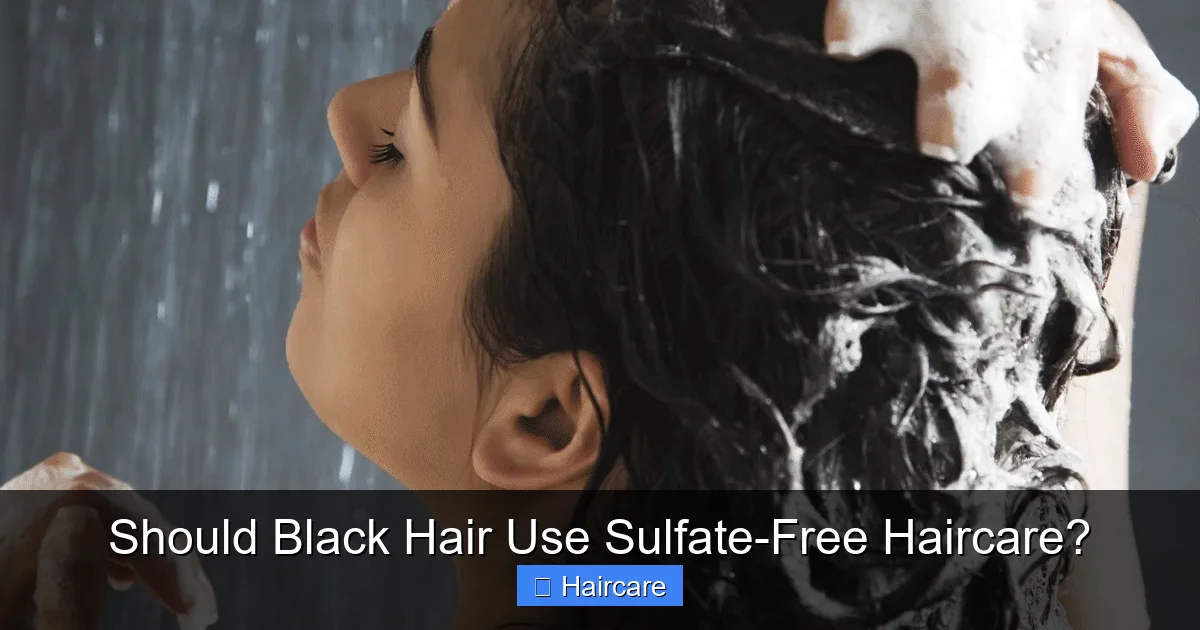
Learn more about should black people use sulfate free haircare products – Should Black Hair Use Sulfate-Free Haircare?
Image source: media.self.com
When you use sulfate-free products, your hair is cleansed more gently, allowing it to retain more of its natural oils. This leads to several benefits:
- Enhanced Moisture Retention: Less stripping means more natural moisture stays in your hair, reducing dryness and frizz.
- Reduced Breakage: Hydrated hair is more elastic and less prone to snapping.
- Improved Curl Definition: When curls are properly moisturized, they can clump together beautifully, enhancing their natural pattern.
- Less Scalp Irritation: Gentle cleansers are kinder to sensitive scalps, preventing dryness and itchiness.
- Longer-Lasting Color: For those who color their hair, sulfate-free haircare helps preserve vibrancy.
Dispelling Myths and Considering Alternatives
It’s important to clarify that not all sulfates are created equal, and not everyone with Black hair *must* avoid them entirely. Some milder sulfates (like Sodium Coco Sulfate, derived from coconut) are less harsh than SLS or SLES. However, the general consensus for most Black hair types leans towards avoiding strong sulfates to promote optimal hair health.
Furthermore, the absence of sulfates doesn’t mean a product won’t clean your hair. Sulfate-free shampoos use alternative cleansing agents (co-surfactants) that are much gentler. These include ingredients like Cocamidopropyl Betaine, Decyl Glucoside, or Coco Glucoside. These alternatives still create a moderate lather and effectively cleanse without stripping. It’s also important to remember that product buildup can occur even with sulfate-free products, making occasional clarifying essential.
Common Misconceptions:
- “Sulfate-free means no lather”: Many modern sulfate-free products create a rich, satisfying lather.
- “All sulfates are bad”: While some are harsh, milder sulfates exist. The key is understanding your hair’s reaction.
- “Sulfate-free will solve all hair problems”: It’s a significant step, but part of a holistic approach to hair health.
Making the Switch: Tips for Going Sulfate-Free
If you’re ready to transition to sulfate-free haircare, here are some actionable tips to ensure a smooth and successful journey towards healthier natural hair:
- Read Labels Carefully: Always check ingredient lists for SLS, SLES, and other harsh sulfates. Look for phrases like “sulfate-free” prominently displayed.
- Be Patient with the Transition: Your hair and scalp might need time to adjust. In the beginning, your hair might feel different, or you might experience less lather. Stick with it for at least 2-4 weeks.
- Pre-Poo Treatments: Before shampooing with your new sulfate-free shampoo, apply a nourishing oil (like coconut or olive oil) or a deep conditioner to your hair. This helps protect your strands from potential dryness during cleansing.
- Focus on the Scalp: When shampooing, concentrate on gently cleansing your scalp, allowing the lather to run down the length of your hair to cleanse it without excessive scrubbing.
- Deep Condition Regularly: Pair your sulfate-free haircare routine with regular deep conditioning treatments to replenish moisture and strengthen your hair. Aim for at least once a week.
- Consider Co-Washing: For very dry or delicate hair, consider incorporating co-washing (using conditioner to cleanse) in between traditional washes with sulfate-free products.
- Hydrate and Seal: After washing and conditioning, apply a leave-in conditioner and then seal with an oil or butter to lock in moisture, especially for curly hair and coily hair.
Beyond Sulfate-Free: A Holistic Approach to Black Hair Health
While choosing sulfate-free haircare is a powerful step, remember that truly healthy Black hair is a result of a holistic approach. It’s about building a comprehensive routine that supports your hair’s unique needs from all angles. Moisture retention should be at the forefront of every product choice and styling decision.
This includes incorporating regular deep conditioning treatments, using leave-in conditioners, and sealing with oils or butters. Protective styling, such as braids, twists, or buns, can minimize manipulation and breakage. A healthy diet, rich in vitamins and minerals, also plays a crucial role in promoting strong, vibrant hair growth from within. Regular trims to remove split ends, gentle detangling techniques, and avoiding excessive heat are equally vital components of a successful hair health regimen.
Key Elements of a Holistic Haircare Routine:
- Hydrating Leave-Ins: Essential for continuous moisture.
- Nourishing Deep Conditioners: Regular treatments restore and strengthen.
- Protective Styling: Reduces manipulation and breakage.
- Balanced Nutrition: Supports healthy hair growth from the inside out.
- Mindful Detangling: Always detangle gently from ends to roots.
- Professional Care: Regular trims and expert advice from a stylist specializing in Black hair.
Conclusion: Empowering Your Hair Journey with Informed Choices
So, should Black hair use sulfate-free haircare? For many, the answer is a resounding yes. Given the inherent dryness and delicate nature of Black hair, opting for sulfate-free products can significantly enhance moisture retention, reduce breakage, and promote overall hair health. It’s a conscious choice that prioritizes gentle cleansing and nourishment over harsh stripping.
By understanding what sulfates are, recognizing the unique needs of your hair, and embracing gentler alternatives, you empower yourself to make informed decisions that lead to beautiful, resilient strands. Remember, your hair journey is personal. Listen to your hair, observe how it responds, and build a routine that celebrates its natural beauty. Making the switch to sulfate-free haircare could be the pivotal step towards the vibrant, healthy hair you deserve.
“`
🎥 Related Video: Sulfate or no sulfate – what’s it going to be for your hair? || Dr Ankur Sarin ||
📺 Dr. Sarin
Well, it depends on your hair type and scalp condition. For soft and thin hair, use a sulfate free shampoo, but if your hair is …
Frequently Asked Questions
Is sulfate-free haircare a must for all black hair types?
No, it’s not a universal mandate, but it’s often highly recommended for black hair. Black hair, particularly curly and coily textures, tends to be naturally drier and more fragile, making it more susceptible to the stripping effects of harsh sulfates. While some straight or looser textures might tolerate them better, many still benefit from avoiding them.
Why are sulfates often a concern for black hair, especially natural textures?
Sulfates are strong cleansing agents that can strip natural oils (sebum) from the scalp and hair, leading to excessive dryness, frizz, and breakage. For black hair, which naturally has fewer cuticle layers and retains moisture less easily, this stripping can be particularly detrimental to its health and elasticity.
What are the key benefits of using sulfate-free haircare for black hair?
Switching to sulfate-free haircare can help preserve your hair’s natural moisture, significantly reduce dryness and frizz, and minimize breakage. It promotes a healthier scalp environment by not over-stripping natural oils and helps maintain the integrity of your hair’s natural curl pattern and definition.
Are there any downsides or specific situations where black hair might benefit from occasional sulfates?
While generally beneficial to avoid, some people find sulfate-free shampoos don’t always provide the deep cleanse needed for heavy product buildup, especially with thick oils or butters. Occasionally using a clarifying shampoo with milder sulfates might be necessary to remove stubborn residue, but this should always be followed by a deep conditioning treatment to restore moisture.
How can I tell if my black hair would benefit from switching to sulfate-free haircare products?
If your hair frequently feels dry, brittle, or frizzy after washing, or if your scalp feels itchy or irritated, it’s a strong sign that harsh sulfates might be the culprit. Observe how your hair feels and looks a few days post-wash; if it’s struggling to retain moisture or shine, making the switch to sulfate-free haircare is a good test.
When choosing sulfate-free haircare for black hair, what ingredients should I look for or avoid?
Look for gentle cleansing agents like cocamidopropyl betaine, decyl glucoside, or sodium lauroyl methyl isethionate on the ingredient list. Also, prioritize products rich in moisturizing ingredients such as shea butter, argan oil, jojoba oil, and aloe vera, and consider avoiding harsh alcohols or heavy silicones that can cause buildup and dryness.