
Featured image for how to care for nails
Image source: blog.catchyz.com
Keep nails clean, dry, and moisturized to prevent breakage and infections—this foundational step supports long-term nail health. Trim regularly, file in one direction, and avoid harsh chemicals to maintain strength and reduce splitting. For resilient, glowing nails, pair good hygiene with a nutrient-rich diet and protective habits like wearing gloves during chores.
Key Takeaways
- Moisturize daily: Apply cuticle oil or hand cream to prevent dryness and brittleness.
- Trim regularly: Cut nails straight across to avoid ingrown nails and maintain shape.
- Use gloves: Protect nails from harsh chemicals and water during chores or cleaning.
- Eat nutrient-rich foods: Boost nail strength with biotin, protein, and omega-3s.
- Avoid harsh products: Choose acetone-free removers and gentle nail polish formulas.
- File gently: Use a fine-grit file in one direction to prevent splitting.
- Limit polish wear: Give nails breaks to breathe and prevent discoloration.
📑 Table of Contents
- Understanding Your Nails: The Foundation of Nail Health
- Nutrition and Hydration: Feeding Your Nails from the Inside
- Daily Habits and At-Home Care: Building a Nail-Friendly Routine
- Professional Treatments and Products: Elevating Your Nail Care
- Seasonal and Lifestyle Adjustments: Adapting Your Routine
- Advanced Tips and Troubleshooting: Solving Common Nail Problems
- Conclusion: The Path to Lifelong Nail Health
Understanding Your Nails: The Foundation of Nail Health
Your nails are more than just a canvas for colorful polish—they’re a window into your overall health. Strong, healthy nails are a sign of good circulation, proper nutrition, and consistent self-care. However, brittle, peeling, or discolored nails can indicate underlying issues, from vitamin deficiencies to over-exposure to harsh chemicals. Whether you’re a nail art enthusiast, a busy professional, or someone who simply wants to maintain natural nail strength, understanding how to care for nails properly is essential. With the right habits and products, you can transform your nails from weak and fragile to resilient and radiant.
Nail care isn’t just about aesthetics; it’s a form of self-respect and preventive health. Did you know that the average fingernail grows about 3 millimeters per month, while toenails grow at half that rate? This slow but steady growth means that damage or neglect can take months to grow out. By adopting a comprehensive nail care routine, you can avoid common problems like splitting, yellowing, and fungal infections. In this guide, we’ll explore expert-backed tips, from nutrition and hydration to professional treatments and daily habits, to help you achieve and maintain healthy, strong nails for life.
Nutrition and Hydration: Feeding Your Nails from the Inside
The Role of Diet in Nail Strength
Just like your skin and hair, your nails rely on a steady supply of nutrients to grow strong and resist damage. A diet rich in essential vitamins and minerals is the first step toward healthier nails. Biotin (Vitamin B7), often hailed as the “nail vitamin,” plays a critical role in keratin production—the protein that makes up nails. Studies show that biotin supplementation can increase nail thickness by up to 25% in individuals with brittle nails. Foods like eggs, almonds, sweet potatoes, and spinach are excellent natural sources of biotin.
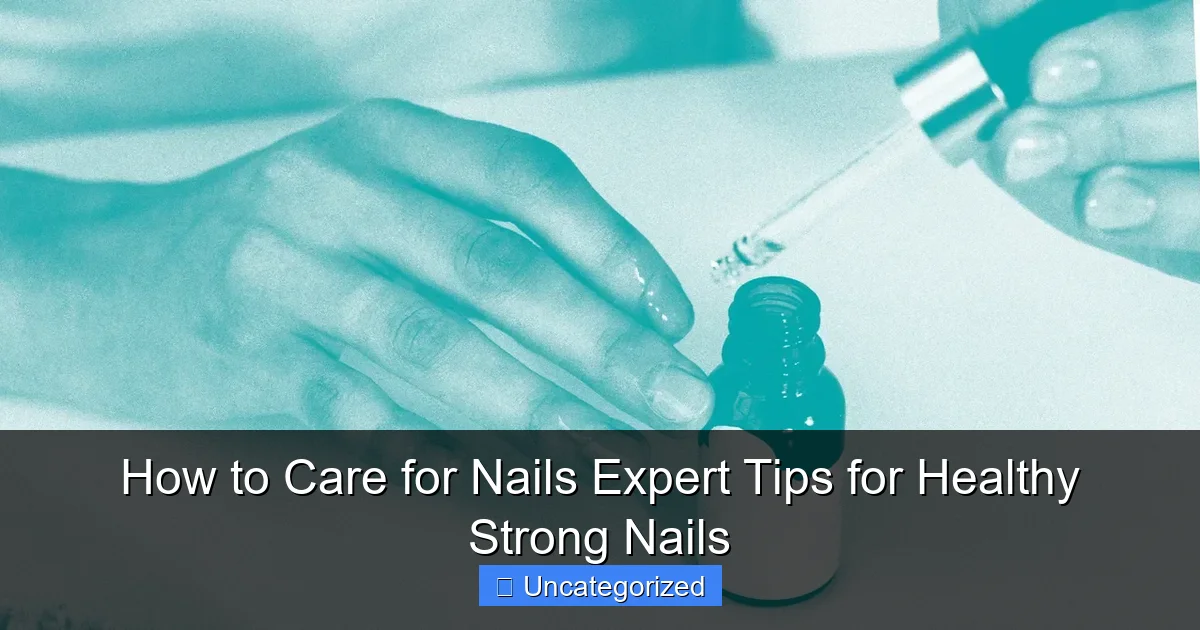
Visual guide about how to care for nails
Image source: assets.teenvogue.com
Other key nutrients include:
- Iron: Prevents spoon-shaped nails (koilonychia) and promotes oxygen delivery to nail beds. Found in red meat, lentils, and fortified cereals.
- Omega-3 Fatty Acids: Reduce inflammation and keep nails flexible. Sources: salmon, chia seeds, walnuts.
- Vitamin C: Boosts collagen production, which strengthens nail structure. Citrus fruits, bell peppers, and broccoli are top choices.
- Zinc: Supports cell regeneration and prevents white spots. Oysters, pumpkin seeds, and chickpeas are rich in zinc.
Example: A breakfast of Greek yogurt (biotin, zinc) with blueberries (vitamin C) and a handful of walnuts (omega-3s) provides a nail-friendly nutrient boost.
Hydration and Nail Moisture
Dehydration doesn’t just affect your skin—it impacts your nails, too. Dry, brittle nails often result from a lack of moisture in the nail plate and surrounding cuticles. Drinking at least 8 cups of water daily helps maintain nail flexibility. Additionally, topical hydration is crucial. Apply a nail and cuticle oil (like jojoba or argan oil) 2-3 times daily to lock in moisture. For severe dryness, try overnight treatments: massage oil into nails, wear cotton gloves, and let it absorb while you sleep.
Pro Tip: If you work with water frequently (e.g., dishwashing, cleaning), wear gloves to prevent moisture loss. Prolonged water exposure softens nails, making them prone to splitting.
Daily Habits and At-Home Care: Building a Nail-Friendly Routine
Proper Nail Trimming and Shaping
How you trim your nails can make or break their health. Use sharp, clean nail clippers or scissors to avoid jagged edges. Trim straight across, then slightly round the corners to prevent ingrown nails. File nails in one direction (not sawing back-and-forth) with a fine-grit file to prevent splitting. The ideal nail shape? A slightly rounded square or oval—this reduces snagging and breakage.
Example: If you have weak, peeling nails, file them to a short, rounded shape to minimize stress on the nail tip.
Moisturizing and Cuticle Care
Cuticles are the body’s natural seal against bacteria and fungi. Never cut or aggressively push back cuticles, as this can cause infections. Instead:
- Soften cuticles by soaking nails in warm, soapy water for 5-10 minutes.
- Gently push them back with an orange stick or rubber pusher.
- Apply cuticle oil or a rich hand cream (look for shea butter or ceramides).
For a DIY treatment, mix 1 tbsp olive oil with 1 tsp honey and 3 drops of lemon juice. Massage into nails and cuticles for 5 minutes, then rinse. Lemon juice’s mild acidity helps lighten stains, while honey and olive oil provide deep hydration.
Avoiding Common Nail Damagers
Many everyday habits sabotage nail health. Protect your nails by:
- Wearing gloves during household chores (cleaning, gardening, dishwashing).
- Using a nail hardener sparingly—overuse can make nails brittle. Opt for a strengthening base coat instead.
- Letting nails “breathe” between polish applications. Remove polish with acetone-free remover, which is less drying.
- Stopping nail-biting or picking—this damages the nail matrix and increases infection risk.
Data Insight: A 2022 survey found that 78% of nail technicians reported clients with weakened nails due to frequent gel manicures without proper removal.
Professional Treatments and Products: Elevating Your Nail Care
Choosing the Right Nail Products
Not all nail polishes and treatments are created equal. Look for products labeled:
- 3-Free, 5-Free, or 10-Free: These exclude toxic chemicals like formaldehyde, toluene, and dibutyl phthalate (DBP).
- Breathable: Allows water and oxygen to pass through the polish (e.g., Oxygen Nail Polish).
- Strengthening: Contains calcium, keratin, or silk proteins (e.g., OPI Nail Envy).
For damaged nails, consider a repair serum with peptides or hyaluronic acid. Apply it nightly under a moisturizer for 4-6 weeks to see improvements.
When to Visit a Nail Technician or Dermatologist
While at-home care is vital, professional help can address deeper issues:
- Salon Treatments: Paraffin wax dips (moisturizing), silk wraps (for peeling nails), and LED light therapy (to stimulate growth).
- Dermatologist Visits: Persistent yellowing, ridges, or separation from the nail bed may indicate fungal infections, psoriasis, or thyroid disorders. A dermatologist can prescribe medicated creams or oral antifungals.
Case Study: A client with chronic brittle nails improved after a dermatologist diagnosed a biotin deficiency and prescribed a 3-month supplement regimen.
Seasonal and Lifestyle Adjustments: Adapting Your Routine
Winter Care: Combatting Dryness and Breakage
Cold, dry air in winter can wreak havoc on nails. Combat this by:
- Using a humidifier indoors to maintain 40-60% humidity.
- Applying a thick hand cream (like CeraVe or Eucerin) after washing hands.
- Wearing gloves outdoors to protect against wind and cold.
Pro Tip: Keep a travel-sized cuticle oil in your purse for on-the-go hydration.
Summer and Water Exposure: Preventing Soft Nails
Frequent swimming or beach trips can weaken nails. Chlorine and saltwater strip natural oils, making nails soft and prone to splitting. After swimming:
- Rinse nails with fresh water.
- Apply a nourishing base coat before polish to create a protective barrier.
- Use a nail hardener with calcium or silica (e.g., Sally Hansen Hard as Nails).
Example: A beachgoer who applied a calcium-infused base coat reported 50% fewer nail breaks during a 2-week vacation.
Advanced Tips and Troubleshooting: Solving Common Nail Problems
Addressing Specific Nail Issues
Tailor your care to your unique concerns:
- Peeling Nails: Use a nail strengthener with keratin and avoid acetone removers.
- Yellow Nails: Soak in a mix of 3 parts water and 1 part hydrogen peroxide for 5 minutes. Limit polish use to prevent staining.
- Ridges: Vertical ridges are often age-related; buff gently with a ridge-filling base coat. Horizontal ridges (Beau’s lines) may signal illness—consult a doctor.
- Fungal Infections: Apply tea tree oil (antifungal) or see a dermatologist for prescription treatment.
Table: Quick Reference for Nail Problems and Solutions
| Problem | Likely Cause | Immediate Action | Long-Term Solution |
|---|---|---|---|
| Brittle nails | Dehydration, nutrient deficiency | Apply cuticle oil, drink water | Increase biotin/iron intake, use gloves |
| Yellow nails | Fungal infection, polish stains | Soak in hydrogen peroxide solution | Antifungal treatment, limit polish |
| Peeling nails | Over-filing, chemical exposure | Stop filing, use a keratin strengthener | Moisturize daily, avoid harsh removers |
| White spots | Minor trauma, zinc deficiency | No treatment needed (grow out) | Eat zinc-rich foods, avoid nail trauma |
When to Take a Nail “Break”
Even the most diligent nail care requires rest. If your nails are damaged, take a 2-4 week “naked” break from polish and treatments. Focus on:
- Hydrating with oils and creams.
- Eating a nutrient-rich diet.
- Protecting nails with gloves during chores.
Example: A nail artist who took a 3-week break after years of gel manicures saw a 70% improvement in nail strength and reduced peeling.
Conclusion: The Path to Lifelong Nail Health
Caring for your nails is a lifelong commitment that pays off in strength, beauty, and confidence. By nourishing your body with the right nutrients, adopting gentle daily habits, choosing quality products, and adapting to seasonal changes, you can overcome common nail problems and enjoy healthy, strong nails at any age. Remember: consistency is key. Small, sustainable changes—like applying cuticle oil nightly or wearing gloves while cleaning—add up to significant results over time. Your nails are worth the effort. Start today, and let your hands tell the story of a well-cared-for life. With these expert tips, you’re not just growing nails—you’re cultivating resilience, one millimeter at a time.
As you refine your nail care routine, keep in mind that patience is essential. Nails grow slowly, so improvements may take weeks or months to appear. Celebrate small victories, like reduced breakage or smoother cuticles, and stay committed to the process. Healthy nails aren’t just a cosmetic goal—they’re a reflection of your overall wellness and self-care. Now, go forth and give your nails the love they deserve!
Frequently Asked Questions
How can I strengthen my nails naturally?
To strengthen nails naturally, keep them hydrated with cuticle oil or shea butter and avoid harsh chemicals. A diet rich in biotin (found in eggs, nuts, and leafy greens) can also improve nail strength over time.
What’s the best way to care for nails to prevent breakage?
Prevent breakage by keeping nails trimmed short, using a fine-grit file, and wearing gloves during chores. Moisturize daily and avoid using nails as tools to open or scrape things.
How often should I trim and file my nails for proper nail care?
Trim and file your nails every 1–2 weeks to maintain shape and prevent snags. Always file in one direction to reduce splitting and weaken the nail edge.
Why do my nails peel, and how can I fix it?
Peeling nails are often caused by dehydration, frequent water exposure, or nutrient deficiencies. Combat this by applying a strengthening base coat, wearing gloves when washing dishes, and using a hydrating nail serum.
Are there specific foods that help with how to care for nails?
Yes! Protein-rich foods (like lean meats and beans), omega-3s (salmon, flaxseeds), and biotin (eggs, almonds) support nail growth and resilience. Hydration is also key—drink plenty of water daily.
How can I safely remove gel or acrylic nails at home?
Soak a cotton pad with acetone, place it on the nail, and wrap with foil for 10–15 minutes to loosen the product. Gently push off the residue with a wooden stick—never force or peel, as this damages natural nails.