
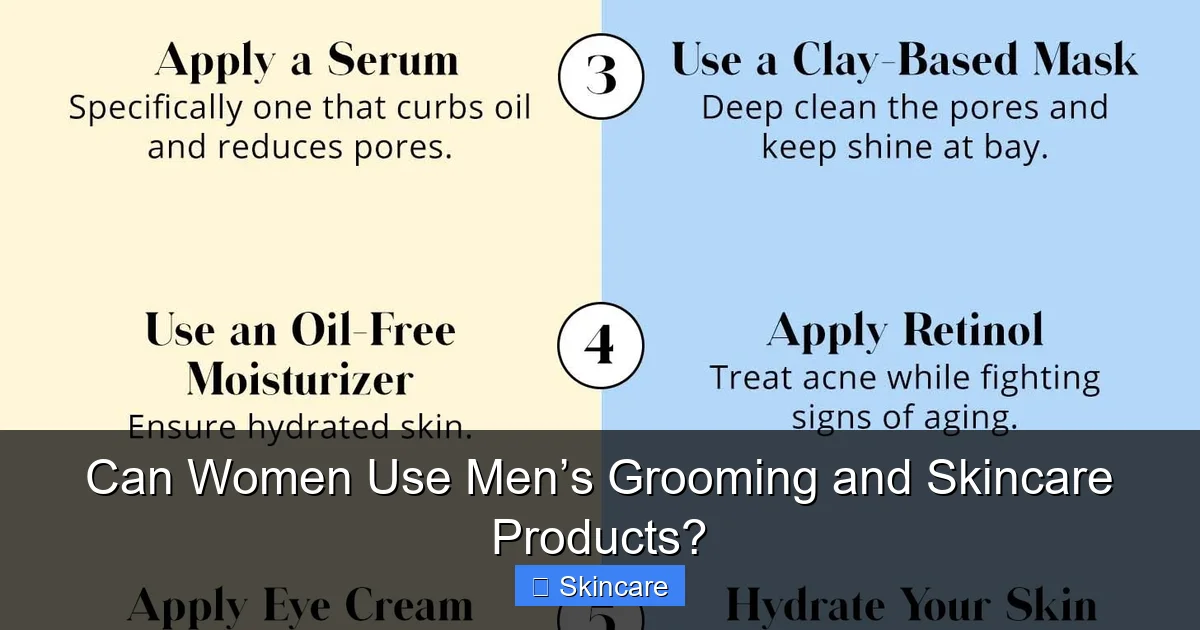
Featured image for this comprehensive guide about can women use mens skincare
Image source: i.pinimg.com
The beauty and grooming industry has historically drawn clear lines in the sand, neatly separating “his” and “hers” products. But in an increasingly fluid and inclusive world, many of these traditional boundaries are blurring. From fashion to fragrances, gender no longer dictates personal style, and the same curiosity is now extending to our bathroom shelves. A common question arises: can women use men’s grooming and skincare products? The answer, perhaps surprisingly, is far more nuanced than a simple yes or no.
For years, marketing campaigns have skillfully crafted distinct identities for male and female skincare, leading us to believe there are fundamental differences that necessitate separate formulations. But what if we told you that your skin’s needs are more about its type, concerns, and environment than your gender identity? Join us as we dive into the science, demystify the marketing, and uncover whether those “for men” labels truly mean “not for women.”
📋 Table of Contents
- The Core Question: Is Skincare Truly Gender-Specific?
- Understanding Skin Differences: Men vs. Women
- Decoding the Ingredients: What’s Really Inside?
- When Women Can Benefit from Men’s Skincare Products
- Potential Pitfalls and Considerations for Women
- Data Insights: Skin Differences at a Glance
- Your Guide to Choosing Skincare, Regardless of Gender
- Conclusion: Embrace Gender-Neutral Skincare!
The Core Question: Is Skincare Truly Gender-Specific?
The notion of gender-specific skincare is largely a modern marketing construct. While there are physiological differences between male and female skin (which we’ll explore shortly), many of the core ingredients and objectives of skincare are universal. Whether you’re a man or a woman, you likely want to cleanse, hydrate, protect from sun damage, and address concerns like acne, aging, or sensitivity. Therefore, the idea that certain active ingredients or formulations are exclusively “for men” or “for women” often doesn’t hold up to scientific scrutiny.
The Marketing Myth vs. Scientific Reality
Walk into any drugstore or beauty department, and you’ll be greeted by aisles distinctly segmented by gender. Men’s products often come in darker packaging, feature strong, musky scents, and promise “tough” or “oil-controlling” results. Women’s products, on the other hand, frequently boast floral packaging, lighter fragrances, and emphasize “anti-aging,” “brightening,” or “delicate” properties. This segmentation is incredibly effective for sales, but it often overshadows the underlying truth: skin is skin.
| Skincare Aspect | Typical Characteristics of Men’s Skincare | Relevance & Impact for Women’s Skin |
|---|---|---|
| **Skin Physiology** (Thickness, Oil Production) | Often formulated for thicker skin, higher sebum production, and frequent shaving irritation. Products may lean towards oil control or a mattifying finish. | **Suitable for:** Women with oily, combination, or acne-prone skin types. The formulations can help manage excess oil and breakouts. **Less suitable for:** Women with dry or sensitive skin may find products too astringent or stripping. |
| **Common Ingredients & Formulations** | Utilizes universal active ingredients like SPF, Hyaluronic Acid, Niacinamide, Retinoids. Focus on lightweight textures, quick absorption, and soothing post-shave ingredients (e.g., aloe, allantoin). | **Highly relevant:** Most active ingredients are gender-neutral and beneficial for all skin types. Women can benefit from these effective formulations, especially if they prefer simpler routines or lighter textures. |
| **Fragrance & Scent Profile** | Typically features stronger, traditionally masculine scents (e.g., musk, sandalwood, citrus, mint, ‘fresh’ notes). | **Personal preference:** Purely a matter of individual taste. **Potential issue:** Strong fragrances can be an irritant for women (or men) with sensitive skin or allergies. Unscented options are always safer. |
| **Targeted Concerns** | Many products are specifically designed to address shaving-related issues like razor burn, ingrown hairs, and soothing irritation. | **Partially relevant:** While shaving-specific products are less directly applicable for facial use, the hydrating and soothing ingredients can still benefit women’s skin, especially after hair removal on other body parts. |
| **Packaging & Marketing** | Often minimalist, dark colors, robust packaging, with direct claims focused on efficiency and problem-solving. | **No impact on efficacy:** This is a purely aesthetic and marketing distinction. Women should look past the packaging and focus solely on the ingredients and product suitability for their specific skin type and concerns. |
The reality is that many of the hero ingredients like hyaluronic acid, vitamin C, retinol, and SPF are beneficial for everyone, regardless of gender. The real difference often lies in the concentration, texture, and sensory experience (scent, feel) of the product, rather than its fundamental efficacy based on gender.
Understanding Skin Differences: Men vs. Women
While marketing overplays gender differences, it’s true that there are some biological distinctions between male and female skin that can influence product choices. These differences are primarily driven by hormones.

Learn more about can women use mens skincare – Can Women Use Men’s Grooming and Skincare Products?
Image source: classifiedmom.com
Hormonal Influences and Skin Structure
- Thickness: Men generally have thicker skin (about 20-25% thicker) due to higher testosterone levels. This often means it’s more resilient and can tolerate stronger active ingredients or more aggressive exfoliation.
- Collagen Density: Men typically have a higher collagen density, which contributes to slower skin aging compared to women. Women’s collagen levels also drop significantly faster after menopause.
- Sebum Production: Androgens (male hormones) lead to larger, more active sebaceous glands in men, resulting in oilier skin and larger pores. This makes men generally more prone to acne and shiny skin. Women’s sebum production fluctuates more with their menstrual cycle.
- Hair Follicles: Men have more and larger hair follicles, especially on the face, due to beard growth. This also means different needs related to shaving.
These biological variations mean that, on average, male skin tends to be oilier, more robust, and less prone to dryness or sensitivity than female skin. However, these are averages, and individual variations are significant.
The Impact of Daily Habits (Shaving!)
Beyond biology, lifestyle habits play a crucial role. Shaving is a primary example. Daily shaving can cause irritation, razor burn, and ingrown hairs, leading to a need for soothing, anti-inflammatory, and hydrating ingredients in men’s products. Women, while they may shave other body parts, typically don’t subject their faces to daily razor abrasion. This difference in routine significantly influences product formulation, especially for cleansers, toners, and moisturizers in the “men’s” category.
Decoding the Ingredients: What’s Really Inside?
To determine if women can use men’s skincare effectively, it’s essential to look beyond the packaging and examine the ingredient list.
Learn more about can women use mens skincare – Can Women Use Men’s Grooming and Skincare Products?
Image source: i.ytimg.com
Common Ingredients in Men’s Products
You’ll often find these ingredients in men’s skincare:
- Salicylic Acid/Glycolic Acid: Often at higher concentrations to tackle oiliness, clogged pores, and exfoliate thicker skin.
- Menthol/Peppermint Oil: Provides a “cooling” or “tingling” sensation, often for post-shave soothing, but can be irritating for sensitive skin.
- Witch Hazel: Astringent properties to reduce oil and tighten pores.
- Aloe Vera, Allantoin, Bisabolol: Soothing ingredients to combat razor burn and irritation.
- Hyaluronic Acid, Glycerin, Niacinamide: Universal hydrators and skin barrier boosters.
- Stronger Fragrances: Often musky, woody, or “fresh” scents that can be irritating for sensitive skin types.
Shared Skincare Powerhouses
Many of the most effective skincare ingredients are universally beneficial. These include:
- Sunscreens (SPF): Essential for preventing sun damage and premature aging for everyone.
- Hyaluronic Acid: A powerful humectant that draws moisture into the skin.
- Vitamin C: An antioxidant that brightens skin and boosts collagen.
- Niacinamide (Vitamin B3): Reduces inflammation, improves skin barrier function, and minimizes pores.
- Retinoids (Retinol, Tretinoin): Gold standard for anti-aging and acne treatment.
- Ceramides: Essential lipids that maintain the skin barrier.
If a men’s product contains these ingredients, it’s likely to be beneficial for women too, provided the overall formulation suits their skin type.
When Women Can Benefit from Men’s Skincare Products
Given the average differences in skin and common formulations, there are several scenarios where women can use men’s skincare to their advantage.
Targeting Specific Skin Concerns
If you have skin concerns that align with the typical male skin profile, men’s products might be a great fit:
- Oily or Acne-Prone Skin: Many men’s cleansers and toners are formulated with strong oil-absorbing or exfoliating ingredients (like salicylic acid) that can be very effective for managing excess sebum and breakouts.
- Thicker, Resilient Skin: If your skin isn’t particularly sensitive and can handle more robust formulations, you might find men’s products to be no-nonsense and effective.
- Looking for No-Frills Hydration: Men’s moisturizers often come in lighter, mattifying textures without heavy emollients or “anti-aging” promises, making them ideal for daytime use under makeup or for those who prefer a less greasy feel.
- Cost-Effectiveness: Men’s skincare can sometimes be less expensive than their female counterparts, offering effective formulations at a more budget-friendly price point, often because they focus on utility over luxury marketing.
Specific Product Categories to Consider
Here are a few men’s product categories women might want to explore:
- Facial Cleansers: Especially foaming or gel cleansers designed for oily skin. Look for ingredients like salicylic acid or charcoal.
- Moisturizers: Lightweight, mattifying lotions or gels can be excellent for oily skin or humid climates. Many contain SPF, offering dual protection.
- Sunscreens: Men’s sunscreens often have a less “cosmetic” finish, absorbing quickly without leaving a white cast, making them great for everyday protection.
- Shaving Creams/Gels: If you shave your legs or other body parts, men’s shaving products are often highly effective at reducing irritation and providing a close shave.
- Serums/Treatments: If you find a men’s serum with ingredients like hyaluronic acid, niacinamide, or antioxidants, it’s likely just as effective as a female-marketed version.
Potential Pitfalls and Considerations for Women
While the potential benefits are clear, there are also reasons why women should proceed with caution when incorporating men’s products into their routine.
Fragrance Overload
One of the most noticeable differences is scent. Men’s products often contain strong, traditionally masculine fragrances (e.g., cedarwood, sandalwood, musk, mint). While some women might enjoy these, they can be a significant irritant for those with sensitive skin, leading to redness, itching, or breakouts. Fragrance is one of the most common allergens in skincare.
Overly Harsh Formulations
As discussed, men’s products are often designed for thicker, oilier skin. If a woman has dry, sensitive, or mature skin, using products formulated for robust, oily skin could be too stripping, drying, or irritating. Harsh cleansers might compromise the skin’s barrier, leading to increased sensitivity and dehydration.
Lack of “Feminine” Benefits (If Desired)
While effective, men’s skincare often doesn’t focus on certain “cosmetic” benefits commonly found in women’s products, such as intense brightening, specific anti-aging complexes tailored for hormonal shifts, or lightweight textures designed to sit well under makeup. If these specific benefits are a priority for your routine, you might find men’s lines lacking.
Data Insights: Skin Differences at a Glance
To further illustrate the average physiological differences, here’s a quick overview:
| Characteristic | Male Skin (Average) | Female Skin (Average) | Implications for Skincare |
|---|---|---|---|
| Thickness | ~20-25% thicker | Thinner | Men: Can tolerate more active ingredients; Women: Needs gentler approach. |
| Collagen Density | Higher | Lower (decreases faster post-menopause) | Men: Slower onset of visible aging; Women: Focus on collagen-boosting anti-aging. |
| Sebum Production | Higher | Lower (fluctuates with hormones) | Men: More prone to oiliness/acne; Women: Can be prone to dryness/hormonal breakouts. |
| Hair Follicles | Denser & Larger | Less Dense | Men: Shaving concerns (irritation, ingrowns); Women: Less direct facial shaving concern. |
Your Guide to Choosing Skincare, Regardless of Gender
Ultimately, the most effective approach to skincare is to focus on your individual skin type and concerns, not the gender marketed on the label. Here’s how to navigate the world of skincare products, whether they’re in the “men’s” or “women’s” aisle:
- Know Your Skin Type and Concerns: Are you oily, dry, combination, sensitive, or prone to acne? Do you want to address aging, hyperpigmentation, or redness? This is your primary guide.
- Read Ingredient Lists: Become an ingredient detective! Look for active ingredients that target your specific concerns (e.g., salicylic acid for acne, hyaluronic acid for hydration, retinol for anti-aging). Ignore gendered language on the front of the bottle.
- Patch Test: Always test a new product on a small, inconspicuous area of your skin (like behind your ear or on your jawline) for a few days before applying it all over your face, especially if you have sensitive skin. This helps identify potential irritation or allergic reactions.
- Consider Scent: If you are sensitive to fragrance, opt for fragrance-free products, regardless of whether they are marketed to men or women.
- Listen to Your Skin: Your skin is your best indicator. If a product feels good and delivers results without irritation, stick with it. If it causes dryness, breakouts, or discomfort, stop using it.
Conclusion: Embrace Gender-Neutral Skincare!
So, can women use men’s grooming and skincare products? Absolutely! The future of skincare is increasingly gender-neutral, focusing on effective ingredients and formulations that cater to specific skin needs rather than outdated gender norms. By understanding your skin’s unique characteristics and prioritizing active ingredients over marketing claims, you can unlock a wider range of effective and potentially budget-friendly options.
Don’t limit your skincare journey to one side of the aisle. Feel empowered to explore, experiment, and find what truly works best for your skin. Whether it’s a “men’s” mattifying moisturizer or a “women’s” brightening serum, the best product is the one that gives you a healthy, happy complexion.
🎥 Related Video: SIMPLE Men’s Skincare Routine. #dermreacts #skincare
📺 DermAngelo
Frequently Asked Questions
Can women use men’s grooming and skincare products safely?
Absolutely! The primary differences between men’s and women’s skincare often lie in marketing, packaging, and fragrance rather than fundamental efficacy. Focus on your skin type and concerns, not the gender label on the product, to determine suitability.
What are the main differences between men’s and women’s skincare formulations?
While some men’s skincare products might be formulated to address concerns like thicker skin or post-shave irritation, the core ingredients for hydration, anti-aging, or acne treatment are largely gender-neutral. Skin concerns like dryness, oiliness, or sensitivity are universal and should guide your product choices, not the “for men” label.
Will men’s grooming products make me smell masculine?
Many men’s grooming and skincare products do feature stronger, traditionally masculine fragrances like sandalwood or musk. If you prefer more neutral or feminine scents, you might want to opt for unscented men’s products or check the ingredient list for fragrance components before purchasing.
Are men’s skincare products too harsh or strong for women’s skin?
Not necessarily. While men’s skin can sometimes be thicker or oilier, many men’s skincare formulations are gentle and effective, just like their female counterparts. Always consider your individual skin type and sensitivities when choosing any product, regardless of its intended gender.
Which men’s grooming items are generally safe and effective for women to use?
Many fundamental men’s grooming products, such as cleansers, moisturizers, SPF, and even some shaving creams, can be perfectly suitable for women. Focus on the active ingredients and whether they align with your skin’s needs, rather than the “for men” label.
Is the gender divide in skincare just clever marketing?
In many cases, yes, the distinction between men’s and women’s skincare is primarily a marketing strategy. Companies often differentiate products with packaging, branding, and scents to target specific demographics. The effectiveness of a product truly depends on its ingredients and how they suit your individual skin, not its gendered branding.