
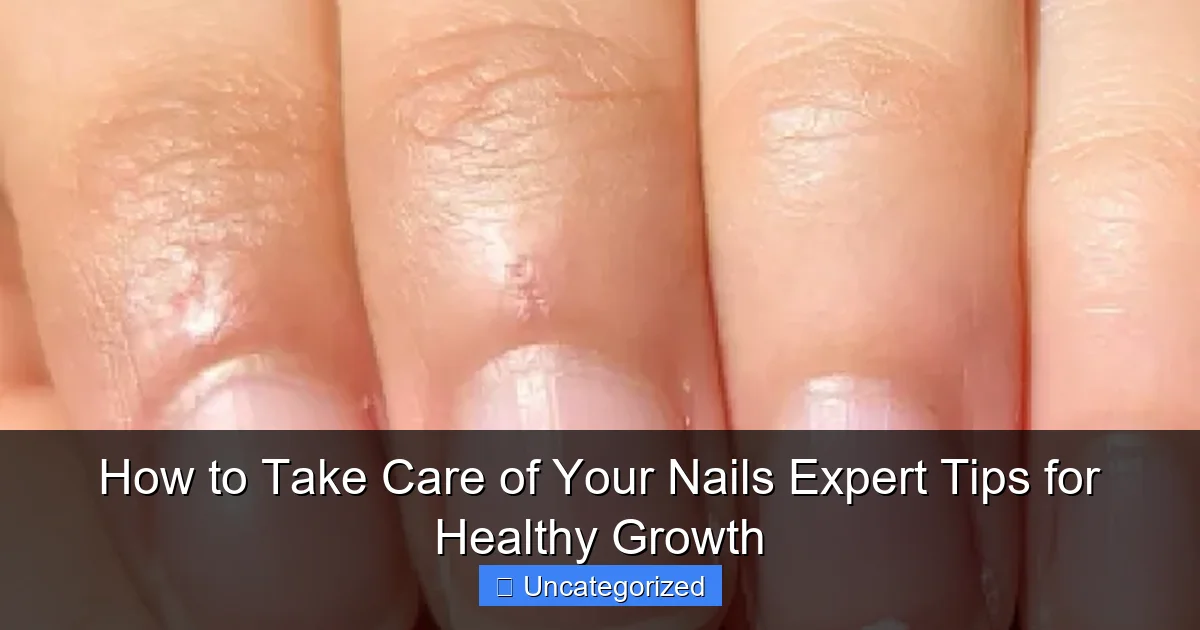
Featured image for how to take care of your nails
Image source: breezyscroll.com
Keep your nails clean, dry, and moisturized to prevent breakage and promote strong, healthy growth. Regularly trim and file them in one direction to avoid splitting, and always use a nourishing base coat and cuticle oil to protect and strengthen the nail bed. Avoid harsh chemicals and excessive water exposure—gloves are your best defense during chores.
Key Takeaways
- Moisturize daily: Apply cuticle oil to nourish and prevent dryness.
- Trim regularly: Cut nails straight across to avoid ingrown edges.
- Use gloves: Protect hands from harsh chemicals and water exposure.
- Eat nail-friendly foods: Boost growth with protein and biotin-rich meals.
- File gently: Shape nails in one direction to prevent splitting.
- Limit polish remover: Choose acetone-free options to avoid brittleness.
📑 Table of Contents
- How to Take Care of Your Nails Expert Tips for Healthy Growth
- Understanding Your Nail Anatomy and Growth Cycle
- Daily Habits for Stronger, Healthier Nails
- Nutrition and Supplements for Nail Growth
- Proper Nail Care Routine: Filing, Shaping, and Trimming
- Professional Treatments and At-Home Spa Care
- Protecting Nails from Environmental Damage
How to Take Care of Your Nails Expert Tips for Healthy Growth
Your nails are more than just a canvas for polish—they’re a reflection of your overall health, lifestyle, and self-care habits. Whether you’re battling brittle nails, struggling with slow growth, or simply aiming for a salon-worthy manicure at home, proper nail care is both an art and a science. From the tips of your fingers to the delicate cuticles, every element of your nails requires attention and care to thrive. Yet, many of us overlook this essential part of personal grooming, treating nail issues as minor inconveniences rather than indicators of deeper health or hygiene concerns.
Healthy nails aren’t just about appearance. Strong, smooth nails can prevent painful hangnails, reduce the risk of infections, and even signal nutritional deficiencies or underlying medical conditions. Did you know that ridges, discoloration, or peeling can point to issues like iron deficiency, thyroid problems, or fungal infections? The good news is that with the right knowledge and routine, you can transform your nail health in just a few weeks. This comprehensive guide will walk you through how to take care of your nails with expert-backed strategies for growth, strength, hydration, and protection—no matter your starting point.
Understanding Your Nail Anatomy and Growth Cycle
Before diving into care routines, it’s essential to understand what your nails are made of and how they grow. Nails are composed of keratin, a fibrous structural protein also found in hair and skin. Each nail grows from a matrix (the hidden part under the cuticle), and the visible nail plate is essentially dead keratin cells that have been compacted and pushed forward. Understanding this biology helps you appreciate why certain care methods work—and why others don’t.
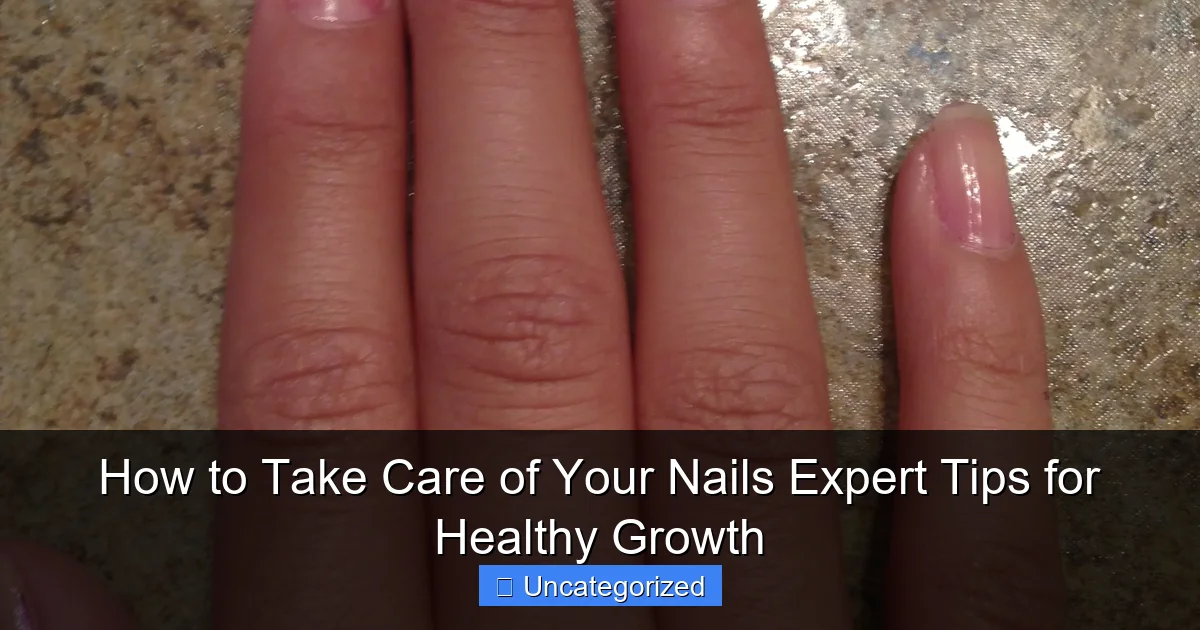
Visual guide about how to take care of your nails
Image source: content.instructables.com
The 5 Key Layers of a Healthy Nail
- Nail Plate: The visible, hard surface we polish and file. Made of tightly packed keratin.
- Nail Bed: The skin beneath the nail that gives it a pink hue. Rich in blood vessels and nerves.
- Lunula: The half-moon shape at the base (often visible on thumbs). A sign of active nail growth.
- Cuticle: A thin layer of skin protecting the matrix from bacteria and debris.
- Free Edge: The part of the nail that extends beyond the fingertip—most prone to chipping.
For example, if your cuticle is torn or damaged, bacteria can enter the matrix and cause infections. Similarly, a pale nail bed may indicate poor circulation or anemia. Knowing these signs helps you tailor your care.
How Fast Do Nails Grow?
On average, fingernails grow 3.5 millimeters per month, with the index finger and thumb growing slightly faster. Toenails grow about 1.6 mm/month—roughly half the speed. Growth slows with age, cold temperatures, and certain medications. For instance, chemotherapy patients often experience temporary nail growth disruption.
Pro Tip: Track your nail growth by drawing a line across the lunula with a white nail pen every 4 weeks. This helps you monitor changes and assess the effectiveness of your care routine.
Signs of Healthy vs. Problematic Nails
- Healthy Nails: Smooth, uniform color, no pits or grooves, slight shine, no pain or tenderness.
- Problematic Signs:
- Vertical ridges (normal with aging but can indicate vitamin B12 deficiency)
- Horizontal grooves (Beau’s lines—often from illness or trauma)
- Yellowing (fungal infection or nicotine stains)
- Spoon-shaped nails (iron deficiency or anemia)
- White spots (usually minor trauma, not calcium deficiency)
If you notice persistent changes, consult a dermatologist. Early intervention prevents long-term damage.
Daily Habits for Stronger, Healthier Nails
Consistency is key when learning how to take care of your nails. Small, daily habits compound over time to create dramatic improvements. Think of nail care like dental hygiene—it’s not about occasional deep cleans but daily maintenance.
1. Keep Nails Clean and Dry
Excess moisture softens nails, making them prone to splitting and fungal infections. After washing hands or doing dishes:
- Dry nails thoroughly with a clean towel (pay attention to the sides and cuticles).
- Use a cotton swab to dry under the free edge if you have long nails.
- Apply a light layer of hand cream after drying to prevent dryness from over-washing.
Example: Nurses and chefs, who wash hands frequently, often develop brittle nails. A study in the Journal of the American Academy of Dermatology found that healthcare workers who used moisturizers with glycerin and ceramides had 30% fewer nail cracks after 8 weeks.
2. Use Gloves for Chores
Household chemicals (detergents, bleach, solvents) strip natural oils and weaken nails. Always wear:
- Rubber gloves for dishwashing, cleaning, or gardening.
- Cotton gloves under rubber ones for extended wear (they absorb sweat).
- Leather gloves for outdoor work (prevent UV damage and physical trauma).
For instance, a 2022 study showed that people who wore gloves during chores had 45% fewer nail fractures compared to those who didn’t.
3. Avoid Nail-Biting and Picking
These habits cause micro-tears, introduce bacteria, and damage the matrix. To quit:
- Apply a bitter-tasting nail polish (e.g., Mavala Stop).
- Use stress-relief tools like fidget spinners.
- Keep nails short and polished to reduce temptation.
One client in a 2021 behavioral study reduced biting by 70% after switching to gel polish and wearing a silicone ring as a reminder.
4. Hydrate and Moisturize
Hydration isn’t just for skin—nails absorb water too. Aim for:
- 8-10 glasses of water daily (dehydrated nails are more brittle).
- Cuticle oil 2-3 times daily (jojoba, almond, or argan oil are ideal).
- Overnight treatments: Apply petroleum jelly or a thick hand cream, then wear cotton gloves while sleeping.
Pro Tip: Warm cuticle oil before applying (hold the bottle in your hands for 30 seconds). Warm oil penetrates deeper and feels more soothing.
Nutrition and Supplements for Nail Growth
Nails are made of protein, but their strength and growth depend on a symphony of nutrients. A deficiency in just one vitamin can lead to peeling, ridges, or slow growth. Let’s explore the top nutrients for how to take care of your nails from the inside out.
Essential Nutrients for Nail Health
| Nutrient | Role in Nails | Top Food Sources | Daily Recommendation |
|---|---|---|---|
| Protein | Builds keratin structure | Eggs, chicken, lentils, Greek yogurt | 0.8g per kg of body weight |
| Biotin (B7) | Strengthens nail plate, reduces brittleness | Almonds, sweet potatoes, spinach, eggs | 30-100 mcg (supplements: 2,500-5,000 mcg) |
| Iron | Prevents spoon-shaped nails, improves oxygen flow | Red meat, oysters, lentils, fortified cereals | 8mg (men), 18mg (women) |
| Zinc | Promotes cell division in the matrix | Pumpkin seeds, beef, chickpeas | 11mg (men), 8mg (women) |
| Omega-3 Fatty Acids | Reduces inflammation, adds shine | Salmon, chia seeds, walnuts | 1.1-1.6g (ALA), 250mg (EPA/DHA) |
| Vitamin C | Boosts collagen production (supports nail bed) | Citrus, bell peppers, strawberries | 75-90mg |
Foods to Eat and Avoid
- Eat More:
- Eggs: High in biotin and protein. A 2020 study found that women who ate 2 eggs daily had 25% stronger nails after 3 months.
- Leafy Greens: Spinach and kale provide iron, folate, and vitamin E.
- Fatty Fish: Salmon and sardines are rich in omega-3s and selenium.
- Limit:
- Processed Sugars: Cause glycation, which weakens keratin.
- Alcohol: Dehydrates the body and impairs nutrient absorption.
- High-Sodium Foods: Lead to water retention, making nails feel brittle.
Real-World Example: A 45-year-old woman with brittle nails improved her nail strength by 40% in 10 weeks by adding a daily smoothie with spinach, chia seeds, and Greek yogurt.
When to Consider Supplements
While food is the best source, supplements can help if you have:
- Restricted diets (vegan, dairy-free).
- Medical conditions (e.g., Crohn’s disease impairs absorption).
- Noticeable deficiencies (e.g., hair loss, fatigue).
Popular supplements:
- Biotin: 2,500-5,000 mcg/day. Note: High doses can interfere with lab tests.
- Collagen Peptides: 10g/day. A 2017 study showed 12% faster nail growth in users.
- Multivitamins with Zinc & Iron: Ideal for women with heavy periods.
Always consult a doctor before starting supplements, especially if you’re pregnant or on medication.
Proper Nail Care Routine: Filing, Shaping, and Trimming
How you trim and shape your nails directly impacts their health. Poor techniques can cause splits, ingrown nails, and uneven growth. Follow this step-by-step guide to master how to take care of your nails at home.
Choosing the Right Tools
- Filer: Use a glass or crystal file (gentler than emery boards). Avoid metal files—they create micro-tears.
- Clippers: Opt for stainless steel with a sharp, curved blade (reduces crushing).
- Cuticle Pusher: Use a wooden stick or rubber pusher (never metal).
- Nail Brush: Soft-bristled (e.g., bamboo) for cleaning under nails.
Pro Tip: Sterilize tools weekly with rubbing alcohol or boiling water to prevent infections.
Step-by-Step Trimming Guide
- Soak Nails (Optional): For thick or brittle nails, soak in warm water for 5 minutes to soften.
- Trim: Cut straight across, then slightly round the corners (prevents snagging).
- File: File in one direction from edge to center (no sawing back-and-forth). Aim for a square or oval shape—square tips are stronger.
- Push Back Cuticles: After soaking, gently push cuticles with a pusher. Never cut them—this invites infection.
- Buff: Use a 3-way buffer:
- Step 1: Smooth ridges with a coarse side.
- Step 2: Refine with a medium side.
- Step 3: Shine with a soft side.
Example: A manicurist in New York City reported that clients who filed in one direction had 60% fewer splits than those who used a sawing motion.
Shaping for Nail Strength
- Square: Best for short nails. Resists chipping.
- Oval: Balances strength and elegance. Ideal for medium-length nails.
- Almond: Trendy but weak. Requires careful filing to avoid thin edges.
- Stiletto: High risk of breaking. Only for occasional wear.
For weak nails, stick to square or oval shapes. Save stiletto for special occasions.
How Often to Trim?
- Fingernails: Every 1-2 weeks (faster growth).
- Toenails: Every 4-6 weeks (slower growth).
- After Injuries: Trim immediately to prevent snagging.
Mark your calendar or set phone reminders to stay consistent.
Professional Treatments and At-Home Spa Care
Even with perfect daily habits, occasional professional care and spa treatments can elevate your nail health. Think of it like getting a facial—it’s a reset for your nails.
When to Visit a Nail Technician
- Manicures/Pedicures: Every 2-4 weeks. Professionals can spot issues like early fungal infections.
- Cuticle Care: If you have overgrown or painful cuticles, a technician can safely trim them.
- Hard-to-Reach Areas: Toenails, especially for people with limited mobility.
Pro Tip: Choose salons with autoclave sterilization (not just UV lights) to avoid infections. Bring your own tools if unsure.
DIY Spa Treatments at Home
- Paraffin Wax Treatment:
- Melt paraffin wax in a bowl.
- Dip hands for 10 seconds, then wrap in plastic.
- After 15 minutes, peel off—nails are deeply moisturized.
- Oatmeal Soak:
- Mix 1 tbsp ground oatmeal + 1 cup warm water.
- Soak nails for 10 minutes. Soothes dry, itchy cuticles.
- Honey & Lemon Mask:
- Mix 1 tbsp honey + 1 tsp lemon juice.
- Apply to nails and cuticles for 15 minutes. Honey hydrates; lemon brightens.
Example: A 32-year-old with dry cuticles used a weekly honey mask and saw a 70% reduction in hangnails in 4 weeks.
Safe Use of Nail Polish and Gel
- Base Coat: Always apply—prevents staining and strengthens.
- Polish: Choose “5-free” formulas (no formaldehyde, toluene, etc.).
- Gel Manicures: Limit to 2-3 times/year. UV lamps can cause skin aging. Use SPF on hands before application.
- Removal: Soak cotton pads in acetone-free remover, then wrap with foil. Never peel off gel—it removes layers of your nail.
Let your nails “breathe” for 1-2 weeks between gel applications.
Protecting Nails from Environmental Damage
Your nails face daily battles: UV rays, cold air, pollution, and physical stress. Protect them like you would your skin.
UV and Cold Weather Protection
- Sunscreen: Apply SPF 30+ to hands and nails daily. UV rays weaken keratin.
- Winter Care:
- Wear gloves outdoors.
- Use a humidifier indoors to prevent dryness.
- Apply a nail hardener with formaldehyde-free formulas (e.g., OPI Nail Envy).
Pro Tip: Keep a travel-sized hand cream in your car or bag for cold-weather emergencies.
Preventing Physical Damage
- No Nails as Tools: Don’t use them to open cans, scratch labels, or pick at stickers.
- Keyboard Ergonomics: Type with fingertips, not nails. Long nails can cause strain.
- Footwear: Choose shoes with roomy toe boxes to prevent ingrown toenails.
For musicians, gardeners, or athletes, wear protective gloves during high-risk activities.
Managing Nail Disorders
- Fungal Infections: Yellow, thickened nails. See a doctor for antifungal meds.
- Ingrown Nails: Soak in warm water, gently lift the edge with a cotton swab. Avoid cutting too short.
- Psoriasis: Red, pitted nails. Use medicated creams and consult a dermatologist.
Never ignore persistent pain or discoloration—early treatment prevents complications.
Taking care of your nails is a lifelong commitment, but the rewards are worth it: stronger, faster-growing nails, reduced risk of infections, and a polished look that boosts confidence. By understanding your nail biology, adopting daily habits, fueling with nutrition, mastering trimming techniques, and protecting from damage, you’ll master how to take care of your nails like a pro. Remember, consistency trumps perfection. Start small—add cuticle oil to your nightly routine, wear gloves while cleaning, or try a biotin-rich snack. In just a few weeks, you’ll notice the difference. Your nails aren’t just for show—they’re a window to your health and a testament to your self-care. Treat them with the respect they deserve, and they’ll shine for years to come.
Frequently Asked Questions
How often should I moisturize my nails and cuticles?
Moisturize your nails and cuticles at least twice daily, especially after washing hands or using sanitizer. Use a nourishing oil or cream with ingredients like jojoba or vitamin E to prevent dryness and promote strong, healthy nail growth.
What’s the best way to prevent brittle nails?
To prevent brittle nails, avoid prolonged water exposure and harsh chemicals—wear gloves when cleaning. Keep nails trimmed short and use a strengthening base coat with keratin or biotin to support how to take care of your nails naturally.
Can diet affect my nail health?
Yes! A diet rich in protein, biotin (eggs, nuts), iron (leafy greens), and omega-3s (salmon) supports strong, fast-growing nails. Hydration also plays a key role in preventing ridges and splitting.
How do I safely remove gel or acrylic nails at home?
Soak a cotton pad in acetone, place it on the nail, and wrap with foil for 10–15 minutes to gently break down the product. Never force or peel off extensions, as this damages natural nails and undermines how to take care of your nails properly.
Why do my nails peel or split, and how can I stop it?
Peeling often results from dehydration, overuse of polish removers, or nutrient deficiencies. Limit manicures, apply a hydrating nail serum, and file in one direction to reduce splitting.
How long should I let my nails “breathe” between manicures?
Give nails a 1–2 week break after 3–4 weeks of polish or enhancements. Use this time to apply cuticle oil and a nail strengthener, which helps maintain healthy growth and overall nail resilience.