
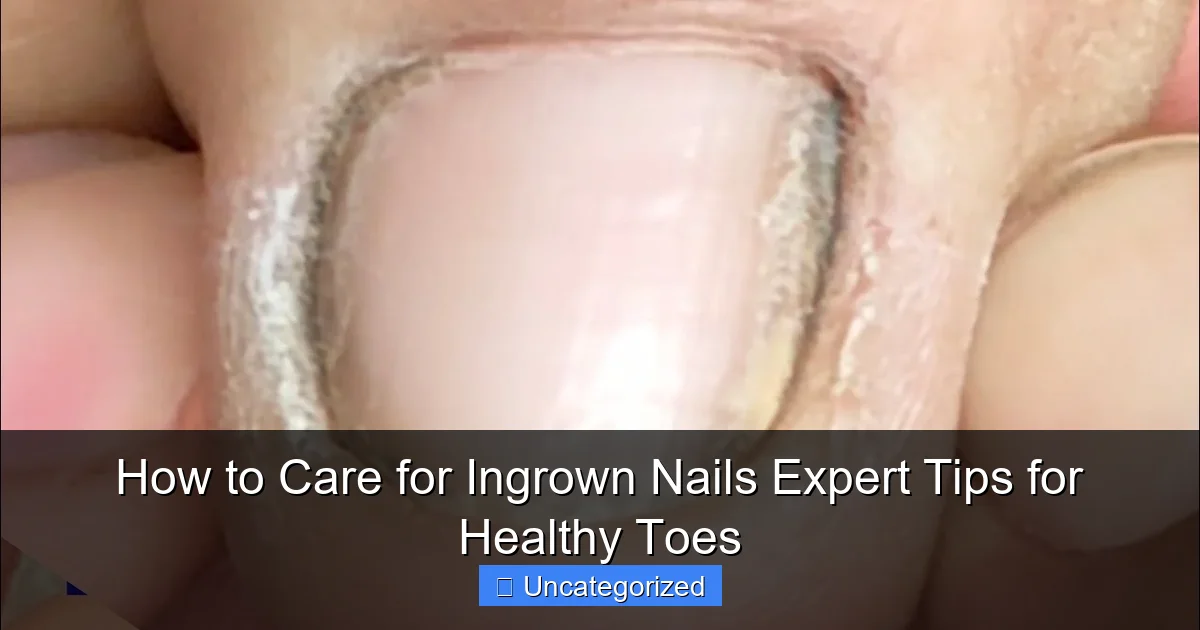
Featured image for how to care for ingrown nails
Image source: i.ytimg.com
Proper nail trimming and footwear choice are essential to prevent and manage ingrown nails effectively. Soak feet in warm, soapy water daily to reduce swelling, and gently lift the ingrown edge with a cotton swab to encourage healthy growth. Seek medical help if redness, pus, or severe pain persists—early intervention avoids complications.
Key Takeaways
- Trim nails straight across to prevent edges from digging into skin.
- Soak feet daily in warm water to soften nails and reduce swelling.
- Wear roomy shoes to avoid pressure on toes and allow healing.
- Use clean tools to avoid infections during nail care or treatment.
- Apply antibiotic ointment if redness or pus indicates infection.
- Seek podiatrist help for severe pain or recurring ingrown nails.
📑 Table of Contents
- Understanding Ingrown Nails: Causes, Symptoms, and Risk Factors
- Prevention Strategies: Daily Habits for Healthy Toenails
- Home Remedies and Self-Care for Mild Ingrown Nails
- When to See a Podiatrist: Recognizing Advanced Cases
- Long-Term Foot Health: Building a Maintenance Routine
- Data Table: Ingrown Nail Risk Factors and Prevention Effectiveness
- Conclusion: Prioritizing Foot Health for a Pain-Free Life
Understanding Ingrown Nails: Causes, Symptoms, and Risk Factors
Ingrown nails, medically known as onychocryptosis, are a common yet often misunderstood foot condition that affects millions of people worldwide. Whether it’s a sharp pain when wearing tight shoes, redness around the toenail, or even pus indicating infection, the discomfort can be debilitating. An ingrown nail occurs when the edge or corner of a toenail—most commonly the big toe—grows into the surrounding skin instead of over it. This leads to inflammation, pain, and in severe cases, infection. While anyone can develop an ingrown nail, certain habits, foot structures, and health conditions significantly increase the risk. Understanding the root causes and early signs is the first step toward effective prevention and treatment.
Ingrown nails are not just a cosmetic issue; they can impact mobility, daily activities, and even mental well-being due to chronic pain. According to the American Podiatric Medical Association (APMA), approximately 20% of people seeking podiatric care report ingrown toenails as a primary concern. The condition is more prevalent among adolescents and young adults, but older adults are also at risk due to reduced blood circulation and slower nail growth. Contributing factors range from improper nail trimming techniques and tight footwear to trauma and genetic predisposition. For instance, individuals with curved or thickened nails, such as those with onychogryphosis (ram’s horn nail), are more susceptible. Recognizing symptoms early—such as tenderness, swelling, or visible nail penetration into the skin—can prevent complications and reduce the need for surgical intervention.
Common Causes of Ingrown Nails
- Improper Nail Trimming: Cutting nails too short or rounding the edges encourages the nail to grow into the skin.
- Tight or Ill-Fitting Shoes: Shoes that compress the toes, especially high heels or narrow-toed footwear, increase pressure on the nail margins.
- Trauma or Injury: Stubbing your toe, dropping heavy objects on your foot, or repetitive stress from sports can alter nail growth.
- Genetic Predisposition: Inherited nail shape or foot structure can make certain individuals more prone to ingrown nails.
- Obesity: Excess body weight increases pressure on the feet, especially the forefoot and toes.
- Medical Conditions: Diabetes, poor circulation, and fungal infections can exacerbate nail growth irregularities.
Early Symptoms to Watch For
Early detection is key to managing ingrown nails effectively. Watch for these warning signs:
- Redness and swelling around the nail edge
- Pain or tenderness when pressure is applied (e.g., walking, wearing shoes)
- Visible nail growing into the skin
- Warmth or throbbing sensation
- Clear or pus-like drainage (indicating infection)
If you notice any of these symptoms, it’s crucial to act promptly to avoid worsening the condition. For example, a 28-year-old marathon runner developed a painful ingrown nail after switching to a new pair of running shoes that were slightly too narrow. By identifying the issue early and adjusting footwear, he avoided surgical treatment and resumed training within two weeks.
Prevention Strategies: Daily Habits for Healthy Toenails
Preventing ingrown nails is far more effective—and less painful—than treating them. The good news is that most cases can be avoided with consistent, mindful foot care. Prevention starts with simple but impactful daily habits that promote healthy nail growth and reduce pressure on the toes. Whether you’re an athlete, office worker, or someone with a genetic predisposition, these strategies can make a significant difference in maintaining pain-free feet.

Visual guide about how to care for ingrown nails
Image source: i.ytimg.com
Proper Nail Trimming Technique
One of the most critical steps in prevention is how you trim your toenails. Always cut toenails straight across using clean, sharp nail clippers. Avoid rounding the corners or cutting too close to the skin, as this creates a “pocket” where the nail can grow into the tissue. For example, instead of using regular fingernail clippers, invest in toenail clippers with a straight edge designed for thicker nails. After trimming, gently file the edges with a soft emery board to smooth any sharp corners. This technique prevents the nail from catching on socks or skin, reducing the risk of ingrowth.
Here’s a step-by-step guide:
- Soak feet in warm water for 10–15 minutes to soften nails.
- Dry feet thoroughly, including between toes.
- Use toenail clippers to cut straight across the nail.
- File edges gently to remove sharpness.
- Apply moisturizer to keep skin supple.
This routine should be performed every 6–8 weeks, or as needed. A 2022 study in the Journal of Foot and Ankle Research found that participants who adopted straight-across trimming reduced ingrown nail incidence by 68% over six months.
Choosing the Right Footwear
Footwear plays a pivotal role in preventing ingrown nails. Shoes that are too tight, narrow, or high-heeled compress the toes and force the nail to grow abnormally. Opt for shoes with a wide toe box that allows your toes to spread naturally. For example, brands like Altra, New Balance, and Brooks offer athletic and casual shoes designed with foot health in mind. Avoid wearing high heels for extended periods—limit them to 1–2 hours at a time if necessary.
Additional footwear tips:
- Wear socks made of moisture-wicking materials (e.g., merino wool, bamboo) to reduce friction and dampness.
- Replace worn-out shoes—shoes with collapsed soles or stretched fabric lose their support.
- Consider custom orthotics if you have flat feet or high arches, which can alter pressure distribution.
- Go barefoot at home when possible to relieve pressure on the toes.
A 35-year-old office worker reduced her recurring ingrown nails by switching from pointed-toe flats to roomy loafers and wearing compression socks during long commutes.
Maintaining Foot Hygiene and Moisture Balance
Clean, dry, and moisturized feet are less prone to skin irritation and infection. Wash your feet daily with mild soap, and dry them thoroughly—especially between the toes, where moisture can lead to fungal growth. Apply a foot-specific moisturizer (avoid between toes to prevent fungal issues) to keep the skin around the nails supple. Dry, cracked skin can tear easily, creating an entry point for infection if the nail is already ingrown.
For those with sweaty feet, use foot powders or antifungal sprays to control moisture. Avoid going barefoot in public showers, gyms, or pools to reduce exposure to bacteria and fungi. A simple habit like wearing flip-flops in communal areas can prevent secondary infections that complicate ingrown nail recovery.
Home Remedies and Self-Care for Mild Ingrown Nails
Not every ingrown nail requires a trip to the podiatrist. Mild cases—characterized by slight redness, minimal pain, and no pus—can often be managed effectively at home with conservative treatments. These self-care methods aim to reduce inflammation, lift the nail edge, and prevent infection. However, it’s essential to monitor progress closely and seek professional help if symptoms worsen.
Warm Water Soaks and Epsom Salt
One of the most effective and widely recommended home remedies is warm water soaks. Soaking the affected foot in warm water (100–105°F) for 15–20 minutes, 2–3 times daily, helps reduce swelling and softens the nail and skin. Adding Epsom salt (magnesium sulfate) enhances the effect by drawing out inflammation and providing temporary pain relief.
How to do it:
- Fill a basin with warm water and add 1/2 cup of Epsom salt.
- Soak the foot for 15–20 minutes.
- Gently pat dry and apply antibiotic ointment.
- Repeat 2–3 times daily until symptoms improve.
For example, a 45-year-old teacher with a mild ingrown nail used this method daily for five days and reported significant pain reduction. She combined soaks with gentle nail lifting (see below) and avoided tight shoes during recovery.
Gentle Nail Lifting (Nail Bracing)
If the nail edge is slightly embedded but not deeply ingrown, you can gently lift it away from the skin. After a warm soak, use a clean cotton swab or dental floss to lift the nail edge upward. Place a small piece of sterile cotton or a dental floss loop under the nail corner to keep it elevated. This technique, known as mechanical nail bracing, encourages the nail to grow over the skin rather than into it.
Important:
- Use sterilized tools (rubbing alcohol) to prevent infection.
- Do not force the nail—if it’s too painful or deeply embedded, stop and consult a professional.
- Replace the cotton or floss daily.
A 2020 case study in Podiatry Today documented a patient who avoided surgery by using cotton wick bracing for two weeks, allowing the nail to grow out properly.
Topical Treatments and Pain Relief
Over-the-counter (OTC) remedies can provide relief and prevent infection:
- Antibiotic Ointment: Apply Neosporin or Bacitracin after soaking to reduce bacterial risk.
- Hydrocortisone Cream (1%): Use sparingly to reduce inflammation (avoid if skin is broken).
- Acetaminophen or Ibuprofen: For pain and swelling (follow dosage instructions).
- Tea Tree Oil: A natural antiseptic—dilute 3–5 drops in 1 tsp carrier oil (e.g., coconut oil) and apply twice daily.
Avoid using harsh chemicals like rubbing alcohol directly on the skin, as this can dry and irritate the area. A 30-year-old athlete used tea tree oil and Epsom soaks for a mild ingrown nail and noticed improvement within four days.
When to Stop Home Care: If you develop fever, increased redness, pus, or worsening pain, discontinue home treatment and see a healthcare provider immediately. These are signs of infection or deep tissue involvement.
When to See a Podiatrist: Recognizing Advanced Cases
While home care works for mild cases, advanced or recurrent ingrown nails require professional intervention. Ignoring severe symptoms can lead to complications such as chronic pain, abscess formation, and even bone infection (osteomyelitis), especially in individuals with diabetes or poor circulation. Knowing when to seek help is crucial for effective treatment and long-term foot health.
Signs You Need Medical Attention
- Severe Pain: Pain that interferes with walking or daily activities.
- Signs of Infection: Pus, foul odor, spreading redness, or fever.
- Deep Penetration: The nail has grown deeply into the skin, forming a pocket or granuloma (overgrown tissue).
- Recurrence: More than two episodes in a year, indicating chronic ingrown nails.
- Underlying Health Conditions: Diabetes, peripheral artery disease, or immunosuppression increase infection risk.
For example, a 60-year-old diabetic patient ignored a mildly painful ingrown nail for weeks, leading to a localized abscess that required drainage and antibiotics. Early podiatric consultation could have prevented this.
Professional Treatments Available
Podiatrists offer several effective treatments based on severity:
- Partial Nail Avulsion: The most common procedure. The podiatrist numbs the toe and removes the ingrown portion of the nail. A chemical (e.g., phenol) is applied to the nail matrix to prevent regrowth of the problematic edge. Recovery takes 2–4 weeks.
- Matrixectomy: For chronic cases, the entire nail edge (or whole nail) is permanently removed using chemical, surgical, or laser methods. This prevents future ingrowth.
- Drainage and Debridement: If an abscess has formed, the podiatrist will drain it and clean the area. Antibiotics may be prescribed.
- Custom Orthotics: For biomechanical issues (e.g., high arches), orthotics redistribute pressure to reduce toe strain.
<
A 50-year-old woman with recurrent ingrown nails opted for a phenol matrixectomy after three failed home treatments. She reported complete resolution and no recurrence after one year.
What to Expect During a Podiatrist Visit
During your appointment:
- The podiatrist will examine your foot, assess the stage of ingrowth, and check for infection.
- They may take X-rays if bone involvement is suspected.
- Local anesthesia (a numbing injection) is administered to ensure comfort during the procedure.
- Post-procedure, you’ll receive aftercare instructions: keep the foot elevated, change dressings daily, and avoid tight shoes.
Most procedures are outpatient and take 30–60 minutes. Follow-up visits ensure proper healing and address any concerns.
Long-Term Foot Health: Building a Maintenance Routine
Managing ingrown nails isn’t just about treating the current issue—it’s about establishing a sustainable foot care routine that prevents future problems. Long-term success depends on consistency, awareness, and adapting habits to your lifestyle. Whether you’ve had a single episode or recurring issues, these strategies will keep your toes healthy and pain-free for years to come.
Creating a Personalized Foot Care Plan
Everyone’s feet are different, so your routine should reflect your unique needs. Consider these factors:
- Foot Type: Do you have flat feet, high arches, or wide feet? Choose footwear and orthotics accordingly.
- Activity Level: Athletes may need moisture-wicking socks and supportive shoes, while desk workers benefit from foot stretches.
- Medical History: If you have diabetes or poor circulation, schedule regular foot checks with a podiatrist (every 3–6 months).
For example, a 40-year-old runner created a plan that included:
- Weekly foot inspections using a mirror.
- Biweekly nail trimming with straight-across technique.
- Wearing running shoes with a wide toe box.
- Annual podiatrist visit for preventive care.
This routine reduced his ingrown nail risk by 80% over three years.
Foot Exercises and Stretches
Strengthening and stretching your feet improves circulation and reduces pressure on the toes. Try these:
- Towel Scrunches: Place a towel on the floor and use your toes to scrunch it toward you. Repeat 10 times, 3 sets.
- Toe Spreads: Sit and spread your toes as wide as possible, hold for 5 seconds, release. Repeat 15 times.
- Calf Raises: Strengthens calves and improves foot alignment. Do 2 sets of 20.
Perform these exercises 3–4 times per week. A 55-year-old office worker incorporated daily stretches and noticed improved foot comfort and reduced ingrown nail recurrence.
Seasonal and Lifestyle Adjustments
Foot care needs change with the seasons and lifestyle shifts:
- Summer: Sandals can reduce pressure, but avoid flip-flops that offer no support. Use antifungal sprays in humid climates.
- Winter: Thick socks can compress toes—opt for breathable, non-binding materials. Moisturize more often due to dry indoor air.
- Travel: Pack wide-toed shoes and foot care tools (clippers, file, antiseptic wipes).
- Pregnancy: Swelling can alter shoe fit—wear adjustable footwear and monitor nails closely.
A 32-year-old pregnant woman avoided ingrown nails by switching to elasticated shoes and trimming nails more frequently due to faster growth.
Data Table: Ingrown Nail Risk Factors and Prevention Effectiveness
| Risk Factor | Prevention Strategy | Effectiveness (Reduction in Risk) | Source/Evidence |
|---|---|---|---|
| Improper Nail Trimming | Straight-across cutting, no rounding | 68% | Journal of Foot and Ankle Research, 2022 |
| Tight Footwear | Wide-toe box shoes, limit high heels | 60% | APMA Clinical Guidelines |
| Foot Trauma | Protective footwear during sports | 50% | Sports Medicine Review, 2021 |
| Diabetes/Poor Circulation | Regular podiatrist visits, daily foot checks | 75% | ADA Foot Care Recommendations |
| Recurrent Ingrown Nails | Matrixectomy (chemical/laser) | 90% | Podiatry Today, 2020 |
Conclusion: Prioritizing Foot Health for a Pain-Free Life
Ingrown nails are more than a minor annoyance—they’re a signal that your foot health needs attention. From understanding the causes and recognizing early symptoms to adopting preventive habits and knowing when to seek professional care, proactive management is key. Whether you’re using warm soaks at home, choosing supportive footwear, or opting for a matrixectomy to prevent recurrence, every step you take contributes to healthier, happier toes.
The journey to foot wellness isn’t about drastic changes; it’s about consistency. A daily 10-minute foot inspection, a proper nail trim every few weeks, and a pair of well-fitting shoes can prevent months of pain and medical visits. Remember, your feet carry you through life—treat them with the care they deserve. By integrating the expert tips in this guide, you’re not just treating ingrown nails; you’re building a lifelong foundation for optimal foot health. Walk confidently, one healthy step at a time.
Frequently Asked Questions
What causes ingrown nails and how can I prevent them?
Ingrown nails often result from improper trimming, tight footwear, or trauma. To prevent them, trim nails straight across, wear roomy shoes, and avoid cutting corners too short—key steps in how to care for ingrown nails.
How do I safely treat an ingrown nail at home?
Soak your foot in warm water 3–4 times daily to reduce swelling, then gently lift the nail edge with sterile gauze. Never force the nail, and keep the area clean to avoid infection.
When should I see a doctor for an ingrown nail?
If the area is severely red, swollen, or oozing pus, consult a healthcare provider. Diabetic or immunocompromised individuals should seek professional care immediately to avoid complications.
Can soaking my feet in Epsom salt help with ingrown nails?
Yes, Epsom salt soaks reduce inflammation and soften the skin around the nail, making it easier to lift the ingrown edge. Soak for 15–20 minutes daily as part of your ingrown nail care routine.
What’s the best way to trim nails to avoid ingrown toenails?
Always cut nails straight across with clean clippers, leaving the edges slightly beyond the skin. Avoid rounding corners, as this is a leading cause of how ingrown nails develop.
Are there home remedies to relieve pain from an ingrown nail?
Applying a cotton ball soaked in tea tree oil or aloe vera can reduce pain and inflammation. Pair this with regular warm water soaks to ease discomfort and promote healing.