
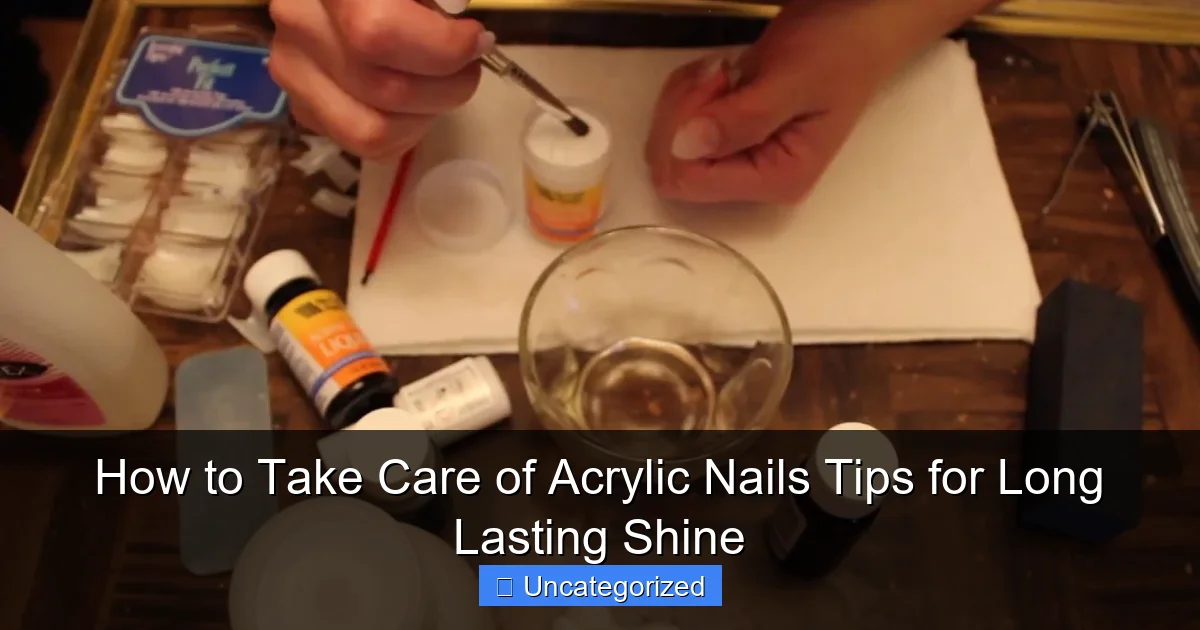
Featured image for how to take care of acrylic nails
Image source: i.ytimg.com
Keep your acrylic nails looking flawless by moisturizing cuticles daily and avoiding harsh chemicals to prevent lifting and breakage. Use a soft buffer and non-acetone polish remover to maintain shine and extend wear without damaging the surface. Regular fills and gentle handling ensure long-lasting, salon-worthy results.
Key Takeaways
- Moisturize daily: Apply cuticle oil to prevent dryness and cracking.
- Avoid harsh chemicals: Wear gloves when cleaning or using strong detergents.
- Limit water exposure: Keep nails dry to prevent lifting and bacterial growth.
- File gently: Use a soft file to maintain shape without damaging edges.
- Refill every 2-3 weeks: Schedule fills to maintain strength and appearance.
- Skip DIY removals: Visit a pro to avoid nail bed damage.
- Buff for shine: Lightly buff nails weekly to restore luster safely.
📑 Table of Contents
- How to Take Care of Acrylic Nails: Tips for Long-Lasting Shine
- Understanding Acrylic Nails: The Foundation of Care
- Daily Maintenance: The Key to Long-Lasting Shine
- Protecting Your Acrylics: Smart Habits for Everyday Life
- Professional Care: Fills, Repairs, and When to Visit the Salon
- Advanced Tips for Maintaining Shine and Strength
- Common Mistakes and How to Avoid Them
How to Take Care of Acrylic Nails: Tips for Long-Lasting Shine
Acrylic nails have become a staple in the beauty world, offering a durable, customizable, and glamorous way to enhance your natural nails. Whether you’re a seasoned acrylic wearer or considering your first set, one thing remains clear: proper care is the key to maintaining their beauty, strength, and longevity. While acrylics are known for their resilience, they aren’t indestructible. Without the right maintenance, they can lift, chip, or even damage your natural nail bed. But with the right knowledge and a few simple habits, you can keep your acrylics looking salon-fresh for weeks—even months.
From the moment your acrylics are applied, they become an extension of your personal style and confidence. Whether you opt for bold colors, intricate nail art, or a classic French tip, your acrylics deserve the same level of attention and care as any other investment in your appearance. This guide dives deep into the essential steps and insider tips for preserving your acrylic nails, ensuring they stay strong, shiny, and healthy throughout their wear. We’ll cover everything from daily maintenance and hygiene to avoiding common pitfalls and knowing when it’s time for a fill or removal. By the end of this post, you’ll have a comprehensive toolkit to keep your acrylics dazzling and your natural nails thriving.
Understanding Acrylic Nails: The Foundation of Care
What Are Acrylic Nails?
Acrylic nails are artificial enhancements made from a combination of liquid monomer and powdered polymer. When mixed, these components form a hard, moldable substance that is applied over your natural nails (or nail tips) and shaped to your desired length and style. Once cured, acrylics create a strong, protective shell that resists chipping and breakage far better than natural nails alone. This durability makes them a popular choice for people with weak or brittle natural nails, or anyone who wants long, dramatic nails without the hassle of growing them out.
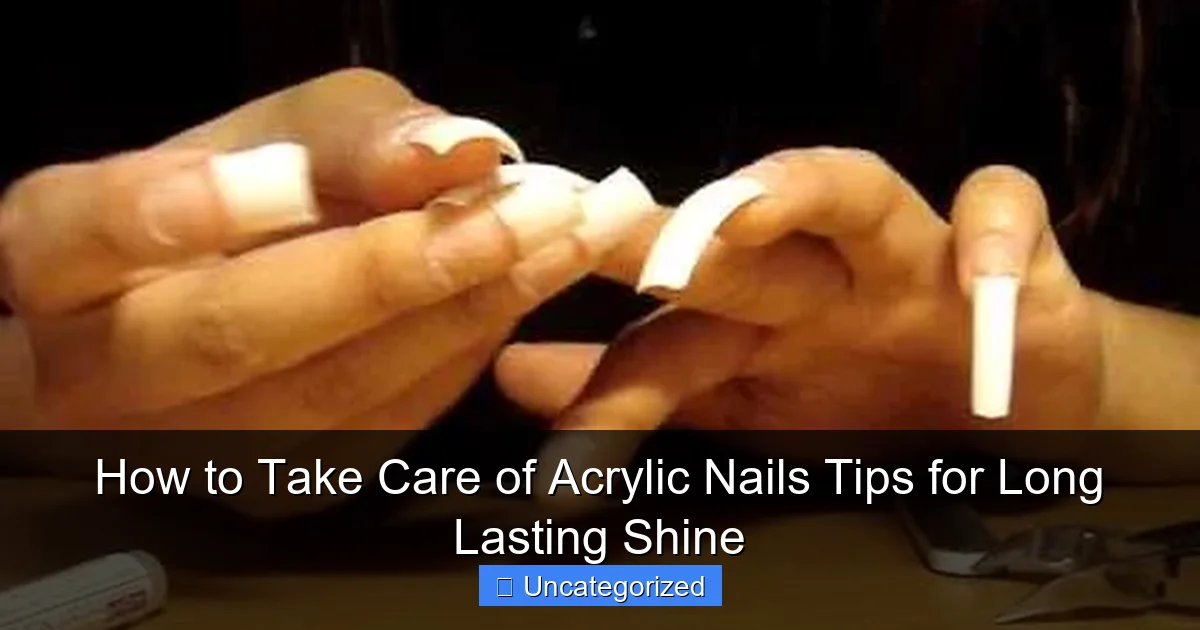
Visual guide about how to take care of acrylic nails
Image source: i.ytimg.com
Acrylics are different from gel nails in that they cure through a chemical reaction rather than UV light. This means they harden instantly when properly mixed, offering immediate strength. However, this also means that improper application—such as using too much monomer or uneven layers—can lead to brittleness, lifting, or yellowing over time. Understanding the composition and application process helps you appreciate why certain care practices are non-negotiable.
Why Proper Care Matters
While acrylics are tough, they require ongoing maintenance to prevent damage to both the artificial and natural nails. Without proper care, several issues can arise:
- Lifting: When the acrylic separates from the natural nail, creating a gap that traps moisture and bacteria.
- Yellowing: Caused by exposure to UV light, smoking, or certain nail polishes and dyes.
- Breakage: Often due to using nails as tools, excessive pressure, or improper filling techniques.
- Infections: Fungal or bacterial growth in the space between the acrylic and natural nail.
- Natural Nail Thinning: Repeated application and removal can weaken the nail bed if not done correctly.
For example, Sarah, a 28-year-old graphic designer, noticed her acrylics lifting after just two weeks. Upon inspection, she realized she was frequently using her nails to open packages and clean her keyboard—habits that put unnecessary stress on the nail edges. Once she started using a proper tool for these tasks and applied cuticle oil daily, her next set lasted over six weeks with minimal issues.
Setting Realistic Expectations
Acrylics aren’t meant to last forever. Most sets require a fill every 2–3 weeks as your natural nails grow out. The gap between the cuticle and the acrylic base becomes more noticeable over time, and if ignored, this gap can harbor dirt and bacteria. Additionally, the acrylic may become uneven or misshapen. Knowing when to schedule a fill—and not waiting too long—is crucial for maintaining both aesthetics and nail health.
Daily Maintenance: The Key to Long-Lasting Shine
Keep Your Nails Clean and Dry
One of the most important aspects of acrylic nail care is hygiene. Moisture trapped under the nail is a breeding ground for bacteria and fungi. To prevent infections and lifting, always dry your hands thoroughly after washing, especially around the nail edges. Use a soft towel to gently press around each nail to remove excess water.
Pro Tip: After showering or washing dishes, take an extra minute to use a cotton swab dipped in rubbing alcohol to clean under the free edge of your acrylics. This helps eliminate any lingering moisture and keeps the nail bed dry.
Moisturize Cuticles and Nail Beds
Even though acrylics cover most of your nail, the skin around them—especially the cuticles—still needs hydration. Dry, cracked cuticles can lead to lifting and discomfort. Apply a high-quality cuticle oil at least once daily, preferably after washing your hands. Look for oils containing jojoba, vitamin E, or almond oil, which are easily absorbed and nourishing.
For best results, massage the oil into the cuticle and nail fold for 30 seconds per hand. This improves blood circulation and encourages healthy nail growth. Consider using a cuticle cream at night for deep hydration, especially in dry climates or during winter months.
Avoid Harsh Chemicals and Excessive Water Exposure
Acrylics are sensitive to prolonged water exposure and strong detergents. Wearing gloves when doing household chores—like washing dishes, cleaning bathrooms, or gardening—is essential. Water can seep under the nail and weaken the bond between acrylic and natural nail, leading to premature lifting.
Similarly, avoid using nail polish removers with acetone unless absolutely necessary. Acetone is highly drying and can cause acrylics to become brittle or discolored. If you must remove polish, use an acetone-free remover and limit use to once a week at most. Always follow up with cuticle oil to rehydrate.
Use Nails as Tools—Never as Tools!
This cannot be stressed enough: do not use your acrylic nails to open cans, peel labels, or scratch off stickers. These actions place extreme pressure on the nail edges and can cause chipping, cracking, or even detachment from the natural nail. Keep a dedicated tool (like a plastic scraper or metal nail file) in your purse or desk drawer for such tasks.
Example: Maria, a busy mom, used her nails to open snack bags for her kids. After just one week, two of her acrylics cracked at the tip. Once she started using scissors instead, her next set remained intact for the full three weeks before her fill.
Protecting Your Acrylics: Smart Habits for Everyday Life
Wear Gloves for All Wet Work
Whether you’re scrubbing the sink, gardening, or doing laundry, gloves are your best defense. Opt for reusable rubber or latex gloves with a cotton liner for comfort. For dishwashing, choose gloves that extend past the wrist to prevent water from running down your arm and under the nails.
Bonus Tip: Keep a pair of gloves in your kitchen, bathroom, and car for easy access. You’re more likely to use them if they’re within reach.
Limit Exposure to UV Light and Heat
Prolonged exposure to UV light (from the sun or tanning beds) can cause acrylics to yellow, especially if they’re white or light-colored. Similarly, high heat from blow dryers, stoves, or hot water can weaken the structure over time. To protect your nails:
- Apply sunscreen to your hands when going outside.
- Use oven mitts when handling hot cookware.
- Keep hands away from direct heat sources, like car vents or space heaters.
If you’re a frequent beachgoer or tanning enthusiast, consider using a UV-protective top coat specifically formulated for acrylics. These products create a barrier that reduces discoloration.
Choose the Right Nail Products
Not all nail products are safe for acrylics. Avoid:
- Acetone-based removers: Use sparingly, only when needed.
- Low-quality polishes: Cheap polishes may contain harsh solvents that degrade acrylic over time.
- Heavy glitter or thick gel polishes: These can add unnecessary weight, increasing the risk of breakage.
Instead, opt for salon-grade products designed for artificial nails. Look for brands like OPI, CND, or Essie, which offer long-wearing, non-damaging formulas. For added shine, apply a high-gloss top coat every 3–4 days. This not only enhances appearance but also creates a protective layer against minor scratches and stains.
Protect Nails During Physical Activities
If you play sports, work out, or engage in manual labor, take extra precautions. Wear fingerless gloves or athletic tape on the tips of your nails during activities like weightlifting, rock climbing, or yoga. Even simple tasks like typing or playing an instrument can wear down acrylics over time. Use a soft keyboard cover or finger pads to reduce friction.
Professional Care: Fills, Repairs, and When to Visit the Salon
Scheduling Regular Fills
The golden rule for acrylic maintenance is a fill every 2–3 weeks. This involves:
- Filing down the old acrylic around the cuticle area.
- Reapplying new acrylic to fill the gap created by natural nail growth.
- Re-shaping and buffing for a seamless look.
Waiting longer than 3 weeks increases the risk of lifting, infection, and damage to the natural nail. During a fill, your nail technician should also check for any signs of damage, discoloration, or fungal growth. Never attempt to do a fill at home unless you’re a trained professional—improper filling can lead to uneven thickness and structural weakness.
Handling Minor Repairs
Small chips or cracks can happen, but they don’t always require a full salon visit. For minor damage:
- Use a fine-grit buffer (180–240 grit) to smooth the chipped area.
- Apply a thin layer of clear nail glue or acrylic monomer to seal the crack.
- Buff again and apply a top coat for shine.
For larger breaks or lifting, it’s best to see a professional. Attempting to glue a lifted nail at home can trap bacteria and worsen the problem. A technician can safely remove the lifted portion, clean the nail bed, and reapply acrylic properly.
When to Remove Acrylics
Acrylics should not be worn indefinitely. Most professionals recommend a “break” of 2–4 weeks after every 2–3 months of continuous wear. This allows your natural nails to breathe, recover, and regain strength. Signs it’s time to remove:
- Persistent lifting or separation.
- Yellowing or discoloration that doesn’t improve.
- Pain, swelling, or foul odor (signs of infection).
- Natural nails becoming thin or flaky.
Never pull or peel off acrylics yourself. This can tear off layers of your natural nail. Always have them professionally removed using a gentle soaking method with acetone or a non-acetone remover, followed by buffing and cuticle care.
Advanced Tips for Maintaining Shine and Strength
Use a High-Quality Top Coat
A good top coat does more than add shine—it protects your color and prevents chipping. Look for a non-yellowing, long-wear top coat with UV protection. Apply a fresh layer every 3–4 days to maintain a high-gloss finish. For extra durability, consider a gel-like top coat that cures with a UV lamp (if your salon offers it).
Buff for a Mirror Finish
Even after polish, acrylics can lose their shine due to daily wear. Use a buffing block (with four sides of varying grits) to restore luster:
- Side 1 (coarse): Remove minor scratches.
- Side 2 (medium): Smooth the surface.
- Side 3 (fine): Create a soft shine.
- Side 4 (polish): Achieve a mirror-like finish.
Buff gently in one direction—never saw back and forth. Finish with a dab of cuticle oil to seal in moisture.
Store Nail Products Properly
To extend the life of your nail products:
- Keep polishes in a cool, dark place (not in the bathroom).
- Close bottles tightly to prevent evaporation.
- Shake polishes well before use to avoid separation.
Old or dried-out polish can leave streaks or bubbles on acrylics, affecting their appearance.
Hydrate from Within
Healthy nails start from the inside. Drink plenty of water and eat a balanced diet rich in biotin, vitamin E, and omega-3 fatty acids. Foods like eggs, nuts, salmon, and leafy greens support strong nail growth. Consider a daily biotin supplement (1,000–2,500 mcg) to boost nail strength—especially during acrylic breaks.
Common Mistakes and How to Avoid Them
Ignoring Early Signs of Damage
Small lifts or chips can quickly become big problems if ignored. Check your nails weekly for:
- White or yellow spots under the acrylic.
- Soft or spongy texture.
- Discomfort when pressing the nail.
Address issues early—schedule a repair or fill at the first sign of trouble.
Over-Buffing or Using Coarse Files
Excessive filing can thin the acrylic, making it more prone to breakage. Use fine-grit files (240+ grit) and avoid filing in one spot for too long. Never file the natural nail aggressively during a fill.
Skipping Cuticle Care
Many people focus on the acrylic but neglect the cuticle. Dry, cracked cuticles can lead to lifting and pain. Make cuticle oil part of your nightly routine.
Using DIY Removal Kits
While tempting, at-home acrylic removal kits often use harsh chemicals or improper techniques. They can damage your natural nails and cause long-term issues. Always opt for professional removal.
| Care Task | Frequency | Recommended Product/Method |
|---|---|---|
| Apply cuticle oil | Daily | Jojoba or vitamin E oil |
| Wear gloves for chores | Every time | Rubber or latex gloves |
| Buff nails | Every 2–3 weeks | Four-way buffer block |
| Top coat refresh | Every 3–4 days | High-gloss, non-yellowing top coat |
| Acrylic fill | Every 2–3 weeks | Professional salon visit |
| Acrylic removal & break | Every 2–3 months | Professional soak-off + 2–4 week break |
Taking care of acrylic nails isn’t just about looking good—it’s about maintaining the health of your natural nails while enjoying the confidence that comes with beautiful, long-lasting enhancements. By following a consistent daily routine, protecting your nails from physical and chemical stressors, and scheduling regular professional care, you can extend the life of your acrylics and keep them looking salon-fresh for weeks on end. Remember, acrylics are a luxury, not a liability. With the right habits, they can be a sustainable, stylish choice that enhances your everyday life.
Invest in quality products, listen to your nails, and never underestimate the power of prevention. Whether you’re rocking a classic nude, a bold neon, or intricate 3D nail art, your acrylics deserve the best care possible. So go ahead—flaunt your shine, but do it wisely. Your hands will thank you, and your nails will stay strong, beautiful, and healthy for years to come.
Frequently Asked Questions
How do I make my acrylic nails last longer?
To make your acrylic nails last longer, avoid using them as tools to open or scrape things, and always wear gloves during chores. Regularly moisturize cuticles and apply a strengthening top coat every few days to maintain durability and shine.
What’s the best way to maintain the shine on acrylic nails?
Keep your acrylic nails shiny by wiping them with a non-acetone cleanser after exposure to dirt or oils. Apply a glossy top coat weekly to restore the long lasting shine and protect the surface from scratches.
Can I use hand sanitizer with acrylic nails?
Yes, but limit frequent use as alcohol-based sanitizers can dry out your cuticles and weaken the adhesive. Moisturize afterward with cuticle oil to counteract dryness and preserve your acrylic nails’ integrity.
How often should I fill in my acrylic nails?
Schedule a fill every 2-3 weeks to address natural nail growth and prevent lifting. This routine upkeep ensures your acrylic nails stay secure and look fresh between salon visits.
Are there daily habits to protect acrylic nails?
Yes—avoid prolonged water exposure, apply cuticle oil daily, and file edges gently to prevent snags. These small habits help maintain the strength and appearance of your acrylic nails.
How do I prevent acrylic nails from lifting or chipping?
Prevent lifting by keeping your hands dry and avoiding harsh chemicals. If you notice a chip, file it gently and apply a clear top coat to seal the edge before it worsens.