
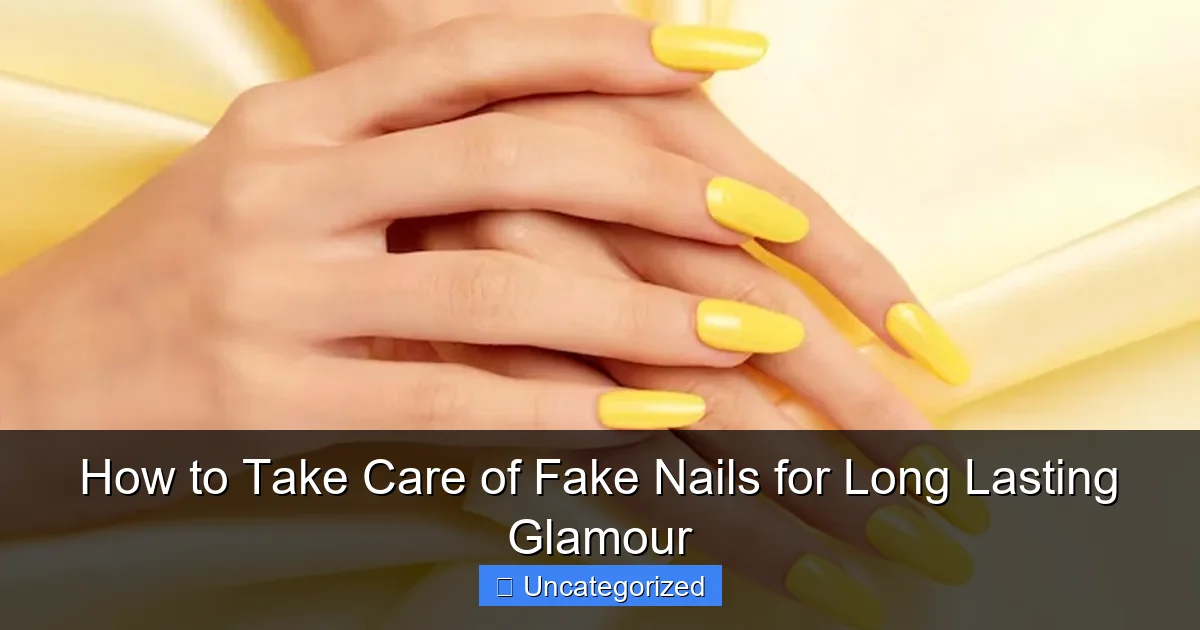
Featured image for how to take care of fake nails
Image source: images.herzindagi.info
Proper maintenance is the key to extending the life of your fake nails and keeping them looking flawless. Avoid excessive water exposure, wear gloves during chores, and apply cuticle oil daily to prevent lifting and maintain shine. Regular fills and gentle handling ensure long-lasting glamour without damage.
Key Takeaways
- Moisturize cuticles daily to prevent dryness and maintain nail health.
- Avoid harsh chemicals by wearing gloves during cleaning tasks.
- Limit water exposure to prevent lifting and prolong wear time.
- Use non-acetone remover to safely remove fake nails without damage.
- File gently to shape edges without weakening the adhesive bond.
- Inspect regularly for lifting or damage and fix early to avoid breakage.
- Schedule breaks between applications to let natural nails recover fully.
📑 Table of Contents
- How to Take Care of Fake Nails for Long Lasting Glamour
- 1. Choosing the Right Type of Fake Nails for Your Lifestyle
- 2. Daily Maintenance Tips to Extend Nail Life
- 3. Preventing and Treating Common Problems
- 4. Professional Care: When to Visit the Nail Salon
- 5. Long-Term Nail Health: Giving Your Natural Nails a Break
- 6. Quick Reference: Fake Nail Care Schedule & Product Guide
- Conclusion
How to Take Care of Fake Nails for Long Lasting Glamour
Fake nails, also known as artificial or acrylic nails, are a popular way to achieve a flawless, polished look without waiting for natural nails to grow. Whether you opt for acrylics, gel extensions, press-ons, or dip powder nails, maintaining their beauty and longevity requires proper care. While fake nails can elevate your style and boost confidence, neglecting them can lead to lifting, chipping, infections, or damage to your natural nail bed. The good news? With the right habits, tools, and knowledge, you can keep your fake nails looking salon-fresh for weeks—sometimes even months.
From choosing the right type of fake nails to daily maintenance and troubleshooting common issues, this comprehensive guide will walk you through every step to ensure your glamorous look lasts. Whether you’re a first-time fake nail wearer or a seasoned pro, these tips and tricks will help you extend the life of your manicure, protect your natural nails, and maintain that head-turning shine. So, let’s dive into the world of artificial nail care and discover how to keep your fingertips looking flawless.
1. Choosing the Right Type of Fake Nails for Your Lifestyle
Before you can care for your fake nails, it’s essential to select the type that best suits your lifestyle, nail health, and aesthetic preferences. Not all fake nails are created equal—each type has unique care requirements, durability, and removal methods. Making the right choice from the start can prevent future problems and simplify your maintenance routine.
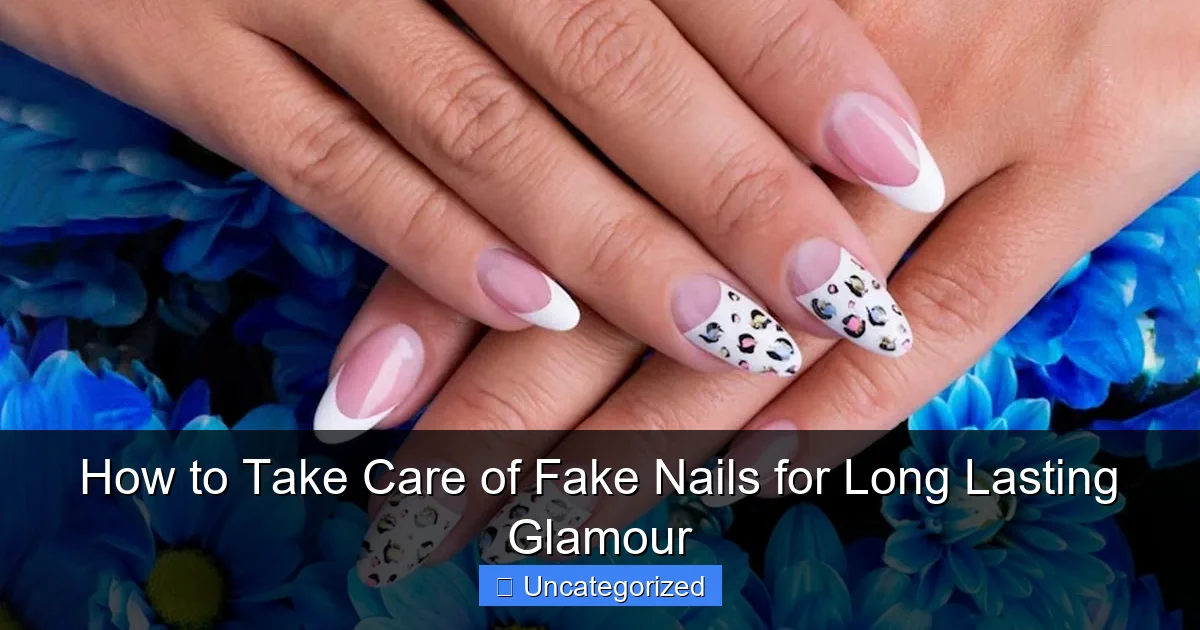
Visual guide about how to take care of fake nails
Image source: images.herzindagi.info
Acrylic Nails: Durable but Demanding
Acrylic nails are a classic choice made from a combination of liquid monomer and powder polymer, which hardens into a strong, long-lasting overlay. They’re ideal for people who want long extensions and a sturdy finish. Best for: those with weak natural nails or those who frequently use their hands. However, acrylics require regular fills every 2–3 weeks due to natural nail growth, and they can be prone to lifting if not maintained properly. Tip: Opt for a reputable nail technician who uses quality products and ensures proper adhesion to avoid air pockets that lead to lifting.
Gel Nails: Flexible and Natural-Looking
Gel extensions or gel overlays are cured under a UV or LED lamp, resulting in a glossy, flexible, and lightweight finish. They’re less brittle than acrylics and often feel more comfortable. Best for: people who want a natural look with moderate durability. Gel nails typically last 2–4 weeks and require less frequent fills than acrylics. However, they can still lift or peel if exposed to excessive water or harsh chemicals. Tip: Choose a high-quality builder gel for added strength and use a base coat to protect your natural nail.
Press-On Nails: Convenient and Reusable
Press-on nails have surged in popularity thanks to their ease of use, affordability, and variety of designs. They can be applied at home with adhesive tabs or nail glue and removed without damage. Best for: those who want a temporary look or frequently change styles. While they’re not as durable as salon-grade options, modern press-ons can last up to 2 weeks with proper care. Tip: Use a dehydrator and primer before applying to increase adhesion and longevity.
Dip Powder Nails: Long-Lasting and Low-Odor
Dip powder nails involve layering colored powder over a base coat and sealing with an activator. They’re odorless, durable, and chip-resistant. Best for: people with sensitive skin or those who dislike the smell of acrylics. Dip nails can last 3–4 weeks but require professional removal to avoid damaging the natural nail. Tip: Ensure your technician uses fresh, uncontaminated powder to prevent infections.
Hybrid Options: Gel-Infused Acrylics or Soft Gels
Some salons now offer hybrid options that combine the strength of acrylics with the flexibility of gels. These are ideal for those who want the best of both worlds. Best for: people who need durability but want a more natural feel. These require specialized care and should only be removed by a professional.
2. Daily Maintenance Tips to Extend Nail Life
Once your fake nails are applied, daily care is crucial to prevent premature lifting, chipping, or breakage. Think of your nails as a delicate accessory—they need protection, hydration, and attention to stay in top condition. Here are practical, easy-to-follow tips for everyday maintenance.
Moisturize Your Cuticles and Nail Beds
Dry cuticles and nail beds can lead to lifting and discomfort. Apply cuticle oil at least twice a day, especially after washing hands or using hand sanitizer. Look for oils with jojoba, vitamin E, or almond oil, which penetrate deeply and nourish the nail matrix. Pro tip: Use a cuticle pusher to gently push back cuticles every few days, but never cut them—this can cause infections.
Wear Gloves During Household Chores
Water, detergents, and cleaning chemicals are the #1 enemies of fake nails. Prolonged exposure can weaken the adhesive, cause lifting, or lead to fungal growth. Always wear rubber gloves when washing dishes, cleaning, or gardening. For extra protection, use a pair of cotton liner gloves under rubber ones to absorb sweat and prevent moisture buildup.
Limit Exposure to Water and Harsh Chemicals
Even with gloves, avoid soaking your hands in hot water for long periods (e.g., long baths, hot tubs). Hot water softens the adhesive and can cause nails to loosen. Similarly, avoid using acetone-based nail polish removers or harsh solvents near your nails. If you must clean your nails, use a non-acetone remover and a soft cotton pad.
Use a Nail Buffer for Minor Scratches
Over time, fake nails can develop surface scratches or lose their shine. Use a fine-grit buffer (180–400 grit) to gently smooth out imperfections and restore luster. Avoid over-buffing, as this can thin the nail and weaken it. For gel or dip powder nails, you can also apply a fresh top coat every 3–4 days to maintain shine.
Keep Your Hands Hydrated
Hydrated hands mean healthier nails. Apply a rich hand cream at night and wear cotton gloves to lock in moisture. This not only prevents dry, cracked skin but also reduces the risk of nail lifting. Look for creams with hyaluronic acid, shea butter, or ceramides for deep hydration.
Be Mindful of Nail Usage
Fake nails are not tools—don’t use them to open cans, peel labels, or pry things open. This puts unnecessary stress on the nail and can cause breakage. Use your fingertips or a tool instead. If you accidentally snag a nail, apply a drop of nail glue to seal the edge and prevent further damage.
3. Preventing and Treating Common Problems
Even with the best care, issues like lifting, chipping, or infections can occur. Knowing how to identify and address these problems early can save your manicure and protect your natural nails.
Lifting: The Silent Manicure Killer
Lifting happens when the fake nail separates from the natural nail, creating a pocket for bacteria and moisture. Causes include improper application, excessive water exposure, or using nails as tools. Treatment: If lifting is minor (less than 2mm), clean the area with alcohol, apply a drop of nail glue, and press firmly for 30 seconds. For severe lifting, see your technician to avoid infections. Prevention: Avoid water exposure, use a dehydrator before application, and don’t pick at the edges.
Chipping and Breakage
Chipping often occurs at the free edge due to impact or poor-quality products. Treatment: Use a nail repair kit with a patch or fiberglass wrap for minor breaks. For larger breaks, trim the damaged section and apply a new tip. Prevention: Choose a durable top coat (e.g., a gel top coat) and avoid rough activities.
Discoloration or Yellowing
Yellowing is common with acrylics and can be caused by smoking, dark nail polishes, or poor-quality products. Treatment: Soak nails in a mixture of hydrogen peroxide and baking soda (1:2 ratio) for 5–10 minutes. For stubborn stains, use a whitening toothpaste and soft toothbrush. Prevention: Apply a base coat before dark polishes and avoid smoking.
Fungal or Bacterial Infections
Lifting or poor hygiene can lead to infections, signaled by pain, swelling, or green/black discoloration. Treatment: Remove the fake nail immediately and consult a dermatologist. Use antifungal creams if prescribed. Prevention: Keep nails dry, sanitize tools, and avoid sharing nail files or buffers.
Allergic Reactions
Some people develop allergies to nail products (e.g., methacrylates in acrylics). Symptoms include redness, itching, or peeling. Treatment: Stop using the product and see a doctor. Prevention: Do a patch test before full application and opt for hypoallergenic products.
4. Professional Care: When to Visit the Nail Salon
While daily maintenance is crucial, professional care is equally important for long-term nail health. Regular salon visits ensure your fake nails stay strong, safe, and beautiful.
Schedule Fills or Refills Every 2–3 Weeks
As your natural nail grows, the gap at the base of your fake nail widens. Acrylic and gel nails require fills every 2–3 weeks to maintain adhesion and prevent lifting. During a fill, your technician will buff the surface, clean the gap, and apply fresh product. Skipping fills increases the risk of breakage and damage.
Get Regular Nail Health Checks
Your technician can spot early signs of lifting, infections, or nail bed damage. They’ll also ensure your natural nails are growing properly and not being suffocated by the artificial overlay. Tip: If you notice ridges, thinning, or discoloration under the fake nail, schedule an appointment immediately.
Professional Removal is a Must
Never peel or bite off fake nails—this can tear off layers of your natural nail. Always have them removed by a professional using acetone soak-off (for gels) or careful filing (for acrylics). For dip powder nails, the technician will use a drill to gently remove layers without damaging the nail bed.
Ask About Nail Strengthening Treatments
Many salons offer keratin or vitamin-infused treatments to strengthen natural nails between fake nail sessions. These can help restore health and prevent brittleness. Example: A “nail rehab” treatment with biotin and calcium can be done every 4–6 weeks.
Choose a Reputable Technician
Not all nail salons follow proper hygiene practices. Look for a licensed technician who uses sterile tools, fresh products, and follows safety protocols. Check online reviews and ask about their sanitation practices (e.g., autoclave for metal tools, single-use files).
5. Long-Term Nail Health: Giving Your Natural Nails a Break
While fake nails are a fantastic way to express your style, long-term wear can weaken your natural nails. Periodic breaks are essential to maintain nail health and prevent permanent damage.
Take a 2–4 Week Break Every 3–6 Months
Continuous wear of fake nails can lead to thinning, peeling, or nail bed damage. Take a break every 3–6 months to let your natural nails breathe and recover. During this time, focus on nail-strengthening treatments, cuticle care, and gentle filing.
Use Nail Strengthening Products
During your break, use a nail hardener or ridge filler with ingredients like calcium, keratin, or silk proteins. Avoid products with formaldehyde, which can make nails brittle over time. Tip: Apply a base coat daily to protect and strengthen natural nails.
Maintain a Nail Care Routine
Even without fake nails, keep up with daily care: moisturize cuticles, wear gloves during chores, and file nails in one direction to prevent splitting. A healthy routine ensures your natural nails are strong enough for your next set of fake nails.
Monitor Nail Growth and Texture
Use this break to assess your natural nail health. Look for signs of improvement (e.g., reduced peeling, smoother surface) or lingering issues (e.g., discoloration, ridges). If problems persist, consult a dermatologist.
Consider Alternatives During Breaks
If you can’t go without polished nails, opt for regular manicures with gel polish (which is easier to remove than extensions) or high-quality press-ons that can be changed weekly.
6. Quick Reference: Fake Nail Care Schedule & Product Guide
To help you stay organized, here’s a data table summarizing key care tasks, frequencies, and product recommendations.
| Task | Frequency | Recommended Products | Notes |
|---|---|---|---|
| Apply cuticle oil | Twice daily | Jojoba oil, Vitamin E oil | Massage into base of nails |
| Moisturize hands | Nightly | Shea butter cream, Ceramide lotion | Wear cotton gloves for deep hydration |
| Buff nails | Every 5–7 days | 180–400 grit buffer | Use light pressure |
| Apply fresh top coat | Every 3–4 days | UV-cured gel top coat, Matte top coat | Prevents chipping and adds shine |
| Wear gloves | During chores | Rubber gloves with cotton liners | Change liners if damp |
| Fill appointments | Every 2–3 weeks | N/A | Schedule in advance |
| Nail break | Every 3–6 months | Nail hardener, Ridge filler | Duration: 2–4 weeks |
Conclusion
Taking care of fake nails is an art that combines daily habits, professional maintenance, and long-term nail health awareness. From choosing the right type of artificial nails to preventing lifting, chipping, and infections, every step plays a role in keeping your manicure glamorous and your natural nails healthy. By moisturizing cuticles, wearing gloves, scheduling fills, and taking periodic breaks, you can enjoy the confidence and beauty of fake nails without compromising nail health.
Remember, fake nails are an extension of your personal style—but they should never come at the cost of your natural nails. With the tips and schedule outlined in this guide, you’re equipped to maintain long-lasting, stunning nails that turn heads for all the right reasons. Whether you’re rocking acrylics, gels, or press-ons, prioritize care, listen to your nails, and never underestimate the power of a well-maintained manicure. Here’s to flawless fingertips and endless glamour!
Frequently Asked Questions
How long do fake nails last, and how can I make them last longer?
Fake nails typically last 2–3 weeks with proper care. To extend their wear, avoid prolonged water exposure, use gloves for chores, and apply cuticle oil daily to prevent lifting.
Can I take care of fake nails without damaging my natural nails?
Yes! Always moisturize your cuticles with oil and avoid picking or forcing them off. Gently file the underside to remove glue residue and let your natural nails breathe between applications.
What’s the best way to clean fake nails to maintain their shine?
Use a soft brush with warm water and mild soap to clean under the nails, then buff with a non-alcohol-based nail cleanser. Avoid acetone, as it can dull or weaken the material.
How do I prevent fake nails from lifting or chipping?
Prevent lifting by keeping nails dry and applying a clear top coat every 3–4 days. Use the “how to take care of fake nails” rule: minimize water exposure and wear gloves for wet tasks.
Can I use regular nail polish on fake nails?
Yes, but always use a base coat to protect the material and a quick-dry top coat to seal edges. Avoid dark polishes without a base, as they may stain acrylic or gel overlays.
How should I remove fake nails safely?
Soak them in acetone for 10–15 minutes, gently lift with a cuticle pusher, and never pull them off. Follow with a nourishing oil treatment to hydrate your natural nails afterward.