
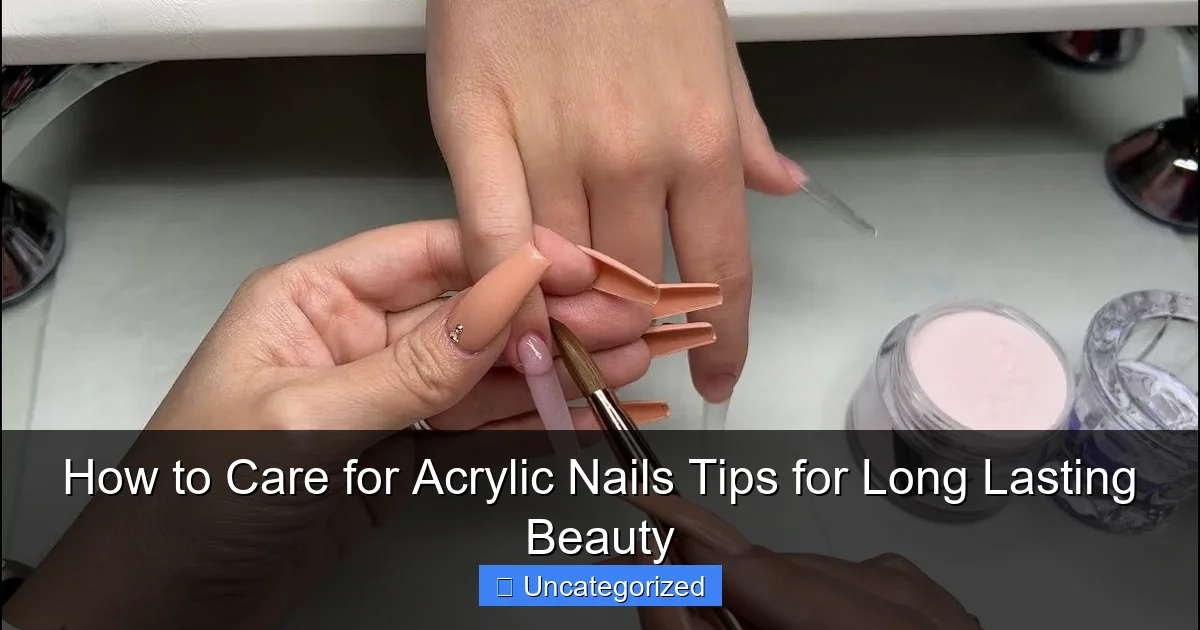
Featured image for how to care for acrylic nails
Image source: i.ytimg.com
Proper maintenance is essential to keep acrylic nails looking flawless and lasting longer. Avoid using your nails as tools and always wear gloves during chores to prevent chipping, lifting, and moisture damage, which can weaken the acrylic and harm your natural nails. Regular moisturizing and professional fills every 2–3 weeks ensure strength, shine, and long-term beauty.
Key Takeaways
- Moisturize daily: Apply cuticle oil to keep nails and skin hydrated.
- Avoid harsh chemicals: Wear gloves when cleaning to protect acrylics.
- Limit water exposure: Keep nails dry to prevent lifting and damage.
- Refill every 2-3 weeks: Maintain strength and prevent breakage with fills.
- Skip DIY removals: Always visit a pro to avoid nail bed harm.
- File gently: Use a soft file to shape without cracking acrylics.
📑 Table of Contents
- How to Care for Acrylic Nails: Tips for Long Lasting Beauty
- Understanding Acrylic Nails: The Foundation of Care
- Daily Maintenance: The Key to Longevity
- Weekly and Monthly Care: Deep Maintenance
- Product Recommendations: The Right Tools for the Job
- Common Mistakes and How to Avoid Them
- Special Considerations: Lifestyle and Seasonal Care
- Conclusion: Embrace the Art of Acrylic Care
How to Care for Acrylic Nails: Tips for Long Lasting Beauty
Acrylic nails have become a staple in the world of beauty, offering a durable, customizable, and glamorous solution for those seeking flawless fingertips. Whether you’re a first-time wearer or a seasoned acrylic enthusiast, one thing is certain: proper care is the key to maintaining their beauty and longevity. Without the right attention, even the most perfectly applied set can chip, lift, or break prematurely, leading to frustration and wasted investment. The good news? With the right techniques and habits, you can keep your acrylics looking salon-fresh for weeks—sometimes even up to three weeks between fills.
From understanding the science behind acrylics to adopting a tailored aftercare routine, this guide will walk you through every step of the process. We’ll cover everything from the do’s and don’ts of daily maintenance to the best products for hydration, repair, and protection. Whether you’re rocking stiletto, coffin, or almond shapes, these tips will help you extend the life of your nails while keeping your natural nail bed healthy. So, if you’re ready to transform your acrylics from high-maintenance to high-performing, read on to discover how to care for acrylic nails like a pro.
Understanding Acrylic Nails: The Foundation of Care
Before diving into care techniques, it’s essential to understand what acrylic nails are and how they work. Acrylics are a combination of liquid monomer and powdered polymer that chemically bond to form a hard, sculpted extension over your natural nail. This material is strong, versatile, and customizable—ideal for those who want length, strength, or intricate nail art. However, their durability depends not just on application but also on how well you maintain them post-application.
Visual guide about how to care for acrylic nails
Image source: i.ytimg.com
How Acrylics Differ from Other Nail Enhancements
Unlike gel nails, which cure under UV light and are more flexible, acrylics are rigid and more resistant to chipping. They’re also easier to repair and refill, making them a popular choice for people with weak or brittle natural nails. However, this rigidity means they can put more stress on the natural nail if not properly maintained. For example, a poorly applied or overfilled acrylic can create pressure points, leading to lifting or breakage.
- Gel Nails: Softer, more flexible, but prone to peeling and less durable under heavy use.
- Acrylic Nails: Harder, more durable, but require more maintenance to prevent lifting and cracking.
- Dip Powder: Less damaging to natural nails but can be bulkier and harder to remove.
Why Proper Care Is Crucial
Acrylics create a sealed environment over your natural nail, which can trap moisture and bacteria if not managed. This increases the risk of fungal infections or nail plate damage. Additionally, the gap between your cuticle and the acrylic (called the free edge) is vulnerable to lifting, especially when exposed to water, heat, or impact. Without consistent care, even minor lifting can lead to major damage over time.
For instance, imagine wearing acrylics while gardening without gloves. The constant exposure to soil, moisture, and physical strain can cause the acrylic to lift at the cuticle, creating a breeding ground for bacteria. A simple habit like wearing gloves can prevent this entirely.
Daily Maintenance: The Key to Longevity
Your acrylics are an investment—both financially and aesthetically. To protect that investment, daily care is non-negotiable. The goal is to minimize stress on the nails, prevent lifting, and maintain hygiene. Here’s how to build a daily routine that works.
Hydrate, Hydrate, Hydrate
The #1 rule in acrylic care is hydration. Dry nails, natural or enhanced, are prone to brittleness and lifting. Use a cuticle oil at least twice daily—morning and night. Look for oils enriched with:
- Jojoba oil (mimics natural skin oils)
- Vitamin E (antioxidant that strengthens)
- Tea tree oil (antifungal properties)
Apply the oil by gently massaging it into the cuticle and the base of the acrylic. This improves blood circulation, keeps the skin supple, and reduces the risk of hangnails. For example, brands like OPI ProSpa Cuticle Oil or CND SolarOil are salon favorites for their fast absorption and long-lasting hydration.
Gentle Cleaning and Hygiene
Wash your hands with mild soap and lukewarm water. Avoid hot water, which can weaken the adhesive bond between the acrylic and natural nail. After washing, pat your hands dry with a soft towel—never rub, as this can cause microfractures in the acrylic surface.
Use a soft-bristled nail brush to clean under the free edge. This removes debris and bacteria that could cause lifting. For example, after eating greasy food, a quick brush under the nails prevents buildup that might weaken the seal.
Protect Against Impact and Moisture
Acrylics are strong, but not indestructible. Avoid using your nails as tools (e.g., opening cans, scraping stickers). Wear gloves during chores like dishwashing, gardening, or cleaning, where chemicals and water are involved. Prolonged exposure to water softens the natural nail, making it easier for the acrylic to lift.
Tip: Keep a pair of cotton-lined rubber gloves in your kitchen and bathroom for quick access. For example, a Playtex Living Gloves pair offers a snug fit and protects against harsh detergents.
Weekly and Monthly Care: Deep Maintenance
While daily care keeps your acrylics looking fresh, weekly and monthly routines address deeper issues like lifting, discoloration, and natural nail health. These steps are critical for extending the lifespan of your set beyond the standard 2–3 weeks.
Weekly Soak and Scrub
Once a week, soak your nails in warm (not hot) water with a few drops of antibacterial soap for 10–15 minutes. This softens debris and makes cleaning easier. After soaking, use a wooden cuticle stick to gently push back cuticles and clean under the free edge. Follow with a hydrating hand mask or a rich hand cream (e.g., L’Occitane Shea Butter Hand Cream) to lock in moisture.
Example: A weekly soak after a busy workweek removes accumulated grime from typing, writing, or handling documents, which can otherwise lead to lifting.
Monthly Fill and Inspection
Acrylics grow out with your natural nail, creating a gap at the cuticle. Most salons recommend a fill every 2–3 weeks, but you can extend this to 3–4 weeks with proper care. During a fill, the technician removes lifted areas, refills the gap, and reshapes the nail. Skipping fills can lead to:
- Increased risk of breakage
- Natural nail damage
- Difficulty in future removals
Between fills, inspect your nails weekly for signs of lifting, discoloration, or cracks. If you notice a small lift, apply a tiny amount of nail glue (e.g., Kiss Nail Glue) and press the acrylic down. This is a temporary fix—schedule a salon visit as soon as possible.
Addressing Discoloration and Stains
Acrylics can yellow due to UV exposure, smoking, or dark polishes. To prevent this:
- Apply a base coat before using dark nail polish
- Use a UV-protectant top coat (e.g., Seche Vite Dry Fast Top Coat)
- Avoid smoking or wearing acrylics while using tanning beds
For existing stains, gently buff the surface with a fine-grit buffer (180–240 grit) and apply a whitening treatment. Never use harsh chemicals like bleach—they weaken the acrylic structure.
Product Recommendations: The Right Tools for the Job
Not all nail products are created equal. Using the wrong tools or treatments can damage your acrylics or natural nails. Here’s a curated list of essentials for effective care.
Top 5 Must-Have Products
| Product | Key Features | Best For |
|---|---|---|
| Cuticle Oil (e.g., CND SolarOil) | Jojoba oil + vitamin E, fast-absorbing | Daily hydration, cuticle health |
| Nail Glue (e.g., Kiss Nail Glue) | Strong hold, dries clear, brush-on | Emergency lifts, minor repairs |
| UV-Protective Top Coat (e.g., Seche Vite) | High-gloss, prevents yellowing | Long-term polish preservation |
| Fine-Grit Buffer (180–240 grit) | Smooths surface without scratching | Stain removal, shine enhancement |
| Antifungal Treatment (e.g., Dr.’s Remedy Nail Polish) | Contains tea tree oil, non-toxic | Preventing fungal infections |
DIY vs. Professional Products
While DIY remedies (e.g., olive oil, vinegar soaks) are tempting, they often lack the precision of professional-grade products. For example:
- Olive oil: Can be too heavy, trapping bacteria
- Vinegar soaks: May weaken acrylics over time
Invest in salon-quality tools for best results. A $10 cuticle oil lasts months and prevents costly repairs.
Common Mistakes and How to Avoid Them
Even experienced acrylic wearers make mistakes. Here are the top pitfalls and how to sidestep them.
Using Nails as Tools
Acrylics are not hammers or screwdrivers. Using them to open packages, pry open lids, or scrape surfaces causes micro-cracks. Example: Trying to remove a price tag with your nail edge can create a split that grows over time. Instead, use a credit card or scissors.
Ignoring Lifting
A small lift might seem harmless, but it’s a gateway for water, bacteria, and debris. If left untreated, lifting can lead to full separation or fungal infections. Always address lifts immediately—even if it means a quick salon visit.
Overfilling or Over-Buffing
Excessive filing during fills thins the acrylic, making it fragile. Similarly, over-buffing at home weakens the surface. Let your technician handle shaping, and only buff at home for minor shine touch-ups.
Harsh Removal Methods
Never peel or pry off acrylics. This tears off layers of your natural nail, causing long-term damage. Always visit a professional for removal, or use a 100% acetone soak-off method at home (with proper ventilation and cotton wraps).
Skipping Fills
Delaying fills by more than 4 weeks risks natural nail damage. As the gap grows, the acrylic becomes a lever, increasing pressure on the nail bed. Schedule fills proactively—don’t wait until the acrylic cracks.
Special Considerations: Lifestyle and Seasonal Care
Your lifestyle and environment play a big role in acrylic longevity. Here’s how to adapt your care routine to different scenarios.
For Active Lifestyles
If you play sports, swim, or work with your hands, extra protection is key:
- Wear fingerless gloves during workouts
- Apply a waterproof top coat (e.g., Essie Good to Go)
- Rinse nails with clean water after swimming (chlorine weakens acrylics)
Example: A swimmer should shower immediately after pool sessions and apply cuticle oil to counteract chlorine effects.
Winter Care
Cold, dry air dehydrates nails and skin. In winter:
- Use a humidifier at home
- Apply hand cream after every handwash
- Wear gloves in cold weather
Tip: Keep a travel-sized cuticle oil in your purse for on-the-go hydration.
Travel Tips
Pack a nail emergency kit: cuticle oil, nail glue, buffer, and a mini file. Avoid exposing acrylics to extreme temperatures (e.g., leaving your bag in a hot car), which can cause warping.
Conclusion: Embrace the Art of Acrylic Care
Acrylic nails are more than a beauty statement—they’re a commitment to self-care and attention to detail. By understanding the science behind acrylics, adopting a daily maintenance routine, and avoiding common mistakes, you can enjoy salon-worthy nails for weeks at a time. Remember, the secret to long-lasting beauty isn’t just in the application; it’s in the care you give your nails every day.
From hydrating with cuticle oil to protecting your nails during chores, each small action adds up. Whether you’re a busy professional, an active athlete, or a creative artist, these tips can be tailored to fit your lifestyle. And with the right products—like a quality top coat, nail glue, and fine-grit buffer—you’ll have the tools to tackle any challenge.
Ultimately, caring for acrylic nails is an investment in confidence and self-expression. When your nails look flawless, you feel unstoppable. So, take the time to nurture them, and they’ll reward you with beauty, strength, and durability. After all, great nails aren’t just about how they’re applied—they’re about how well you care for them. Now, go out there and let your acrylics shine!
Frequently Asked Questions
How do I care for acrylic nails to make them last longer?
To care for acrylic nails, keep them clean and dry, avoid excessive water exposure, and use gloves when doing chores. Regularly apply cuticle oil to maintain flexibility and prevent lifting.
Can I use nail polish remover on acrylic nails?
Yes, but only use acetone-free nail polish remover to avoid damaging the acrylic. Acetone can weaken the structure and cause brittleness over time.
How often should I fill in my acrylic nails?
Schedule a fill-in every 2-3 weeks to maintain the look and integrity of your acrylic nails. This prevents gaps where bacteria can grow and reduces the risk of breakage.
What’s the best way to clean under acrylic nails?
Use a soft nail brush and soapy water to gently clean under your acrylic nails daily. Avoid sharp tools, as they can damage the nail bed or lift the acrylic.
How to care for acrylic nails in winter to prevent cracking?
Moisturize your hands and nails frequently with cuticle oil and hand cream to combat dry winter air. Wearing gloves in cold weather also helps protect your acrylic nails.
Are there any activities I should avoid with acrylic nails?
Avoid using your acrylic nails as tools (e.g., opening cans) to prevent cracks or breaks. Also, limit prolonged exposure to heat or chemicals, which can weaken the acrylic over time.