
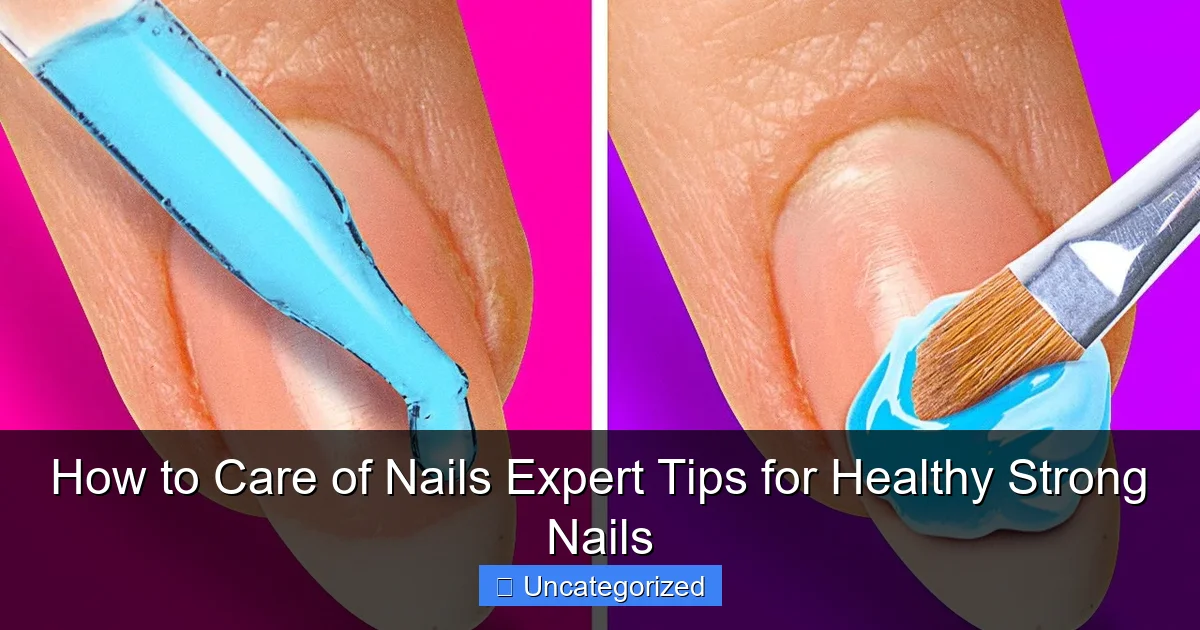
Featured image for how to care of nails
Image source: i.ytimg.com
Keep your nails clean, dry, and well-moisturized to prevent breakage and infections—this foundational habit supports long-term nail health. Trim regularly, use a strengthening base coat, and avoid harsh chemicals to maintain strong, resilient nails that grow faster and look professionally cared for.
Key Takeaways
- Moisturize daily: Apply cuticle oil to keep nails flexible and prevent cracking.
- Trim regularly: Cut nails straight across to avoid ingrown edges and splits.
- Wear gloves: Protect hands during chores to shield nails from water and chemicals.
- Eat nail-friendly foods: Boost strength with biotin-rich foods like eggs and nuts.
- Limit polish time: Give nails breaks to prevent yellowing and brittleness.
- Hydrate nails: Drink water and use hand cream to maintain moisture balance.
📑 Table of Contents
- How to Care of Nails: Expert Tips for Healthy Strong Nails
- Understanding Nail Anatomy and Health Indicators
- Daily Nail Care Routine for Maximum Strength
- Nutrition and Supplements for Stronger Nails
- Protecting Nails from Damage and Wear
- Treating Common Nail Problems
- When to See a Professional and Advanced Treatments
How to Care of Nails: Expert Tips for Healthy Strong Nails
Your nails are more than just a canvas for the latest nail art trends—they’re a window into your overall health. Strong, well-maintained nails not only look polished but can also signal proper nutrition, good hygiene, and a balanced lifestyle. However, brittle, peeling, or discolored nails are a common complaint, affecting millions worldwide. Whether you’re a busy professional, a parent on the go, or someone who loves experimenting with nail polish, understanding how to care of nails is essential for keeping them strong, healthy, and beautiful.
From daily habits to professional treatments, nail care goes far beyond just applying a top coat. It involves a holistic approach that includes diet, hydration, proper grooming, and protection from environmental stressors. In this comprehensive guide, we’ll walk you through expert-backed strategies for maintaining healthy nails. We’ll cover everything from the anatomy of nails and why they matter, to practical routines, common problems, and even how to choose the right products. Whether you’re dealing with splitting, slow growth, or just want to prevent future damage, this guide will equip you with the knowledge to transform your nail care game. Let’s dive into the world of how to care of nails with actionable, science-backed tips.
Understanding Nail Anatomy and Health Indicators
The Science Behind Healthy Nails
Nails are made of a tough protein called keratin, the same substance that forms your hair and the outer layer of your skin. Each nail is composed of several parts: the nail plate (the visible hard part), the nail bed (the skin beneath), the cuticle (a thin layer of skin at the base), and the lunula (the crescent-shaped white area near the cuticle). The nail matrix, located under the cuticle, is responsible for nail growth—new cells form here and push older cells forward, creating the nail’s length.
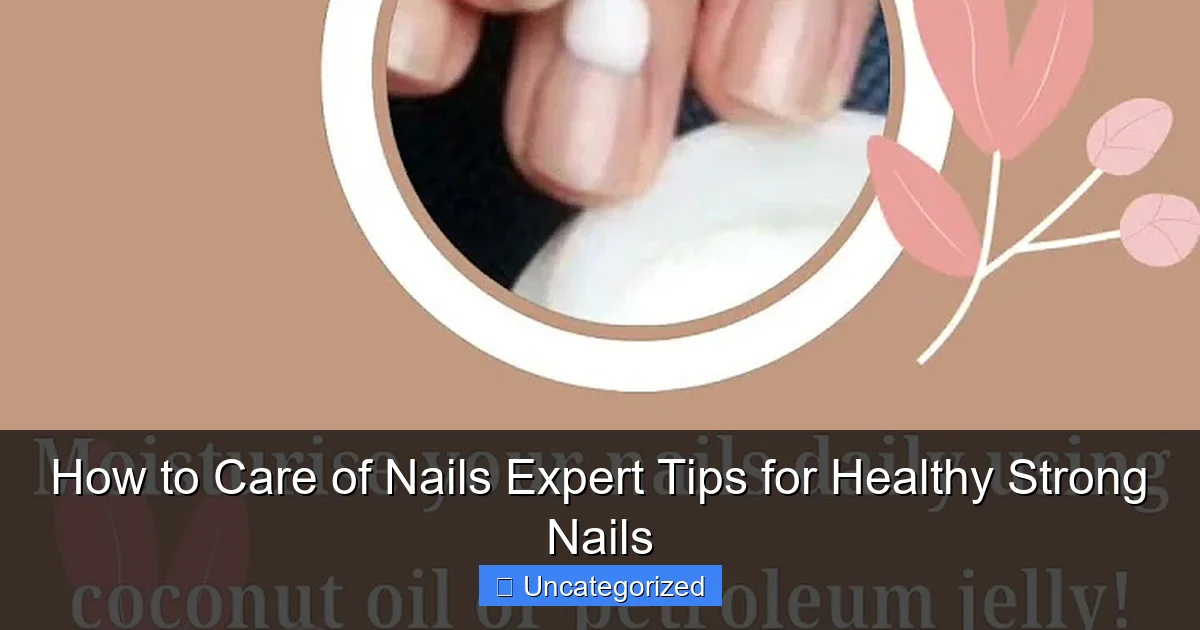
Visual guide about how to care of nails
Image source: i.ytimg.com
Healthy nails should be smooth, slightly convex, and free of discoloration, ridges, or pits. The average fingernail grows about 3 millimeters per month, while toenails grow about 1 millimeter. Growth can vary based on age, season (faster in summer), circulation, and overall health. Understanding this structure is the first step in mastering how to care of nails effectively.
What Your Nails Reveal About Your Health
Nails can act as early warning signs for underlying health conditions. For example:
- Yellow nails may indicate fungal infections, psoriasis, or thyroid issues.
- Vertical ridges are often a normal part of aging but can signal vitamin deficiencies (like B12 or iron).
- Horizontal ridges (Beau’s lines) may appear after illness, injury, or chemotherapy.
- Spoon-shaped nails (koilonychia) can be a sign of iron deficiency or heart disease.
- Brittle or splitting nails are commonly linked to frequent wetting and drying, thyroid problems, or nutritional gaps.
While not every nail change is a cause for alarm, persistent abnormalities should be evaluated by a healthcare provider. Monitoring your nails regularly helps you catch potential issues early and adjust your care routine accordingly.
Why Nail Care Is More Than Cosmetic
Beyond aesthetics, proper nail care supports hand hygiene and prevents infections. Cracked or peeling nails create entry points for bacteria and fungi, increasing the risk of paronychia (a nail fold infection). Well-groomed nails also improve dexterity and self-confidence. For those who work with their hands—chefs, healthcare workers, artists—strong, clean nails are essential for both function and safety. By learning how to care of nails, you’re not just enhancing appearance—you’re investing in long-term health.
Daily Nail Care Routine for Maximum Strength
Gentle Cleansing and Moisturizing
One of the most overlooked aspects of how to care of nails is daily cleansing and hydration. Just like your skin, nails and cuticles need moisture to stay flexible and strong. Harsh soaps and frequent handwashing can strip natural oils, leading to dryness and brittleness.
Tips for effective cleansing:
- Wash hands with lukewarm water and a mild, sulfate-free soap.
- Use a soft nail brush to gently scrub under the nails and around the cuticles—never use metal tools.
- Pat dry thoroughly, especially in the nail folds, to prevent moisture buildup that encourages fungal growth.
- Apply a nourishing hand cream or cuticle oil immediately after drying. Look for ingredients like shea butter, jojoba oil, vitamin E, and hyaluronic acid.
For extra hydration, try the “occlusive method”: apply a thick hand cream before bed and wear cotton gloves overnight. This traps moisture and enhances absorption, ideal for those with extremely dry nails.
Proper Nail Trimming and Filing
How you trim and file your nails significantly impacts their health. Improper techniques can cause splitting, peeling, and even ingrown nails.
- Trim after showering when nails are softer and less likely to crack.
- Use sharp, clean nail clippers or scissors. Avoid using dull tools, which can crush the nail.
- Trim straight across, especially for toenails, to reduce the risk of ingrown nails. Slightly round the corners of fingernails for a natural shape.
- File in one direction with a fine-grit (180–240 grit) glass or crystal file. Never saw back and forth, as this creates micro-fractures.
- Keep nails at a moderate length—too long increases breakage risk, too short exposes the nail bed to trauma.
Pro tip: If you have brittle nails, file them every 3–4 days instead of trimming. This reduces stress on the nail plate.
Cuticle Care: To Push or Not to Push?
Cuticles protect the nail matrix from bacteria and debris. Over-trimming or cutting them can lead to infections and weak nail growth.
- Soak your hands in warm water for 5–10 minutes to soften the cuticles.
- Use a wooden cuticle pusher (never a metal one) to gently push back loose skin.
- Never cut cuticles unless they’re visibly overgrown and loose. If you must, use sterile cuticle nippers and trim only dead skin.
- Apply cuticle oil daily—preferably one with jojoba or almond oil—to keep the area supple.
Remember: the cuticle is a natural barrier. Treat it with care, and your nails will thank you.
Nutrition and Supplements for Stronger Nails
Essential Nutrients for Nail Health
You can’t have strong nails without a strong nutritional foundation. Nails are made of protein, but they also require a balance of vitamins, minerals, and healthy fats to grow properly.
- Protein: The building block of keratin. Include lean meats, eggs, beans, tofu, and Greek yogurt in your diet.
- Vitamin B7 (Biotin): A key player in nail strength. Found in eggs, nuts, sweet potatoes, and salmon. Biotin supplements (1000–2500 mcg daily) are often recommended for brittle nails.
- Iron: Deficiency causes spoon-shaped nails. Eat spinach, red meat, lentils, and pair with vitamin C (like citrus) to boost absorption.
- Omega-3 Fatty Acids: Found in fatty fish, flaxseeds, and walnuts, they reduce inflammation and support nail flexibility.
- Zinc: Supports cell growth and repair. Oysters, pumpkin seeds, and chickpeas are excellent sources.
- Vitamin C: Essential for collagen production, which strengthens the nail bed. Bell peppers, oranges, and kiwi are rich in C.
A balanced diet rich in whole foods is the best way to nourish your nails from within. Crash diets or extreme restrictions can lead to slow growth and brittleness.
Hydration: The Overlooked Hero
Dehydration doesn’t just affect your skin—it impacts your nails too. When your body lacks water, nails become dry, brittle, and prone to splitting.
- Drink at least 8–10 glasses of water daily.
- Limit dehydrating beverages like alcohol and caffeine.
- Use a humidifier in dry environments (especially during winter) to prevent moisture loss.
- Apply a hydrating hand cream with glycerin or urea to lock in moisture.
One study published in the Journal of Cosmetic Dermatology found that participants who increased water intake saw a 15% improvement in nail strength after 12 weeks. Hydration is a simple yet powerful part of how to care of nails.
Top Nail Supplements to Consider
While diet should always come first, supplements can help fill gaps, especially for those with deficiencies or slow nail growth.
- Biotin (Vitamin B7): The most popular nail supplement. Clinical studies show it can increase nail thickness by up to 25%.
- Collagen Peptides: Supports nail bed health and may improve growth rate.
- Multivitamins with B-complex and Zinc: A good option for those with poor diets.
- Fish Oil (Omega-3s): Reduces inflammation and improves nail texture.
Always consult a healthcare provider before starting supplements, especially if you have underlying health conditions or take medications.
Protecting Nails from Damage and Wear
Avoiding Common Nail Stressors
Daily activities can wreak havoc on your nails. Understanding and mitigating these stressors is crucial for long-term health.
- Wet work: Frequent exposure to water (dishwashing, cleaning) softens nails and promotes peeling. Always wear waterproof gloves.
- Chemical exposure: Harsh detergents, acetone-based removers, and nail hardeners can dehydrate nails. Use acetone-free removers and wear gloves when handling chemicals.
- Trauma: Typing, opening cans, or using nails as tools can cause micro-trauma. Use fingertips instead of nails for tasks.
- Heat and cold: Extreme temperatures make nails brittle. Wear gloves in cold weather and avoid direct heat (like hair dryers) on nails.
For professionals (e.g., nurses, baristas), consider wearing gloves during shifts and applying a protective nail strengthener at night.
Safe Nail Polish and Removal Practices
Nail polish isn’t inherently harmful, but improper use can damage nails.
- Use a base coat to prevent staining, especially with dark or red polishes.
- Choose polishes free of formaldehyde, toluene, and DBP (“toxic trio”).
- Limit polish use to 2–3 weeks at a time. Give nails a “break” for at least a week every month.
- Remove polish with acetone-free removers, which are gentler on the nail plate.
- After removal, apply a nail and cuticle oil to restore moisture.
For gel or dip powder nails, visit licensed professionals. Improper application or removal can cause severe damage. Never pick or peel off gels—this removes layers of your natural nail.
Protecting Nails at Work and Play
Different activities require different protections:
- Gardening: Wear cotton-lined gloves to prevent soil and moisture exposure.
- Sports (golf, tennis): Use padded gloves to reduce impact on fingertips.
- Travel: Carry a small cuticle oil and travel-sized hand cream. Airplane cabins are extremely dry.
- Sleep: Apply a thick hand cream and wear cotton gloves to enhance overnight repair.
Remember: prevention is always better than repair when learning how to care of nails.
Treating Common Nail Problems
Brittle and Peeling Nails
Brittle nails are one of the most common complaints. Causes include frequent wetting/drying, nutritional deficiencies, and aging.
- Apply a nail strengthener with ingredients like nylon fibers, calcium, or silk proteins.
- Use a nail hardener sparingly—overuse can make nails too rigid and prone to cracking.
- Moisturize with a product containing dimethicone, a silicone that forms a protective barrier.
- Consider a biotin supplement (1000–2500 mcg/day) for 3–6 months.
Example: A 35-year-old woman with peeling nails after switching to a vegan diet saw improvement after adding biotin and increasing her intake of lentils and almonds.
Fungal Infections and Discoloration
Fungal infections (onychomycosis) affect about 10% of adults and are more common in toenails. Symptoms include yellowing, thickening, and crumbling.
- Keep nails clean and dry. Change socks daily and use antifungal sprays in shoes.
- Over-the-counter antifungal creams (like clotrimazole) may help mild cases.
- For severe infections, see a dermatologist. Prescription oral antifungals (like terbinafine) are often needed.
- Disinfect nail tools regularly and avoid sharing them.
Prevention tip: Dry feet thoroughly after showers and wear breathable footwear.
Slow Nail Growth
If your nails aren’t growing, check for:
- Thyroid issues (hypothyroidism slows growth)
- Iron deficiency
- Chronic stress
- Medications (like chemotherapy drugs)
Boost growth with a balanced diet, biotin, and gentle massage to improve blood flow to the nail bed.
When to See a Professional and Advanced Treatments
Signs You Need a Dermatologist
While most nail issues can be managed at home, some require professional care:
- Persistent pain, swelling, or redness (possible infection)
- Sudden changes in nail shape, color, or texture
- Nail separation from the bed (onycholysis)
- Black or purple streaks (could indicate melanoma)
- No improvement after 3 months of home care
A dermatologist can perform tests (like a nail biopsy) and recommend targeted treatments.
Advanced Treatments and Procedures
For stubborn or severe issues, dermatologists offer:
- Laser therapy: For fungal infections, especially when oral meds aren’t an option.
- Nail avulsion: Surgical removal of a damaged or infected nail.
- Nail grafts: For severe trauma or congenital defects.
- Prescription topical solutions: Like ciclopirox, for fungal treatment.
These treatments are typically covered by insurance when medically necessary.
| Treatment | Best For | Duration | Side Effects |
|---|---|---|---|
| Oral Terbinafine | Fungal infections | 6–12 weeks (fingers), 12–16 weeks (toes) | Mild: nausea, rash. Rare: liver issues |
| Laser Therapy | Fungal infections, nail psoriasis | 1–3 sessions, 4–8 weeks apart | Temporary redness, minimal pain |
| Biotin Supplements | Brittle nails, slow growth | 3–6 months for visible results | None at recommended doses |
| Collagen Peptides | Weak nail bed, aging nails | 8–12 weeks | Rare: digestive upset |
Professional Manicures: Pros and Cons
Salon manicures can be relaxing and improve nail appearance, but they come with risks:
- Pros: Expert shaping, cuticle care, and access to high-quality products.
- Cons: Risk of infection from unsterilized tools, over-filing, and chemical exposure.
Choose salons with strict hygiene practices. Bring your own tools if possible, and avoid aggressive cuticle cutting.
Mastering how to care of nails is a blend of science, routine, and awareness. From understanding nail anatomy to choosing the right foods, protecting your hands, and knowing when to seek help, every step contributes to stronger, healthier nails. Remember, nail health is a marathon, not a sprint. Consistency in your daily habits—moisturizing, protecting, and nourishing—will yield the best results over time. Whether you’re battling brittleness or simply want to maintain your natural strength, the tips in this guide provide a solid foundation. Start small: pick one or two changes to implement today, and build from there. Your nails—and your overall health—will thank you.
Frequently Asked Questions
How to care of nails to prevent splitting and peeling?
Keep nails hydrated by applying cuticle oil daily and wearing gloves during chores. Avoid harsh chemicals and excessive water exposure to maintain natural moisture levels.
What are the best ways to strengthen weak nails?
Use a nail strengthener with keratin or biotin, and maintain a protein-rich diet. Limit polish remover use to once a week and opt for acetone-free formulas.
How often should I trim and file my nails for optimal nail care?
Trim every 1-2 weeks and file weekly in one direction to prevent splitting. Always use a fine-grit file to avoid micro-tears in the nail plate.
Can diet really impact how to care of nails effectively?
Yes, deficiencies in biotin, iron, or vitamins A and C can cause brittle nails. Incorporate foods like eggs, nuts, spinach, and citrus fruits for stronger, healthier nails.
How do I properly moisturize my nails and cuticles?
Massage cuticle oil or hand cream into nails and cuticles nightly. For deep hydration, wear cotton gloves after application to lock in moisture overnight.
What are common mistakes to avoid in daily nail care?
Don’t use nails as tools, bite them, or skip base coats. Over-filing or frequent gel manicures without breaks can also weaken nails long-term.