
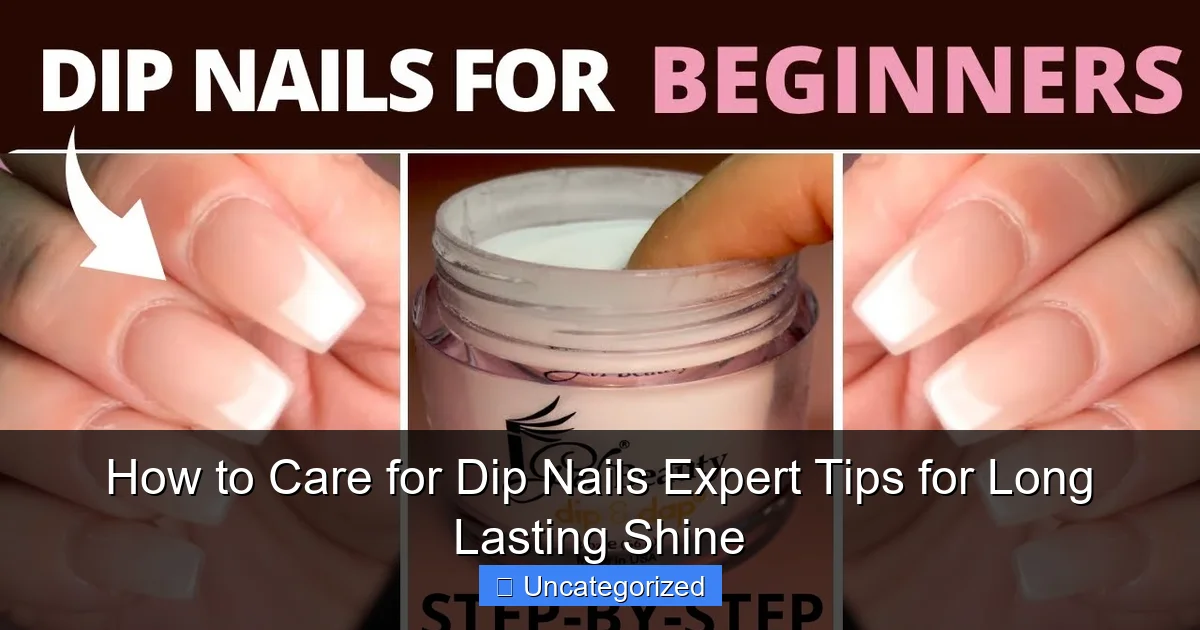
Featured image for how to care for dip nails
Image source: i.ytimg.com
Proper aftercare is essential to maximize the lifespan and shine of your dip nails, starting with applying cuticle oil daily to prevent lifting and maintain flexibility. Avoid prolonged water exposure and wear gloves during chores to protect the polish and keep your manicure looking fresh for weeks.
Key Takeaways
- Moisturize daily: Apply cuticle oil to keep nails hydrated and prevent chipping.
- Wear gloves: Protect dip nails from harsh chemicals and water during chores.
- Buff gently: Lightly buff nails monthly to maintain shine and smooth texture.
- Avoid acetone: Use non-acetone polish remover to preserve dip powder integrity.
- Refill every 2-3 weeks: Schedule touch-ups to prevent lifting and breakage.
- Skip peeling: Never peel off dip powder; file it off to avoid damage.
📑 Table of Contents
- How to Care for Dip Nails: Expert Tips for Long-Lasting Shine
- Understanding How Dip Nails Work and Why Care Matters
- Daily Habits to Protect Your Dip Nails
- Weekly Maintenance Routine for Optimal Shine
- Protecting Your Dip Nails in Challenging Environments
- When and How to Remove Dip Nails Safely
- Data Table: Dip Nail Care Schedule
- Conclusion: Shine Bright, Last Long
How to Care for Dip Nails: Expert Tips for Long-Lasting Shine
Dip nails have taken the beauty world by storm, offering a durable, chip-resistant alternative to traditional manicures. Unlike gel or acrylics, dip powder manicures use a layering technique involving colored powders and a bonding agent, resulting in a finish that can last up to four weeks—or even longer with proper care. Whether you’re a seasoned dip nail enthusiast or considering your first appointment, one thing is clear: longevity and shine depend heavily on how you treat your nails post-application. The beauty of dip nails lies not just in their aesthetic appeal but in their practicality. They’re perfect for busy professionals, brides, or anyone who wants a flawless manicure without constant touch-ups.
However, the secret to keeping your dip nails looking salon-fresh isn’t just about the initial application. It’s about the daily habits, protective measures, and aftercare routines that preserve their integrity. From avoiding common mistakes to knowing when to remove them properly, caring for dip nails requires a thoughtful, proactive approach. This guide will walk you through expert-backed tips and practical advice to ensure your dip nails stay vibrant, strong, and shiny for weeks on end. Whether you’re rocking a classic French tip, bold glitter, or subtle nude, these strategies will help you maximize your investment and keep your hands looking their best.
Understanding How Dip Nails Work and Why Care Matters
The Science Behind Dip Powder Manicures
Dip nails, also known as dip powder or SNS (Signature Nail Systems) nails, use a multi-step process that combines liquid activator, base coat, and colored dip powder. Unlike gel polish, which is cured under a UV or LED lamp, dip powders harden when they come into contact with the activator—a chemical reaction that creates a strong, durable layer. The process typically involves:
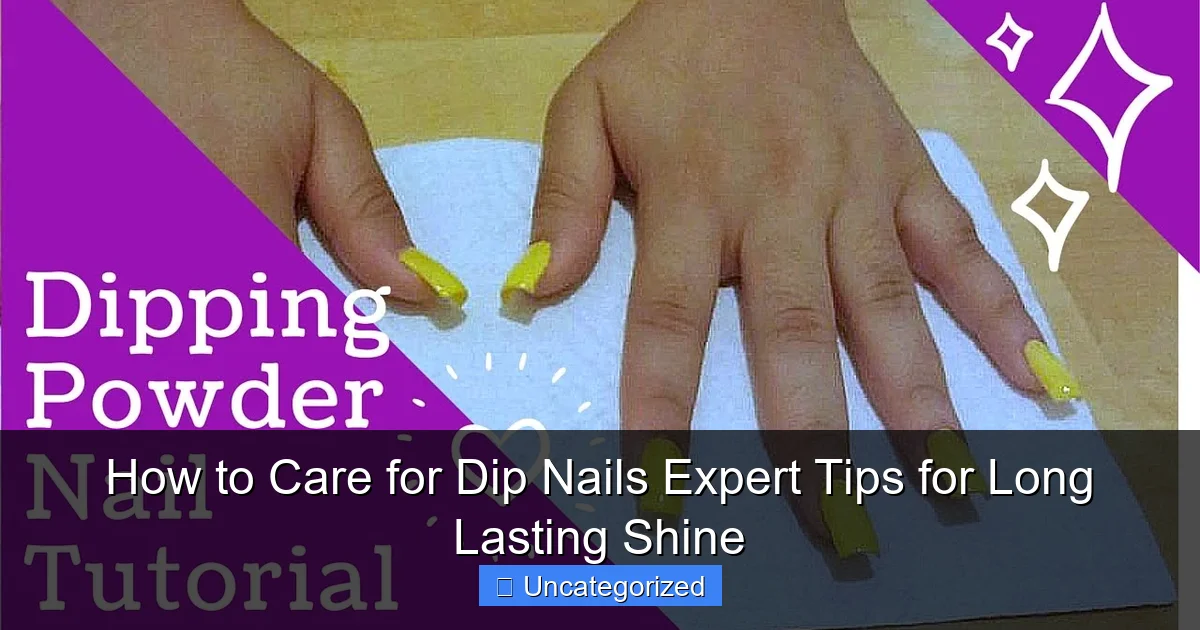
Visual guide about how to care for dip nails
Image source: i.ytimg.com
- Prepping the nail (shaping, pushing back cuticles, dehydrating)
- Applying a base coat
- Dipping the nail into colored powder
- Reapplying base and powder for multiple layers (usually 2–3)
- Sealing with a top coat and activator
- Buffing and polishing for shine
<
Because the powder bonds directly to the nail plate and forms a rigid, protective shell, dip nails are less prone to chipping than traditional polish. However, this rigidity also means they can be more susceptible to lifting if not cared for properly.
Why Proper Care Extends Lifespan
Even the best dip manicure will fail prematurely without consistent care. According to nail technicians, up to 70% of dip nail issues—such as lifting, cracking, or dullness—are due to poor aftercare rather than application flaws. The key is to understand that your natural nails are still growing underneath the dip layer. As they grow, the gap between the cuticle and the dip layer increases, creating a potential entry point for water, bacteria, and trauma. Without protection, this can lead to lifting, which compromises the entire manicure.
Moreover, everyday activities—like typing, washing dishes, or using hand sanitizer—can wear down the top coat and cause micro-cracks. Over time, these tiny imperfections collect dirt and dull the shine. By adopting a proactive care routine, you can prevent these issues and extend your manicure’s lifespan by 2–3 weeks beyond the average.
Common Misconceptions About Dip Nail Care
One of the biggest myths is that dip nails are “maintenance-free.” While they require less daily upkeep than gel or regular polish, they still need attention. Another misconception is that you can pick or peel them off when they start to lift. This is a dangerous practice that damages the nail plate and increases the risk of fungal infections. Similarly, many believe that using hand sanitizer or acetone-based products won’t affect dip nails—but both can degrade the top coat over time. Understanding these nuances is essential for long-term success.
Daily Habits to Protect Your Dip Nails
Wear Gloves During Household Chores
Water is one of the biggest enemies of dip nails. Prolonged exposure to water—especially hot water—softens the natural nail and weakens the bond between the dip layer and the nail plate. This increases the risk of lifting, especially near the cuticle area. To prevent this, always wear rubber or nitrile gloves when doing dishes, cleaning, gardening, or washing the car.
For example, if you’re washing dishes for 20 minutes without gloves, your nails are absorbing moisture through the cuticle and sidewall. Over time, this causes the dip layer to separate from the nail. A simple solution: keep a pair of dishwashing gloves by the sink. Even better, opt for gloves with a cotton liner—they’re more comfortable and reduce sweating, which can also contribute to lifting.
Moisturize—But Not on the Nail Surface
While hydration is crucial for healthy skin and cuticles, applying moisturizer directly on the nail or near the cuticle can cause the dip layer to lift. Instead, focus on moisturizing your hands and cuticles around the nail. Use a cuticle oil with natural ingredients like jojoba oil, vitamin E, or argan oil. Apply it with a brush or dropper, gently massaging the base of the nail without touching the dip surface.
For best results, apply cuticle oil 2–3 times a day—especially after washing hands or using hand sanitizer. One practical tip: keep a small bottle of cuticle oil in your purse, desk drawer, or bedside table. A brand like CND SolarOil or Olive & June’s Cuticle Serum is ideal because they absorb quickly and don’t leave a greasy residue.
Minimize Exposure to Harsh Chemicals
Alcohol-based hand sanitizers, acetone, and strong cleaning products can degrade the top coat of dip nails, leading to dullness and micro-cracks. If you must use hand sanitizer, opt for a formula with moisturizing ingredients (look for aloe vera or glycerin) and apply it only to the backs of your hands and palms—avoiding the nail area as much as possible.
When cleaning, use mild, pH-balanced soaps instead of harsh detergents. For example, a gentle liquid hand soap like Dove or Cetaphil is less damaging than industrial-strength cleaners. After exposure to chemicals, rinse your hands thoroughly and pat dry. Avoid rubbing, as friction can scratch the surface.
Use Your Fingertips, Not Your Nails
Dip nails are strong, but they’re not indestructible. Using your nails as tools—to open packages, scrape off stickers, or pick at things—can cause chips, cracks, or even full breakage. Train yourself to use your fingertips or a tool instead. Keep a small nail file, tweezers, or a plastic card in your bag for emergencies.
For example, if you need to open a stubborn envelope, use a letter opener instead of your thumbnail. If you’re peeling off a price tag, use a credit card or a razor blade. These small habits make a big difference in preserving the integrity of your manicure.
Weekly Maintenance Routine for Optimal Shine
Clean Under and Around the Nails
Even with careful daily habits, dirt and oils can accumulate under the free edge of your dip nails—especially if you wear them long. Once a week, gently clean under your nails using a soft nail brush and a mild soap. Avoid metal picks or sharp tools, as they can scratch the dip surface or cause lifting.
For deeper cleaning, soak your fingertips in warm (not hot) water with a few drops of dish soap for 5–10 minutes. This softens debris and makes it easier to remove. After soaking, use the brush to clean under the nails, then rinse and dry thoroughly. This routine prevents buildup and keeps your nails looking fresh.
Reapply Top Coat for Shine and Protection
Over time, the top coat of your dip nails will wear down from daily use. To maintain shine and protect against scratches, apply a fresh layer of top coat once a week. Use a high-quality, non-yellowing top coat like Kiara Sky Dip Top, OPI Drip Dry, or CND Super Shiney.
Here’s how to do it effectively:
- Buff the surface of each nail lightly with a fine-grit buffer (240–400 grit) to remove shine and create a better bond.
- Wipe away dust with a lint-free wipe soaked in rubbing alcohol.
- Apply a thin, even layer of top coat, capping the free edge to seal it.
- Let it dry for 1–2 minutes, then apply a second layer for extra durability.
This simple step can restore the high-gloss finish and add an extra layer of protection against water and chemicals.
Check for Lifting and Address Early
Inspect your nails weekly for signs of lifting—a gap between the dip layer and the natural nail. Lifting often starts at the cuticle or sidewall and can trap water, leading to bacterial growth or fungal infections. If you notice lifting:
- Do not pick or peel it.
- Use a small brush to apply a drop of nail glue or dip activator under the lifted area.
- Press the dip layer down gently and hold for 10–15 seconds.
- Seal the edge with a top coat.
For example, if the corner of your thumbnail starts lifting after a week, use a precision brush to apply a tiny amount of activator, then seal it. This quick fix can save your manicure and prevent further damage.
Protecting Your Dip Nails in Challenging Environments
Travel Tips: Air Travel and Climate Changes
Air travel can be tough on dip nails due to changes in cabin pressure, dry air, and temperature shifts. To protect them:
- Apply an extra layer of top coat the day before your flight.
- Keep cuticle oil handy to combat dryness.
- Avoid using hand sanitizer on the plane—use moisturizing wipes instead.
- Pack a small nail repair kit with top coat, activator, and a buffer.
For example, during a long-haul flight, the low humidity can dehydrate your nails and make them more prone to cracking. Apply cuticle oil every 2–3 hours to keep them hydrated.
Swimming and Hot Tubs: The Water Challenge
Chlorine in pools and bromine in hot tubs can discolor dip nails and weaken the bond. Saltwater (from oceans or spas) can also cause corrosion. To minimize damage:
- Wear waterproof gloves when swimming or soaking.
- Rinse your hands with fresh water immediately after exposure.
- Apply a layer of cuticle oil afterward to restore moisture.
- Avoid hot tubs if your nails are already lifting—heat expands the gap and increases risk of infection.
One practical example: if you’re on vacation and plan to swim daily, consider applying a protective clear dip layer before the trip. This acts as a shield against water and chemicals.
Workplace Hazards: Office, Gym, and More
Even in a desk job, typing for hours can cause friction and wear on the free edge. Gym-goers face risks from weightlifting, using resistance bands, or handling equipment. To protect your nails:
- Use keyboard covers or ergonomic tools to reduce nail contact.
- Wear fingerless gloves during workouts.
- File the free edge into a rounded or squoval shape to reduce snagging.
For instance, if you lift weights, the pressure from gripping barbells can crack the dip layer. Wearing gloves or using grip pads can prevent this.
When and How to Remove Dip Nails Safely
Signs It’s Time to Remove Your Dip Nails
Even with perfect care, dip nails should be removed every 3–4 weeks to prevent damage. Signs it’s time include:
- Lifting that covers more than 1/3 of the nail.
- Cracks or chips that expose the natural nail.
- Dullness that doesn’t respond to buffing.
- Natural nail growth of 2–3 mm from the cuticle.
Removing them earlier (around week 3) allows for better nail health and easier removal.
Professional vs. At-Home Removal
Professional removal is the safest option. A technician will use a coarse file to gently buff down the top layer, then soak the nails in warm, soapy water or a specialized remover. This minimizes trauma to the natural nail.
For at-home removal, follow these steps:
- Buff the top coat with a coarse buffer (100–180 grit).
- Soak cotton pads in pure acetone and place them on each nail.
- Wrap nails in aluminum foil and wait 15–20 minutes.
- Gently scrape off the softened dip with an orangewood stick—do not force it.
- Buff away any residue with a fine buffer.
- Apply cuticle oil and a nail strengthener.
Example: If you’re removing your nails at home, use a timer to avoid over-soaking. Acetone can dry out the nail if left too long.
Nail Recovery After Removal
After removal, give your nails a break for at least 1 week before reapplying dip powder. Use a nail strengthener with keratin or calcium, and keep cuticles moisturized. Avoid harsh chemicals and wear gloves for chores.
Data Table: Dip Nail Care Schedule
| Frequency | Task | Products/Tools | Notes |
|---|---|---|---|
| Daily | Apply cuticle oil | Jojoba oil, vitamin E serum | Avoid nail surface |
| Daily | Wear gloves for chores | Nitrile or rubber gloves | Prevents water exposure |
| Weekly | Reapply top coat | Non-yellowing top coat | Buff first for better adhesion |
| Weekly | Clean under nails | Soft brush, mild soap | Prevents buildup |
| Weekly | Check for lifting | Activator, nail glue | Seal early to prevent damage |
| Every 3–4 weeks | Remove and rest | Acetone, buffer | Let nails recover |
Conclusion: Shine Bright, Last Long
Caring for dip nails isn’t about perfection—it’s about consistency. By adopting simple daily habits like wearing gloves, moisturizing wisely, and avoiding nail abuse, you create a strong foundation for longevity. Weekly maintenance, such as reapplying top coat and cleaning under the nails, keeps your manicure looking salon-fresh. And when it’s time to remove, doing so safely ensures your natural nails stay healthy and strong.
Remember, the goal isn’t just a beautiful manicure—it’s a sustainable one. With the right care, your dip nails can last 4 weeks or more, maintain their shine, and resist chips and cracks. Whether you’re a busy mom, a frequent traveler, or someone who loves bold nail art, these expert tips empower you to enjoy your dip nails to the fullest. So go ahead—flaunt that flawless finish with confidence, knowing you’ve got the knowledge to keep it shining bright for weeks to come.
Frequently Asked Questions
How do I make my dip nails last longer?
To extend the life of your dip nails, avoid prolonged water exposure and wear gloves during chores. Apply cuticle oil daily to maintain flexibility and prevent lifting, especially around the edges.
Can I remove dip nails at home without damaging my natural nails?
Yes, soak a cotton pad with 100% acetone, place it on the nail, and wrap with foil for 10-15 minutes to loosen the dip powder. Gently push off the residue with a cuticle stick—never force it.
How to care for dip nails to prevent chipping or peeling?
Use a high-quality top coat weekly to seal the edges and maintain shine. Avoid using your nails as tools, and apply a strengthening base coat if your natural nails are weak.
Why are my dip nails lifting, and how can I fix it?
Lifting often occurs due to improper prep or moisture trapped beneath the powder. Ensure nails are dehydrated and clean before application, and re-apply a thin layer of dip liquid to reseal minor lifts.
How often should I get dip nails redone or filled?
Schedule a fill every 2-3 weeks as your natural nails grow out. If you notice significant lifting or gaps, visit your nail technician sooner to prevent bacteria buildup.
Do I need to use cuticle oil on dip nails?
Absolutely! Dip nails require cuticle oil to keep the surrounding skin and nail bed hydrated, which prevents brittleness and maintains the adhesive bond for longer-lasting shine.