
Featured image for can i use nail polish remover on car paint
Image source: i.ytimg.com
No, you should never use nail polish remover on car paint—its harsh solvents, like acetone, can strip away the clear coat, damage the paint, and leave permanent discoloration. Even spot treatments risk long-term harm, so opt for automotive-safe products designed specifically for paint correction or bug/tape residue removal.
Key Takeaways
- Never use acetone: It strips paint and damages clear coat instantly.
- Spot test first: Always test on a hidden area before full application.
- Choose non-acetone removers: Safer for minor spots but still use sparingly.
- Wash immediately after: Rinse treated area thoroughly to prevent residue damage.
- Use gentle tools: Soft cloths or cotton pads reduce abrasion risk.
- Seek professional help: For large spills or damage, consult a detailer.
📑 Table of Contents
- The Dilemma of DIY Car Detailing: Can Nail Polish Remover Save the Day?
- Understanding Car Paint: A Layered Defense System
- Nail Polish Remover: What’s Really in the Bottle?
- The Risks of Using Nail Polish Remover on Car Paint
- Safer Alternatives to Nail Polish Remover
- Best Practices for Paint Imperfections: Prevention and Correction
- Conclusion: Prioritizing Paint Integrity Over Convenience
The Dilemma of DIY Car Detailing: Can Nail Polish Remover Save the Day?
Every car owner knows the sinking feeling of discovering an imperfection on their vehicle’s pristine paint job. Whether it’s a stubborn sticker residue, a stray bit of overspray, or an accidental drip of adhesive, these blemishes can be maddening. In the quest for quick fixes, many turn to household products, and one common question arises: Can I use nail polish remover on car paint safely? At first glance, it seems plausible—nail polish remover is designed to dissolve tough coatings, after all. But before you reach for that bottle of acetone, it’s crucial to understand the potential consequences.
The automotive paint system is a delicate balance of layers, each serving a specific purpose. From the primer to the base coat, clear coat, and protective sealants, every component contributes to your car’s appearance, durability, and resistance to environmental damage. Introducing a harsh chemical like nail polish remover—especially one containing acetone—can disrupt this balance in ways you might not anticipate. This blog post will explore the science behind car paint, the composition of nail polish removers, real-world risks, safer alternatives, and expert-backed strategies to tackle paint imperfections without compromising your vehicle’s integrity.
Understanding Car Paint: A Layered Defense System
The Anatomy of Automotive Paint
Modern vehicles feature a multi-layer paint system designed to withstand years of exposure to UV rays, temperature fluctuations, road debris, and chemical contaminants. Here’s a breakdown of the typical layers:
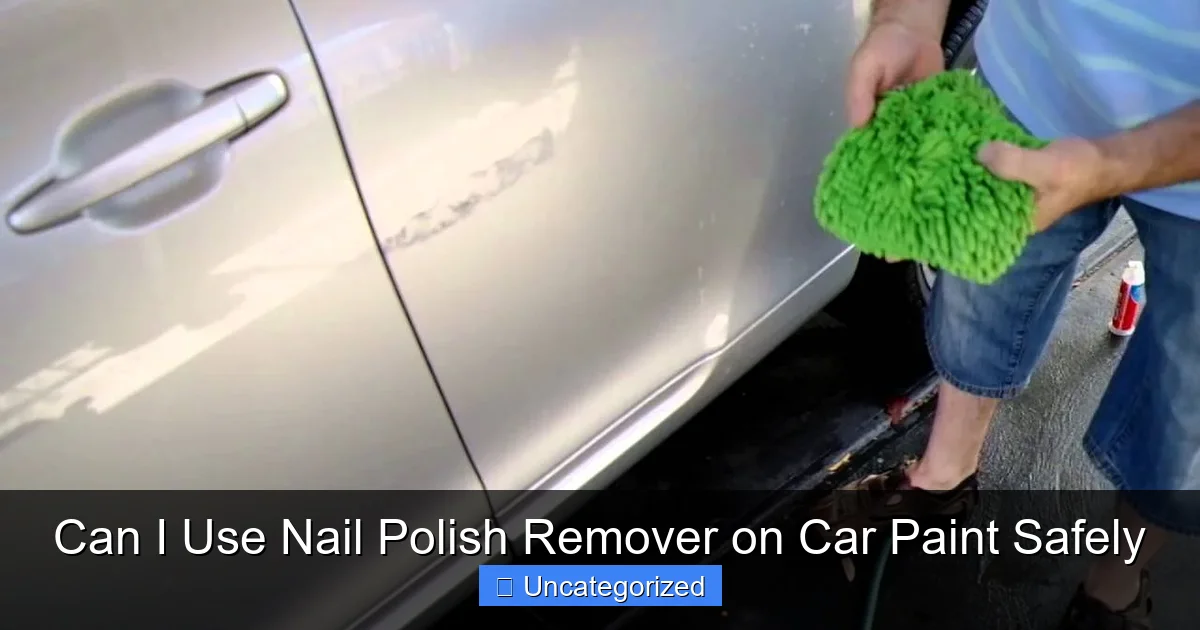
Visual guide about can i use nail polish remover on car paint
Image source: i.ytimg.com
- Primer: The foundation layer that promotes adhesion and provides corrosion resistance.
- Base Coat: Contains the color pigments and is responsible for the car’s visual appeal.
- Clear Coat: A transparent, durable layer that protects the base coat from scratches, fading, and chemical damage. It also gives the paint its glossy finish.
- Sealants/Waxes: Optional protective layers applied by owners to enhance shine and add an extra barrier against environmental factors.
Each layer is engineered to interact with the others. The clear coat, for instance, is formulated to be chemically inert under normal conditions but can be vulnerable to certain solvents—especially those with strong dissolving properties.
Why Composition Matters
Car paint isn’t just “paint”—it’s a sophisticated polymer matrix. The clear coat, in particular, is made of acrylic or polyurethane resins. These materials are designed to resist everyday cleaners like soap and water, but they’re not impervious to aggressive solvents. Nail polish removers, especially those with high acetone content, can break down these resins at a molecular level, leading to:
- Loss of gloss and clarity
- Micro-cracking (crazing)
- Premature oxidation and fading
- Adhesion failure between paint layers
For example, a 2020 study by the Journal of Coatings Technology and Research found that acetone exposure caused a 40% reduction in the scratch resistance of polyurethane clear coats after just 10 minutes of contact. This underscores the importance of choosing cleaning agents carefully.
Nail Polish Remover: What’s Really in the Bottle?
Acetone vs. Non-Acetone Formulas
Not all nail polish removers are created equal. The key differentiator is the presence of acetone, a powerful solvent that dissolves nail polish rapidly. Here’s how the two main types compare:
- Acetone-based removers: Contain 90-100% acetone. Extremely effective at breaking down organic compounds but highly aggressive on plastics, paints, and synthetic materials. Often labeled as “fast-acting” or “professional strength.”
- Non-acetone removers: Use milder solvents like ethyl acetate, methyl ethyl ketone (MEK), or isopropyl alcohol. Slower to work but significantly less corrosive. Typically marketed as “gentle” or “for natural nails.”
While non-acetone removers are less likely to cause immediate damage, they can still compromise car paint over time—especially with repeated use or improper application.
Hidden Additives and Their Risks
Beyond the primary solvent, many nail polish removers contain:
- Fragrances: Can leave oily residues that attract dirt.
- Moisturizers (e.g., lanolin, glycerin): May create a film on paint, interfering with sealants or waxes.
- pH modifiers: Some formulas are acidic, which can accelerate paint oxidation.
For instance, a popular brand’s non-acetone remover contains ethyl acetate and fragrance oils. While ethyl acetate is less damaging than acetone, the fragrance oils can degrade clear coat polymers over time, leading to a hazy appearance. Always check the ingredient list—if you can’t read it, assume it’s not safe for car paint.
The Risks of Using Nail Polish Remover on Car Paint
Immediate Damage: What Happens in Minutes
Applying nail polish remover to car paint—even in small amounts—can yield visible damage within minutes:
- Clear coat dissolution: Acetone can soften or strip the clear coat, creating a dull, matte finish. In severe cases, the base coat may become exposed, leading to color distortion.
- Swirl marks and micro-scratches: Rubbing the remover into the paint with a cloth (as many DIYers do) creates fine scratches that scatter light, reducing gloss.
- Paint lifting: In areas with pre-existing damage, the solvent can penetrate beneath the paint, causing it to bubble or peel.
Real-world example: A Reddit user in r/AutoDetailing shared photos of their Tesla Model 3 after using acetone to remove a parking permit sticker. The clear coat became cloudy, and the paint felt “sticky” to the touch. A professional detailer later confirmed irreversible clear coat damage, requiring a full panel repaint costing $1,200.
Long-Term Consequences
Even if no immediate damage is visible, the effects of solvent exposure can manifest over months:
- Accelerated fading: Degraded clear coats offer less UV protection, leading to faster oxidation of the base coat.
- Increased vulnerability to environmental damage: Cracks and pores in the clear coat allow water, road salt, and pollutants to penetrate, risking rust and corrosion.
- Compromised wax/sealant adhesion: Damaged paint surfaces prevent protective coatings from bonding properly, reducing their effectiveness.
Data from the International Journal of Vehicle Design shows that vehicles with chemically damaged clear coats require 30-50% more frequent repaints than those maintained with proper care—a significant cost over time.
Case Study: The Cost of a Quick Fix
Consider this scenario: A driver uses a cotton pad soaked in nail polish remover to clean overspray from their car’s fender. They notice slight haziness but assume it’s temporary. Six months later, the affected area shows pronounced fading, and water beads poorly on the surface. A detailer diagnoses clear coat failure and recommends a $600 repair. In contrast, using a dedicated overspray remover (cost: $20) would have prevented the damage entirely.
Safer Alternatives to Nail Polish Remover
Automotive-Specific Products
When dealing with paint imperfections, always opt for products designed for automotive use. These are formulated to target specific contaminants without harming paint layers:
- Adhesive removers (e.g., Goo Gone Automotive, 3M Adhesive Remover): Break down sticker residue and tar using citrus-based solvents or mild esters. Safe for clear coats when used as directed.
- Overspray removers (e.g., CarPro TarX, Meguiar’s Ultimate Compound): Contain gentle abrasives and solvents that dissolve paint overspray without damaging the underlying finish.
- Iron fallout removers (e.g., Sonax Fallout Remover, CarPro IronX): Use pH-neutral chemistry to dissolve brake dust and rail dust, which can embed in clear coats.
- Clay bars: Mechanically remove bonded contaminants (e.g., tree sap, industrial fallout) without solvents.
Pro tip: Always perform a spot test on a hidden area (e.g., inside the door jamb) before applying any product to visible paint.
DIY Solutions (When Used Correctly)
If you prefer homemade remedies, these are safer options:
- Isopropyl alcohol (70% concentration): Diluted with water (1:1 ratio), it can remove light adhesive residue. Wipe quickly and follow with a rinse to prevent drying the paint.
- Baking soda paste: Mix baking soda with water to create a mild abrasive for stubborn stains. Use a microfiber cloth and minimal pressure.
- Dish soap and clay bar: A two-step process for deep cleaning. Wash the area with pH-neutral car shampoo, then glide a clay bar lubricated with quick detailer spray.
Important: Never use vinegar, ammonia, or household cleaners—they’re too acidic/alkaline for automotive paint.
Professional Techniques for Tough Jobs
For severe cases (e.g., paint transfer from collisions, heavy overspray), professionals use:
- Dual-action polishers: Machine tools with foam pads that gently abrade contaminants without creating swirls.
- Paint decontamination systems: Combine chemical and mechanical methods for comprehensive cleaning.
- Wet sanding: Only performed by trained technicians to level paint layers without damaging the substrate.
These methods require expertise but are the only safe options for extensive damage.
Best Practices for Paint Imperfections: Prevention and Correction
Step-by-Step Guide to Safe Removal
Follow this protocol for any paint contamination:
- Identify the contaminant: Is it adhesive, sap, tar, overspray, or iron fallout? Different contaminants require different approaches.
- Wash the area: Use a pH-neutral car shampoo and microfiber mitt to remove loose dirt.
- Apply a dedicated remover: Use a product matched to the contaminant. Work in small sections (e.g., 2’x2′).
- Agitate gently: Use a microfiber towel or foam applicator—never abrasive pads or steel wool.
- Rinse and inspect: Rinse with water to stop chemical action. If residue remains, repeat the process.
- Protect the area: Apply wax or sealant immediately after cleaning to restore protection.
Example: To remove a sticker residue:
- Soak the residue with 3M Adhesive Remover for 1-2 minutes.
- Gently wipe with a microfiber towel.
- Rinse with water and dry.
- Apply car wax to seal the area.
Preventive Measures
Reduce the need for aggressive cleaning by:
- Regular washing: Clean your car every 1-2 weeks to prevent contaminants from bonding.
- Waxing/sealing: Apply a protective coating every 3-6 months. This creates a sacrificial layer that absorbs minor damage.
- Parking smartly: Avoid parking under trees (sap), near construction sites (overspray), or on gravel roads (chips).
- Using paint protection film (PPF): Clear vinyl film shields high-impact areas (e.g., hood, fenders) from scratches and stains.
Data Table: Chemical Resistance of Automotive Clear Coats
| Substance | Clear Coat Damage Risk | Safe Contact Time | Recommended Alternative |
|---|---|---|---|
| Acetone | High (immediate softening, hazing) | 0 seconds (not safe) | 3M Adhesive Remover |
| Ethyl Acetate (non-acetone remover) | Moderate (hazing after 5+ minutes) | <1 minute (spot test first) | Citrus-based adhesive remover |
| Isopropyl Alcohol (70%) | Low (drying if left too long) | <30 seconds (rinse immediately) | Dedicated adhesive remover |
| Dish Soap (pH-neutral) | None (safe for regular washing) | Unlimited | Car shampoo |
| Iron Fallout Remover (pH-neutral) | None (designed for paint) | 2-3 minutes (follow label) | — |
Conclusion: Prioritizing Paint Integrity Over Convenience
The allure of using nail polish remover on car paint is understandable—it’s cheap, readily available, and promises quick results. But as we’ve explored, the risks far outweigh the benefits. Acetone-based removers can cause irreversible damage to your car’s clear coat, leading to costly repairs and diminished resale value. Even non-acetone formulas contain additives that can compromise paint protection over time.
Instead, invest in automotive-specific products designed to tackle the exact contaminants you’re facing. From adhesive removers to clay bars, these tools are engineered to clean effectively without harming paint layers. When in doubt, consult a professional detailer—especially for severe damage. Remember, your car’s paint isn’t just about aesthetics; it’s a critical barrier against corrosion, UV damage, and environmental wear.
By adopting preventive habits (regular washing, waxing, smart parking) and following safe correction protocols, you’ll maintain your vehicle’s appearance for years to come. The next time you’re tempted to reach for that bottle of nail polish remover, pause and ask: Is a quick fix worth the potential cost of a repaint? The answer, as any detailer will tell you, is a resounding “no.” Protect your investment—your car (and your wallet) will thank you.
Frequently Asked Questions
Can I use nail polish remover on car paint to remove stains?
Using nail polish remover on car paint is not recommended, as it can strip the clear coat and damage the finish. Instead, opt for automotive-safe cleaners or clay bars for stubborn stains without risking harm.
Will nail polish remover ruin my car’s paint job?
Yes, nail polish remover often contains acetone, which is too harsh for car paint and can cause discoloration, peeling, or long-term damage. Always use products designed for automotive surfaces.
What should I use instead of nail polish remover on car paint?
For safe paint correction, use dedicated automotive polish, rubbing compound, or isopropyl alcohol (diluted). These options effectively clean without harming the paint or clear coat.
Is there a safe way to use nail polish remover on car paint?
Even in small amounts, nail polish remover on car paint is risky. If absolutely necessary, test a diluted solution on an inconspicuous area first—but professional detailing products are far safer.
Can nail polish remover remove car paint overspray?
While acetone-based removers can cut through overspray, they also endanger surrounding paint. Use a professional-grade overspray remover or clay bar for a safer, controlled solution.
Why do people ask if they can use nail polish remover on car paint?
Nail polish remover is a common household product for removing adhesives or stains, but its harsh chemicals make it unsuitable for car paint. Always prioritize automotive-specific products to avoid costly repairs.