
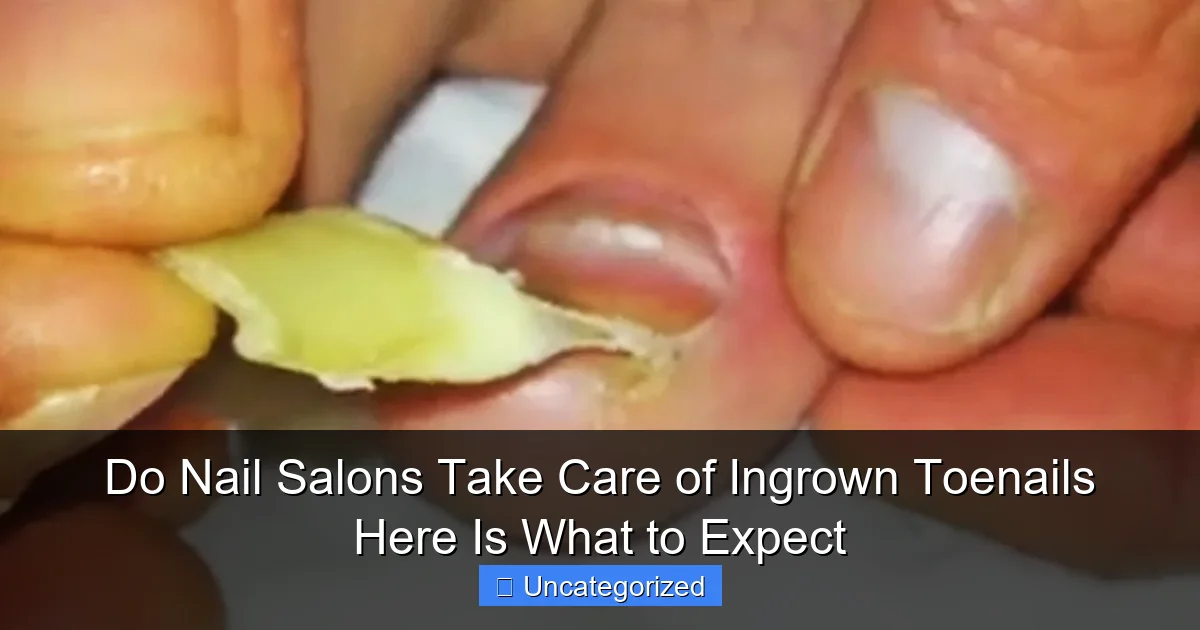
Featured image for do nail salons take care of ingrown toenails
Image source: i.ytimg.com
Most nail salons do not treat ingrown toenails, as it’s a medical issue requiring professional care. While some may trim or file nails to relieve pressure, they typically won’t perform procedures like partial nail removal or prescribe medication—visit a podiatrist for severe cases. Always check with your salon beforehand to avoid risking infection or improper treatment.
Key Takeaways
- Most salons avoid ingrown toenails: Due to liability and lack of medical training.
- Ask beforehand: Confirm if your salon offers ingrown toenail services before booking.
- Seek podiatrists for severe cases: Medical professionals handle infections and chronic issues safely.
- Salons may trim carefully: Some assist with mild cases but won’t cut deeply.
- Prioritize hygiene: Ensure tools are sterilized to prevent worsening the condition.
- Home care is key: Follow aftercare tips like soaking and proper trimming post-visit.
📑 Table of Contents
- Do Nail Salons Take Care of Ingrown Toenails? Here Is What to Expect
- Understanding Ingrown Toenails: Causes and Symptoms
- What Nail Salons Can and Cannot Do for Ingrown Toenails
- What to Expect During a Nail Salon Visit for Ingrown Toenails
- When to See a Podiatrist Instead of a Nail Salon
- Preventing Ingrown Toenails: Long-Term Strategies
- Conclusion: Making the Right Choice for Your Feet
Do Nail Salons Take Care of Ingrown Toenails? Here Is What to Expect
Imagine this: You’ve been dealing with a sharp, throbbing pain in your big toe for days. Every step feels like a punishment, and even the softest sock rubs against the inflamed skin. You’ve heard about ingrown toenails—those pesky nails that curl and grow into the surrounding flesh—but you’re unsure whether your regular nail salon can help. After all, you trust them with your manicures, pedicures, and even the occasional gel polish, but is treating an ingrown toenail within their scope of practice? This is a question many people ask, and the answer isn’t always straightforward.
Ingrown toenails are more than just a cosmetic concern—they’re a legitimate foot health issue affecting millions worldwide. According to the American Podiatric Medical Association, over 20% of people will experience an ingrown toenail at least once in their lifetime. While some cases resolve with home care, others can lead to infections, severe pain, and even hospitalization if left untreated. The confusion arises when people try to decide whether to visit a nail salon for relief or seek help from a medical professional. This blog post will explore exactly what nail salons can and cannot do for ingrown toenails, what you should expect during a visit, and when it’s time to see a podiatrist. We’ll also share real-world examples, safety tips, and data to help you make informed decisions about your foot health.
Understanding Ingrown Toenails: Causes and Symptoms
Before diving into whether nail salons can treat ingrown toenails, it’s essential to understand what causes them and how to recognize the signs early. An ingrown toenail, medically known as onychocryptosis, occurs when the edge or corner of a toenail grows into the soft tissue of the toe. This can result in pain, redness, swelling, and sometimes pus or infection. While it can affect any toe, the big toe is the most commonly affected.

Visual guide about do nail salons take care of ingrown toenails
Image source: a.allegroimg.com
Common Causes of Ingrown Toenails
- Improper Nail Trimming: Cutting nails too short or rounding the corners instead of cutting straight across can encourage the nail to grow into the skin.
- Ill-Fitting Footwear: Shoes that are too tight, narrow, or high-heeled place pressure on the toes, pushing the nail into the skin.
- Trauma or Injury: Dropping something on your foot or stubbing your toe can alter the nail’s growth pattern.
- Genetics: Some people are born with curved or thick nails that are more prone to ingrowth.
- Fungal Infections: Thickened or misshapen nails due to fungal issues increase the risk.
- Excessive Sweating or Moisture: Prolonged dampness weakens the skin, making it easier for the nail to penetrate.
Recognizing the Symptoms
Early-stage ingrown toenails may present with subtle signs. However, as the condition progresses, symptoms become more pronounced. Look out for:
- Redness and tenderness around the nail
- Swelling or puffiness along the nail border
- Pain that worsens when wearing shoes or pressing on the toe
- Formation of granulation tissue (a soft, pink, bumpy overgrowth of skin)
- Drainage of clear fluid or pus, indicating infection
- Foul odor, especially if the area is infected
Real-World Example: Sarah, a 28-year-old graphic designer, noticed a dull ache in her right big toe after wearing new pointy-toed heels for a week. At first, she dismissed it as soreness from walking. But after a few days, the pain intensified, and the skin around her nail turned red and warm. She visited a nail salon for a pedicure, hoping the technician could “fix” it. The technician trimmed the nail but didn’t address the embedded edge, and the pain worsened. It wasn’t until she saw a podiatrist that she realized she had a Stage 2 ingrown toenail requiring minor surgery.
Tip: If you notice any of these symptoms, especially pain or swelling, avoid self-treatment beyond soaking and gentle care. Seek professional advice early to prevent complications.
What Nail Salons Can and Cannot Do for Ingrown Toenails
This is the million-dollar question: Can a nail salon technician treat your ingrown toenail? The short answer is: sometimes, but with significant limitations. Nail salons are designed for cosmetic and preventive foot care, not medical treatment. Understanding the line between what’s safe and what’s risky is crucial.
What Nail Salons Can Do
- Soak and Soften the Nail: Most salons offer foot soaks using Epsom salt, tea tree oil, or antiseptic solutions. This can reduce inflammation and make the nail more pliable.
- Gentle Nail Trimming: A skilled technician can trim the nail straight across and slightly longer than the skin edge to prevent further ingrowth.
- Buffing and Smoothing: Filing down rough edges can prevent the nail from catching on socks or skin.
- Moisturizing and Massage: Hydrating the surrounding skin reduces cracking and irritation, which can help prevent future issues.
- Provide Advice: Many licensed nail techs are trained to recognize early signs of ingrown nails and may recommend home care or a doctor visit.
What Nail Salons Should NOT Do
- Cut Into the Skin: Technicians are not licensed to perform minor surgeries or cut into inflamed, embedded tissue. Doing so can lead to infection, bleeding, and scarring.
- Remove the Nail Root or Matrix: Permanent or semi-permanent correction (like partial nail avulsion with phenolization) is a medical procedure requiring a podiatrist.
- Drain Abscesses: If there’s pus or an abscess, attempting to drain it without sterile equipment and antibiotics is dangerous.
- Prescribe Medication: Salons cannot prescribe antibiotics or pain relievers.
- Use Non-Sterile Tools on Broken Skin: If the skin is broken or infected, using non-sterilized tools (like clippers or files) increases the risk of bacterial or fungal infections, including MRSA.
Important Note: In many states and countries, performing medical procedures without a license is illegal. For example, in California, nail technicians must complete a 600-hour program and pass a state board exam, but their license does not permit them to diagnose or treat medical conditions. Violating this can result in fines or license revocation.
Real-World Example: James, a college student, visited a budget nail salon to fix his ingrown toenail. The technician used a cuticle nipper to dig into the inflamed tissue, causing immediate bleeding and intense pain. He developed a staph infection and required antibiotics and a visit to urgent care. The salon was later cited for practicing outside their scope.
Tip: If a technician suggests “digging out” the nail or cutting deep into the skin, politely decline and leave. Your health is more important than saving a few dollars.
What to Expect During a Nail Salon Visit for Ingrown Toenails
If you decide to visit a nail salon for help with a mild ingrown toenail, knowing what to expect can help you stay safe and get the most benefit. Here’s a step-by-step guide to a typical (and safe) salon experience.
Step 1: Consultation and Assessment
A reputable salon will start with a quick consultation. The technician should ask about your symptoms, how long you’ve had the issue, and whether you’ve seen a doctor. They may examine your toe under a bright light. If the toe is severely red, swollen, or oozing, they should refuse service and recommend a podiatrist.
Step 2: Soaking the Foot
You’ll sit in a spa chair with your feet in a warm, soapy soak (usually 10–15 minutes). Common solutions include:
- Epsom salt (magnesium sulfate) for inflammation
- Tea tree oil (antifungal and antibacterial)
- Mild antiseptic (like chlorhexidine)
This softens the nail and reduces discomfort, making trimming easier.
Step 3: Nail Trimming and Shaping
The technician will use sterilized clippers to trim the nail straight across—never rounded. They’ll leave about 1–2 mm of nail beyond the skin to prevent future ingrowth. They may use a file to smooth sharp edges. If the ingrown portion is visible but not embedded, they might gently lift it with a tool and place a tiny piece of cotton or dental floss under the edge to encourage upward growth (a technique called “packing”).
Step 4: Moisturizing and Massage
After trimming, the technician will apply a hydrating foot cream or oil. A light massage improves circulation and reduces swelling.
Step 5: Aftercare Instructions
A good technician will give you personalized aftercare tips, such as:
- Soak your foot in warm water 2–3 times daily
- Keep the area clean and dry
- Wear roomy, breathable shoes
- Trim nails straight across weekly
- Return in 1–2 weeks for a follow-up trim
Example Scenario: Maria, a teacher, visited a high-end salon with a mild ingrown nail. The technician soaked her foot, trimmed the nail straight across, and placed a small piece of cotton under the edge. She was advised to avoid tight shoes and return in 10 days. The pain subsided within a week, and the nail grew out normally.
Red Flags to Watch For:
- Technician uses non-sterilized tools (look for autoclave pouches or UV sterilizers)
- They suggest “digging out” the nail
- No aftercare instructions are given
- The salon is dirty or smells strongly of chemicals
Tip: Choose salons that follow state licensing requirements, use disposable tools, and have visible sanitation protocols. Check online reviews for mentions of “ingrown toenail” or “foot pain.”
When to See a Podiatrist Instead of a Nail Salon
While nail salons can help with mild cases, there are clear signs that you need medical attention. Ignoring these can lead to serious complications, including bone infections (osteomyelitis), abscesses, and even limb-threatening infections in people with diabetes or poor circulation.
Signs You Need a Podiatrist
- Severe Pain or Swelling: If the pain is constant, throbbing, or interferes with walking.
- Pus or Drainage: Yellow or green discharge is a sign of infection.
- Fever or Chills: Systemic symptoms suggest the infection is spreading.
- Diabetes or Peripheral Neuropathy: People with diabetes have a higher risk of complications. Even a minor cut can lead to a foot ulcer or amputation.
- Recurring Ingrown Nails: If you’ve had multiple episodes, a podiatrist can perform a matrixectomy to permanently remove part of the nail root.
- Thickened or Discolored Nails: This could indicate a fungal infection, which requires prescription antifungals.
What a Podiatrist Can Do
Podiatrists (doctors specializing in foot and ankle care) have the tools and training to handle all stages of ingrown toenails:
- Diagnosis: They’ll examine your toe, possibly take X-rays to rule out bone involvement, and assess circulation.
- Minor Surgery: For Stage 2 or 3 ingrown nails, they can perform a partial nail avulsion—removing the ingrown portion and applying phenol to the nail matrix to prevent regrowth. The procedure takes 15–20 minutes, is done under local anesthesia, and has a 95% success rate.
- Antibiotics: If there’s an infection, they’ll prescribe oral or topical antibiotics.
- Custom Orthotics: For people with foot deformities (like bunions or hammertoes), custom shoe inserts can redistribute pressure and prevent future ingrown nails.
Real-World Example: David, a 65-year-old with type 2 diabetes, ignored his ingrown toenail for weeks. By the time he saw a podiatrist, he had an abscess and signs of cellulitis. He needed IV antibiotics and a minor surgery. His foot healed, but his doctor warned that a delay of just a few more days could have led to hospitalization.
Tip: If you have diabetes, circulation problems, or a weakened immune system, never try to treat an ingrown toenail at a salon or at home. See a podiatrist immediately.
Preventing Ingrown Toenails: Long-Term Strategies
Prevention is always better than treatment. Whether you’ve had an ingrown toenail or want to avoid one, these long-term strategies can keep your feet healthy.
Proper Nail Trimming Technique
- Cut nails straight across—no rounding the corners.
- Leave about 1–2 mm of nail beyond the skin.
- Use sharp, sterilized clippers or scissors.
- Trim every 4–6 weeks.
Footwear Choices
- Choose shoes with a wide toe box (at least 1/2 inch longer than your longest toe).
- Avoid high heels, pointy toes, or tight socks.
- Wear moisture-wicking socks to keep feet dry.
Foot Hygiene and Moisturizing
- Wash feet daily and dry thoroughly, especially between the toes.
- Apply foot cream to prevent dry, cracked skin.
- Soak feet in warm water 2–3 times a week.
Regular Foot Inspections
- Check your feet weekly for redness, swelling, or pain.
- Use a mirror to see the bottoms of your feet if needed.
- Visit a podiatrist annually if you’re at high risk (diabetes, poor circulation, etc.).
Data Table: Ingrown Toenail Prevention Tips by Risk Level
| Risk Level | Prevention Strategy | Frequency |
|---|---|---|
| Low (Healthy adults) | Proper nail trimming, breathable footwear | Weekly inspection, trim every 4–6 weeks |
| Moderate (History of ingrown nails) | Soaking, cotton packing, podiatrist check-ups | Soak 2–3x/week, trim every 3–4 weeks, see podiatrist every 6 months |
| High (Diabetes, neuropathy, poor circulation) | Medical pedicures, custom orthotics, regular podiatrist visits | See podiatrist every 2–3 months, no self-trimming |
Tip: Consider a “medical pedicure” at a podiatrist’s office. These are performed by licensed professionals in a sterile environment and focus on foot health, not just aesthetics.
Conclusion: Making the Right Choice for Your Feet
Ingrown toenails are a common but often misunderstood foot problem. While nail salons can offer temporary relief for mild cases—through soaking, proper trimming, and aftercare advice—they are not equipped to handle medical treatments. Attempting to have a salon “fix” a severe or infected ingrown toenail can lead to serious complications, including infections, scarring, and even hospitalization.
The key is to assess your symptoms honestly. If you have mild redness or discomfort, a reputable salon with a licensed technician may help. But if you experience pain, swelling, pus, or have underlying health conditions like diabetes, see a podiatrist immediately. Your feet carry you through life—don’t take their health for granted.
Remember, prevention is the best medicine. By trimming your nails properly, wearing the right shoes, and inspecting your feet regularly, you can avoid the pain and hassle of ingrown toenails altogether. When in doubt, err on the side of caution and consult a medical professional. After all, healthy feet are happy feet—and they deserve the best care possible.
Frequently Asked Questions
Do nail salons take care of ingrown toenails professionally?
Most nail salons can address mild ingrown toenails by carefully trimming the nail and soaking the foot to reduce discomfort. However, they are not medical professionals, so severe cases may require a podiatrist.
Can a nail salon help with painful ingrown toenails?
Yes, nail salons can temporarily relieve pain from minor ingrown toenails through soaking, proper nail shaping, and antiseptic treatments. For persistent or infected cases, consult a healthcare provider for proper medical care.
What should I expect when getting ingrown toenail treatment at a salon?
You can expect a foot soak, gentle cleaning, and precise nail trimming to ease pressure. Technicians may also recommend home care tips to prevent recurrence, but avoid salons that attempt aggressive removal of deeply embedded nails.
Are nail salons safe for treating infected ingrown toenails?
Nail salons typically lack the tools and expertise to safely treat infected ingrown toenails. If you notice pus, swelling, or severe pain, see a podiatrist immediately to avoid complications.
How much does ingrown toenail care at a nail salon cost?
Basic ingrown toenail care at a nail salon usually costs between $20–$50, depending on the severity and location. Complex cases may require additional fees or referrals to a specialist.
Can regular pedicures at a nail salon prevent ingrown toenails?
Yes, routine pedicures with proper nail trimming and foot care can reduce the risk of ingrown toenails. Ensure your technician cuts nails straight across and avoids rounding the edges to prevent future issues.