
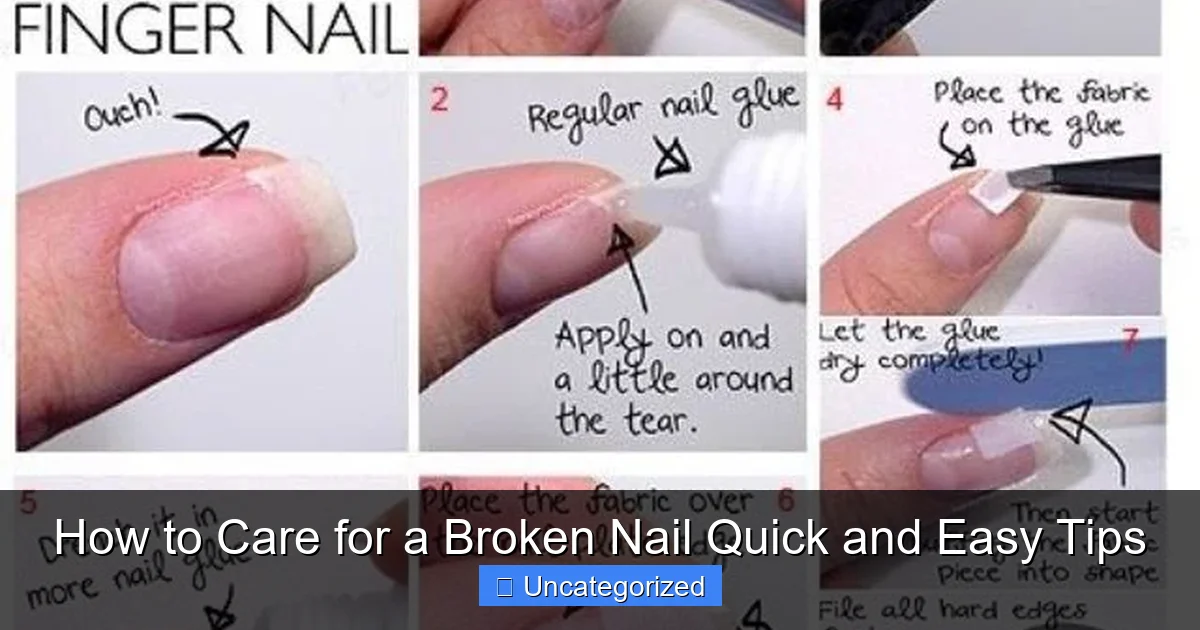
Featured image for how to care for a broken nail
Image source: i.pinimg.com
Act quickly to clean and trim the broken nail to prevent further splitting or infection, using sterilized tools to gently file away jagged edges. Apply a nourishing nail oil or moisturizer and cover with a bandage or nail wrap for protection and faster healing. Consistent care and avoiding harsh chemicals will help restore strength and prevent future breaks.
Key Takeaways
- Trim immediately: Cut the broken part to prevent further damage.
- Moisturize daily: Apply cuticle oil to strengthen and hydrate nails.
- Use a nail hardener: Protect with a strengthening base or top coat.
- File gently: Shape nails with a fine-grit file to avoid splits.
- Wear gloves: Shield nails during chores to reduce breakage risk.
- Eat nail-friendly foods: Boost repair with protein, biotin, and vitamins.
📑 Table of Contents
How to Care for a Broken Nail: Quick and Easy Tips
Few things are as frustrating as breaking a nail, especially when you’ve spent time and effort growing or manicuring them. A broken nail can be painful, unsightly, and even lead to further damage if not properly cared for. Whether it’s a minor split near the edge or a deep fracture extending toward the nail bed, knowing how to care for a broken nail is essential to prevent infection, reduce pain, and promote healthy regrowth. From accidental snags to brittle nails caused by environmental factors, nail breaks are common and often preventable. But when they do happen, immediate and proper care can make all the difference in your recovery.
Taking care of a broken nail doesn’t require a trip to the dermatologist or expensive treatments. With a few simple tools and some basic knowledge, you can manage the injury at home effectively. This guide will walk you through how to care for a broken nail using quick, easy, and science-backed techniques. You’ll learn how to assess the severity of the break, clean and protect the area, prevent infection, and support nail regrowth. Whether you’re a nail enthusiast, someone with naturally brittle nails, or just dealing with an unexpected break, these tips will help you restore your nails to health with confidence and care.
Assessing the Severity of the Break
Before jumping into treatment, it’s crucial to evaluate the type and extent of the nail injury. Not all broken nails are created equal. Some are minor cosmetic issues, while others may require medical attention. Understanding the severity helps you determine the right course of action and avoid complications.

Visual guide about how to care for a broken nail
Image source: i.ytimg.com
Types of Nail Breaks
Nail breaks can be categorized into three main types based on their location and depth:
- Minor Edge Breaks: These occur at the free edge of the nail, often due to snagging on clothing, bags, or during everyday tasks. They typically don’t cause pain but can worsen if left unaddressed.
- Splits or Lifts Along the Nail Plate: These are vertical or horizontal separations in the nail surface. They may be due to trauma, excessive moisture exposure, or underlying conditions like fungal infections.
- Deep Fractures or Cracks Extending to the Nail Bed: These are more serious and often painful. If blood or pus is visible, or if the nail is partially detached, it could indicate a deeper injury requiring medical evaluation.
For example, if you’re a baker and your nail snagged on a mixing bowl, you might experience a minor edge break. But if you slammed your finger in a car door and now have a jagged, bleeding crack near the cuticle, that’s a deep fracture needing immediate care.
When to Seek Medical Help
While most broken nails can be treated at home, certain signs indicate the need for professional care:
- Severe pain or throbbing
- Visible bleeding beneath the nail (subungual hematoma)
- Pus, swelling, or redness around the nail
- Partial or complete detachment of the nail
- History of diabetes, poor circulation, or immune disorders
According to the American Academy of Dermatology, individuals with diabetes or peripheral vascular disease should be especially cautious, as even minor nail injuries can lead to serious infections due to reduced blood flow and healing capacity. If you experience any of these symptoms, consult a healthcare provider or dermatologist promptly.
Tools for Assessment
Keep a simple first-aid kit ready for nail injuries. Useful tools include:
- Good lighting to examine the nail closely
- Magnifying glass (optional, for detailed inspection)
- Clean tweezers or nail clippers
- Disposable gloves to prevent contamination
By taking a few minutes to assess the break, you set the foundation for effective treatment and faster healing.
Immediate First Aid for a Broken Nail
When a nail breaks, acting quickly can minimize pain, prevent infection, and reduce the risk of further damage. The first 10–15 minutes after the injury are critical. Here’s a step-by-step guide to immediate care.
Step 1: Stop the Bleeding (If Present)
If the break has caused bleeding, apply gentle pressure using a clean gauze pad or cotton ball. Elevate the hand above heart level to reduce blood flow to the area. Most minor nail bleeds stop within 5–10 minutes. Avoid using tissues, as fibers can stick to the wound and cause irritation.
Pro Tip: If bleeding persists beyond 15 minutes, seek medical attention—this could indicate damage to the nail bed or underlying tissue.
Step 2: Clean the Area Thoroughly
Use lukewarm water and a mild, fragrance-free soap to gently wash the nail and surrounding skin. Avoid harsh soaps or alcohol-based cleaners, which can dry and irritate the nail bed. Rinse well and pat dry with a clean towel.
For deeper cracks or exposed nail beds, consider using an antiseptic solution like povidone-iodine (Betadine) or chlorhexidine. These are effective at killing bacteria without damaging tissue. Apply with a cotton swab, focusing on the broken edges and any exposed areas.
Step 3: Trim or File the Damaged Section
Using sterilized nail clippers or a fine-grit nail file, carefully remove any loose, jagged, or sharp edges. Never pull or tear the nail, as this can rip healthy tissue and increase the risk of infection.
For a clean break, use clippers to trim the nail straight across, just below the damaged area. If the break is jagged, file the edges gently to smooth them out. This prevents snagging on clothing or bedding and reduces pressure on the injured area.
Example: If your index finger nail breaks 1 cm from the tip, trim it to 0.8 cm, leaving a small margin of healthy nail. This allows the nail to regrow without catching on objects.
Step 4: Apply a Protective Covering
Once the area is clean and trimmed, cover it with a sterile bandage or adhesive band-aid. For larger breaks or exposed nail beds, use a non-stick pad (like Telfa) to avoid sticking. Change the bandage daily or whenever it becomes wet or soiled.
For minor edge breaks, you can use a nail repair kit containing fiberglass or silk strips. These act like a temporary “cast” for the nail, providing support and protection while it heals. Apply according to package instructions, sealing the edges with clear nail glue or resin.
Step 5: Manage Pain and Swelling
If the break is painful, apply a cold compress wrapped in a clean cloth for 10–15 minutes. Over-the-counter pain relievers like ibuprofen or acetaminophen can help reduce discomfort and inflammation. Avoid aspirin in children under 18 due to the risk of Reye’s syndrome.
By following these first-aid steps, you create a clean, protected environment for healing and significantly reduce the chance of complications.
Preventing Infection and Promoting Healing
Once the immediate injury is managed, your focus should shift to preventing infection and supporting the natural healing process. The nail bed and surrounding skin are vulnerable during recovery, so consistent care is key.
Daily Care Routine
Establish a simple daily routine to keep the area clean and promote healing:
- Clean: Wash the nail and surrounding skin with mild soap and water twice daily.
- Disinfect: Apply an antiseptic solution or antibiotic ointment (like bacitracin) after cleaning.
- Moisturize: Use a fragrance-free hand cream or cuticle oil (containing jojoba, almond, or vitamin E oil) to keep the nail and skin hydrated.
- Protect: Reapply a clean bandage or nail wrap daily, especially if the nail is exposed.
Moisturizing is especially important. Dry, brittle nails are more prone to splitting and slow healing. A 2020 study published in the Journal of Cosmetic Dermatology found that daily application of emollients improved nail strength and flexibility by up to 30% over 8 weeks.
Use of Antifungal and Antibacterial Treatments
If the break exposes the nail bed, bacteria and fungi can enter and cause infection. Signs of infection include:
- Increasing redness, swelling, or warmth
- Yellow or green discharge (pus)
- Foul odor
- Increased pain or throbbing
For suspected bacterial infections, apply an over-the-counter antibiotic ointment (e.g., Neosporin) twice daily. For fungal concerns (common in moist environments), use an antifungal cream like clotrimazole. However, if symptoms worsen or don’t improve in 3–5 days, see a doctor.
Avoiding Irritants and Trauma
During recovery, protect your nail from further damage:
- Wear gloves when doing dishes, gardening, or cleaning
- Avoid prolonged water exposure (e.g., long baths, swimming pools)
- Steer clear of harsh chemicals, acetone-based nail polish removers, and artificial nails
- Use tools (like keys or scissors) instead of your fingers to open packages
<
<
For example, if you’re a hair stylist or nurse, wear nitrile gloves during shifts to shield your nails from water, shampoos, and sanitizers.
Supporting Nail Regrowth with Nutrition
Nails are made of keratin, a protein that grows from the matrix beneath the cuticle. Proper nutrition supports faster, healthier regrowth. Focus on:
- Protein: Eggs, lean meats, beans, and tofu
- Biotin: Found in nuts, eggs, and whole grains; supplements (2.5 mg/day) may help (consult your doctor first)
- Iron: Leafy greens, red meat, lentils
- Zinc and Vitamin C: Citrus fruits, bell peppers, shellfish
Dehydration can also slow nail growth. Aim for 8–10 glasses of water daily.
Long-Term Nail Care and Prevention Strategies
Once your broken nail begins to heal, it’s time to focus on long-term health to prevent future breaks. Healthy nails are strong, flexible, and resistant to damage. Prevention is far more effective than treatment.
Maintaining Proper Nail Length and Shape
Keep nails at a moderate length—long enough to be functional, short enough to avoid snagging. For most people, 1–2 mm beyond the fingertip is ideal. File nails regularly using a fine-grit glass or crystal file, always in one direction to prevent splitting.
Shape matters too. Square or squoval (rounded square) shapes are less likely to catch on objects than sharp almond or stiletto styles. If you prefer long nails, reinforce them with a strengthening base coat or biotin-infused polish.
Hydration and Nail Strengthening Routines
Create a weekly nail care ritual:
- Soak: 5–10 minutes in warm olive oil or a mixture of water and honey (a natural humectant)
- Massage: Gently rub cuticle oil into the nail and surrounding skin to boost circulation
- Buff: Use a soft buffer to smooth ridges and add shine (avoid over-buffing)
Consider using a nail hardener with ingredients like formaldehyde (in low concentrations), calcium, or silk fibers. However, use sparingly—overuse can make nails brittle. Alternatives include ridge fillers with hydrolyzed proteins.
Choosing the Right Nail Products
Not all nail polishes and removers are created equal. Look for:
- Acetone-free removers: Less drying and damaging
- Strengthening base coats: Containing nylon or calcium
- Breathable polishes: Allow oxygen and moisture to reach the nail
Avoid products with formaldehyde, toluene, and DBP (the “toxic trio”) if possible. Brands like Zoya, OPI Infinite Shine, and Ella + Mila offer safer, high-quality options.
Protective Habits for Daily Life
Small changes in behavior go a long way:
- Use a nail file instead of biting or picking at nails
- Keep a travel-size hand cream in your bag or desk
- Wear gloves during cold weather (cold air dries out nails)
- Take breaks from gel or acrylic nails to let natural nails recover
For example, a 2022 survey by the International Journal of Trichology found that 68% of women who wore gel manicures for over 6 months experienced nail thinning and brittleness. A 2-week “nail vacation” with moisturizing treatments helped restore strength in 85% of cases.
When to Resume Normal Nail Activities
As your nail heals, you’ll want to return to painting, filing, and styling it. But rushing back too soon can cause setbacks. Knowing when it’s safe to resume normal nail activities is crucial.
Signs That Healing Is Complete
Wait until these indicators are present before resuming regular nail care:
- The broken area is fully covered by new nail growth (1–2 mm beyond the original break)
- No pain, swelling, or tenderness when touched
- No signs of infection (redness, pus, odor)
- The nail surface is smooth and intact
On average, fingernails grow 3 mm per month, so a minor break may take 3–6 weeks to heal completely. Toenails grow slower (1 mm per month), requiring 6–12 weeks.
Gradual Reintroduction of Nail Products
Start with gentle products:
- Apply a strengthening base coat first
- Use non-acetone remover if needed
- Choose breathable, water-based polishes for the first few weeks
- Avoid heavy glitter, gel, or dip powders until the nail is fully strong
For example, if you’re a nail artist, wait at least 4 weeks after a break before applying a full set of press-ons or gels.
Monitoring for Recurrence
Even after healing, the area may remain weak. Watch for:
- New splitting or lifting
- Discoloration (yellow, white, or dark streaks)
- Changes in nail texture or shape
If issues persist, consult a dermatologist. Underlying conditions like fungal infections, psoriasis, or thyroid disorders can affect nail health.
Data Table: Nail Healing Timeline and Care Tips
| Stage | Duration | Key Care Actions | Products to Use |
|---|---|---|---|
| Immediate Care (0–24 hrs) | First day | Stop bleeding, clean, trim, bandage | Gauze, antiseptic, bandage, cold pack |
| Early Healing (Days 1–7) | 1 week | Clean daily, apply antibiotic ointment, moisturize | Antibiotic ointment, cuticle oil, non-stick pad |
| Mid Healing (Weeks 2–4) | 2–4 weeks | Reduce bandaging, monitor for infection, support nutrition | Moisturizer, biotin supplement, protective gloves |
| Late Healing (Weeks 5–8+) | 5+ weeks | Resume light nail care, avoid trauma, monitor regrowth | Strengthening base coat, breathable polish, glass file |
Conclusion
Caring for a broken nail doesn’t have to be a stressful or complicated process. With the right knowledge and tools, you can manage the injury effectively at home and promote fast, healthy regrowth. From assessing the severity and providing immediate first aid to preventing infection and adopting long-term preventive habits, each step plays a vital role in restoring your nails to their full strength and beauty.
Remember, how to care for a broken nail involves more than just fixing the break—it’s about nurturing your nails for long-term health. Simple practices like keeping nails clean and moisturized, wearing gloves during chores, and eating a balanced diet can dramatically reduce the risk of future breaks. And when breaks do occur, acting quickly and consistently makes all the difference.
Whether you’re dealing with a minor edge split or a deeper fracture, stay patient and consistent. Nails grow slowly, but with proper care, they grow strong. By following the tips in this guide, you’ll not only heal faster but also build a foundation for healthier, more resilient nails for years to come. Don’t let a broken nail derail your confidence—take control, care for it wisely, and let your hands shine with strength and beauty.
Frequently Asked Questions
How can I care for a broken nail to prevent further damage?
To care for a broken nail, trim the jagged edges with clean nail clippers and file gently to smooth the area. Keep the nail short and avoid using it to pick or scratch objects to prevent worsening the break.
What’s the best way to protect a broken nail while it heals?
Apply a clear nail hardener or a bandage to shield the nail from snagging. For extra protection, wear gloves during chores or when handling rough materials to reduce stress on the nail.
Can I use nail glue to fix a broken nail?
Yes, nail glue can temporarily bond a cracked or split nail—apply a small amount and press gently to hold it in place. This is a quick fix, but avoid picking at it to let the nail heal naturally.
How long does it take for a broken nail to grow out?
Fingernails grow about 3-4 millimeters per month, so a broken nail typically takes 2-4 months to fully grow out, depending on the break’s location. Proper nail care can speed up recovery by reducing additional trauma.
Should I soak a broken nail in water or avoid moisture?
Limit prolonged water exposure, as it weakens nails and delays healing. After washing, dry your hands thoroughly and apply a moisturizer or nail oil to keep the nail and surrounding skin hydrated.
Are there home remedies to strengthen a broken nail?
Apply natural oils like coconut or jojoba oil to nourish the nail and promote strength. A diet rich in biotin (found in eggs, nuts, and leafy greens) can also support healthier, more resilient nails over time.