
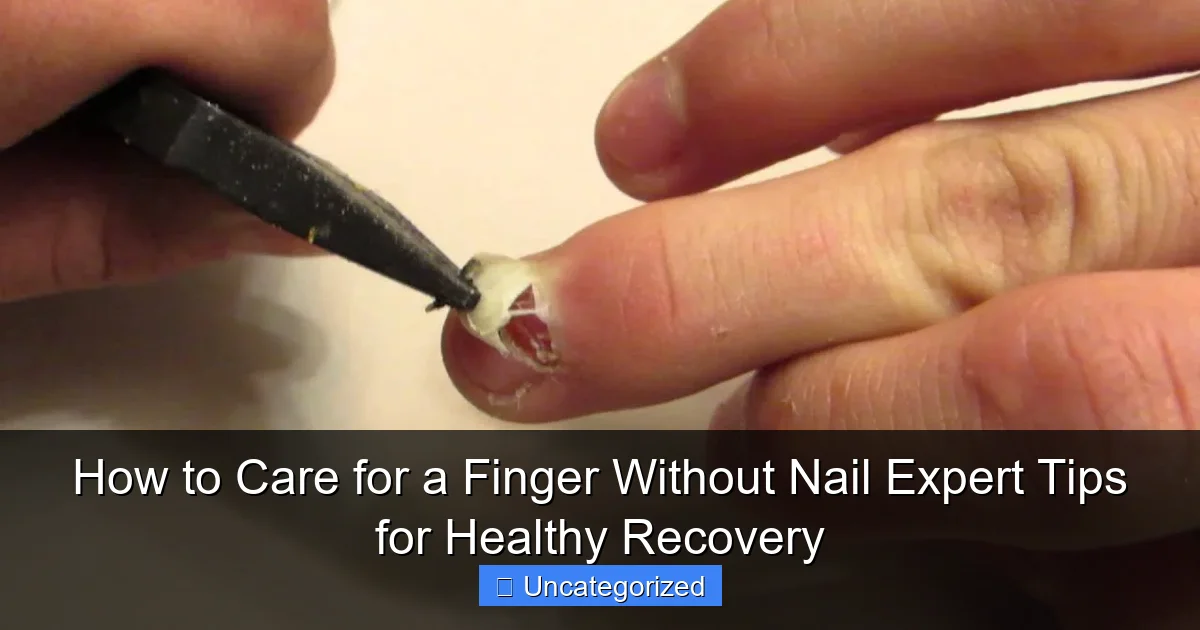
Featured image for how to care for a finger without nail
Image source: i.ytimg.com
Protect the exposed nail bed immediately by keeping the finger clean, dry, and covered with a sterile bandage to prevent infection and reduce sensitivity. Moisturize regularly with vitamin E or petroleum jelly to support tissue healing and minimize discomfort during recovery. Avoid trauma and harsh chemicals while allowing the area to breathe for faster, healthier regrowth.
Key Takeaways
- Keep it clean: Wash daily with mild soap to prevent infection.
- Moisturize regularly: Apply ointments to protect exposed nail bed.
- Bandage properly: Cover with non-stick dressing to reduce friction.
- Avoid trauma: Protect finger from bumps and excessive pressure.
- Watch for signs: Seek help if redness, swelling, or pus appears.
- Trim carefully: Cut loose skin with sterilized tools to avoid damage.
📑 Table of Contents
- Understanding Finger Nail Loss: Causes and Concerns
- Immediate First Aid for a Finger Without Nail
- Daily Care Routine for Optimal Healing
- Nutrition and Lifestyle for Nail Regrowth
- Medical Treatments and When to Seek Help
- Long-Term Maintenance and Preventing Recurrence
- Conclusion: Patience, Care, and Resilience
Understanding Finger Nail Loss: Causes and Concerns
Losing a fingernail can be an unsettling experience, whether it’s due to an accident, infection, or underlying medical condition. The absence of a nail exposes the delicate nail bed and surrounding tissue, making the finger vulnerable to injury, infection, and discomfort. While the human body is remarkably resilient, proper care is essential to promote healing, prevent complications, and support regrowth. Whether you’ve experienced trauma-induced nail loss from a slamming door or a crush injury, or you’re dealing with nail shedding caused by a fungal infection or psoriasis, understanding how to care for a finger without a nail is critical for a smooth recovery.
The fingernail serves multiple protective functions: shielding the sensitive nail bed, enhancing tactile sensation, and preventing bacterial invasion. Without it, the fingertip becomes more susceptible to pain, moisture damage, and infection. However, with the right approach—ranging from immediate first aid to long-term maintenance—most people can expect full regrowth within 6 to 12 months, depending on the injury and individual health factors. This comprehensive guide offers expert-backed strategies for caring for a finger without a nail, ensuring optimal healing, minimizing discomfort, and supporting healthy regrowth.
Immediate First Aid for a Finger Without Nail
Assess the Injury and Stop Bleeding
The first step in caring for a finger without a nail is to remain calm and assess the severity of the injury. If the nail was forcibly torn off or lost due to trauma, there may be bleeding from the nail bed. Apply gentle pressure with a clean, sterile gauze pad or cloth for 5–10 minutes to stop the bleeding. Avoid using tissues or cotton balls, as fibers can stick to the wound and increase infection risk.
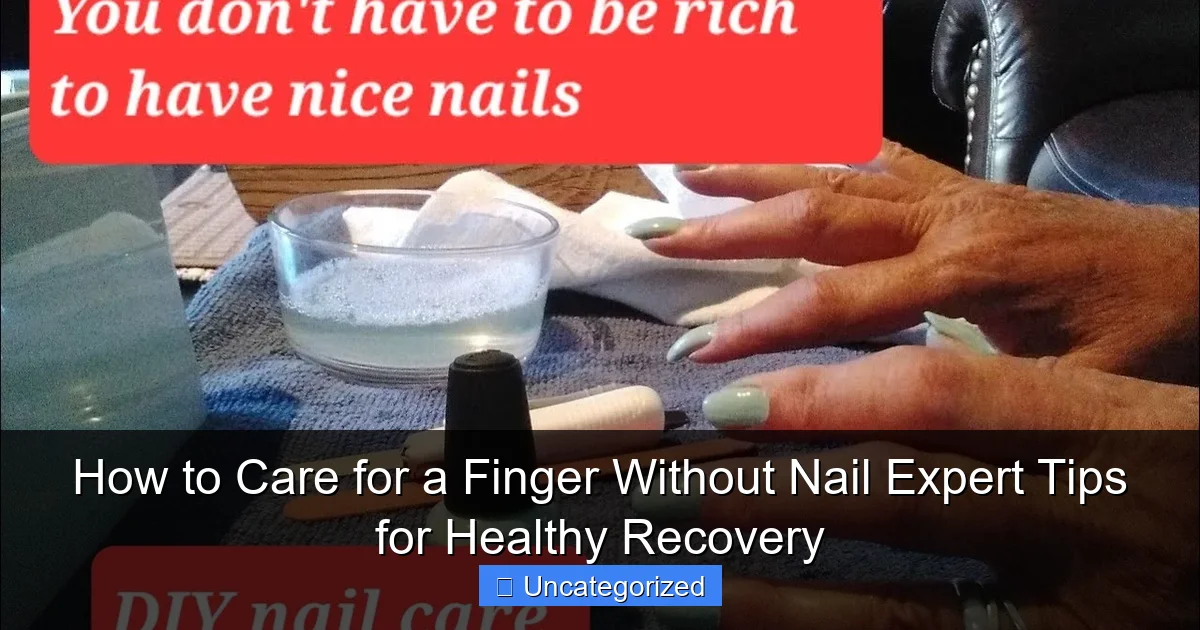
Visual guide about how to care for a finger without nail
Image source: i.ytimg.com
Example: If you’ve accidentally slammed your finger in a car door, rinse the area under lukewarm water to remove dirt and debris, then apply pressure. If bleeding persists beyond 15 minutes or is pulsating, seek medical attention—this could indicate damage to deeper blood vessels.
Clean the Area Thoroughly
Once bleeding is controlled, clean the affected finger with mild soap and lukewarm water. Use a soft cloth or cotton swab to gently wash around the nail bed and fingertip. Avoid harsh antiseptics like hydrogen peroxide or rubbing alcohol, which can delay healing by damaging healthy tissue. Instead, opt for a saline solution or a diluted antiseptic like chlorhexidine.
- Soak the finger in a bowl of warm water with a teaspoon of salt for 10–15 minutes to reduce inflammation and cleanse the area.
- Pat dry with a clean towel—do not rub.
- Inspect for foreign particles, splinters, or embedded debris.
Apply an Antibiotic Ointment and Cover
After cleaning, apply a thin layer of antibiotic ointment such as bacitracin or neomycin-polymyxin B to prevent bacterial infection. Cover the finger with a non-stick sterile dressing or a hydrocolloid bandage designed for sensitive skin. Change the dressing daily or more frequently if it becomes wet or soiled.
Pro Tip: Use a finger cot (a small, flexible plastic sleeve) or a finger bandage to protect the fingertip during daily activities. These are especially helpful for manual workers or those who frequently use their hands.
Manage Pain and Swelling
Pain and swelling are common after nail loss. To manage discomfort:
- Take over-the-counter pain relievers like ibuprofen (Advil) or acetaminophen (Tylenol) as directed.
- Elevate the hand above heart level when resting to reduce swelling.
- Apply a cold compress wrapped in a cloth for 15 minutes every 2–3 hours during the first 48 hours.
Daily Care Routine for Optimal Healing
Keep the Area Clean and Dry
Consistent hygiene is crucial to prevent infection and support healing. Wash the affected finger daily with mild soap and water, especially after activities that expose it to dirt, moisture, or chemicals (e.g., gardening, cooking, cleaning). After washing, dry thoroughly—moisture trapped under a bandage can promote fungal growth or maceration.
Example: If you’re washing dishes, wear waterproof gloves to keep the finger dry. For office workers, use a moisture-wicking bandage that allows airflow while protecting the fingertip.
Moisturize the Surrounding Skin
The skin around the nail bed can become dry, cracked, or irritated due to frequent cleaning and exposure. Use a fragrance-free, hypoallergenic moisturizer like petroleum jelly (Vaseline) or a ceramide-based cream to keep the skin supple. Apply after washing and before bedtime.
- Avoid applying heavy creams directly to the exposed nail bed, as this can trap bacteria.
- Use a small amount of ointment only on the surrounding skin and cuticle area.
Protect the Fingertip During Activities
Without a nail, the fingertip is highly sensitive and prone to injury. Take precautions during daily tasks:
- Wear protective gloves when handling tools, chemicals, or sharp objects.
- Use a finger splint or custom silicone cap for high-risk activities (e.g., carpentry, sports).
- Modify tasks to minimize pressure on the injured finger—e.g., use a stylus instead of typing with the fingertip.
Monitor for Signs of Infection
Even with proper care, infections can occur. Watch for these warning signs:
- Increasing redness, swelling, or warmth around the nail bed
- Pus or yellow/green discharge
- Foul odor
- Worsening pain or throbbing
- Fever or chills (systemic infection)
If any of these symptoms appear, contact a healthcare provider immediately. Early treatment with oral antibiotics may be necessary to prevent complications like cellulitis or osteomyelitis (bone infection).
Nutrition and Lifestyle for Nail Regrowth
Essential Nutrients for Nail Health
Nails are made primarily of keratin, a protein, but their growth also depends on a variety of vitamins and minerals. A nutrient-rich diet supports faster regrowth and stronger new nails. Focus on these key nutrients:
| Nutrient | Role in Nail Health | Food Sources | Daily Recommendation (Adults) |
|---|---|---|---|
| Protein | Building block of keratin; essential for nail formation | Lean meat, eggs, legumes, tofu, Greek yogurt | 0.8g per kg of body weight |
| Biotin (B7) | Supports keratin infrastructure; reduces brittleness | Eggs, almonds, sweet potatoes, spinach, salmon | 30 mcg |
| Iron | Prevents anemia, which can cause nail thinning | Red meat, lentils, spinach, fortified cereals | 8–18 mg (varies by sex/age) |
| Zinc | Promotes cell division and tissue repair | Pumpkin seeds, oysters, beef, chickpeas | 8–11 mg |
| Omega-3 Fatty Acids | Reduces inflammation; supports nail flexibility | Salmon, flaxseeds, walnuts, chia seeds | 1–2 servings/week (fish) |
| Vitamin C | Collagen production; antioxidant protection | Citrus fruits, bell peppers, broccoli, strawberries | 75–90 mg |
Hydration and Nail Regrowth
Dehydration can slow nail growth and lead to dry, brittle nails. Aim to drink at least 8 cups (64 oz) of water daily. Increase intake if you’re physically active, in hot climates, or consuming diuretics (e.g., caffeine, alcohol). Monitor urine color—pale yellow indicates adequate hydration.
Lifestyle Factors That Impact Healing
Beyond diet, several lifestyle habits influence recovery:
- Smoking: Nicotine reduces blood flow to extremities, delaying healing. Quitting or reducing smoking improves circulation.
- Alcohol: Excessive alcohol dehydrates the body and impairs nutrient absorption.
- Stress: Chronic stress can suppress immune function and slow tissue repair. Practice mindfulness, yoga, or deep breathing.
- Sleep: Aim for 7–9 hours nightly. Growth hormone, essential for tissue regeneration, is released during deep sleep.
Supplements: When to Consider Them
While a balanced diet is ideal, some people benefit from supplements, especially if they have deficiencies. Consider:
- Biotin (10–25 mg/day) for brittle or slow-growing nails
- Multivitamin with iron and zinc for those with poor diets
- Omega-3 fish oil (1,000 mg/day) for anti-inflammatory support
Caution: Consult a doctor before starting supplements, especially if you have medical conditions or take medications. Excessive biotin, for example, can interfere with lab tests.
Medical Treatments and When to Seek Help
When to Visit a Doctor
While many nail injuries can be managed at home, certain situations require medical evaluation:
- Severe trauma with bone fracture (confirmed by X-ray)
- Large open wound or avulsion (nail and tissue torn off)
- Signs of infection (as described earlier)
- No nail regrowth after 3–4 months
- Underlying conditions like diabetes, peripheral artery disease, or autoimmune disorders
Doctors may perform a physical exam, blood tests, or imaging to assess damage. In severe cases, surgical debridement or nail bed repair may be needed.
Prescription Treatments
For persistent infections or slow healing, healthcare providers may recommend:
- Oral antibiotics (e.g., cephalexin, doxycycline) for bacterial infections
- Antifungal medications (oral or topical) if a fungal infection caused nail loss
- Topical steroids for inflammatory conditions like lichen planus
- Wound dressings with silver ions for high-risk wounds
Advanced Therapies
In specialized cases, dermatologists or hand surgeons may offer:
- Laser therapy: Stimulates blood flow and reduces inflammation
- Platelet-rich plasma (PRP) injections: Uses the patient’s own blood to accelerate tissue repair
- Nail bed grafting: For severe avulsion injuries, a skin graft may be used to cover the bed
Managing Chronic Conditions
If nail loss is linked to a chronic condition—such as psoriasis, eczema, or onycholysis (nail separation)—long-term management is essential. Work with a dermatologist to control the underlying disease, which will improve both skin and nail health.
Long-Term Maintenance and Preventing Recurrence
Supporting Nail Regrowth
After the initial healing phase (2–4 weeks), the body begins forming a new nail plate. This process takes 6–12 months for a complete replacement. To support regrowth:
- Continue protecting the fingertip until the new nail is fully grown.
- Massage the nail bed gently with moisturizer to stimulate blood flow.
- Use a soft nail file to smooth rough edges as the new nail emerges—avoid metal files.
Example: A construction worker might wear a reinforced fingertip guard for several months until the nail is strong enough to handle tools.
Preventing Future Injuries
Once the nail has regrown, take steps to avoid repeat trauma:
- Keep nails trimmed short to reduce snagging.
- Use proper tools (e.g., pliers instead of fingers) for gripping or pulling.
- Wear gloves during high-risk activities.
- Be mindful of hand placement—especially around doors, drawers, and machinery.
Skin and Cuticle Care
Healthy skin and cuticles support strong nails. Incorporate these habits:
- Apply cuticle oil daily (jojoba or vitamin E oil).
- Push back cuticles gently with a wooden stick—never cut them.
- Exfoliate hands weekly with a mild scrub to remove dead skin.
Regular Monitoring
Even after recovery, monitor the nail for changes:
- Discoloration (yellow, green, black)
- Thickening or crumbling
- Pain or swelling
These could signal reinfection, fungal growth, or a recurrence of the original condition. Early intervention prevents long-term damage.
Conclusion: Patience, Care, and Resilience
Caring for a finger without a nail is a journey that demands patience, diligence, and attention to detail. From the moment of injury, every step—from immediate first aid to long-term nutrition and protection—plays a role in ensuring a healthy recovery. While the absence of a nail can feel alarming, the human body is designed to heal, and with the right care, most people experience full regrowth and restored function.
Remember, healing is not linear. There may be days of discomfort, setbacks, or slow progress. But by following expert-backed practices—maintaining hygiene, supporting nutrition, protecting the fingertip, and seeking medical help when needed—you empower your body to recover optimally. Whether you’re a musician, a manual laborer, or someone who simply values hand health, taking proactive steps today prevents complications tomorrow.
Above all, be kind to yourself. Nail regrowth takes time, and your hands are essential tools in daily life. Treat them with care, listen to their signals, and celebrate small milestones—like the first sign of a new nail emerging. With consistency and compassion, your finger will heal, and your nail will return stronger than before.
Frequently Asked Questions
How do I protect a finger without a nail during daily activities?
Cover the fingertip with a soft bandage or silicone cap to shield it from friction, pressure, or minor impacts. Avoid tasks requiring tight gripping or heavy use of the affected finger to prevent further injury. This is a key step in proper how to care for a finger without nail routines.
What should I apply to speed up healing of a nail bed?
Use a healing ointment like petroleum jelly or a vitamin E-infused cream to keep the area moisturized and prevent cracking. For added protection, choose products with antimicrobial properties to reduce infection risk. Consistent care supports faster recovery of the nail bed.
Can I grow back a fingernail after it’s been lost completely?
Yes, fingernails typically grow back over weeks to months if the nail bed remains intact. Protect the area, maintain cleanliness, and ensure adequate protein and biotin intake to support healthy regrowth. Patience is essential—full recovery can take up to 6 months.
How do I prevent infection in a finger without a nail?
Clean the area gently with mild soap and water daily, then apply an antiseptic solution like diluted betadine. Cover with a fresh bandage, especially if exposed to dirt or moisture. Infection prevention is critical when learning how to care for a finger without nail.
Are there foods that help nail regrowth after loss?
Foods rich in biotin (eggs, nuts), protein (lean meats, legumes), and zinc (seeds, whole grains) promote nail health. Hydration and a balanced diet also support tissue repair and regrowth. Combine nutrition with proper wound care for optimal results.
When should I see a doctor for a finger without a nail?
Seek medical attention if you notice signs of infection (redness, swelling, pus), severe pain, or no nail regrowth after 3–4 months. Underlying conditions like nail bed damage or poor circulation may require professional treatment. Early intervention ensures proper healing.