
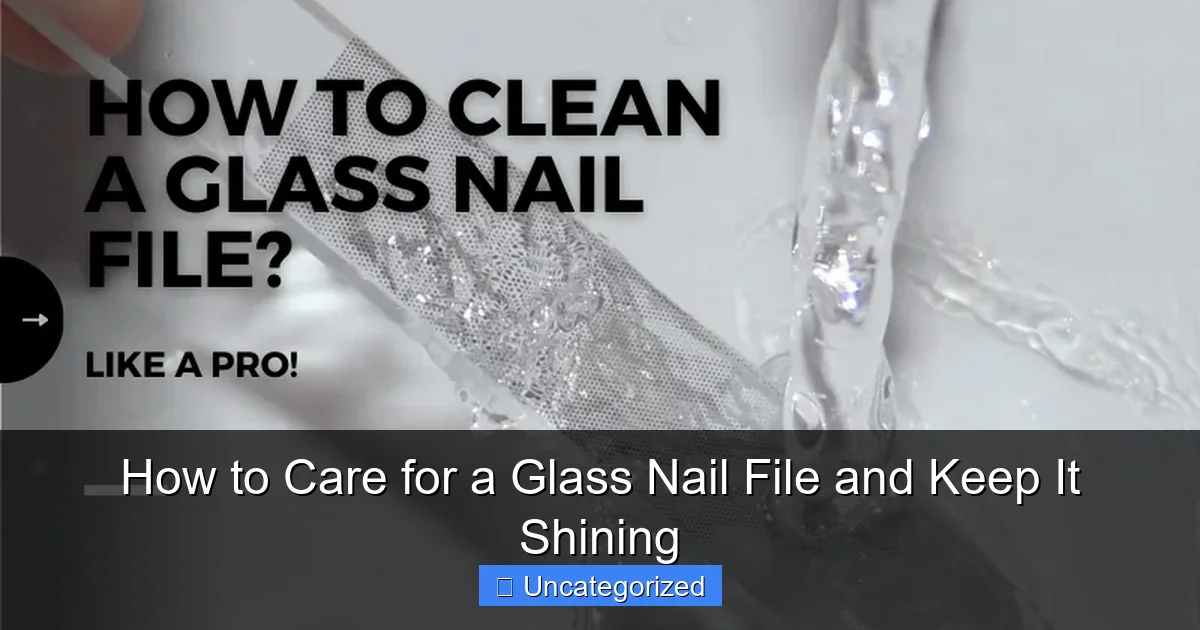
Featured image for how to care for a glass nail file
Image source: ueeshop.ly200-cdn.com
Always clean your glass nail file immediately after use to prevent nail debris and oils from building up, ensuring long-lasting shine and performance. Rinse it under warm water and gently scrub with a soft brush and mild soap, then dry thoroughly to avoid water spots and maintain its crystal-clear finish. With proper care, your glass nail file stays hygienic, effective, and looking like new.
Key Takeaways
- Clean after each use: Rinse with warm water and mild soap to prevent residue buildup.
- Disinfect weekly: Soak in 70% isopropyl alcohol to kill bacteria and maintain hygiene.
- Store properly: Use a protective case to avoid chipping or breaking the delicate glass.
- Avoid harsh chemicals: Skip acetone or bleach, which can degrade the glass surface.
- Inspect regularly: Check for cracks or rough edges that reduce filing efficiency.
- Handle with care: Dry thoroughly before storing to prevent moisture damage.
📑 Table of Contents
- Why Glass Nail Files Are a Game-Changer for Your Nail Care Routine
- Understanding the Anatomy of a Glass Nail File
- Daily Cleaning: The Foundation of Glass Nail File Care
- Deep Cleaning and Disinfection: When and How to Do It
- Proper Storage: Protecting Your Glass File from Damage
- Handling and Usage Tips to Prevent Wear and Tear
- Common Mistakes and How to Avoid Them
- Final Thoughts: Keep Your Glass File Shining for Years
Why Glass Nail Files Are a Game-Changer for Your Nail Care Routine
Glass nail files have rapidly become a staple in both professional salons and home manicure kits, and for good reason. Unlike traditional emery boards or metal files, glass nail files offer a smooth, precise, and gentle way to shape your nails without causing micro-tears or splitting. Crafted from tempered glass, these files are designed to last longer, reduce nail damage, and deliver salon-quality results with every use. But their durability and effectiveness depend heavily on how well you care for them. A well-maintained glass nail file can last for years—sometimes even a decade—while a neglected one may chip, lose its grit, or harbor bacteria.
Despite their sturdy appearance, glass nail files require specific care to maintain their performance and hygiene. Many people mistakenly believe that because glass is non-porous and durable, it doesn’t need much attention. However, proper cleaning, storage, and handling are essential to keep your file in peak condition. Whether you’re a nail care enthusiast, a professional technician, or someone who simply values high-quality beauty tools, learning how to care for a glass nail file ensures you get the most out of your investment. In this comprehensive guide, we’ll walk you through every step—from daily cleaning to long-term maintenance—so your glass nail file stays shiny, effective, and hygienic for years to come.
Understanding the Anatomy of a Glass Nail File
What Makes Glass Nail Files Different?
Glass nail files are typically made from tempered glass, a type of safety glass that has been chemically or thermally treated to increase its strength. This treatment allows the file to withstand pressure and impact far better than regular glass. The filing surface is created by etching or sandblasting the glass to produce a fine, consistent grit—usually ranging from 180 to 240 grit, which is ideal for natural nails. Unlike emery boards, which degrade over time and lose their grit, glass files maintain their texture because the abrasive layer is part of the glass itself, not a coating.
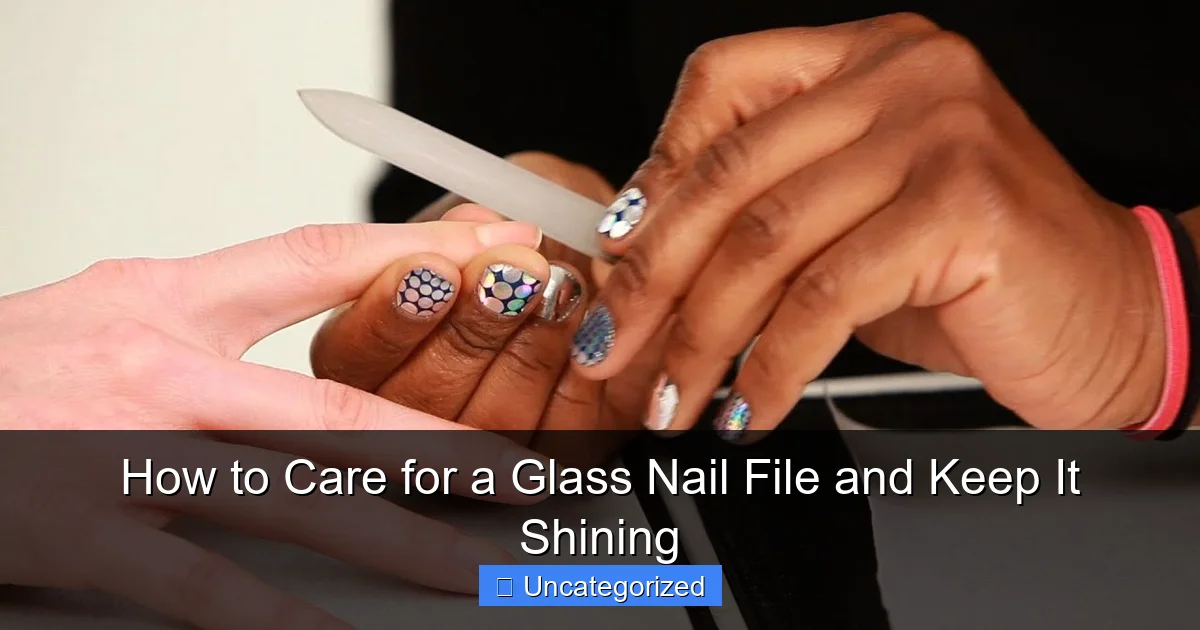
Visual guide about how to care for a glass nail file
Image source: i.ytimg.com
One of the standout features of glass files is their non-porous surface. This means they don’t absorb water, oils, or debris as easily as wooden or cardboard files, making them more hygienic and easier to sanitize. Additionally, glass files are bi-directional, meaning you can file in both directions without causing nail damage—a major advantage over traditional files that should only be used in one direction to prevent splitting.
Types of Glass Nail Files: Etched vs. Sandblasted
There are two primary methods used to create the filing surface on glass nail files: etching and sandblasting. Understanding the difference helps you choose the right file and care for it appropriately.
- Etched Glass Files: These are created using a chemical etching process that creates a fine, uniform texture. They are often considered more durable and provide a smoother filing experience. Etched files are less likely to chip and maintain their grit longer.
- Sandblasted Glass Files: These use high-pressure sand or aluminum oxide to create the abrasive surface. They tend to be slightly more aggressive and may wear down faster over time, especially if cleaned with abrasive methods.
Both types are excellent choices, but etched files are generally preferred for their longevity and gentler action on nails. Regardless of the type, proper care is essential to preserve the integrity of the filing surface and prevent premature wear.
Why Proper Care Extends Lifespan and Performance
While glass nail files are durable, they are not indestructible. Dropping them on hard surfaces can cause chipping or cracking, especially at the edges. More importantly, improper cleaning can degrade the grit or leave behind residue that reduces filing efficiency. For example, using harsh chemicals or abrasive scrubbers may wear down the surface over time, while failing to disinfect the file can lead to bacterial buildup—especially if used on multiple people.
By understanding the structure and material of your glass file, you can tailor your care routine to protect its surface, maintain hygiene, and ensure consistent performance. Think of it as an investment: a $15–$25 glass file, when cared for properly, can replace dozens of disposable emery boards and deliver superior results.
Daily Cleaning: The Foundation of Glass Nail File Care
Step-by-Step Cleaning Routine After Each Use
Cleaning your glass nail file after every use is the single most important step in maintaining its performance and hygiene. Here’s a simple, effective routine:
- Rinse with warm water: Hold the file under a gentle stream of warm (not hot) water. This helps loosen nail dust, oils, and debris from the surface.
- Use a soft-bristled brush: Gently scrub the filing surface with a clean, soft toothbrush or nail brush. Avoid using anything stiff or abrasive—this can scratch the glass or wear down the grit.
- Add mild soap (optional): If the file is particularly dirty or has visible residue, add a drop of mild dish soap or liquid hand soap. Work it into a lather with the brush, focusing on the filing surface and edges.
- Rinse thoroughly: Make sure all soap and debris are washed away. Any leftover residue can attract dust or reduce filing effectiveness.
- Pat dry with a lint-free cloth: Use a clean microfiber or cotton cloth to dry the file completely. Avoid paper towels, which can leave lint or micro-scratches.
- Inspect for damage: Check for chips, cracks, or areas where the grit appears worn. If you notice any issues, it may be time to replace the file.
This routine takes less than two minutes and should become a habit after every manicure or touch-up.
What to Avoid During Cleaning
To preserve your glass nail file, avoid these common cleaning mistakes:
- Using hot water: While warm water is fine, hot water can weaken the tempered glass over time, especially if there are micro-fractures. Stick to lukewarm or room-temperature water.
- Scrubbing with steel wool or abrasive pads: These will damage the filing surface and reduce effectiveness. Even a “soft” abrasive pad can wear down the grit prematurely.
- Using bleach or ammonia-based cleaners: Harsh chemicals can degrade the glass surface and compromise the integrity of the file. They may also leave a residue that affects filing.
- Soaking the file for long periods: While brief rinsing is fine, prolonged soaking (more than 10–15 minutes) can cause water to seep into any micro-cracks, potentially weakening the glass.
One practical tip: keep a dedicated cleaning brush just for your glass file. Label it or store it separately to avoid cross-contamination with other bathroom items.
Real-World Example: A Salon Professional’s Routine
Maria, a licensed nail technician in Austin, uses glass nail files on over 30 clients per week. Her daily cleaning routine is strict: “After each client, I rinse the file under warm water, scrub it with a soft brush and a tiny drop of Dawn dish soap, then dry it immediately. At the end of the day, I do a quick wipe with 70% isopropyl alcohol for extra disinfection.” She’s been using the same glass file for over four years and says it performs as well as the day she bought it. “People think glass files are fragile, but with care, they’re actually the most durable tool I own.”
Deep Cleaning and Disinfection: When and How to Do It
When Deep Cleaning Is Necessary
While daily cleaning removes surface debris, deep cleaning and disinfection are essential for maintaining hygiene—especially if the file is used on multiple people (e.g., in a salon setting) or if you have sensitive nails prone to infection. Deep cleaning should be performed:
- Once a week for personal use.
- At the end of each workday for salon professionals.
- After using on an infected or inflamed nail (e.g., fungal infection, hangnail).
- Before lending the file to someone else.
Deep cleaning ensures that bacteria, fungi, and viruses are eliminated, reducing the risk of cross-contamination.
Safe Disinfection Methods
Glass is non-porous, making it highly compatible with disinfectants. However, not all disinfectants are safe for glass files. Here are the best methods:
- 70% Isopropyl Alcohol: This is the gold standard. Soak the file in a container with 70% alcohol for 10–15 minutes, then rinse with water and dry. Alcohol evaporates quickly and doesn’t leave residue.
- Hydrogen Peroxide (3%): Soak for 10 minutes, then rinse and dry. Effective against bacteria and fungi, but less potent than alcohol.
- UV Sanitizer: Place the file in a UV-C nail tool sanitizer for the recommended time (usually 5–10 minutes). This method is chemical-free and excellent for home use.
Never use bleach, ammonia, or commercial bathroom cleaners—they can corrode the glass or leave toxic residues.
Step-by-Step Deep Cleaning Guide
- Start with daily cleaning (rinse, scrub, dry).
- Place the file in a clean glass or plastic container.
- Add enough 70% isopropyl alcohol to fully submerge the file.
- Soak for 10–15 minutes. Do not exceed 20 minutes to avoid potential weakening of tempered glass.
- Remove the file and rinse thoroughly with warm water.
- Dry completely with a lint-free cloth.
- Store in a clean, dry case or pouch.
For extra peace of mind, some users follow up with a UV sanitizer after alcohol soaking. This dual method ensures maximum disinfection without damaging the file.
Proper Storage: Protecting Your Glass File from Damage
Why Storage Matters
Even the most durable glass nail file can be ruined by poor storage. Dropping it, leaving it in a damp bathroom drawer, or tossing it into a cluttered makeup bag can lead to chipping, cracking, or contamination. Proper storage protects the file from physical damage and keeps it hygienic between uses.
Best Storage Practices
- Use a protective case or pouch: Most glass files come with a plastic, silicone, or fabric sleeve. Keep it in there when not in use. If yours didn’t come with one, buy a small zippered pouch or make one from soft fabric.
- Store in a dry, cool place: Avoid humid environments like the bathroom sink area. Moisture can promote mold growth in storage cases and weaken adhesives in some file designs.
- Keep it upright or flat: Don’t store the file on its edge—this increases the risk of chipping. Lay it flat in a drawer or stand it upright in a tool organizer.
- Separate from metal tools: Storing your glass file with metal cuticle pushers or scissors can cause scratches or chips if they knock together.
For salon professionals, consider using a tool caddy with individual slots to keep files separated and protected. Label each slot for easy identification.
Travel Tips: Keeping Your File Safe on the Go
If you travel frequently, invest in a compact, hard-shell case for your glass nail file. Look for one with a soft interior lining to prevent movement. Alternatively, wrap the file in a microfiber cloth and place it in a small plastic container (like a pill box). Never toss it loose into a toiletry bag—this is a recipe for breakage.
Tip: Keep a spare glass file at home and one in your travel kit. This way, you’re never without your preferred tool, and you can rotate use to extend each file’s life.
Handling and Usage Tips to Prevent Wear and Tear
Filing Technique: Gentle Is Better
Glass nail files are designed for light, even strokes. Unlike metal files, which require more pressure, glass files work best with a gentle touch. Apply light pressure and use short, controlled strokes in one direction (or both, if the file is bi-directional). Avoid sawing back and forth aggressively—this can wear down the grit and increase the risk of chipping the glass.
For best results, file your nails when they’re dry. Wet nails are more prone to splitting and can dull the file faster.
What Not to Do with Your Glass File
- Don’t file artificial nails or acrylics: The hard surface can scratch the glass and wear down the grit quickly. Use a metal file for artificial enhancements.
- Don’t use it as a cuticle pusher: The tip may look pointed, but it’s not designed for pushing back cuticles. This can cause chipping or breakage.
- Don’t leave it in direct sunlight: Prolonged UV exposure can weaken tempered glass over time, especially if the file is already micro-fractured.
- Don’t drop it: While tempered glass is strong, a hard impact on tile or concrete can still cause cracks or shattering. Handle with care.
Extending Lifespan: Rotation and Replacement
Even with perfect care, glass nail files don’t last forever. The grit will eventually wear down, especially with frequent use. As a general rule:
- Replace the file when the surface feels smooth or less effective.
- Inspect monthly for chips, cracks, or discoloration.
- Consider rotating between two glass files to reduce wear on a single tool.
With proper care, a high-quality glass nail file can last 3–5 years or more. Some users report using the same file for over a decade—proof that care truly pays off.
Common Mistakes and How to Avoid Them
| Mistake | Why It’s Harmful | Correct Approach |
|---|---|---|
| Using hot water to clean | Can weaken tempered glass and cause cracking | Use warm or room-temperature water |
| Scrubbing with abrasive pads | Wears down grit and scratches glass | Use a soft-bristled brush only |
| Storing in a damp bathroom drawer | Promotes bacterial growth and weakens storage materials | Store in a dry, ventilated area with a protective case |
| Filing wet nails | Increases splitting risk and dulls the file faster | File nails when dry |
| Using bleach for disinfection | Can corrode glass and leave toxic residue | Use 70% isopropyl alcohol or UV sanitizer |
By avoiding these common pitfalls, you ensure your glass nail file remains a reliable, hygienic, and effective tool for years. Remember: how to care for a glass nail file isn’t just about cleaning—it’s about adopting a holistic approach to handling, storing, and using it wisely.
Final Thoughts: Keep Your Glass File Shining for Years
Caring for a glass nail file is simple, but it requires consistency and attention to detail. From the moment you first use it, establishing a routine of daily cleaning, weekly disinfection, and proper storage makes all the difference. Unlike disposable files that you toss after a few uses, a glass file is a long-term investment in your nail health and beauty routine. With the right care, it can outlast countless emery boards, deliver smoother results, and reduce the risk of nail damage.
Think of your glass nail file as a high-performance tool—like a chef’s knife or a camera lens. It deserves respect, regular maintenance, and a safe place to rest when not in use. Whether you’re a DIY manicure lover or a professional technician, mastering how to care for a glass nail file ensures you always have a clean, sharp, and effective tool at your fingertips.
So, the next time you reach for your glass file, take that extra minute to clean it, dry it, and store it properly. Your nails—and your future self—will thank you. Keep it shining, keep it sharp, and enjoy the flawless finish only a well-maintained glass nail file can provide.
Frequently Asked Questions
How do I clean a glass nail file properly?
To clean your glass nail file, rinse it under warm water and gently scrub with a soft brush and mild soap. Avoid harsh chemicals to prevent damaging the filing surface. Always dry it thoroughly with a lint-free cloth to maintain clarity.
Can I sterilize my glass nail file for hygiene?
Yes, you can sterilize your glass nail file by soaking it in 70% isopropyl alcohol for 5–10 minutes or wiping it with an alcohol-soaked cotton pad. Let it air dry completely before reuse to ensure safe, germ-free filing.
How often should I replace my glass nail file?
With proper care, a high-quality glass nail file can last years. Replace it if you notice cracks, chips, or a dull filing surface, as these reduce effectiveness and may damage nails.
Is it safe to use a glass nail file on weak or brittle nails?
Absolutely—glass nail files are ideal for weak or brittle nails because their fine grit creates smoother edges without snagging. Just apply light pressure to avoid stress on fragile nails.
How should I store my glass nail file to prevent damage?
Store your glass nail file in a protective case or pouch to prevent scratches or breakage. Keep it in a dry place, away from heavy objects that could crack or chip it.
Why is my glass nail file losing its shine?
A glass nail file may lose shine due to mineral buildup or residue. Clean it weekly with soapy water and polish with a microfiber cloth to restore its luster and keep it looking new.