
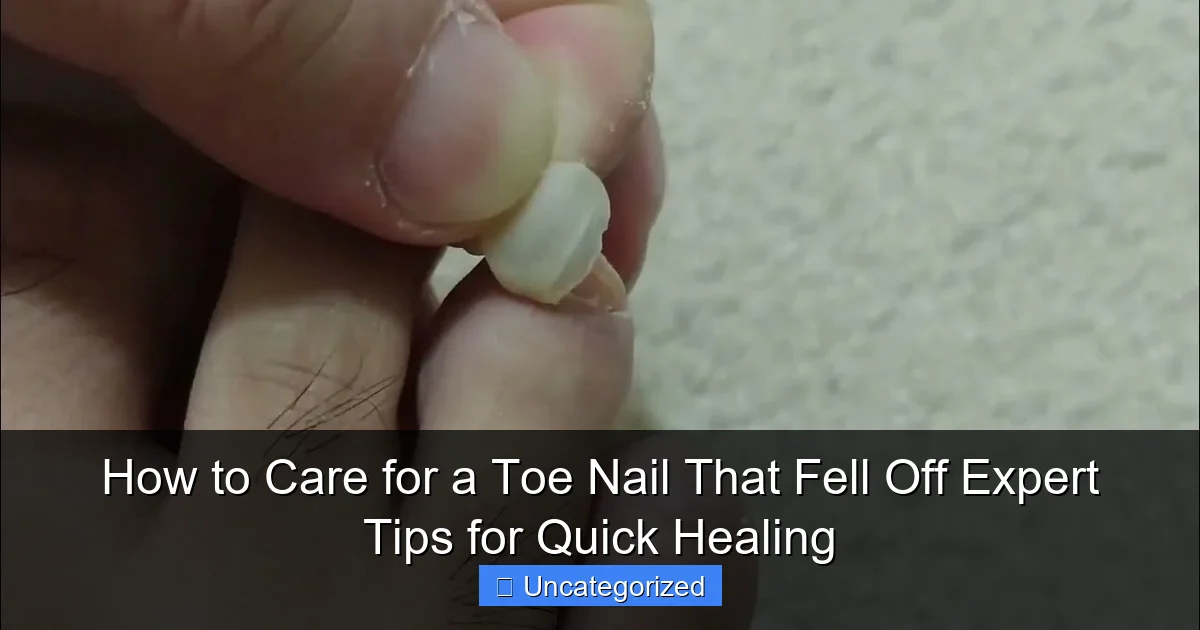
Featured image for how to care for a toe nail that fell off
Image source: i.ytimg.com
Keep the area clean and dry to prevent infection—gently wash with mild soap, apply an antiseptic, and cover with a sterile bandage. Protect the exposed nail bed by wearing open-toed shoes and avoiding pressure, while allowing the nail to regrow naturally over several months with proper foot hygiene and monitoring for signs of infection.
Key Takeaways
- Keep the area clean: Wash gently with mild soap and water to prevent infection.
- Apply antibiotic ointment: Use daily to protect the exposed nail bed from bacteria.
- Wear breathable footwear: Choose open-toed shoes to reduce pressure and friction.
- Trim loose skin carefully: Use sterilized tools to avoid further injury or tearing.
- Monitor for signs of infection: Seek medical help if you notice redness, pus, or swelling.
- Avoid nail trauma: Refrain from tight shoes or activities that stress the toe.
📑 Table of Contents
- Understanding the Causes of a Lost Toenail
- Immediate First Aid Steps After a Toenail Falls Off
- Daily Care and Hygiene for Faster Healing
- Nutrition and Supplements to Support Nail Regrowth
- Monitoring Healing Progress and Recognizing Complications
- Preventing Future Toenail Loss and Promoting Long-Term Health
- Conclusion
Understanding the Causes of a Lost Toenail
Having a toenail fall off can be both alarming and painful. Whether it’s the result of an injury, fungal infection, or a long-term medical condition, losing a toenail can disrupt your daily routine and cause discomfort. While it might seem like a minor issue, proper care is essential to prevent complications such as infections, delayed healing, or even permanent nail deformities. The good news? With the right knowledge and care, your toenail can regrow healthily and your toe can recover quickly.
Toenails, much like fingernails, are protective layers made of keratin. They grow slowly—typically 1 to 2 millimeters per month—and are vulnerable to a range of external and internal factors. Trauma from stubbing your toe, wearing ill-fitting shoes, or participating in high-impact sports like running or soccer are common causes. Additionally, underlying health issues such as onycholysis (nail separation), psoriasis, or fungal infections (onychomycosis) can weaken the nail bed, making detachment more likely. Understanding the root cause of your lost toenail is the first step in preventing future incidents and ensuring a smooth recovery.
Common Causes of Toenail Loss
- Trauma or Injury: Dropping a heavy object on your foot, stubbing your toe, or repeated pressure from tight shoes (e.g., during long runs) can cause the nail to lift and fall off. This is especially common in runners and athletes.
- Fungal Infections: Onychomycosis affects up to 10% of the global population and often leads to thickened, discolored, and brittle nails that may eventually detach from the nail bed.
- Medical Conditions: Psoriasis, diabetes, thyroid disorders, and circulatory issues can impair nail growth and increase the risk of nail loss.
- Chemical Exposure: Prolonged use of harsh nail polishes, removers, or cleaning agents can weaken the nail structure.
- Improper Nail Trimming: Cutting toenails too short or rounding the edges can lead to ingrown nails, which may progress to detachment.
<
<
When to Seek Medical Attention
While many cases of toenail loss are minor and heal on their own, some require professional evaluation. You should consult a healthcare provider if:
- There is severe pain, swelling, or pus indicating infection.
- The nail bed appears black, purple, or severely bruised, which could signal a hematoma (blood blister under the nail).
- You have diabetes or poor circulation, as these conditions increase the risk of complications.
- More than one nail has fallen off or the condition recurs frequently.
Early diagnosis can prevent long-term damage and ensure appropriate treatment, especially in cases involving infection or chronic illness.
Immediate First Aid Steps After a Toenail Falls Off
The first 24 to 48 hours after a toenail detaches are critical for preventing infection and promoting healing. Immediate care can make a significant difference in recovery time and comfort. Whether the nail came off due to trauma or gradually separated over time, acting quickly and correctly is essential.
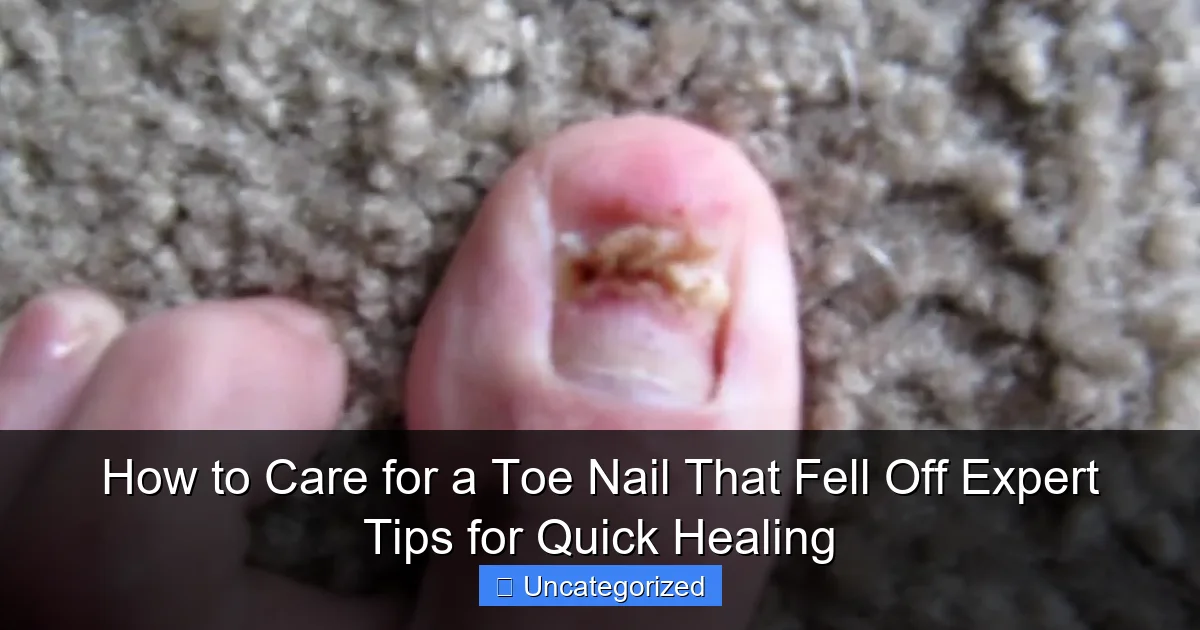
Visual guide about how to care for a toe nail that fell off
Image source: i.ytimg.com
Clean the Affected Area
Begin by gently washing the exposed nail bed and surrounding skin with mild soap and lukewarm water. Avoid hot water, as it can irritate the sensitive tissue. Use a soft cloth or cotton pad to clean the area, and do not scrub. This step removes bacteria, debris, and any residual nail fragments that could lead to infection.
Example: If you lost your toenail after dropping a tool on your foot, rinse the toe immediately. Even if the nail is still partially attached, clean the area to prevent dirt from getting trapped under the loose nail.
Apply an Antiseptic
After cleaning, apply an antiseptic solution such as povidone-iodine (Betadine), hydrogen peroxide (use sparingly), or chlorhexidine. These help kill bacteria and reduce the risk of infection. Avoid alcohol-based solutions, which can sting and dry out the skin.
- Tip: Use a cotton swab to apply antiseptic gently to the nail bed without pressing too hard.
- Caution: Hydrogen peroxide should be diluted (1:1 with water) to prevent tissue damage.
Protect the Nail Bed
Cover the exposed nail bed with a non-stick sterile dressing such as Telfa or a hydrocolloid bandage. This protects the area from friction, dirt, and further trauma. Change the dressing daily or whenever it becomes wet or soiled.
Pro Tip: For added comfort, apply a thin layer of petroleum jelly (Vaseline) before covering with the dressing. This creates a moisture barrier and prevents the bandage from sticking to the healing tissue.
Elevate and Rest the Foot
If the toe is swollen or bruised, elevate your foot above heart level for 15–20 minutes several times a day. This reduces inflammation and promotes blood flow. Avoid putting pressure on the affected toe—wear open-toed shoes or sandals when possible.
Example: After a long day of walking or standing, prop your foot up with a pillow while watching TV or reading to aid recovery.
Manage Pain and Swelling
Over-the-counter pain relievers like acetaminophen (Tylenol) or ibuprofen (Advil, Motrin) can help with pain and inflammation. Apply a cold compress wrapped in a cloth for 10–15 minutes at a time to reduce swelling and numb discomfort.
- Note: Avoid direct ice contact with the skin to prevent frostbite or irritation.
Daily Care and Hygiene for Faster Healing
Once the initial phase is over, consistent daily care becomes the cornerstone of recovery. Healing a toe without a nail can take several months, so establishing a routine ensures the nail bed stays clean, moisturized, and infection-free.
Keep the Area Clean and Dry
Wash your foot daily with mild soap and water, especially before bed. Dry thoroughly—moisture is a breeding ground for bacteria and fungi. Use a clean towel and pay special attention to the space between toes.
Example: After showering, use a hair dryer on a cool setting to blow air between your toes to ensure they are completely dry.
Use Moisturizing Ointments
Apply a moisturizing ointment such as urea-based creams, lanolin, or vitamin E oil to the nail bed and surrounding skin. Dry, cracked skin can delay healing and increase infection risk. Moisturizers also support cell regeneration and prevent scabbing.
- Tip: Apply ointment at night and wear cotton socks to lock in moisture.
- Product Recommendation: Eucerin Advanced Repair Cream or Aquaphor Healing Ointment are excellent choices.
Wear Proper Footwear
Choose shoes with a wide toe box to avoid pressure on the healing nail bed. Avoid high heels, tight sneakers, or pointed shoes. Opt for breathable materials like mesh or leather.
Example: If you’re returning to work, wear roomy dress shoes or loafers instead of pointed oxfords.
For added protection, consider using toe caps or gel pads that cushion the exposed area and prevent friction.
Change Bandages Regularly
Replace your dressing every 24 hours or sooner if it becomes damp or dirty. Before reapplying, clean the area again and inspect for signs of infection (redness, pus, increased pain).
- Pro Tip: Use adhesive bandages with a foam pad (e.g., Band-Aid Flexible Fabric) for better cushioning.
Avoid Irritants and Harsh Chemicals
Do not use nail polish, acetone-based removers, or scented lotions on the affected toe. These can irritate the exposed nail bed and delay healing. Also, avoid walking barefoot in public places like gyms or pools to prevent fungal exposure.
Nutrition and Supplements to Support Nail Regrowth
Healing and regrowing a toenail isn’t just about external care—it also depends on internal health. Your body needs essential nutrients to produce keratin, the protein that forms nails. A balanced diet and targeted supplementation can accelerate recovery and improve nail strength.
Key Nutrients for Nail Health
- Protein: Nails are 80% protein. Include lean meats, eggs, fish, legumes, and dairy in your diet.
- Biotin (Vitamin B7): Known to strengthen nails and prevent brittleness. Found in eggs, almonds, sweet potatoes, and spinach. Supplements: 2.5–10 mg daily (consult a doctor first).
- Iron: Iron deficiency (anemia) can cause spoon-shaped or brittle nails. Sources: red meat, lentils, spinach, fortified cereals.
- Zinc: Supports cell division and tissue repair. Found in oysters, pumpkin seeds, and beef.
- Omega-3 Fatty Acids: Reduce inflammation and support skin and nail health. Sources: salmon, flaxseeds, walnuts.
- Vitamin C: Essential for collagen production. Citrus fruits, bell peppers, and broccoli are excellent sources.
Hydration Matters
Drink at least 8–10 glasses of water per day. Dehydration leads to dry, brittle nails. If you’re active or live in a hot climate, increase your intake accordingly.
Example: Carry a reusable water bottle and set reminders to drink water every hour.
Supplement Recommendations
While food sources are best, supplements can help fill gaps:
- Biotin + Collagen Complex: Combines nail-strengthening ingredients.
- Multivitamin for Men/Women: Choose one with iron, zinc, and B-complex vitamins.
- Omega-3 Fish Oil: 1,000–2,000 mg daily (EPA/DHA).
Caution: Always consult your healthcare provider before starting supplements, especially if you have underlying conditions or take medications.
Foods to Avoid
- Sugary snacks and processed foods: Can promote inflammation and fungal growth.
- Alcohol: Dehydrates the body and impairs nutrient absorption.
Monitoring Healing Progress and Recognizing Complications
Tracking your healing process helps ensure everything is progressing normally. While minor discomfort is expected, certain signs indicate complications that need medical attention.
Signs of Normal Healing
- Redness and swelling gradually decrease after the first few days.
- A thin layer of new tissue (epithelium) forms over the nail bed within 1–2 weeks.
- Pink or white nail growth appears at the base (cuticle area) after 4–6 weeks.
- No pus, foul odor, or increasing pain.
Example: After two weeks, you notice a smooth, shiny layer covering the nail bed—this is a good sign of epithelialization.
Warning Signs of Infection or Delayed Healing
- Increased redness, warmth, or swelling after 3–4 days.
- Pus or yellow/green discharge from the nail bed.
- Foul smell emanating from the toe.
- Persistent or worsening pain, especially at night.
- No new nail growth after 8 weeks.
- Fever or chills (indicating systemic infection).
If you notice any of these, contact a podiatrist or primary care physician immediately. Early treatment with antibiotics or antifungals can prevent serious complications.
When to See a Podiatrist
Schedule a visit if:
- The nail bed remains raw or ulcerated after 4 weeks.
- You have a history of diabetes or poor circulation.
- The nail grows back abnormally (thickened, curved, or discolored).
- You suspect a fungal or bacterial infection.
Preventing Future Toenail Loss and Promoting Long-Term Health
Once your toenail has healed, focus on prevention to avoid recurrence. Healthy habits protect your nails and overall foot health.
Wear Proper-Fitting Shoes
Shoes should have:
- At least 1/2 inch of space between your longest toe and the shoe end.
- Arch support and cushioned soles.
- Breathable materials to reduce moisture.
Tip: Shop for shoes in the afternoon when feet are slightly swollen for a better fit.
Trim Toenails Correctly
Cut straight across and slightly rounded at the edges. Never cut too short or dig into corners. Use clean, sharp nail clippers.
- Frequency: Every 6–8 weeks or when nails extend beyond the toe.
Manage Underlying Health Conditions
If you have diabetes, psoriasis, or fungal infections, follow your treatment plan rigorously. Regular foot exams and blood sugar control are crucial.
Protect Feet During Sports
Wear sport-specific shoes (e.g., running shoes with shock absorption). Use moisture-wicking socks and consider toe guards for high-impact activities.
Regular Foot Inspections
Check your feet weekly for cuts, blisters, discoloration, or nail changes. Early detection prevents problems from escalating.
Data Table: Average Nail Regrowth Timeline
| Stage | Timeframe | Description | Care Tips |
|---|---|---|---|
| Initial Healing (0–7 days) | Days 1–7 | Cleaning, antiseptic, bandaging | Keep dry, elevate foot, avoid pressure |
| Epithelialization (1–2 weeks) | Days 7–14 | New skin layer forms over nail bed | Moisturize, change bandages daily |
| Nail Regrowth (3–6 weeks) | Weeks 3–6 | Visible nail growth at cuticle | Continue hygiene, wear protective shoes |
| Full Regrowth (3–6 months) | 3–6 months | Complete nail restoration | Monitor for abnormalities, maintain healthy diet |
Remember, every individual heals at a different pace. Factors like age, nutrition, and overall health influence the timeline. Patience and consistency are key.
Conclusion
Having a toenail fall off is more than just a cosmetic concern—it’s a signal that your body needs attention. With the right care, from immediate first aid to long-term prevention, you can ensure a smooth recovery and promote strong, healthy nail regrowth. The journey from a bare nail bed to a fully restored toenail may take months, but each step you take—cleaning, protecting, nourishing, and monitoring—brings you closer to healing.
By understanding the causes of toenail loss, applying proper first aid, maintaining daily hygiene, supporting your body with nutrition and supplements, and monitoring for complications, you empower yourself to recover faster and avoid future issues. Prevention, through proper footwear, nail care, and health management, is just as important as treatment.
Don’t underestimate the power of small, consistent actions. A few minutes of daily care can save you from weeks of pain and complications. Whether you’re an athlete, a busy professional, or someone managing a chronic condition, your feet deserve attention. Treat your toes with care, and they’ll carry you through life with comfort and confidence. Your healing journey starts now—step by step, nail by nail.
Frequently Asked Questions
How do I care for a toe nail that fell off to prevent infection?
Clean the area gently with mild soap and water, then apply an antiseptic ointment. Cover it with a sterile bandage to protect the exposed nail bed and reduce infection risks.
How long does it take for a new toenail to grow after one falls off?
Toenails typically regrow in 6–12 months, depending on the cause and your overall health. Proper care for a toe nail that fell off can support healthier, faster regrowth.
Should I keep the area covered or let it breathe?
Cover it during the day with a breathable bandage, especially when wearing shoes, but let it air out at night. This balance protects the sensitive skin while promoting healing.
What are the signs of infection after a toenail falls off?
Watch for redness, swelling, pus, or increasing pain. If these symptoms appear, seek medical care immediately to treat the infection and prevent complications.
Can I walk normally with a missing toenail?
You can walk, but wear soft, well-fitting shoes and avoid pressure on the affected toe. Padding or orthotic inserts may help reduce discomfort during healing.
How can I relieve pain and swelling after a toenail falls off?
Soak your foot in warm water with Epsom salts and elevate it to reduce swelling. Over-the-counter pain relievers like ibuprofen can help manage discomfort.