
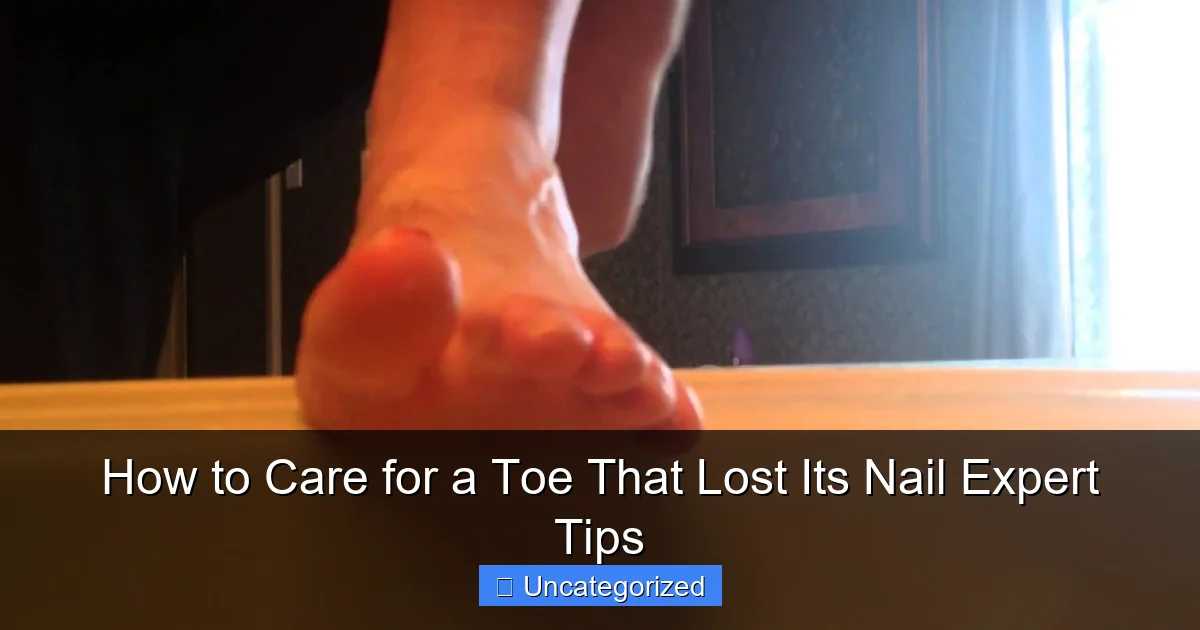
Featured image for how to care for a toe that lost its nail
Image source: i.ytimg.com
Keep the area clean and dry to prevent infection—this is the most critical step when caring for a toe that lost its nail. Use antiseptic soaks, apply an antibiotic ointment, and cover with a sterile bandage to promote healing and reduce pain. Avoid tight footwear and monitor for signs of infection like redness, swelling, or pus.
Key Takeaways
- Keep it clean: Wash the toe daily with mild soap and water to prevent infection.
- Protect the area: Cover with a sterile bandage or dressing to avoid irritation and trauma.
- Elevate when possible: Reduce swelling by propping your foot up during rest periods.
- Avoid tight footwear: Wear open-toed or loose shoes to minimize pressure on the toe.
- Monitor for infection: Watch for redness, pus, or fever and seek medical help if present.
- Don’t pick or trim: Let the new nail grow naturally without interference or cutting.
📑 Table of Contents
- Understanding Nail Loss: Causes and Immediate Reactions
- Daily Care Routine for a Toe Without a Nail
- Preventing Infections and Complications
- Promoting Nail Regrowth and Long-Term Healing
- Special Considerations for Athletes and Active Individuals
- Data Table: Common Treatments for Nail Loss
- Conclusion: A Roadmap to Recovery
Understanding Nail Loss: Causes and Immediate Reactions
Common Causes of Toenail Loss
Losing a toenail can be a startling experience, but it’s more common than you might think. Whether it’s due to an injury, fungal infection, or even a chronic condition like psoriasis, the causes of toenail loss are varied. Trauma is the most frequent culprit—stubbing your toe, dropping something heavy on it, or even repetitive pressure from tight shoes can lead to a nail detaching. For example, runners and athletes often experience what’s known as “runner’s toe,” where the nail repeatedly hits the inside of the shoe, causing it to loosen over time. Fungal infections, such as onychomycosis, can also weaken the nail bed, making the nail brittle and prone to falling off. Additionally, medical conditions like anemia, thyroid disorders, or poor circulation can contribute to nail loss, making it crucial to consult a healthcare provider if you notice recurring issues.
Immediate Steps to Take
The moment your toenail detaches, your priority should be to prevent infection and manage pain. Start by gently cleaning the area with warm water and mild soap to remove any debris. Avoid using hydrogen peroxide or alcohol, as these can irritate the exposed nail bed. If the nail is partially attached, resist the urge to pull it off—instead, trim it carefully with sterile nail clippers to prevent further tearing. Apply an antiseptic ointment and cover the toe with a non-stick bandage. For instance, if you’re at home, you can use a clean gauze pad secured with medical tape. If the injury is severe—accompanied by significant bleeding, swelling, or pain—seek medical attention immediately. A doctor may recommend antibiotics or other treatments to prevent complications.
Daily Care Routine for a Toe Without a Nail
Cleaning and Disinfecting
Maintaining hygiene is critical to prevent infections and promote healing. Clean the affected toe daily with mild soap and lukewarm water, using a soft cloth or cotton pad to gently wipe around the nail bed. Avoid scrubbing, as the exposed skin is sensitive. After washing, pat the area dry with a clean towel—never rub. Apply an over-the-counter antiseptic, such as iodine or chlorhexidine, to disinfect the area. Pro tip: If you’re prone to fungal infections, consider using an antifungal spray or powder to keep the area dry and fungus-free. Repeat this routine twice daily until the nail bed heals.
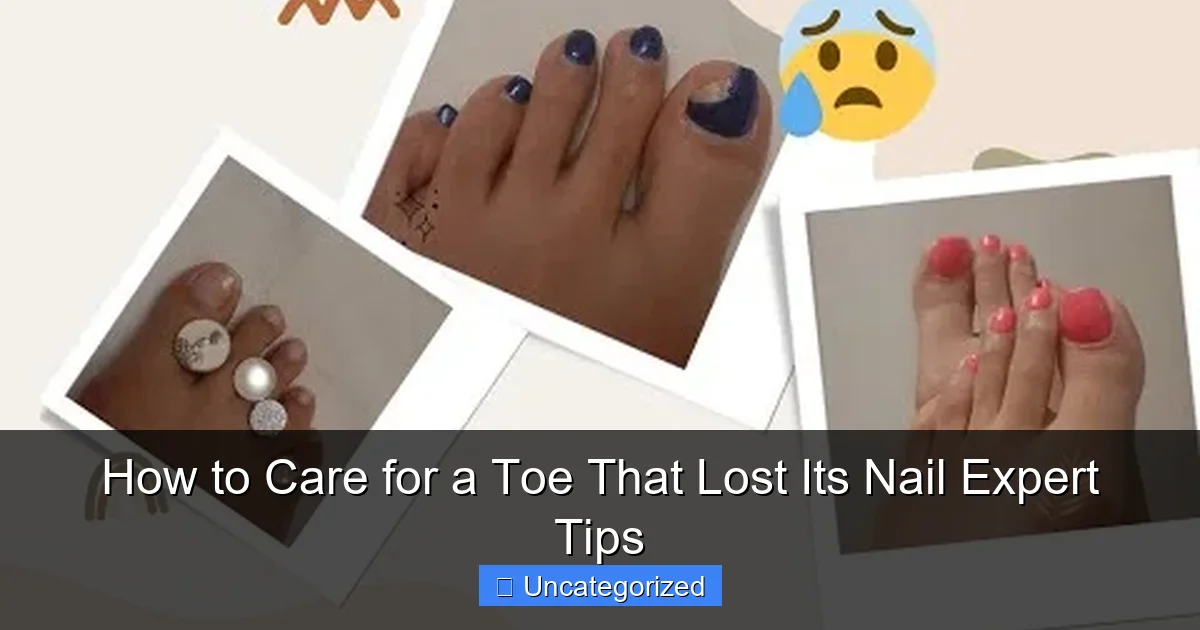
Visual guide about how to care for a toe that lost its nail
Image source: i.ytimg.com
Protecting the Toe
Without a nail, your toe is vulnerable to pressure, friction, and environmental hazards. Protect it by wearing open-toed shoes or sandals to minimize pressure. If you must wear closed shoes, opt for a roomy, breathable pair with a soft insole. For example, athletic shoes with extra padding or diabetic shoes (designed for sensitive feet) can help. Cover the toe with a sterile, non-adhesive bandage or a specialized toe cap. These products are available at pharmacies and provide a protective barrier without sticking to the raw nail bed. If you’re active, consider using a toe sleeve or gel pad to cushion the area during movement.
Moisturizing and Soothing
The exposed nail bed can become dry and cracked, leading to discomfort. Apply a gentle, fragrance-free moisturizer, such as petroleum jelly or a urea-based cream, to keep the area hydrated. Avoid products with alcohol or heavy fragrances, as these can sting. For added relief, soak your foot in a warm Epsom salt bath (1/2 cup of Epsom salt per gallon of water) for 10–15 minutes, 2–3 times a week. This can reduce inflammation and promote healing. Note: Always dry the toe thoroughly after soaking to prevent moisture-related infections.
Preventing Infections and Complications
Recognizing Signs of Infection
An exposed nail bed is a breeding ground for bacteria and fungi. Watch for red flags like increased redness, swelling, pus, or a foul odor. If you notice these symptoms, consult a healthcare provider immediately. Other warning signs include fever, throbbing pain, or the infection spreading to other toes. For instance, a small cut near the nail bed can quickly turn into cellulitis (a bacterial skin infection) if untreated. Early intervention is key to avoiding serious complications, such as osteomyelitis (bone infection) or sepsis.
Antibiotics and Topical Treatments
If an infection develops, your doctor may prescribe oral antibiotics or recommend a topical treatment. Common antibiotics for toe infections include cephalexin or clindamycin, while topical options might include mupirocin ointment. For fungal infections, antifungal creams like terbinafine or clotrimazole can be effective. Important: Follow your doctor’s instructions precisely—don’t stop treatment early, even if symptoms improve. Over-the-counter pain relievers, such as ibuprofen or acetaminophen, can help manage discomfort while you heal.
When to See a Doctor
While minor nail loss can often be managed at home, certain scenarios require professional care. Seek medical help if:
- The nail was lost due to a severe injury (e.g., crushed toe).
- You have diabetes, poor circulation, or a weakened immune system.
- The infection worsens despite home care.
- You notice black or discolored tissue, which could indicate necrosis (tissue death).
Your doctor may perform tests, such as a nail bed biopsy or imaging, to rule out underlying conditions.
Promoting Nail Regrowth and Long-Term Healing
Nutrition for Nail Health
Healthy nail regrowth depends on proper nutrition. Focus on foods rich in biotin (eggs, nuts, whole grains), protein (lean meats, legumes), and omega-3 fatty acids (salmon, flaxseeds). Vitamin deficiencies, particularly iron and zinc, can slow regrowth. For example, a 2020 study in the Journal of Clinical and Aesthetic Dermatology found that biotin supplements improved nail thickness in 63% of participants. Consider a multivitamin if your diet lacks these nutrients.
Gentle Nail Bed Stimulation
To encourage regrowth, lightly massage the nail bed with a nourishing oil (e.g., jojoba or coconut oil) daily. This improves blood circulation and delivers nutrients to the area. Avoid aggressive rubbing, which can irritate the tissue. Tip: Use a soft-bristled toothbrush to gently exfoliate the nail bed once a week, removing dead skin cells without damaging the new nail matrix.
Patience and Monitoring Progress
Toenails grow slowly—about 1–2 mm per month—so healing can take 6–12 months. Track progress by taking monthly photos or measuring the nail’s growth with a ruler. If regrowth stalls or the new nail appears misshapen, consult a podiatrist. They may recommend treatments like nail matrix injections or laser therapy for stubborn cases.
Special Considerations for Athletes and Active Individuals
Footwear Adjustments
Active individuals need to modify their footwear to protect the injured toe. Choose shoes with a wide toe box (e.g., Altra or Hoka) and moisture-wicking socks to reduce friction. For example, runners should avoid shoes with rigid toe caps that press against the nail bed. Consider orthotic inserts to redistribute pressure evenly across the foot.
Activity Modifications
High-impact activities like running or jumping can delay healing. Switch to low-impact exercises, such as swimming or cycling, until the nail bed is fully protected. If you must continue your regular routine, use toe guards or gel sleeves to shield the area. Pro tip: Apply moleskin or athletic tape to the shoe’s interior to create a smoother surface.
Preventing Future Nail Loss
Prevent recurrence by trimming nails straight across (not rounded) and keeping them at a moderate length. Avoid tight shoes and repetitive trauma. If you’re prone to fungal infections, disinfect shoes with antifungal sprays and alternate pairs daily to let them dry fully.
Data Table: Common Treatments for Nail Loss
| Treatment | Best For | Frequency | Notes |
|---|---|---|---|
| Epsom Salt Soaks | Reducing inflammation, cleaning | 2–3 times/week | Use warm water; dry thoroughly after |
| Antifungal Cream | Fungal infections | Twice daily | Apply for 4–6 weeks, even after symptoms fade |
| Biotin Supplements | Nutritional deficiency | Daily | 2.5 mg/day; consult a doctor for dosage |
| Toe Caps | Physical protection | As needed | Replace if worn or dirty |
| Antibiotics (Oral) | Bacterial infections | As prescribed | Complete the full course |
Conclusion: A Roadmap to Recovery
Caring for a toe without a nail requires a blend of hygiene, protection, and patience. By following a consistent care routine, watching for signs of infection, and supporting regrowth with proper nutrition, you can navigate this recovery phase effectively. Remember, while home remedies are helpful, never hesitate to seek professional care for severe or persistent issues. With the right approach, your toenail will grow back stronger, and your toe will return to full health. Key takeaway: Prevention is just as important as treatment—adjust your footwear, monitor your foot health, and address minor issues before they escalate. Your feet carry you through life; treat them with the care they deserve.
Frequently Asked Questions
How do I care for a toe that lost its nail to prevent infection?
Clean the area daily with mild soap and water, then apply an antiseptic and cover it with a sterile bandage. Avoid tight shoes to reduce pressure and keep the toe dry to prevent bacterial growth. Watch for signs of infection like redness, swelling, or pus.
How long does it take for a new toenail to grow after losing one?
Toenails grow slowly, typically taking 6–12 months to fully regrow. The timeline depends on factors like age, circulation, and whether the nail bed was damaged. Protect the exposed nail bed during recovery to support healthy regrowth.
Should I cover a toe that lost its nail or let it breathe?
Cover the toe with a breathable bandage during the day to shield it from dirt and friction, but let it air out at night. This balance prevents irritation while promoting healing. Change the bandage daily or if it gets wet.
What’s the best way to relieve pain from a lost toenail?
Soak your foot in warm water with Epsom salt for 15 minutes to reduce pain and swelling. Over-the-counter pain relievers like ibuprofen can help, and wearing open-toed shoes minimizes pressure on the affected toe.
How can I protect the exposed nail bed while the nail regrows?
Use a cushioned toe pad or silicone sleeve to shield the nail bed from pressure and trauma. Avoid activities like running or hiking until the area is less sensitive. Moisturize the surrounding skin to prevent cracking.
Are there signs I should see a doctor for a lost toenail?
Seek medical care if you notice increasing redness, throbbing pain, pus, or fever, as these suggest infection. Diabetics or those with poor circulation should consult a doctor immediately to avoid complications. Proper care for a toe that lost its nail is critical for healing.