
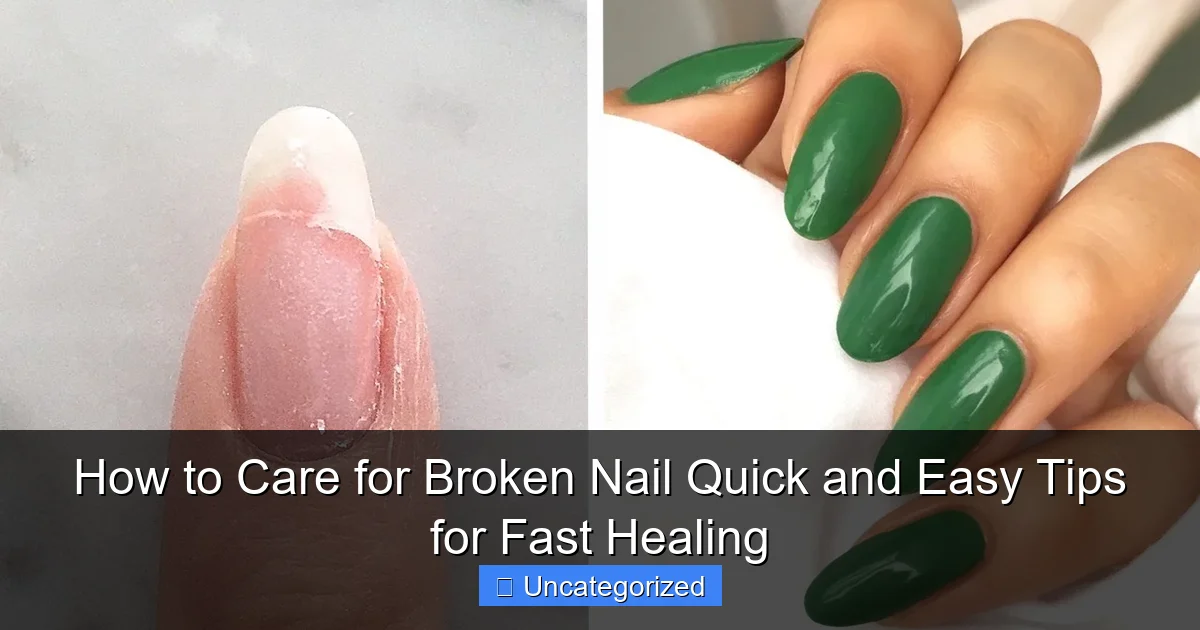
Featured image for how to care for broken nail
Image source: i.ytimg.com
Immediate care is crucial when dealing with a broken nail—clean the area gently with soap and water, then apply an antiseptic to prevent infection. Trim or file the damaged edge smoothly to avoid further tearing and protect the nail with a bandage or nail wrap for faster healing. Moisturize regularly and avoid harsh chemicals to support strong, healthy regrowth.
Key Takeaways
- Trim carefully: Use sterile clippers to prevent further damage or infection.
- Moisturize daily: Apply cuticle oil to speed up healing and strengthen nails.
- Protect with a bandage: Cover the nail to shield it from trauma and bacteria.
- Avoid harsh chemicals: Wear gloves when cleaning to prevent irritation and dryness.
- Keep nails short: Minimize snagging and pressure during recovery.
- Hydrate and eat well: Support healing with water and protein-rich foods.
📑 Table of Contents
- How to Care for Broken Nail Quick and Easy Tips for Fast Healing
- Understanding the Anatomy of a Nail and Why Breaks Happen
- Immediate First Aid for a Broken Nail: What to Do in the First 24 Hours
- Protecting the Broken Nail and Promoting Healing
- Nutrition and Lifestyle for Stronger Nails
- Long-Term Nail Care Routine and Prevention
- Data Table: Healing Timeline and Care Schedule for a Broken Nail
- Conclusion
How to Care for Broken Nail Quick and Easy Tips for Fast Healing
Few things are as frustrating as a broken nail. Whether you caught it on a drawer, slammed a door, or simply experienced a brittle break due to dryness, the pain and inconvenience can be both physical and aesthetic. A broken nail isn’t just a cosmetic annoyance—it can expose sensitive nail tissue, increase the risk of infection, and make everyday tasks like typing or opening a jar uncomfortable. But the good news is that with the right care, you can speed up the healing process, prevent further damage, and maintain healthy nail growth.
Understanding how to care for a broken nail properly is essential for anyone who values strong, resilient nails. Whether you’re a busy professional, a parent juggling multiple tasks, or someone who simply enjoys well-groomed hands, knowing the steps to take immediately after a break can make all the difference. From immediate first aid to long-term nail health strategies, this comprehensive guide will walk you through everything you need to know. With science-backed advice, practical tips, and real-life examples, you’ll learn how to treat a broken nail quickly and effectively, minimizing pain and maximizing recovery time. Let’s dive into the essential steps for caring for a broken nail and getting back to beautiful, strong hands in no time.
Understanding the Anatomy of a Nail and Why Breaks Happen
The Structure of a Healthy Nail
To properly care for a broken nail, it’s crucial to understand the anatomy of a healthy nail. Your fingernails are made up of several key components:
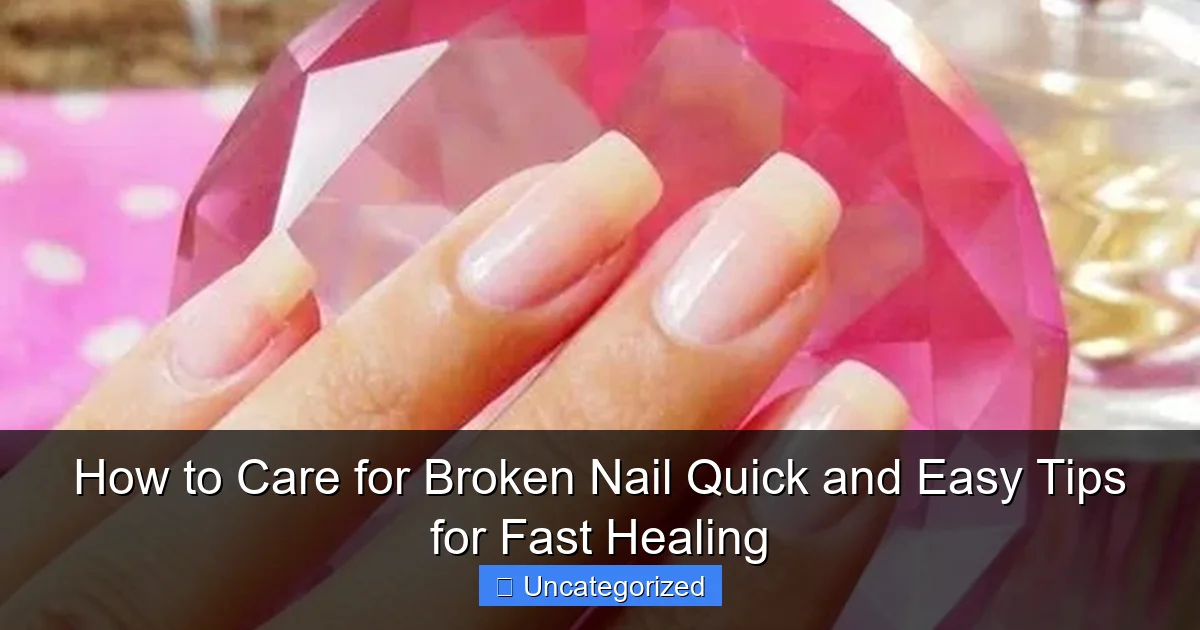
Visual guide about how to care for broken nail
Image source: i.ytimg.com
- Nail plate: The hard, visible part of the nail that protects the sensitive nail bed underneath.
- Nail bed: The skin beneath the nail plate, rich in blood vessels and nerves. It supports the nail as it grows.
- Cuticle: The thin layer of skin at the base of the nail that seals the area between the nail plate and the nail fold, preventing bacteria and fungi from entering.
- Lunula: The white, crescent-shaped area at the base of the nail, which is the visible part of the nail matrix.
- Nail matrix: Located under the skin at the base of the nail, this is where new nail cells are produced. Damage to the matrix can affect nail growth permanently.
When a nail breaks, it typically involves a tear or split in the nail plate, but depending on the severity, it can extend into the nail bed or even damage the matrix. A clean, shallow break is less concerning than a deep tear that exposes the nail bed or causes bleeding.
Common Causes of Broken Nails
Broken nails don’t happen in a vacuum. Several factors contribute to nail fragility and breakage:
- Mechanical trauma: The most common cause—catching a nail on a zipper, slamming a finger in a car door, or using nails as tools (e.g., opening cans).
- Dryness and dehydration: Nails lose moisture easily, especially in dry climates, during winter, or after frequent hand washing. Dehydrated nails become brittle and prone to splitting.
- Chemical exposure: Harsh detergents, nail polish removers (especially acetone-based), and cleaning products strip natural oils from nails, weakening them.
- Nutritional deficiencies: Lack of biotin (vitamin B7), iron, zinc, or protein can lead to weak, thin nails. Studies show that up to 20% of nail disorders are linked to poor nutrition.
- Medical conditions: Hypothyroidism, psoriasis, anemia, and fungal infections can all contribute to nail fragility.
- Overuse of artificial nails: Frequent gel or acrylic applications can damage the natural nail structure, making it more susceptible to breaks.
For example, Sarah, a 34-year-old graphic designer, noticed her nails breaking frequently after switching to a gel manicure every two weeks. After consulting a dermatologist, she learned that the repeated use of UV curing and acetone removal was dehydrating her natural nails. Once she took a break from artificial nails and began using a nail-strengthening treatment, her breakage significantly decreased.
Immediate First Aid for a Broken Nail: What to Do in the First 24 Hours
Assess the Severity of the Break
The first step in caring for a broken nail is to assess the severity. Not all breaks require the same treatment:
- Minor break: A small tear at the tip of the nail, no bleeding, and minimal pain. This can be managed at home.
- Moderate break: A longer split that extends toward the cuticle, with slight bleeding or tenderness. Requires protective measures to prevent infection.
- Severe break: Deep tear into the nail bed, significant bleeding, pain, or signs of infection (redness, swelling, pus). May require medical attention.
If the break is severe or you notice signs of infection, seek medical help immediately. A deep break could damage the nail matrix, affecting future nail growth.
Step-by-Step First Aid Protocol
Follow these steps within the first 24 hours to minimize damage and promote healing:
- Clean the area: Wash your hands with mild soap and warm water. Use an antiseptic solution (e.g., hydrogen peroxide or rubbing alcohol) to disinfect the broken nail and surrounding skin. This prevents bacteria from entering the wound.
- Stop any bleeding: Apply gentle pressure with a clean gauze or cloth. If bleeding persists after 10–15 minutes, seek medical help.
- Trim the broken part: Use sterilized nail clippers to carefully trim the loose or hanging piece of nail. Do not pull or tear it off, as this can cause more trauma. Trim straight across to avoid further splitting.
- Apply a protective dressing: Cover the nail with a non-stick gauze pad and secure it with medical tape or a small bandage. This protects the exposed nail bed and prevents dirt from entering.
- Elevate and rest: If the finger is swollen, elevate your hand above heart level to reduce inflammation. Avoid using the affected hand for strenuous tasks.
- Apply a healing ointment: Use an over-the-counter antibiotic ointment (e.g., Neosporin) or a natural alternative like aloe vera gel to soothe and moisturize the area.
For example, Mark, a construction worker, broke his thumbnail while lifting a heavy beam. He immediately cleaned the area with soap and water, applied pressure to stop the bleeding, trimmed the loose nail with clean clippers, and covered it with a waterproof bandage. By following these steps, he avoided infection and returned to work the next day with minimal discomfort.
When to See a Doctor
While most minor breaks can be treated at home, seek medical attention if:
- The break extends into the nail bed and causes persistent pain.
- There is significant swelling, redness, or pus (signs of infection).
- The nail is partially or fully detached from the bed.
- You experience numbness or a tingling sensation (possible nerve damage).
- You have a chronic condition like diabetes, which increases infection risk.
Doctors may prescribe antibiotics, perform a nail trephination (draining blood under the nail), or recommend a splint to stabilize the nail during healing.
Protecting the Broken Nail and Promoting Healing
Use of Nail Splints and Tapes
One of the most effective ways to protect a broken nail and prevent further damage is to use a nail splint. A splint stabilizes the nail, reducing pain and allowing the nail bed to heal without additional stress.
- DIY nail splint: Cut a small piece of a tea bag, coffee filter, or non-stick gauze. Apply a thin layer of medical adhesive (like benzoin tincture) to the back of the splint and press it gently over the broken area. Cover with a bandage for added protection. Replace every 2–3 days.
- Commercial nail repair kits: Products like Nail Tek or Dr. Scholl’s Nail Repair include pre-cut splints and adhesive strips. These are ideal for longer splits or breaks near the cuticle.
- Fiberglass tape: A lightweight, breathable option that can be applied along the length of the nail to provide support without restricting movement.
For instance, Lisa, a violinist, broke her index fingernail during a performance. She used a tea bag splint with a dab of superglue (a common trick among musicians) to stabilize the nail for the rest of the concert. The splint held for three days, allowing the nail to heal enough to continue playing.
Moisturizing and Hydration
Hydrated nails are less likely to crack. After the initial first aid, focus on restoring moisture:
- Use a cuticle oil: Apply jojoba, almond, or vitamin E oil 2–3 times daily. Massage it into the cuticle and the broken nail to improve blood flow and hydration.
- Apply a nail strengthener: Look for products with keratin, calcium, or biotin. Avoid formaldehyde-based strengtheners, as they can cause brittleness over time.
- Use a hand cream: Choose a thick, emollient-rich cream (e.g., CeraVe, Eucerin) and apply it after washing hands or before bed.
- Soak in warm oil: Soak your fingers in warm olive or coconut oil for 10–15 minutes once a day. This deeply conditions the nail and cuticle.
Tip: Keep a travel-sized cuticle oil in your bag or desk drawer for on-the-go hydration, especially in dry environments like air-conditioned offices.
Minimize Exposure to Water and Chemicals
Water and harsh chemicals can delay healing by softening the nail and weakening its structure:
- Wear rubber gloves when washing dishes, cleaning, or gardening.
- Use a nail-friendly hand soap (sulfate-free, moisturizing).
- Avoid acetone-based nail polish removers. Opt for soy-based or acetone-free alternatives.
- Limit hand sanitizer use—it can dry out nails. Follow with hand cream if used frequently.
Nutrition and Lifestyle for Stronger Nails
Key Nutrients for Nail Health
Healthy nails start from within. A balanced diet rich in specific nutrients can accelerate healing and prevent future breaks:
- Biotin (Vitamin B7): Found in eggs, nuts, sweet potatoes, and salmon. A 2017 study in Dermatology Practical & Conceptual found that biotin supplements improved nail thickness by 25% in participants with brittle nails.
- Iron: Deficiency causes koilonychia (spoon-shaped nails). Sources: red meat, spinach, lentils.
- Zinc: Supports cell growth. Found in oysters, pumpkin seeds, and chickpeas.
- Protein: Nails are 80% keratin, a protein. Include lean meats, tofu, beans, and Greek yogurt in your diet.
- Omega-3 fatty acids: Reduce inflammation and improve nail flexibility. Found in fatty fish, flaxseeds, and walnuts.
Consider a daily multivitamin or a targeted nail supplement (e.g., Nature Made Biotin, NOW Foods Nail & Hair Formula) if your diet is lacking.
Hydration and General Health
Dehydration affects your nails just as it does your skin. Aim for:
- 8–10 glasses of water daily.
- Limit caffeine and alcohol, which can dehydrate the body.
- Manage stress: Chronic stress can lead to nail biting or picking, which increases breakage. Practice mindfulness, yoga, or deep breathing.
Lifestyle Adjustments
- Keep nails short: Longer nails are more prone to catching and breaking. File them regularly with a glass or crystal nail file (gentler than metal files).
- Use gloves in cold weather: Cold air dries out nails. Wear gloves when outdoors in winter.
- Avoid using nails as tools: Open cans with a can opener, not your fingernails.
Long-Term Nail Care Routine and Prevention
Daily and Weekly Maintenance
To prevent future breaks, adopt a consistent nail care routine:
- Daily: Apply cuticle oil, use hand cream, avoid harsh chemicals.
- Weekly: Soak nails in warm oil, gently push back cuticles (never cut them), and file nails in one direction to prevent splitting.
- Monthly: Deep-condition with a keratin treatment or a homemade mask (e.g., honey + olive oil + egg yolk).
Choosing the Right Products
Invest in quality tools and treatments:
- Nail file: Use a glass or crystal file. Avoid emery boards, which can cause micro-tears.
- Cuticle pusher: Use a wooden or silicone tool to gently push back cuticles.
- Base coat: Apply before polish to protect the nail from staining and dehydration.
- Strengthening polish: Use a ridge-filling or protein-enriched formula (e.g., OPI Nail Envy, Sally Hansen Hard as Nails).
When to Take a Break from Nail Enhancements
Artificial nails, gel manicures, and acrylics can weaken natural nails over time. Take a 4–6 week break every 3–4 months. During this time, focus on natural nail care and use a nail-strengthening treatment.
Data Table: Healing Timeline and Care Schedule for a Broken Nail
| Time Period | Care Actions | Expected Progress |
|---|---|---|
| 0–24 hours | Clean, trim, dress, apply ointment, rest | Stop bleeding, reduce pain, prevent infection |
| 2–7 days | Change dressing, apply cuticle oil, use splint, avoid water | Reduce swelling, begin healing, stabilize nail |
| 1–2 weeks | Moisturize, monitor for infection, continue splint if needed | New nail growth visible, reduced tenderness |
| 3–6 weeks | Gradual return to normal activities, strengthen with diet/products | Nail regrowth, full function restored |
| 6+ weeks | Maintain healthy routine, prevent future breaks | Complete healing, stronger nails |
Note: Healing time varies based on the severity of the break, age, health, and adherence to care. Fingernails grow at about 3 mm per month, so full regrowth takes several months.
Conclusion
Knowing how to care for a broken nail is a vital skill that can save you pain, prevent complications, and promote faster healing. From immediate first aid—cleaning, trimming, and dressing—to long-term strategies like nutrition, hydration, and protective habits, every step plays a role in restoring your nail to health. Remember, a broken nail isn’t just a temporary setback; it’s an opportunity to reassess your nail care routine and make changes that benefit your overall nail strength and appearance.
By understanding the anatomy of your nails, addressing the root causes of breakage, and adopting a consistent care regimen, you can not only heal a broken nail quickly but also prevent future incidents. Whether you’re treating a minor tip break or managing a deep split, the key is consistency: protect, moisturize, nourish, and be patient. With these quick and easy tips, you’ll be on your way to strong, resilient nails that can withstand the demands of daily life. Don’t let a broken nail slow you down—heal it right, and keep your hands looking and feeling their best.
Frequently Asked Questions
How do I care for a broken nail to prevent infection?
Clean the area gently with soap and water, then apply an antiseptic to avoid infection. Keep the nail dry and covered with a bandage until it heals. Proper hygiene is key when learning how to care for broken nails.
Can I trim a broken nail, and how should I do it?
Yes, carefully trim the broken part with sterilized nail clippers to avoid further splitting. File the edges smoothly and avoid cutting too close to the skin to reduce pain and irritation.
What home remedies help speed up healing for a broken nail?
Apply coconut oil or vitamin E oil to moisturize the nail and promote faster regrowth. A warm water soak with Epsom salts can also reduce swelling and improve circulation.
How long does it take for a broken nail to heal completely?
Depending on severity, a broken nail typically takes 1–3 weeks to heal, with new growth appearing in 6–8 weeks. Consistent care for broken nail ensures faster recovery and reduces complications.
Should I use nail glue or a bandage for a broken nail?
For clean breaks, use a nail glue kit designed for repairs to seal the crack. For jagged or painful breaks, cover with a bandage to protect the area while it heals.
How can I protect my broken nail while it heals?
Avoid exposing the nail to water, chemicals, or pressure—wear gloves during chores. Keeping the nail short and using a strengthening treatment helps maintain integrity during healing.