
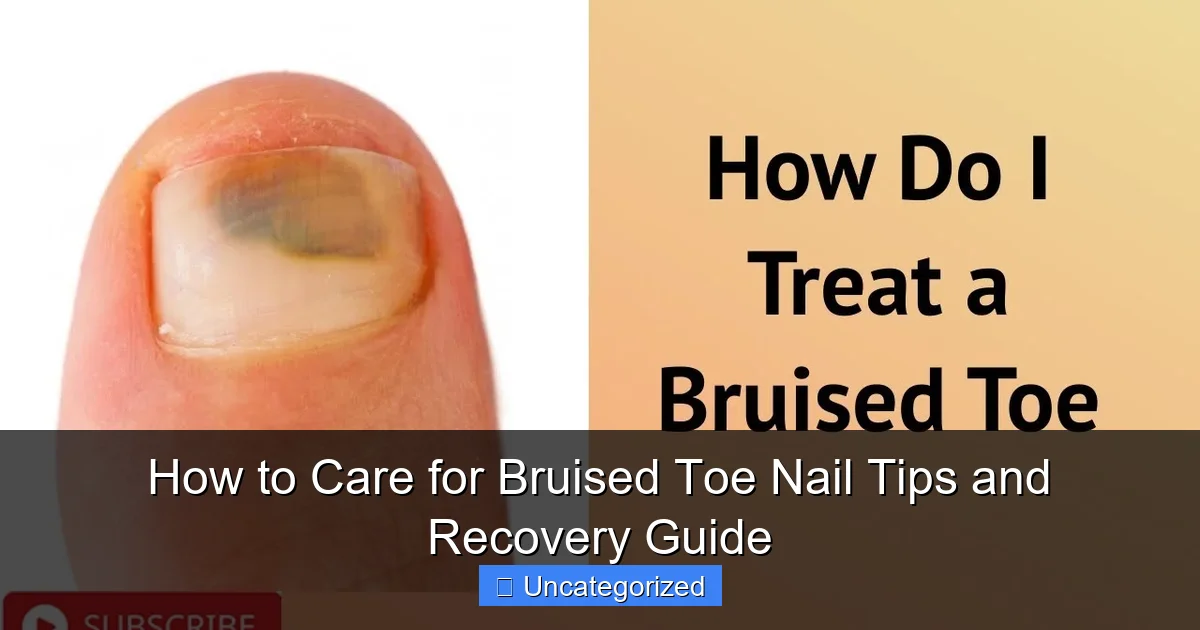
Featured image for how to care for bruised toe nail
Image source: i.ytimg.com
Immediate rest and elevation are crucial to reduce swelling and pain in a bruised toenail. Protect the affected toe with a comfortable, wide-fitting shoe and consider using protective padding to prevent further trauma. Most bruised toenails heal naturally within weeks, but monitor for signs of infection or severe discoloration that may require medical attention.
Key Takeaways
- Rest and elevate: Reduce swelling by keeping your foot raised above heart level.
- Ice it: Apply ice packs for 15-20 minutes every 2-3 hours to minimize bruising.
- Wear roomy shoes: Choose wide, soft footwear to avoid pressure on the bruised nail.
- Keep it clean: Wash the area daily to prevent infection and promote healing.
- Trim carefully: Avoid cutting the nail too short to prevent further injury.
- Monitor for infection: Seek medical help if you see pus, severe pain, or redness.
📑 Table of Contents
Understanding Bruised Toenails: Causes and Symptoms
What Is a Bruised Toenail?
A bruised toenail, also known as subungual hematoma, occurs when blood accumulates beneath the nail plate due to trauma or repetitive pressure. This condition is most common on the big toes, which bear the brunt of impact during daily activities. The discoloration typically ranges from red or purple to black, and may be accompanied by throbbing pain, swelling, or pressure under the nail. While often not life-threatening, a bruised toenail can be uncomfortable and may signal underlying issues such as poor footwear, repetitive stress, or even underlying health conditions.
Understanding the nature of the injury is the first step in effective care. The toenail acts as a protective shield for the sensitive nail bed, but when subjected to excessive force—such as stubbing your toe, dropping a heavy object, or prolonged running—tiny blood vessels (capillaries) beneath the nail rupture, leading to blood pooling. Over time, the trapped blood oxidizes, turning the nail dark, much like a bruise on the skin. If left untreated or poorly managed, the condition can lead to nail detachment (onycholysis), fungal infection, or chronic pain.
Common Causes and Risk Factors
Several factors contribute to bruised toenails, and identifying the root cause is essential for both treatment and prevention. The most frequent causes include:
- Trauma or injury: Accidentally kicking a hard surface, dropping a heavy object on your foot, or stepping on something sharp.
- Repetitive microtrauma: Common in athletes, especially runners and dancers, due to repeated impact from ill-fitting shoes or high-intensity training.
- Poor footwear: Wearing tight, narrow, or unsupportive shoes that compress the toes or cause the toenails to rub against the shoe interior.
- Long toenails: Excessively long nails are more prone to catching or jamming in footwear.
- Underlying medical conditions: Conditions like diabetes, poor circulation, or blood clotting disorders can increase susceptibility to bruising and slow healing.
- Fungal infections: While not a direct cause, fungal nails are more brittle and prone to injury, which can lead to bruising.
For example, a long-distance runner training for a marathon may develop black toenails after weeks of pounding pavement in shoes that are half a size too small. Similarly, a construction worker who frequently wears steel-toed boots without proper insoles may experience recurring bruising due to constant pressure on the toes. Recognizing these patterns helps tailor care strategies and prevent recurrence.
Immediate Steps to Take After Toenail Injury
Assess the Severity
The first 24–48 hours after a toenail injury are critical. Begin by assessing the severity of the bruising and associated symptoms. Ask yourself:
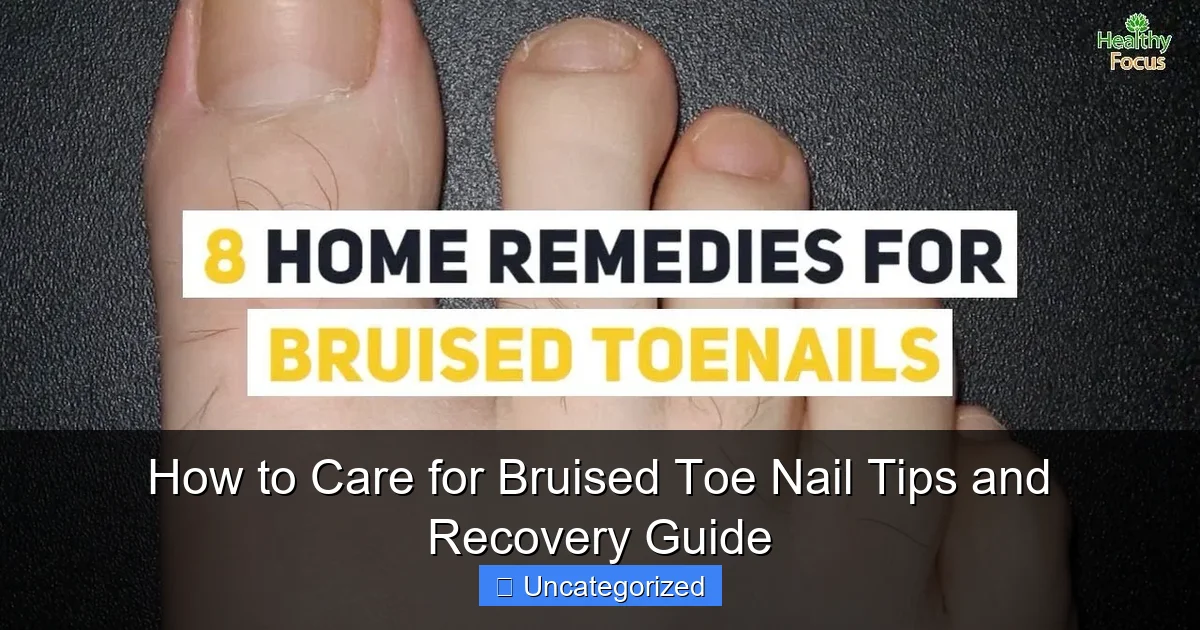
Visual guide about how to care for bruised toe nail
Image source: i.ytimg.com
- Is there severe pain or swelling?
- Is the nail lifting from the nail bed (onycholysis)?
- Is there pus or foul odor, indicating infection?
- Can you walk comfortably, or is weight-bearing painful?
If the pain is moderate and there’s no sign of infection or significant nail detachment, home care is usually sufficient. However, if the pain is unbearable, the toe is severely swollen, or you notice signs of infection (redness, warmth, pus), seek medical attention promptly. In cases of diabetes or peripheral neuropathy, even minor injuries should be evaluated by a healthcare provider due to increased infection risks.
Immediate First Aid: The R.I.C.E. Method
Adopting the R.I.C.E. (Rest, Ice, Compression, Elevation) protocol immediately after injury can reduce pain, inflammation, and blood pooling:
- Rest: Avoid putting pressure on the affected foot. Limit walking, running, or any activity that aggravates the toe.
- Ice: Apply a cold compress or ice pack wrapped in a thin towel to the injured toe for 15–20 minutes every 2–3 hours during the first 48 hours. This constricts blood vessels, minimizing further bleeding and swelling.
- Compression: Lightly wrap the toe with a soft bandage to reduce swelling, but avoid tight wrapping that could restrict circulation.
- Elevation: Keep the foot elevated above heart level when sitting or lying down to reduce blood flow to the area and alleviate pressure.
For example, if you stub your toe while walking barefoot at home, immediately sit down, elevate your foot, and apply ice. Avoid walking on it for the next 12 hours. This simple routine can prevent the bruise from worsening and speed up recovery.
Drainage: When and How to Relieve Pressure
If the bruised toenail is causing significant pain due to built-up pressure under the nail, a healthcare provider may perform trephination—a minor procedure to drain the accumulated blood. This is especially recommended when:
- The pain is severe and throbbing.
- The blood covers more than 25–50% of the nail.
- There’s a risk of nail detachment or infection.
While never attempt to drain the nail yourself at home without proper sterilization and medical guidance, understanding the process can help you know when to seek help. A doctor will use a sterile needle, heated paperclip, or electric drill to make a tiny hole in the nail, allowing the blood to drain and relieving pressure. This should be done under antiseptic conditions to avoid introducing bacteria. Post-drainage, the toe is cleaned and dressed to prevent infection.
Home Care and Treatment for Bruised Toenails
Daily Hygiene and Foot Care
Maintaining excellent hygiene is crucial during recovery. A clean environment prevents infection and supports healing. Follow these daily care practices:
- Wash the foot daily: Use mild soap and warm water. Gently clean around the nail, avoiding scrubbing the bruised area.
- Dry thoroughly: After washing, pat the foot dry, especially between the toes, to prevent moisture buildup that can lead to fungal growth.
- Use antiseptic: Apply a thin layer of over-the-counter antiseptic ointment (e.g., povidone-iodine or hydrogen peroxide) to the nail and surrounding skin. Avoid petroleum-based ointments, which can trap moisture.
- Change socks daily: Wear clean, moisture-wicking socks made of cotton or synthetic blends. Avoid synthetic materials that trap sweat.
- Trim nails properly: Keep toenails trimmed straight across with clean, sharp nail clippers. Avoid rounding the corners to prevent ingrown nails.
For instance, if you’re a gym-goer, change out of sweaty socks immediately after workouts. Consider using antifungal powder inside your shoes to reduce moisture and bacterial growth.
Pain Management and Comfort
While the bruise heals, managing pain and discomfort is essential. Use these safe, effective strategies:
- Over-the-counter pain relievers: Acetaminophen (Tylenol) or ibuprofen (Advil, Motrin) can reduce pain and inflammation. Follow label instructions and avoid exceeding recommended doses.
- Topical analgesics: Creams or gels containing lidocaine or menthol can provide localized relief. Apply as directed.
- Comfortable footwear: Switch to roomy, open-toed sandals or shoes with a wide toe box. Avoid high heels, tight sneakers, or pointed shoes.
- Toe protectors or caps: Silicone toe sleeves or gel caps can cushion the bruised toe and prevent friction from shoes.
For example, if you must wear closed shoes for work, insert a toe pad or use moleskin to create a barrier between the nail and shoe interior. This reduces rubbing and pressure.
Nutrition and Supplements for Faster Healing
Supporting your body’s natural healing process through nutrition can accelerate recovery. Focus on foods and supplements rich in:
- Vitamin C: Essential for collagen production and tissue repair. Found in citrus fruits, bell peppers, and broccoli.
- Zinc: Supports immune function and wound healing. Sources include nuts, seeds, and lean meats.
- Protein: Nails and skin are made of keratin, a protein. Include eggs, fish, beans, and dairy in your diet.
- Omega-3 fatty acids: Reduce inflammation. Found in fatty fish, flaxseeds, and walnuts.
- Biotin (Vitamin B7): Often marketed for nail strength, though evidence is mixed. Still, it supports overall nail health.
Consider a daily multivitamin or a targeted supplement like a collagen or nail support formula, especially if your diet is limited. Always consult your doctor before starting new supplements, particularly if you have underlying health conditions.
When to Seek Medical Help
Warning Signs of Complications
While most bruised toenails heal on their own, certain symptoms require immediate medical attention. Watch for:
- Signs of infection: Increasing redness, warmth, swelling, pus, or foul odor from the toe.
- Severe pain or numbness: Pain that worsens or doesn’t improve after 48 hours, or loss of sensation, may indicate nerve damage or compartment syndrome.
- Nail detachment: If the nail lifts completely or partially, it may need professional cleaning and dressing to prevent infection.
- Fever: A fever accompanying the injury could indicate a systemic infection.
- Diabetes or poor circulation: Individuals with these conditions have a higher risk of complications and should see a doctor for even minor injuries.
For example, a diabetic patient with a small bruised toenail that begins to ooze yellow pus should visit a podiatrist immediately. Untreated infections in diabetic patients can lead to ulcers or, in severe cases, amputation.
Professional Treatments and Procedures
Healthcare providers may recommend several treatments depending on the severity:
- Drainage (trephination): As discussed, performed under sterile conditions to relieve pressure.
- Nail avulsion: In cases of severe trauma or recurring bruising, the entire nail may be removed to allow the nail bed to heal. This is done under local anesthesia.
- Antibiotics: Prescribed if there’s a bacterial infection or high risk of one.
- Orthotics or custom footwear: For athletes or individuals with structural foot issues, a podiatrist may prescribe orthotic inserts or recommend shoe modifications.
- Imaging: X-rays may be ordered if there’s concern about a broken bone (e.g., phalanx fracture) beneath the nail.
For instance, a runner with recurring black toenails may be advised to undergo gait analysis and switch to running shoes with a higher toe box and better cushioning. A custom orthotic can correct biomechanical imbalances contributing to the injury.
Prevention Strategies to Avoid Future Bruising
Choosing the Right Footwear
Footwear is the single most important factor in preventing bruised toenails. Follow these guidelines:
- Proper fit: Your shoe should have a thumb’s width (about 1 cm) between the longest toe and the end of the shoe. Avoid shoes that squeeze the toes.
- Wide toe box: Choose shoes with a roomy front to allow natural toe splay. Brands like Altra, Hoka, and New Balance offer wide-toe options.
- Supportive cushioning: Look for shock-absorbing soles, especially for high-impact activities.
- Activity-specific shoes: Use running shoes for running, hiking boots for trails, and work boots with steel toes when needed.
- Replace worn shoes: Running shoes typically last 300–500 miles. Worn-out soles reduce shock absorption.
For example, a hiker should invest in waterproof, ankle-supporting boots with a rigid toe cap, while a dancer might need flexible, well-fitted dance shoes with extra toe padding.
Foot Care Habits for Long-Term Health
Beyond footwear, adopt these preventive habits:
- Trim nails regularly: Keep toenails short and straight across to reduce snagging.
- Moisturize: Apply foot cream daily to prevent cracked skin and brittle nails. Avoid between the toes to prevent fungal growth.
- Wear socks with shoes: Socks reduce friction and absorb sweat.
- Inspect feet daily: Especially important for diabetics or those with poor circulation. Look for cuts, blisters, or discoloration.
- Use toe separators or caps during high-risk activities: For runners, dancers, or workers, silicone toe caps can prevent impact injuries.
For instance, a construction worker can wear moisture-wicking socks with gel toe caps inside steel-toed boots to minimize pressure on the nails during long shifts.
Activity Modifications and Training Tips
For athletes and active individuals, adjusting training routines can prevent recurring bruising:
- Gradual progression: Increase running or training intensity slowly to allow feet to adapt.
- Proper warm-up and cool-down: Stretch feet and calves before and after activity.
- Cross-train: Mix high-impact activities with low-impact ones (e.g., swimming, cycling) to reduce repetitive stress.
- Foot-strengthening exercises: Toe curls, heel raises, and balance drills improve foot resilience.
For example, a marathon runner should gradually increase mileage, wear properly fitted running shoes, and perform daily foot stretches to maintain flexibility and reduce injury risk.
Recovery Timeline and What to Expect
Understanding the recovery process helps manage expectations and ensures proper care. Below is a general timeline for bruised toenail healing:
| Time Period | Expected Progress | Care Recommendations |
|---|---|---|
| 0–48 hours | Peak pain and swelling; bruise appears red/purple. | R.I.C.E. protocol, pain relief, avoid pressure. |
| 3–7 days | Pain decreases; bruise darkens to black. | Continue hygiene, monitor for infection, wear open shoes. |
| 1–4 weeks | Bruise spreads as new nail grows; may see lifting. | Keep nail clean, avoid trauma, trim carefully. |
| 6–12 weeks | Bruise grows out with the nail; new nail replaces old. | Full recovery for most cases; see doctor if nail doesn’t grow. |
| 3+ months | New nail fully grown; bruising gone. | Evaluate footwear and habits to prevent recurrence. |
It’s important to note that toenails grow slowly, averaging 1–2 mm per month. The bruised portion will gradually move toward the tip of the nail as new, healthy nail grows from the base (matrix). In some cases, the entire nail may take 6–12 months to fully replace itself. If the nail shows no signs of regrowth after 3 months, consult a podiatrist to rule out nail matrix damage or chronic infection.
Long-Term Outlook and Nail Regrowth
Most bruised toenails heal completely with proper care. However, complications can occur:
- Permanent nail deformity: If the nail matrix is damaged, the new nail may grow thickened, ridged, or misshapen.
- Onycholysis: Persistent separation of the nail from the bed, which can lead to fungal infection.
- Chronic pain: Rare, but possible if nerve endings in the nail bed are injured.
For example, a person who repeatedly injures the same toenail due to ill-fitting shoes may develop a permanently thickened nail. Switching to better footwear can prevent further damage and allow the nail to recover.
In conclusion, caring for a bruised toenail involves immediate first aid, consistent home care, vigilant monitoring for complications, and proactive prevention. By understanding the causes, following a structured recovery plan, and making long-term adjustments to footwear and habits, you can ensure a swift and complete recovery. Remember, while most cases resolve on their own, never hesitate to seek professional help when warning signs appear. Your feet carry you through life—treat them with the care they deserve.
Frequently Asked Questions
What causes a bruised toenail and how can I prevent it?
A bruised toenail (also called a subungual hematoma) is typically caused by trauma, such as stubbing your toe or repetitive pressure from ill-fitting shoes. To prevent it, wear properly sized footwear with enough room for your toes and avoid activities that put excessive pressure on your feet.
How do I care for a bruised toenail at home?
To care for a bruised toenail, rest, elevate your foot, and apply ice for 15–20 minutes to reduce swelling. Over-the-counter pain relievers and keeping the area clean can help manage discomfort and prevent infection.
When should I see a doctor for a bruised toenail?
Seek medical attention if the pain is severe, the nail is separating from the nail bed, or signs of infection (like pus or redness) appear. A doctor may need to drain the hematoma or treat complications related to a bruised toenail.
Can I still exercise with a bruised toenail?
It’s best to avoid high-impact activities (like running) until the pain and swelling subside. Opt for low-impact exercises like swimming or cycling to protect the bruised toenail and prevent further injury.
How long does it take for a bruised toenail to heal?
Healing time varies, but most bruised toenails improve within a few weeks to a couple of months. The discoloration may persist until the damaged nail grows out completely, which can take 6–9 months for a big toe.
Should I drain my bruised toenail myself?
No—attempting to drain a bruised toenail at home can lead to infection or further damage. Only a healthcare professional should perform this procedure using sterile tools to ensure safety and proper care.