
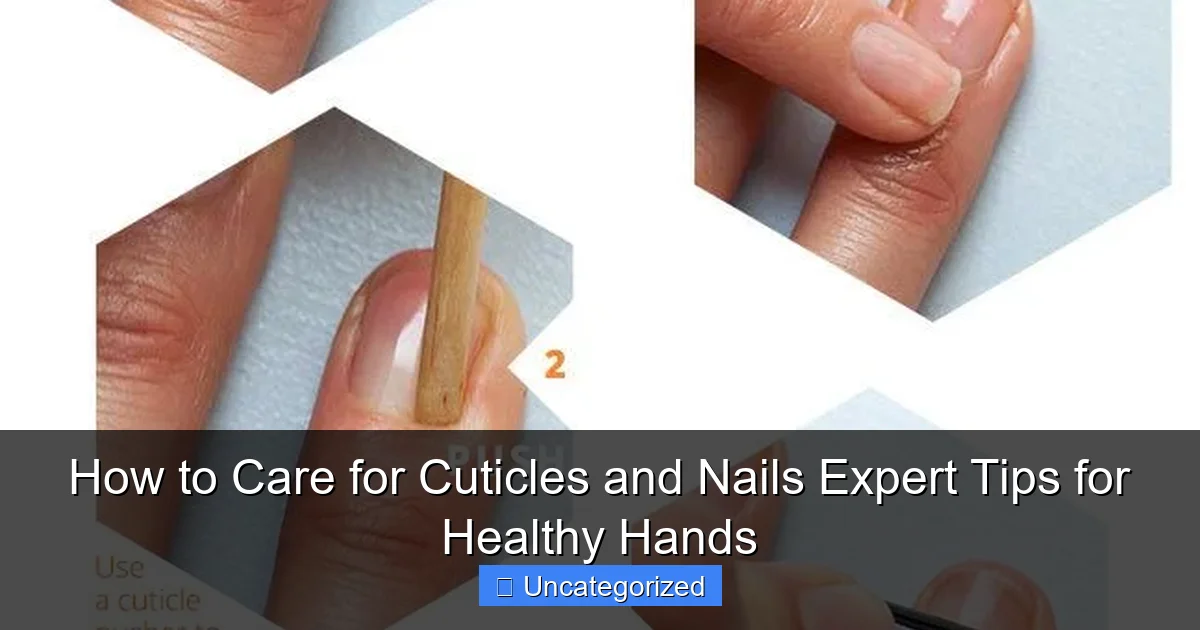
Featured image for how to care for cuticles and nails
Image source: i.pinimg.com
Healthy cuticles and nails start with consistent, gentle care—never cut or aggressively push back cuticles, as this can lead to infection and damage. Instead, soak hands in warm water, moisturize daily with cuticle oil or cream, and gently push back cuticles after softening to maintain a clean, healthy nail bed.
Key Takeaways
- Moisturize daily: Apply cuticle oil or cream to keep nails and cuticles hydrated.
- Push, don’t cut: Gently push back cuticles to avoid damage and infections.
- Wear gloves: Protect hands from harsh chemicals and water during chores.
- Trim nails properly: Use sharp, clean tools and file in one direction.
- Eat nail-friendly foods: Boost health with biotin, protein, and omega-3s.
- Limit polish remover: Use acetone-free removers to prevent drying and brittleness.
📑 Table of Contents
- Understanding the Importance of Cuticle and Nail Care
- The Anatomy and Function of Cuticles and Nails
- Daily and Weekly Nail Care Routine for Optimal Health
- Choosing the Right Products and Tools
- Diet and Nutrition for Stronger Nails and Cuticles
- Professional Treatments and When to Seek Help
- Protecting Nails and Cuticles in Daily Life
Understanding the Importance of Cuticle and Nail Care
Our hands are one of the most visible parts of our body, and they often tell a story about our lifestyle, habits, and overall health. Among the many elements that contribute to well-groomed hands, cuticles and nails play a pivotal role. The cuticle, a thin layer of skin at the base of the nail, acts as a protective barrier against bacteria and fungi. When properly cared for, it helps maintain the integrity of the nail bed and prevents infections. Neglecting this delicate area, however, can lead to dryness, cracking, hangnails, and even painful infections such as paronychia.
Similarly, nails—composed primarily of keratin—are not just aesthetic features; they reflect internal health. Brittle, peeling, or discolored nails may signal nutritional deficiencies, dehydration, or underlying medical conditions. Whether you’re someone who loves DIY manicures, a professional nail artist, or simply someone who wants healthier, more resilient hands, understanding how to care for cuticles and nails is essential. With the right techniques, products, and routines, you can transform your hands from dry and damaged to strong, smooth, and radiant. In this guide, we’ll explore expert-approved methods to nurture your cuticles and nails, backed by dermatological insights and practical tips for everyday use.
The Anatomy and Function of Cuticles and Nails
What Are Cuticles and Why Do They Matter?
The cuticle is a translucent layer of skin that forms a seal between the nail plate and the surrounding skin. Its primary function is to protect the nail matrix—the living tissue beneath the base of the nail where new nail cells are produced. This matrix is highly sensitive and vulnerable to infection. The cuticle prevents pathogens from entering and disrupting nail growth. When cuticles are pushed back gently or left intact, they maintain this protective seal. However, cutting or over-trimming them can damage the matrix, leading to irregular nail growth or chronic inflammation.
Visual guide about how to care for cuticles and nails
Image source: i.pinimg.com
Cuticles also regulate moisture exchange. A healthy cuticle retains just enough moisture to keep the nail flexible and strong without becoming waterlogged. When exposed to harsh chemicals, frequent hand washing, or cold weather, cuticles can become dry, flaky, and cracked. This not only looks unsightly but increases the risk of infection. Dermatologists recommend not cutting cuticles unless absolutely necessary, as even minor trauma can compromise the nail’s defense system.
Nail Structure and Growth Cycle
Nails grow from the matrix, which lies under the base of the nail, hidden beneath the cuticle. The average fingernail grows about 3.5 millimeters per month, while toenails grow much slower—around 1.6 mm per month. The entire growth cycle for a fingernail takes approximately 6 months, while toenails can take up to 18 months to fully replace themselves. This slow turnover means that damage or trauma to the nail matrix can have long-term effects on nail appearance and health.
The visible part of the nail, called the nail plate, is made of dead keratinized cells. Beneath it lies the nail bed, which contains blood vessels and nerves. The lunula—the pale, crescent-shaped area near the cuticle—is a visible part of the matrix. A healthy lunula is usually white and well-defined, but its size and shape can vary by individual. Changes in the lunula, such as discoloration or disappearance, may indicate health issues like anemia, malnutrition, or liver disease.
- Keratin: The primary protein in nails; contributes to strength and hardness.
- Nail plate: The hard, visible part of the nail.
- Nail bed: The skin beneath the nail plate that supports it.
- Matrix: The root of the nail where growth originates.
- Free edge: The part of the nail that extends beyond the fingertip.
Common Signs of Unhealthy Cuticles and Nails
Knowing the warning signs of poor cuticle and nail health helps you take action before problems escalate. Here are some common indicators:
- Dry, peeling cuticles: Often caused by dehydration, frequent hand washing, or exposure to cold air.
- Hangnails: Small tears in the skin around the nail, frequently due to picking, biting, or dryness.
- Brittle or splitting nails: Can result from nutritional deficiencies (especially biotin, iron, or zinc), excessive use of nail polish removers, or prolonged exposure to water.
- Discoloration (yellow, white, or blue nails): Yellow nails may indicate fungal infections; white spots could be due to trauma; blue nails might signal poor circulation or oxygenation issues.
- Ridges or grooves: Vertical ridges are common with aging, but deep horizontal grooves (Beau’s lines) may indicate illness or severe stress.
By understanding these signs, you can tailor your care routine to address specific concerns and prevent further damage.
Daily and Weekly Nail Care Routine for Optimal Health
Morning and Nighttime Habits
Consistency is key when it comes to maintaining healthy cuticles and nails. A simple but effective daily routine can make a significant difference over time. Start your day by washing your hands with a gentle, sulfate-free soap. Avoid hot water, which strips natural oils. After washing, pat your hands dry—don’t rub—to minimize irritation to the cuticles. Then, apply a rich hand cream or cuticle oil. Look for products containing jojoba oil, shea butter, vitamin E, or urea, all of which are excellent emollients.
At night, double down on hydration. Before bed, apply a thicker layer of cuticle oil or a specialized overnight hand treatment. You can also use a hydrating hand mask or wear cotton gloves after applying moisturizer to lock in moisture while you sleep. This “occlusive” method prevents evaporation and allows active ingredients to penetrate deeply. For example, using a product with 10% urea can help exfoliate dead skin and soften cuticles without harsh scrubs.
Weekly Cuticle Maintenance
Set aside 10–15 minutes once a week for focused cuticle care. Begin by soaking your fingertips in warm water for 5–7 minutes. Add a few drops of tea tree oil (a natural antifungal) or a teaspoon of Epsom salt to soothe inflammation and soften the skin. This step is crucial because it makes cuticles pliable, reducing the risk of tearing during grooming.
Next, use a cuticle pusher (preferably wooden or rubber-tipped) to gently push back the cuticles. Never force them—apply light, even pressure. If you see loose, dead skin, you can carefully trim it with sterilized cuticle nippers, but avoid cutting live tissue. After pushing, apply a nourishing cuticle balm or oil. Massage it in using circular motions to stimulate blood flow, which supports healthy nail growth.
Tip: Use a magnifying mirror to see fine details and prevent over-trimming. Always sanitize tools with rubbing alcohol before and after use to prevent bacterial contamination.
Moisturizing and Hydration Strategies
Hydration isn’t just about applying products—it starts from within. Drink at least 8–10 glasses of water daily to support skin and nail health. Dehydration leads to brittle nails and dry cuticles. Additionally, incorporate hydrating ingredients into your routine:
- Hyaluronic acid: Attracts moisture to the skin.
- Petroleum jelly (Vaseline): Forms a protective barrier; ideal for dry environments.
- Lanolin: A natural emollient derived from sheep’s wool; deeply moisturizing.
- Argan oil: Rich in fatty acids and antioxidants; absorbs quickly.
For an intensive weekly treatment, try a DIY cuticle soak: mix 2 tablespoons of olive oil, 1 tablespoon of honey (a natural humectant), and 1 teaspoon of lemon juice (gentle exfoliant). Soak for 10 minutes, then gently push back cuticles and rinse. This combo hydrates, exfoliates, and brightens the skin.
Choosing the Right Products and Tools
Essential Tools for At-Home Nail Care
Having the right tools ensures safe and effective cuticle and nail care. Invest in high-quality, sterilizable tools to avoid infections. Here’s what you need:
- Cuticle pusher: Wooden or rubber-tipped for gentle pushing; metal pushers are less ideal as they can scratch the nail bed.
- Cuticle nippers: Use only on dead, loose skin. Look for precision blades and ergonomic handles.
- Nail clippers and files: Choose sharp, rust-resistant clippers. For filing, use a glass or crystal file (less damaging than emery boards) and file in one direction to prevent splitting.
- Cuticle oil applicator brush: Allows precise application and reduces waste.
- Magnifying mirror: Helps you see fine cuticle edges and avoid over-trimming.
Store tools in a clean, dry container. After each use, wash with soap and water, then disinfect with 70% isopropyl alcohol. Replace tools every 6–12 months or if they show signs of wear.
Selecting the Best Cuticle Oils, Creams, and Treatments
Not all cuticle products are created equal. Look for formulations with proven ingredients:
- Jojoba oil: Mimics the skin’s natural sebum; excellent for all skin types.
- Vitamin E: Antioxidant that reduces oxidative stress and promotes healing.
- Biotin (vitamin B7): Supports keratin production; often included in nail serums.
- Tea tree oil: Natural antifungal and antibacterial properties; ideal for prone-to-infection hands.
- Shea butter: Deeply moisturizing; great for overnight treatments.
Popular brands like Cuccio, CND Solar Oil, and OPI Nail & Cuticle Oil are trusted by professionals. For sensitive skin, opt for fragrance-free, hypoallergenic options. Avoid products with formaldehyde, toluene, or dibutyl phthalate (DBP), which can weaken nails and cause irritation.
When to Use Nail Hardeners and Strengtheners
Nail hardeners can be beneficial for brittle nails, but they should be used cautiously. Overuse can make nails too rigid, increasing the risk of cracking. Look for formulas with:
- Calcium: Strengthens the nail plate.
- Hydrolyzed proteins: Fill in microscopic cracks.
- Silk proteins: Improve flexibility and shine.
Apply hardeners only after removing nail polish and clean, dry nails. Use them for 2–3 weeks, then take a 1-week break to prevent overdrying. For peeling nails, try a nail repair serum with peptides and ceramides instead of traditional hardeners.
Diet and Nutrition for Stronger Nails and Cuticles
Key Nutrients for Nail Health
Your diet directly impacts the strength and appearance of your nails and cuticles. A deficiency in certain nutrients can lead to slow growth, brittleness, and discoloration. Here are the top nutrients to focus on:
- Biotin (Vitamin B7): Supports keratin production. Found in eggs, almonds, sweet potatoes, and salmon. A daily intake of 2.5–5 mg is recommended for nail health.
- Iron: Prevents koilonychia (spoon-shaped nails). Sources: spinach, lentils, red meat, fortified cereals.
- Zinc: Regulates cell division in the nail matrix. Found in oysters, pumpkin seeds, chickpeas.
- Omega-3 fatty acids: Reduce inflammation and improve nail flexibility. Sources: flaxseeds, chia seeds, walnuts, fatty fish.
- Vitamin C: Essential for collagen synthesis, which supports skin and nail structure. Citrus fruits, bell peppers, strawberries.
- Protein: Nails are 90% protein. Include lean meats, legumes, Greek yogurt, and tofu in your meals.
Consider a nail-specific supplement if you struggle to meet nutrient needs through diet alone. Look for formulas containing biotin, zinc, and collagen peptides. However, consult a healthcare provider before starting supplements, especially if you have underlying conditions.
Hydration and Its Role in Nail Integrity
Water is often overlooked in nail care, but it’s vital. Dehydration causes nails to become brittle and more prone to splitting. The skin around the nails also loses elasticity, leading to hangnails. To stay hydrated:
- Carry a reusable water bottle and aim for 2–3 liters daily.
- Eat water-rich foods like cucumbers, watermelon, and oranges.
- Limit dehydrating beverages like alcohol and excessive caffeine.
Monitor your urine color—pale yellow indicates good hydration; dark yellow means you need more fluids.
Foods to Avoid for Better Nail Health
Some foods and habits can negatively impact your nails:
- Sugar and refined carbs: Cause inflammation and weaken collagen.
- Alcohol: Dehydrates the skin and nails; reduces nutrient absorption.
- Processed foods: Low in nutrients, high in sodium (causes water retention).
- Nail biting and picking: Destroys the cuticle seal and spreads bacteria.
Replace these habits with healthier alternatives: chew sugar-free gum instead of biting nails, and snack on nuts or fruit instead of chips.
Professional Treatments and When to Seek Help
Benefits of Professional Manicures and Cuticle Care
While at-home care is essential, professional manicures offer benefits you can’t replicate alone. Licensed nail technicians use sterilized tools, precise techniques, and high-end products. During a professional manicure, they:
- Thoroughly clean and shape nails.
- Use specialized tools to gently push and trim cuticles.
- Apply professional-grade cuticle oils and hand masks.
- Identify early signs of nail disorders (e.g., fungal infections, ingrown nails).
Choose salons that follow strict sanitation protocols—tools should be autoclaved or single-use. Avoid “dry” manicures if you have dry cuticles, as they lack hydration. Instead, opt for hydrating or paraffin wax treatments, which deeply moisturize and soothe.
When to See a Dermatologist or Podiatrist
Some nail issues require medical attention. Consult a dermatologist or podiatrist if you experience:
- Persistent pain, swelling, or redness around the nail (possible infection).
- Yellow, thickened, or crumbly nails (signs of fungal infection).
- Deep grooves, pitting, or separation of the nail from the bed (possible psoriasis or lichen planus).
- Nail changes after trauma or illness (e.g., chemotherapy).
Treatment options include topical or oral antifungals, corticosteroid creams, or laser therapy. Early intervention prevents long-term damage.
Advanced Treatments: Paraffin Wax, LED Therapy, and More
For intensive repair, consider advanced treatments:
- Paraffin wax therapy: Heated wax seals in moisture; ideal for extremely dry hands.
- LED light therapy: Reduces inflammation and promotes healing (used in some salons and clinics).
- Platelet-rich plasma (PRP) injections: Emerging treatment for severe nail dystrophy; stimulates tissue repair.
These treatments are typically offered in medical spas or dermatology offices and can complement your daily routine.
Protecting Nails and Cuticles in Daily Life
Preventing Damage from Water, Chemicals, and Cold
Everyday activities expose your hands to damaging elements:
- Wear gloves: When washing dishes, gardening, or cleaning. Use rubber gloves with cotton liners to absorb sweat.
- Moisturize after exposure: Apply hand cream immediately after washing hands or coming in from cold weather.
- Use acetone-free removers: Acetone dries out nails and cuticles. Choose soy-based or vitamin-enriched removers.
In winter, use a humidifier to add moisture to indoor air, which prevents cuticle cracking.
Safe Nail Polish and Removal Practices
Frequent polish changes can weaken nails. To minimize damage:
- Use a nourishing base coat with keratin or calcium.
- Limit polish wear to 7–10 days; remove with gentle, non-acetone remover.
- Give nails a “break” for 1–2 weeks between polishes to recover.
Table: Comparison of Nail Polish Removers
| Type | Pros | Cons | Best For |
|---|---|---|---|
| Acetone | Fast removal, effective on glitter polish | Highly drying, irritates skin | Occasional use, tough polish |
| Acetone-free | Gentle, moisturizing, less odor | Slower removal, may require more effort | Daily use, sensitive skin |
| Vitamin-infused | Contains biotin, vitamin E, aloe | More expensive | Frequent polish wearers |
| Oil-based | Hydrating, nourishes cuticles | Messy, not for gel polish | Cuticle care, dry hands |
Habits That Sabotage Nail Health (And How to Stop Them)
Common habits undermine your efforts:
- Nail biting: Use bitter-tasting nail polish or keep nails trimmed short.
- Using nails as tools: Open cans or peel labels with a key or knife instead.
- Skipping moisturizer: Keep a small tube of cuticle oil in your bag or desk drawer.
Replace bad habits with positive ones: carry hand cream, wear gloves, and practice mindfulness to avoid picking.
Taking care of your cuticles and nails isn’t just about aesthetics—it’s about health, hygiene, and self-care. By understanding the anatomy, adopting a consistent routine, choosing the right products, nourishing your body, and protecting your hands, you can achieve strong, beautiful nails and soft, smooth cuticles. Remember, small daily efforts compound into lasting results. Whether you’re a busy professional, a parent, or a creative artist, your hands deserve attention and care. Start today, and in a few weeks, you’ll notice the difference: stronger nails, healthier cuticles, and the confidence that comes with well-groomed hands. Your journey to healthier hands begins with a single drop of cuticle oil and a commitment to consistency.
Frequently Asked Questions
How often should I moisturize my cuticles and nails?
For optimal nail and cuticle care, apply a nourishing oil or cream at least twice daily—especially after washing hands or using sanitizer. Regular hydration prevents dryness, cracking, and hangnails while promoting stronger, healthier nails.
What’s the best way to push back cuticles without damaging them?
Use a wooden or rubber cuticle pusher after soaking your nails in warm water for 5 minutes to soften the area. Gently push cuticles back in one direction, avoiding sharp tools or over-trimming to protect the nail matrix.
How can I strengthen brittle nails naturally?
Incorporate a biotin-rich diet (eggs, nuts, leafy greens) and apply cuticle oil with jojoba or vitamin E to support nail resilience. Avoid harsh chemicals and excessive water exposure to prevent further weakening during your nail and cuticle care routine.
Are cuticle removers safe to use at home?
Yes, but choose pH-balanced formulas and follow instructions carefully to avoid irritation. Limit use to once weekly, and always follow with a hydrating oil or balm to maintain cuticle health.
How do I prevent hangnails and torn cuticles?
Keep cuticles moisturized daily and wear gloves during chores to shield hands from drying agents. Never pick or bite cuticles; instead, trim loose skin with sanitized nippers if necessary.
Can I apply nail polish while focusing on cuticle care?
Absolutely! Use a breathable base coat to protect nails, and always apply cuticle oil around the edges before polish. Let nails “rest” without polish for a few days weekly to maintain hydration and health.