
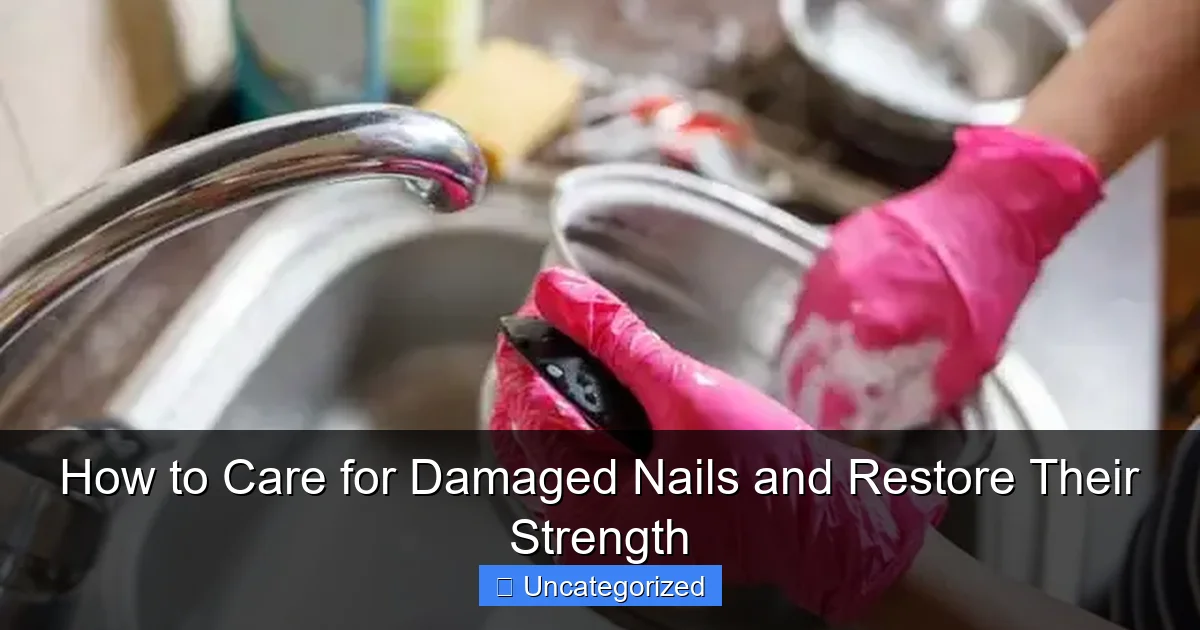
Featured image for how to care for damaged nails
Image source: femina.wwmindia.com
Gentle care and consistent hydration are essential to revive damaged nails—start by avoiding harsh chemicals and minimizing water exposure to prevent further weakening. Regularly apply nourishing oils and a protein-rich nail treatment to rebuild strength, protect the nail bed, and promote healthy regrowth over time.
Key Takeaways
- Moisturize daily: Apply cuticle oil to hydrate and repair nail beds.
- Wear gloves: Protect nails from water and chemicals during chores.
- File gently: Use a fine-grit file to avoid further splitting.
- Limit polish remover: Choose acetone-free options to prevent dryness.
- Eat nail-friendly foods: Boost keratin with protein, biotin, and vitamins.
- Let nails breathe: Take breaks from polish to strengthen naturally.
📑 Table of Contents
Understanding Damaged Nails: Causes and Signs
Common Causes of Nail Damage
Nails endure daily wear and tear, making them vulnerable to damage from various sources. Understanding the root causes is the first step toward effective care. Physical trauma, such as repetitive typing, using nails as tools, or accidental impacts, can lead to cracks, splits, or even detachment. Exposure to harsh chemicals—like acetone in nail polish removers, detergents, or cleaning agents—can strip nails of natural oils, leaving them brittle and weak. Additionally, excessive moisture from frequent handwashing, swimming, or prolonged exposure to water can soften the nail plate, making it prone to peeling and splitting. Environmental factors, such as cold, dry weather, also contribute to dehydration and cracking.
Internal health issues often manifest externally through the nails. Nutritional deficiencies—particularly in biotin, iron, protein, and zinc—can result in slow growth, ridges, and fragility. Medical conditions like thyroid imbalances, anemia, or fungal infections may also cause discoloration, thickening, or crumbling. Even lifestyle habits, such as smoking or excessive gel/acrylic nail use, can weaken the nail structure over time.
Recognizing the Signs of Damage
Identifying the symptoms of nail damage helps tailor your care routine effectively. Visible signs include:
- Vertical or horizontal ridges (beau’s lines)
- Peeling or flaking edges
- Discoloration (yellow, white, or brown patches)
- Splitting or crumbling layers
- Slow growth rate (less than 3mm per month)
- Soft, flexible, or overly hard nails
For example, a person who frequently soaks their hands in soapy water may notice peeling at the tips, while someone with iron deficiency might observe concave, spoon-shaped nails (koilonychia). Early detection allows for timely intervention, preventing further deterioration.
Nutrition and Supplements for Nail Repair
Essential Nutrients for Strong Nails
Healthy nails start from within. A balanced diet rich in key nutrients accelerates repair and prevents future damage. Here’s how specific nutrients contribute to nail strength:
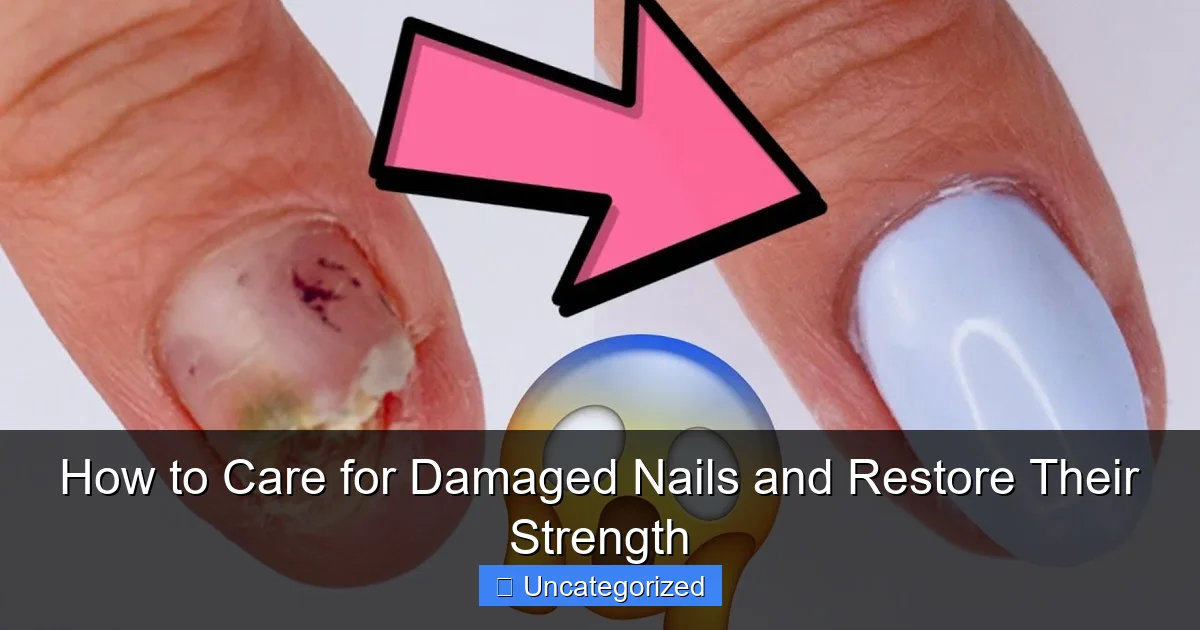
Visual guide about how to care for damaged nails
Image source: i.ytimg.com
- Biotin (Vitamin B7): A B-complex vitamin critical for keratin production, the protein that forms nails. A 2015 study in the Journal of Cosmetic Dermatology found that biotin supplements improved nail thickness by 25% in participants with brittle nails after six months.
- Protein: Nails are 80% keratin, a protein. Lean meats, eggs, legumes, and Greek yogurt provide amino acids like methionine, which supports nail structure.
- Iron: Iron deficiency causes brittle, concave nails. Pair iron-rich foods (spinach, red meat) with vitamin C (citrus fruits) to enhance absorption.
- Omega-3 Fatty Acids: Found in salmon, flaxseeds, and walnuts, these fats moisturize the nail bed and reduce inflammation.
- Zinc: Oysters, pumpkin seeds, and chickpeas supply zinc, which aids cell growth and repair.
<
Top Supplements to Consider
While diet is paramount, supplements can bridge gaps. Recommended options include:
- Biotin (1,000–5,000 mcg daily): Start with 1,000 mcg and increase if needed. Avoid mega-doses unless advised by a doctor.
- Collagen Peptides (5–10g daily): A 2017 study in Skin Pharmacology and Physiology showed collagen improved nail growth by 12% in 24 weeks.
- Multivitamins with B-complex, vitamin C, and E: Ensure broad-spectrum support.
- Iron (18–27 mg daily): Only take if blood tests confirm deficiency.
Pro tip: Take biotin with food to avoid stomach upset and pair omega-3s with meals for better absorption. Always consult a healthcare provider before starting supplements, especially if you have medical conditions.
Daily Nail Care Routine for Repair
Gentle Hygiene Practices
Over-cleaning or aggressive scrubbing worsens damage. Adopt these gentle habits:
- Wash hands with lukewarm water and pH-balanced soap: Avoid hot water, which dries nails. Use a soft brush for cleaning under nails.
- Limit exposure to water: Wear rubber gloves when washing dishes, gardening, or cleaning. A 2020 study in the Journal of the American Academy of Dermatology linked frequent water exposure to a 30% increase in nail brittleness.
- Pat dry thoroughly: Gently dry nails and cuticles after washing to prevent moisture-induced swelling.
Moisturizing and Strengthening Techniques
Hydration is key to repairing damaged nails. Follow this routine:
- Apply cuticle oil daily: Use jojoba, argan, or almond oil. Massage into the nail bed and cuticles for 1–2 minutes to boost circulation.
- Use a nail strengthener with keratin or calcium: Look for formulas with hydrolyzed keratin or calcium pantothenate (B5). Apply every other day.
- Overnight treatments: Slather on a thick layer of hand cream (e.g., shea butter-based) and wear cotton gloves to lock in moisture.
- DIY soak: Mix 1 tbsp olive oil, 1 tsp lemon juice, and 2 tbsp warm water. Soak nails for 10 minutes weekly to harden and brighten.
Example: A teacher who washes hands 20+ times daily might use cuticle oil after each wash and a keratin strengthener at night.
Professional Treatments and Products
At-Home Repair Products
Not all nail products are equal. Choose these science-backed options:
- Keratin-infused nail polishes: Brands like OPI Nail Envy or Essie Strong Start contain keratin and calcium to fortify nails.
- Peeling nail treatments: CND Rescue RXx uses silk fibers to bind peeling layers.
- Hydrating base coats: Orly Bonder with rubberized grip prevents polish chipping.
Application tip: Apply base coat → 2 layers of strengthener → top coat. Wait 2 minutes between layers for optimal adhesion.
Professional Interventions
For severe damage, consider these clinical treatments:
- Paraffin wax therapy: A dermatologist applies warm wax to deeply hydrate nails and cuticles.
- Fungal treatments: Oral antifungals (e.g., terbinafine) or topical creams (e.g., ciclopirox) for infections.
- Nail wraps or silk repairs: Technicians apply silk or fiberglass wraps to reinforce cracked nails.
- PRP (Platelet-Rich Plasma) therapy: A dermatologist injects platelet-rich plasma into the nail matrix to stimulate growth.
Data point: A 2021 survey by the American Academy of Dermatology found that 68% of patients saw improved nail strength after 3 sessions of paraffin therapy.
Lifestyle Adjustments to Prevent Further Damage
Protective Measures and Habits
Prevention is better than cure. Adopt these habits:
- Trim nails straight across with sharp clippers: Rounded edges increase snag risk. File in one direction with a fine-grit file (180+ grit).
- Keep nails short: Longer nails are more prone to trauma. Aim for 1–2mm beyond the fingertip.
- Avoid nail polish removers with acetone: Opt for acetone-free formulas with added moisturizers.
- Limit gel/acrylic nails: If you use them, take 2-week breaks between applications. Never pick them off—this tears the natural nail.
- Use a humidifier: Dry indoor air (below 40% humidity) dehydrates nails. Run a humidifier in winter.
Stress Management and Sleep
Stress and poor sleep disrupt nail growth. A 2019 study in Dermatology Practical & Conceptual linked chronic stress to a 15% slower nail growth rate. Combat this by:
- Prioritizing 7–9 hours of sleep: Growth hormones repair tissues during deep sleep.
- Practicing mindfulness or yoga: Reduces cortisol levels, improving circulation to nail beds.
- Staying hydrated: Drink half your body weight (in pounds) in ounces of water daily (e.g., 75 oz for a 150-lb person).
Tracking Progress and Long-Term Maintenance
Monitoring Nail Health
Track improvements with these methods:
- Take monthly photos: Compare nail length, smoothness, and color.
- Measure growth: Mark the nail edge with a polish line; measure weekly with a ruler.
- Journal symptoms: Note changes in brittleness, ridges, or pain.
Example: A graphic designer with splitting nails might track growth weekly and note reduced peeling after 8 weeks of biotin and cuticle oil.
Maintenance Plan for Lifelong Strength
Once nails recover, maintain health with:
- Monthly cuticle oil treatments: Prevent dryness.
- Quarterly professional manicures: Technicians can detect early issues.
- Annual blood tests: Check iron, vitamin D, and thyroid levels.
- Seasonal adjustments: Increase moisturizing in winter; wear sunscreen on hands in summer.
Data Table: Nail Growth and Repair Timeline
| Repair Phase | Timeframe | Key Actions | Expected Results |
|---|---|---|---|
| Initial Repair (Weeks 1–4) | 1 month | Moisturize daily, avoid harsh chemicals, take biotin | Reduced peeling, improved shine |
| Growth & Strengthening (Months 2–4) | 2–3 months | Use keratin strengtheners, trim regularly, wear gloves | Smoother edges, slower splitting |
| Full Recovery (Months 5–12) | 6–12 months | Maintain routine, monitor nutrition, professional check-ups | Strong, resilient nails; 3–5mm growth/month |
Damaged nails don’t have to be a permanent struggle. By combining targeted nutrition, a consistent care routine, professional guidance, and preventive habits, you can restore strength and beauty to your nails. Remember: patience is key. Nails grow slowly (1–3mm/month), but with dedication, even severely damaged nails can heal. Start small—add cuticle oil to your nightly routine, switch to acetone-free remover, or take a biotin supplement. Over time, these steps compound into noticeable results. Healthy nails are a reflection of overall wellness, so nurture them with the same care you’d give your skin or hair. Your fingertips will thank you.
Frequently Asked Questions
How can I repair damaged nails quickly?
To repair damaged nails fast, keep them trimmed short, apply a keratin-rich nail treatment, and avoid harsh chemicals. Consistent use of cuticle oil and wearing gloves during chores can accelerate healing.
What’s the best way to care for damaged nails at home?
For effective care of damaged nails, moisturize daily with a nourishing hand cream and cuticle oil. Limit exposure to water and acetone-based removers, and opt for a strengthening base coat to protect weak nails.
Can diet improve damaged nails?
Yes, a diet rich in biotin (eggs, nuts), protein, and vitamins A, C, and E supports nail repair. Hydration and zinc (found in shellfish, seeds) also play key roles in restoring nail strength.
How do I prevent further damage to brittle nails?
Prevent further damage by wearing gloves during cleaning or gardening and avoiding nail biting or picking. Use a gentle, non-acetone remover and file nails in one direction to reduce splitting.
Are there natural remedies to restore damaged nails?
Natural remedies like soaking nails in olive oil or a mix of lemon juice and honey can help restore moisture and shine. Regular application of jojoba oil also mimics natural nail oils, promoting resilience.
How long does it take to see results when caring for damaged nails?
Nails grow slowly, so visible improvement when caring for damaged nails may take 2-4 weeks for surface changes and 3-6 months for full regrowth. Patience and consistent care are essential for long-term results.