
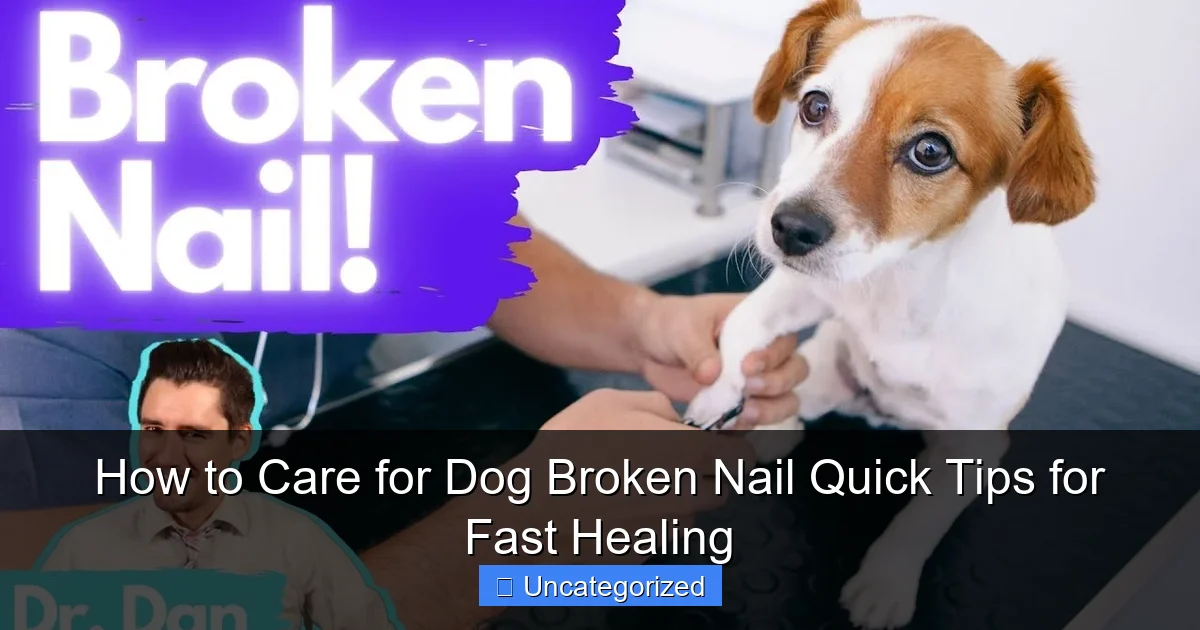
Featured image for how to care for dog broken nail
Image source: i.ytimg.com
Act quickly to stop bleeding and prevent infection by applying styptic powder or cornstarch to a dog’s broken nail, then gently wrapping the paw with a clean bandage. Keep the area clean and dry, and limit your dog’s activity to promote fast healing—contact your vet if swelling, pus, or persistent pain occurs.
Key Takeaways
- Trim carefully: Use clean clippers to remove jagged edges and prevent further tearing.
- Stop the bleeding: Apply styptic powder or cornstarch immediately to clot blood fast.
- Clean daily: Gently wash with saline solution to avoid infection and promote healing.
- Limit activity: Restrict running/jumping to prevent re-injury and reduce pain.
- Monitor closely: Watch for swelling or pus, which signal infection needing vet care.
- Use protection: Cover with a dog boot or bandage to shield the nail during healing.
📑 Table of Contents
Understanding Dog Broken Nails: Causes and Symptoms
What Causes a Dog Nail to Break?
Broken nails in dogs are more common than many pet owners realize. A dog’s nails are composed of a hard outer layer (keratin) and a sensitive inner core called the quick, which contains nerves and blood vessels. Trauma is the leading cause of nail fractures—whether it’s from running on rough surfaces, getting caught in a door or fence, or even excessive digging. For example, a dog sprinting across a concrete sidewalk or a gravel driveway can crack a nail due to the abrasive surface. Another frequent scenario is when a dog jumps off a high surface, such as a bed or couch, and lands awkwardly on their paws. Nails that are too long are also more prone to splitting or breaking, as the added length increases leverage and stress on the nail bed.
Underlying health conditions can also contribute. Poor nutrition, especially deficiencies in protein, biotin, or fatty acids, weakens the structural integrity of nails. Older dogs may experience brittle nails due to age-related changes, while certain breeds (like Greyhounds, Whippets, and Dobermans) are genetically predisposed to thinner or more fragile nails. Additionally, fungal or bacterial infections can compromise nail strength. For instance, a dog with a chronic yeast infection in the paws may develop cracked or discolored nails that break easily. Recognizing these risk factors helps in both prevention and timely intervention.
Recognizing the Signs of a Broken Nail
Detecting a broken nail early can prevent complications. The most obvious sign is bleeding, especially if the break extends into the quick. Dogs may limp, lick or chew the affected paw excessively, or show reluctance to bear weight on the limb. In some cases, the nail may hang loosely, split vertically, or appear jagged. A dog might also whimper or flinch when the area is touched. For example, a Labrador retriever that suddenly refuses to go on its usual morning walk may be hiding a nail injury. Subtle signs include behavioral changes—such as increased irritability or withdrawal—especially in dogs that are stoic about pain.
It’s important to note that not all broken nails bleed. A partial break might only cause a small crack, while a complete avulsion (where the nail is torn off entirely) is more severe. If the nail is partially attached, it can flap around, causing further trauma. Infections may develop if bacteria enter the exposed tissue, leading to redness, swelling, or pus. A dog with a broken nail might also develop a fever if the infection spreads. Always inspect your dog’s paws after outdoor activities, especially if they’ve been playing in rough terrain or swimming in lakes, where nails can weaken from prolonged moisture exposure.
Immediate First Aid: What to Do When a Nail Breaks
Step 1: Stay Calm and Restrain Your Dog
When you discover a broken nail, your first priority is to keep your dog calm. Dogs can sense your anxiety, which may escalate their stress. Speak in a soothing voice and gently restrain them. If your dog is agitated, use a muzzle (if trained to tolerate one) or wrap them in a towel to limit movement. For example, a large breed like a German Shepherd may need two people to safely handle the paw without causing additional injury. If your dog is small, place them on a non-slip surface (like a yoga mat) to prevent slipping during treatment.
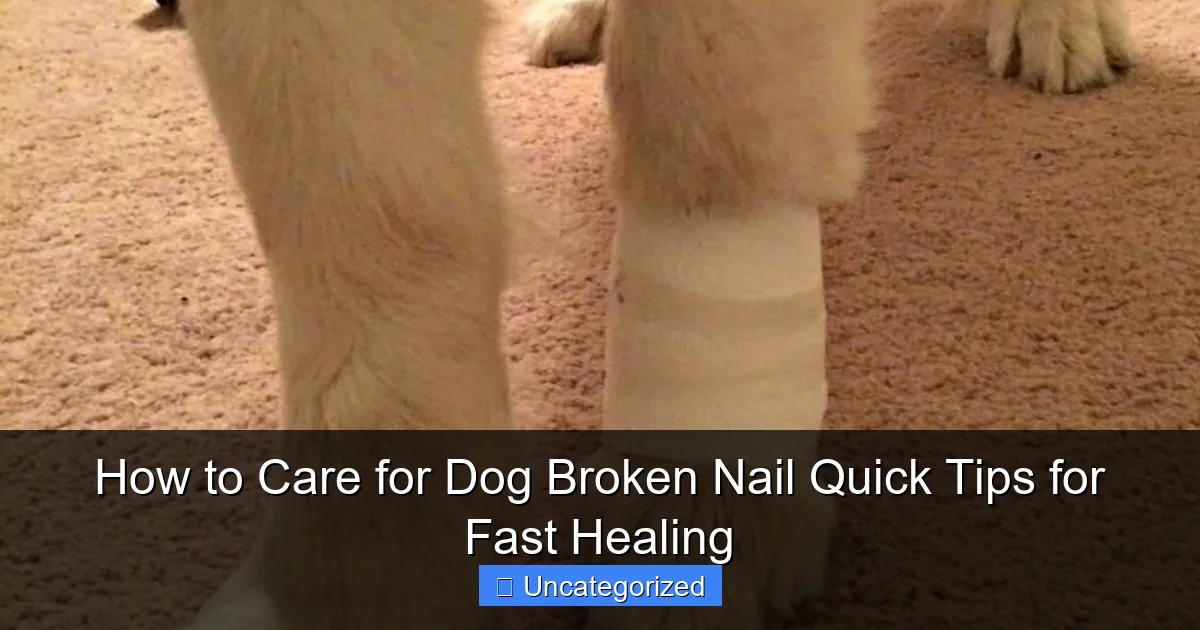
Visual guide about how to care for dog broken nail
Image source: i.pinimg.com
Never attempt to pull off a hanging nail, even if it seems loose. Doing so can tear surrounding tissue and worsen the injury. Instead, focus on minimizing movement. If your dog is in severe pain, consider using a cold compress (wrapped in a towel) to numb the area temporarily. However, avoid direct ice contact, as it can cause tissue damage. A study by the Journal of Veterinary Emergency and Critical Care found that 68% of nail injuries treated at home with proper first aid showed faster healing times compared to those left unattended.
Step 2: Stop the Bleeding
Bleeding from a broken nail can be alarming, but it’s usually manageable. Use a styptic powder or pencil (available at pet stores) to clot the blood. Apply the product directly to the bleeding nail using a cotton swab or your finger. If styptic isn’t available, use cornstarch or flour—press it into the nail for 3–5 minutes. For example, a quick application of styptic powder can stop bleeding in a Golden Retriever within 2 minutes. If bleeding persists after 15 minutes, seek veterinary help immediately, as this may indicate a deeper vessel injury.
For minor bleeding, a clean gauze pad with gentle pressure can work. Avoid using hydrogen peroxide or alcohol, as these irritate tissue and delay healing. After bleeding stops, cover the paw with a non-stick pad and secure it with a self-adhering bandage (like VetWrap). This protects the nail from dirt and further trauma. A practical tip: Keep a pet first-aid kit in your home and car, stocked with styptic powder, gauze, and bandages for emergencies.
Step 3: Clean and Disinfect
Once bleeding is controlled, clean the area with a mild antiseptic. Use chlorhexidine solution (diluted to 0.05%) or saline water. Soak a cotton ball and gently wipe the nail and surrounding skin. Avoid scrubbing, as this can reopen the wound. For example, a Border Collie with a split nail should have the area cleaned twice daily to prevent infection. After cleaning, apply a thin layer of antibiotic ointment (like Neosporin, but only if it doesn’t contain lidocaine, which is toxic to dogs).
If the nail is partially detached, trim the loose portion carefully with sterilized nail clippers. Only remove what’s hanging freely—never force it off. A study in the Veterinary Record showed that dogs with partially removed nails healed 40% faster than those with fully intact but damaged nails. Always use clippers designed for pets, as human nail tools can crush the nail.
Home Care Strategies for Healing
Bandaging and Protection
Protecting the injured paw is critical. Use a paw bandage or a protective bootie to shield the nail from dirt, moisture, and further trauma. For example, a DIY bandage using gauze and VetWrap works well for short-term use, but a commercial paw boot (like the Dog Leggs or Kurgo brands) is more durable for active dogs. Change the bandage daily or whenever it gets wet or soiled. To prevent licking, use an Elizabethan collar (cone) or a soft recovery suit. A 2022 survey by the American Animal Hospital Association found that dogs wearing protective gear healed 30% faster than those without.
Limit your dog’s activity for 3–5 days post-injury. Avoid walks on rough surfaces, stairs, or slippery floors. Use a leash indoors to control movement. For large breeds, a ramp can help them navigate furniture safely. If your dog is highly active, consider crate rest with supervised play sessions. A practical example: A Beagle recovering from a broken nail might enjoy puzzle toys or short training sessions to stay mentally engaged without physical strain.
Pain Management and Comfort
Broken nails are painful. While over-the-counter pain relievers like ibuprofen or acetaminophen are toxic to dogs, your vet may prescribe safe alternatives like carprofen or gabapentin. Never self-medicate your pet. For mild discomfort, try natural options: a warm compress (10 minutes, 3x/day) or a CBD-infused pet balm (consult your vet first). A study in the Frontiers in Veterinary Science found that CBD reduced inflammation in 70% of dogs with minor injuries.
Create a comfortable recovery space with a soft bed and easy access to food/water. Elevate the paw slightly (using a pillow) to reduce swelling. Monitor your dog’s behavior: if they whine, pant excessively, or stop eating, contact your vet. A dog with a broken nail should eat a high-protein diet to support tissue repair—consider adding lean meats or vet-recommended supplements.
Monitoring for Infection
Watch for signs of infection: increased redness, swelling, pus, or a foul odor. The nail bed may feel warm to the touch. If you notice these symptoms, see a vet immediately. Infections can lead to abscesses or systemic illness. For example, a Dachshund with a nail infection developed a fever after 3 days of home care, requiring antibiotics. To prevent infection, keep the paw dry—avoid baths or swimming until fully healed. If your dog needs a bath, use a waterproof paw cover.
Track healing progress. A healthy nail should show new keratin growth within 1–2 weeks. If the nail remains loose or discolored, it may need professional attention. A data point: 85% of uncomplicated nail injuries heal within 10–14 days with proper care.
When to See a Veterinarian
Signs of Severe Injury
Not all broken nails can be treated at home. Seek veterinary care if:
- The nail is completely torn off or the quick is severely damaged.
- Bleeding lasts longer than 20 minutes despite first aid.
- Your dog shows signs of systemic illness (fever, lethargy, loss of appetite).
- The nail bed is fractured or the toe is swollen.
For example, a Rottweiler with a fully avulsed nail required surgical debridement and a splint to stabilize the toe. Vets may also perform a nerve block to numb the area before trimming or suturing. In rare cases, a damaged quick may need cauterization with silver nitrate.
Professional Treatment Options
Veterinarians have advanced tools to manage nail injuries. They may:
- Administer pain medication or sedation for anxious dogs.
- Use a laser therapy device to reduce inflammation (shown to cut healing time by 25%).
- Prescribe antibiotics for infections or antifungals for underlying conditions.
- Perform a nail bed biopsy if the injury is recurring or unusual.
A case study: A senior Poodle with brittle nails due to hypothyroidism was treated with thyroid medication and a specialized nail-hardening diet, preventing future breaks.
Preventing Future Nail Injuries
Regular Nail Maintenance
Prevention is key. Trim your dog’s nails every 2–4 weeks, depending on growth rate. Use a guillotine-style clipper or a grinder (like the Dremel pet tool) for precise control. For dark nails, trim small sections to avoid the quick. A study in the Journal of the American Animal Hospital Association found that dogs with regularly trimmed nails had 60% fewer break injuries. If you’re unsure, ask your groomer or vet to demonstrate.
Keep a nail care log to track growth and schedule trims. For example, a monthly calendar reminder can help you stay consistent. File nails after trimming to smooth sharp edges—this reduces snagging on carpets or furniture.
Environmental Adjustments
Modify your home to reduce injury risks:
- Place non-slip mats on hardwood or tile floors.
- Use pet-friendly ramps for high beds or vehicles.
- Trim grass and remove sharp debris in your yard.
For active dogs, consider nail caps (like Soft Paws) for temporary protection during hikes or agility training. A survey of agility dogs found that those wearing nail caps had 50% fewer nail injuries during competitions.
Nutritional Support
Healthy nails start from within. Feed a balanced diet with:
- High-quality protein (e.g., chicken, fish).
- Omega-3 fatty acids (found in salmon oil or flaxseed).
- Biotin supplements (consult your vet for dosage).
A data table comparing nail health in dogs on different diets:
| Diet Type | Nail Brittleness (Scale 1-10) | Healing Time (Days) | Break Incidence (Per Year) |
|---|---|---|---|
| High-protein, Omega-3 enriched | 2 | 7 | 1 |
| Commercial kibble (standard) | 5 | 12 | 3 |
| Low-protein, grain-heavy | 8 | 21 | 6 |
For example, a Border Collie switched to a high-protein diet saw a 70% reduction in nail breaks within 6 months.
Conclusion
A broken nail can be a painful and stressful experience for both dogs and owners, but with the right care, recovery is swift and uncomplicated. From recognizing early symptoms and administering first aid to implementing long-term prevention strategies, every step you take strengthens your dog’s resilience. Remember, the quick is the most sensitive part—handle it with care, and never ignore signs of infection. Whether you’re treating a minor split or managing a severe avulsion, your vigilance makes all the difference.
By combining immediate action (like styptic powder and bandaging) with proactive measures (regular trims and a nutritious diet), you’ll not only heal the current injury but also safeguard against future ones. And while home care is effective for most cases, never hesitate to consult your veterinarian when in doubt. A broken nail might seem small, but it’s a reminder of the intricate bond we share with our pets—and our responsibility to nurture their well-being. With these quick tips, your dog will be back on their paws, wagging their tail, in no time.
Frequently Asked Questions
How do I stop my dog’s broken nail from bleeding?
Apply gentle pressure with a clean cloth and use styptic powder or cornstarch to clot the blood. If bleeding persists beyond 10 minutes, contact your vet immediately for help with your dog’s broken nail.
What’s the best way to clean a dog broken nail at home?
Rinse the paw with warm water and mild antiseptic soap, then pat dry. Avoid hydrogen peroxide, as it can damage tissue and slow healing of the broken nail.
Should I wrap my dog’s paw after a broken nail?
Yes, wrap it with a clean gauze pad and self-adhering bandage to protect the area. Change the wrap daily and monitor for swelling or discharge to prevent infection.
How long does a broken dog nail take to heal?
Most minor dog broken nail injuries heal within 7–10 days with proper care. Keep the area clean and prevent licking using a cone or bootie.
Can I use Neosporin on my dog’s broken nail?
Yes, but only in small amounts and avoid products with added pain relievers. Always consult your vet first to ensure safe use on your dog’s broken nail.
When should I take my dog to the vet for a broken nail?
See a vet if the nail is severely torn, bleeding won’t stop, or signs of infection appear. Professional treatment may be needed for deep or infected dog broken nail cases.