
Featured image for how to care for dog nail cut too short
Image source: i.ytimg.com
Act quickly if your dog’s nail is cut too short by applying gentle pressure with a clean cloth to stop bleeding, then use a styptic powder or cornstarch to seal the wound. Prevent infection and ease pain by keeping the area clean, monitoring for swelling, and using pet-safe antiseptics—contact your vet if bleeding persists beyond 10 minutes or signs of discomfort worsen.
Key Takeaways
- Apply styptic powder immediately to stop bleeding and reduce pain.
- Use gentle pressure with a clean cloth to control bleeding.
- Keep the area clean to prevent infection and aid healing.
- Monitor for signs of pain or infection like limping or swelling.
- Trim nails carefully next time, avoiding the quick to prevent injury.
- Reward calm behavior to reduce stress and build positive associations.
📑 Table of Contents
- Understanding the Problem: Why Short Nail Cuts Happen and Why They Matter
- Immediate First Aid: What to Do When You Cut the Quick
- Long-Term Healing: Supporting Your Dog’s Recovery
- Preventing Future Nail Cuts Too Short: Best Practices
- Behavioral and Emotional Support: Rebuilding Trust
- When to Visit the Vet: Recognizing Red Flags
- Conclusion: A Proactive Approach to Dog Nail Health
Understanding the Problem: Why Short Nail Cuts Happen and Why They Matter
Imagine your dog yelping in pain as they step on the floor, limping slightly with each stride. You check their paws and notice a small bead of blood near the base of a nail—your heart sinks. You realize their nail has been cut too short, exposing the sensitive quick, the living tissue inside the nail that contains nerves and blood vessels. This is a common but distressing situation that many dog owners face, often during routine grooming or nail trims. While it may seem like a minor mistake, a dog nail cut too short can cause significant discomfort, lead to infection, and even impact your pet’s long-term mobility if not properly addressed. The good news? With the right knowledge and care, you can manage the injury effectively and prevent future occurrences.
Dog nails, unlike human nails, are not just cosmetic—they play a crucial role in weight distribution, traction, and even joint health. When the quick is exposed due to a nail cut too short, the dog experiences sharp pain and may develop an aversion to walking, running, or even having their paws touched. This can lead to behavioral changes such as reluctance to go on walks or anxiety during grooming. According to the American Veterinary Medical Association (AVMA), nail-related injuries account for a notable percentage of minor veterinary visits, especially in homes where owners attempt DIY grooming. Understanding how to care for a dog nail cut too short is not just about immediate treatment; it’s about ensuring your dog’s comfort, safety, and trust in the grooming process.
Immediate First Aid: What to Do When You Cut the Quick
Step 1: Stay Calm and Assess the Situation
The first and most important step is to remain calm. Dogs are highly attuned to their owner’s emotions, and your panic can escalate their stress. Approach your dog gently and speak in a soothing tone. Check the affected paw carefully. Look for signs of bleeding, swelling, or exposed pink tissue. If the bleeding is minor—just a few drops—you may be able to manage it at home. However, if the bleeding is continuous, pulsating, or the nail appears severely damaged, it’s best to contact your veterinarian immediately.
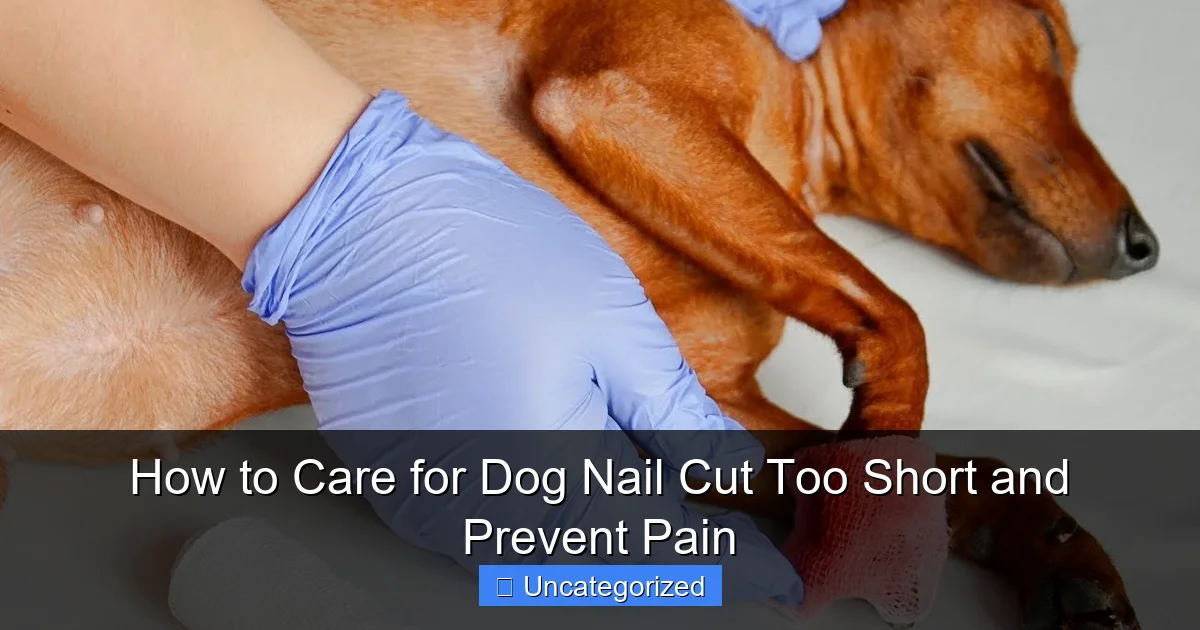
Visual guide about how to care for dog nail cut too short
Image source: i.ytimg.com
Step 2: Stop the Bleeding
To stop the bleeding, you’ll need a styptic agent. Styptic powder, available at pet stores or pharmacies, contains ingredients like potassium alum or ferric subsulfate that help constrict blood vessels and promote clotting. Here’s how to apply it:
- Press a small amount of styptic powder directly onto the bleeding nail using a cotton swab or fingertip.
- Apply gentle but firm pressure for 30–60 seconds. Avoid wiping, as this can disrupt clot formation.
- If the powder isn’t available, a bar of soap (preferably unscented) or cornstarch can be used as a temporary substitute. Press the soap edge or a cotton ball soaked in cornstarch onto the nail.
Pro Tip: Keep a styptic pen or powder in your pet first-aid kit. These are easy to use and less messy than loose powder.
Step 3: Clean and Protect the Wound
Once the bleeding stops, clean the area to prevent infection. Use a mild antiseptic solution such as diluted chlorhexidine (1:10 ratio with water) or povidone-iodine. Avoid hydrogen peroxide or alcohol, as these can damage healthy tissue and delay healing. Gently dab the area with a clean gauze pad. Then, apply a small amount of pet-safe antibiotic ointment (e.g., Neosporin without pain relievers, which can be toxic to dogs if ingested).
To protect the nail, especially if your dog is active, consider using a dog boot or wrapping the paw with a non-stick gauze pad and vet wrap. This prevents dirt, bacteria, and further trauma during walks.
Step 4: Monitor for Complications
Keep a close eye on the affected paw over the next 24–48 hours. Watch for signs of infection, including:
- Increased redness, swelling, or warmth around the nail
- Pus or foul-smelling discharge
- Persistent limping or reluctance to bear weight
- Excessive licking or chewing at the paw
If any of these symptoms appear, contact your vet. Infections in the nail bed can escalate quickly and may require oral antibiotics.
Long-Term Healing: Supporting Your Dog’s Recovery
Creating a Safe Environment
During the healing process, your dog’s mobility may be compromised. To support their recovery, make adjustments to their environment:
- Reduce activity: Limit walks to short, leash-controlled potty breaks. Avoid running, jumping, or playing on hard surfaces.
- Use traction aids: Place non-slip rugs or yoga mats on hardwood or tile floors to prevent slipping, which can worsen the injury.
- Provide soft bedding: Ensure your dog has a comfortable, padded place to rest. Orthopedic beds are ideal for dogs with joint issues.
Encouraging Natural Regrowth
The quick will gradually recede as the nail regrows. This process can take 2–4 weeks, depending on the dog’s age, breed, and overall health. To support healthy regrowth:
- Ensure your dog is on a balanced diet rich in protein, biotin (a B vitamin), and omega-3 fatty acids. These nutrients promote strong nails and skin.
- Consider supplements like biotin chews or fish oil, but consult your vet first—some dogs have sensitivities.
- Regularly inspect the nail. As it grows, you may notice a darker, healed layer forming over the quick. This is normal and indicates recovery.
Managing Pain and Discomfort
While most short nail cuts cause temporary pain, some dogs experience lingering discomfort. If your dog is still limping after 24 hours, your vet may recommend:
- Pet-safe pain relief: Never give human medications like ibuprofen or acetaminophen, which are toxic to dogs. Instead, ask your vet about carprofen or gabapentin, common veterinary pain relievers.
- Ice therapy: Apply a cold compress (wrapped in a towel) to the paw for 5–10 minutes to reduce inflammation. Do this 2–3 times daily.
- Behavioral support: Use positive reinforcement to encourage your dog to rest. Offer chew toys or puzzle feeders to keep them mentally stimulated without physical strain.
Preventing Future Nail Cuts Too Short: Best Practices
Knowing the Anatomy of Dog Nails
Understanding the structure of your dog’s nail is key to avoiding future injuries. The quick is the pink, blood-rich center of the nail, visible in light-colored nails. In dark nails, it’s harder to see, making trimming riskier. The general rule is to trim only the curved tip—never cut past the slight indentation (called the “hook”) where the nail begins to flatten.
Example: For a dog with black nails, use the “quarter-inch rule”—cut no more than 1/4 inch from the base of the nail. If you see a dark, powdery substance (dried blood), stop immediately—you’re close to the quick.
Choosing the Right Tools
Invest in high-quality nail clippers or grinders designed for dogs. Here’s a comparison:
| Tool | Best For | Pros | Cons |
|---|---|---|---|
| Guillotine Clippers | Small to medium dogs | Precise cuts; easy to use | Can crush brittle nails |
| Scissor-Style Clippers | Large dogs with thick nails | Powerful; good for tough nails | Bulkier; harder to maneuver |
| Rotary Grinder (e.g., Dremel) | All dogs, especially those with dark nails | Smooth finish; reduces risk of splitting | Noisy; may scare some dogs |
Trimming Techniques and Frequency
Trim your dog’s nails every 3–4 weeks to prevent overgrowth. Overgrown nails force the quick to extend, increasing the risk of injury during trimming. Follow these steps:
- Use the “two-step method”: Make a small cut, wait 10–15 seconds, then check for blood. If none, make another cut.
- Angle the clippers: Hold the clippers at a 45-degree angle to match the nail’s natural curve.
- Grind gradually: If using a grinder, work in short bursts (5–10 seconds) to avoid overheating the nail.
Pro Tip: Practice desensitization. Let your dog sniff the clippers, touch their paws, and reward them with treats. This builds positive associations.
When to Seek Professional Help
Some dogs are high-risk for quick injuries. Consider professional grooming if your dog:
- Has extremely dark or thick nails
- Is anxious or aggressive during grooming
- Has medical conditions like arthritis, which make handling difficult
Veterinarians and certified groomers have experience with difficult cases and can use techniques like “quicking” (gradually shortening nails over weeks) to safely reduce the quick’s length.
Behavioral and Emotional Support: Rebuilding Trust
Addressing Fear and Anxiety
A dog who has experienced a painful nail trim may develop a fear of grooming tools or even their owner’s touch. To rebuild trust:
- Go slow: Start with non-invasive activities like massaging the paw or touching the nail with a finger.
- Use high-value treats: Offer small pieces of chicken or cheese during and after handling.
- Short sessions: Keep initial sessions under 5 minutes to avoid overwhelming your dog.
Example: For a fearful dog, begin by touching the paw for 3 seconds, then reward. Gradually increase duration over days or weeks.
Positive Reinforcement Training
Pair nail care with fun activities. For instance:
- After a successful trim, take your dog for a walk or play fetch.
- Use a “touch” command to encourage voluntary paw lifting.
- Create a grooming routine with consistent cues (e.g., “Nail time!”).
Alternative Grooming Options
If your dog remains anxious, explore alternatives:
- Mobile groomers: They come to your home, reducing stress.
- Sedation-assisted trims: For extreme cases, vets can use mild sedatives.
- Nail caps (e.g., Soft Paws): These glue-on caps cover sharp nails, eliminating the need for frequent trims.
When to Visit the Vet: Recognizing Red Flags
Signs of Infection or Severe Injury
While most short nail cuts heal at home, some require veterinary attention. Seek immediate care if your dog shows:
- Persistent bleeding: Bleeding that lasts more than 20 minutes or restarts after stopping.
- Swelling or abscess: A puffy, fluid-filled bump near the nail.
- Lethargy or fever: Signs of systemic infection.
- Fractured or split nail: The nail is broken or hanging loosely.
Veterinary treatment may include:
- Antibiotics: For bacterial infections.
- Pain management: Injectable or oral medications.
- Bandaging or splinting: For unstable nails.
- Nail removal: In rare cases, the entire nail may need extraction.
Underlying Health Conditions
In some cases, frequent quick injuries may indicate an underlying issue. For example:
- Nutritional deficiencies: Poor diet can lead to brittle, weak nails.
- Hormonal imbalances: Conditions like hypothyroidism affect nail growth.
- Autoimmune disorders: Rare but possible causes of nail bed inflammation.
A vet can run blood tests or recommend dietary changes to address these concerns.
Conclusion: A Proactive Approach to Dog Nail Health
Caring for a dog nail cut too short is more than just stopping the bleeding—it’s about holistic recovery, prevention, and emotional support. By acting quickly with proper first aid, creating a healing-friendly environment, and adopting safe trimming practices, you can turn a stressful mistake into a learning opportunity. Remember, the goal isn’t just to fix the injury but to prevent it from happening again. Regular trims, the right tools, and patience go a long way in maintaining your dog’s paw health.
Ultimately, your dog’s trust is your most valuable asset. A positive grooming experience strengthens your bond and makes future trims easier. Whether you choose to trim at home or rely on professionals, prioritize your dog’s comfort and well-being. With knowledge, care, and a little compassion, you can ensure your dog’s paws stay healthy, strong, and pain-free—step after step.
Frequently Asked Questions
What should I do if I accidentally cut my dog’s nail too short?
If you cut your dog’s nail too short and it starts bleeding, remain calm and apply styptic powder or cornstarch to stop the bleeding. Gently press the area for a few minutes and keep your dog still to prevent further injury.
How can I soothe my dog’s pain after a nail cut too short?
To ease discomfort from a dog nail cut too short, clean the area with mild antiseptic and apply a cold compress. Offer your dog a distraction like a chew toy or treat to keep them calm while it heals.
Can a dog’s nail grow back after being cut too short?
Yes, a dog’s nail will regrow after being cut too short, but it may take several weeks. Monitor the area for signs of infection and avoid walking on rough surfaces until fully healed.
How do I prevent cutting my dog’s nails too short in the future?
To avoid cutting your dog’s nail too short, trim only the curved tip and avoid the “quick” (the pink area inside the nail). Use a sharp clipper and make small cuts, especially on dark nails where the quick isn’t visible.
When should I see a vet for a dog nail cut too short?
Seek veterinary care if the bleeding doesn’t stop after 15–20 minutes, the area becomes swollen or oozes, or your dog shows persistent limping or pain. These could indicate infection or deeper injury.
Is it normal for my dog to limp after a nail cut too short?
Mild limping can occur due to pain or sensitivity from a nail cut too short, but it should resolve within 24–48 hours. If limping persists or worsens, consult your vet to rule out complications.