
Featured image for how to care for dry brittle nails
Image source: aphrodite.gmanetwork.com
Hydration and protection are essential to combat dry, brittle nails—start by applying a nourishing cuticle oil daily and wearing gloves during chores to shield nails from harsh chemicals and water exposure. Pair this with a protein-rich nail strengthener and a balanced diet high in biotin and omega-3s to accelerate strength and resilience from within.
Key Takeaways
- Moisturize daily: Apply cuticle oil and hand cream to lock in hydration.
- Limit water exposure: Wear gloves during chores to prevent nail dehydration.
- Use gentle products: Choose acetone-free removers and non-abrasive nail tools.
- Hydrate from within: Drink water and eat biotin-rich foods for nail strength.
- File carefully: Use a fine-grit file and avoid sawing back and forth.
- Protect nails: Apply a strengthening base coat to shield against breakage.
📑 Table of Contents
- Understanding Dry Brittle Nails: Causes and Symptoms
- Nutrition and Supplements for Stronger Nails
- Topical Treatments and Moisturizing Routines
- Protective Habits and Lifestyle Changes
- Professional Treatments and When to See a Dermatologist
- Data Table: Nail Care Product Comparison
- Conclusion: Your Path to Stronger, Healthier Nails
Understanding Dry Brittle Nails: Causes and Symptoms
Dry, brittle nails are a common but often overlooked condition that affects millions of people worldwide. Characterized by splitting, peeling, chipping, and a lack of flexibility, these nails not only look unhealthy but can also make everyday tasks—like opening a jar or typing on a keyboard—painful and frustrating. While many assume brittle nails are just a cosmetic concern, they can be symptomatic of underlying health issues, nutritional deficiencies, or environmental stressors. According to a Journal of Clinical and Aesthetic Dermatology study, up to 20% of the population experiences nail brittleness at some point, with women over 50 being particularly susceptible.
The structure of your nails—composed mainly of keratin, water, and lipids—makes them vulnerable to dehydration and mechanical damage. Unlike hair, nails don’t produce oils, so they rely entirely on external moisture and internal health to stay strong and flexible. When this balance is disrupted, the result is dry, brittle nails that break easily. Understanding the root causes is the first step toward effective care. From frequent handwashing and exposure to harsh chemicals to hormonal changes and poor diet, the triggers are varied and often interconnected. Recognizing the early signs—such as vertical ridges, horizontal splits (onychoschizia), or white spots—can help you intervene before the condition worsens.
Common Causes of Dry Brittle Nails
- Environmental Exposure: Frequent contact with water, detergents, acetone-based nail polish removers, and cold, dry air strips natural oils and moisture from nails.
- Nutritional Deficiencies: Lack of biotin (B7), iron, zinc, vitamin C, and essential fatty acids can weaken nail structure.
- Medical Conditions: Hypothyroidism, anemia, psoriasis, and fungal infections are linked to brittle nails.
- Aging: As we age, nail growth slows and moisture retention decreases, leading to increased brittleness.
- Over-Manicuring: Overuse of nail files, excessive buffing, and improper cuticle removal can damage the nail plate.
Recognizing the Symptoms
Brittle nails don’t all look the same. Some people experience lamellar splitting, where the nail separates into layers, while others notice longitudinal splitting along the length of the nail. Common symptoms include:
- Cracking or breaking at the free edge
- Peeling from the tip upward
- Rough, flaky surface
- White spots or discoloration
- Vertical ridges (normal with age but can worsen with dryness)
- Increased sensitivity or pain during nail growth
Early detection allows for faster recovery. If your nails are breaking more than once a week or you notice sudden changes in texture, it’s time to take action.
Nutrition and Supplements for Stronger Nails
What you eat directly impacts the health of your nails. Nails are made of keratin, a protein, and require a steady supply of vitamins, minerals, and healthy fats to grow strong and resilient. A diet lacking in essential nutrients is one of the most overlooked causes of dry brittle nails. While topical treatments help, true nail strength starts from within.
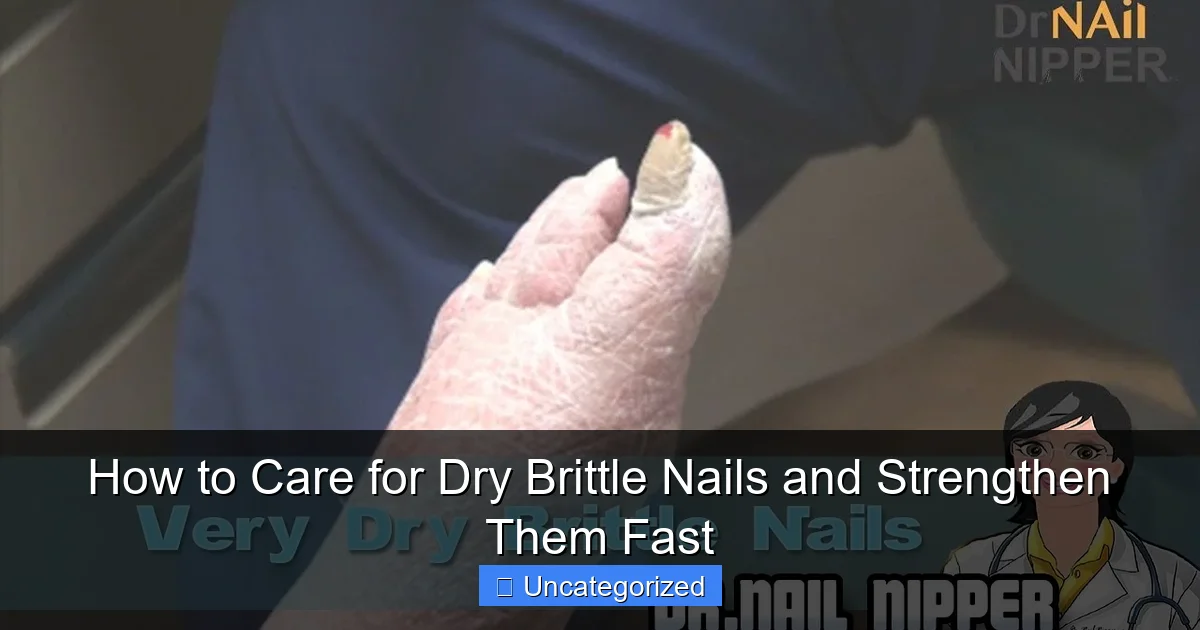
Visual guide about how to care for dry brittle nails
Image source: i.ytimg.com
Key Nutrients for Nail Health
To strengthen dry brittle nails, focus on incorporating these nutrients into your daily diet:
- Biotin (Vitamin B7): Known as the “nail vitamin,” biotin supports keratin infrastructure. A 2017 study in Dermatology Practical & Conceptual found that 2.5 mg of biotin daily improved nail thickness and reduced splitting in 63% of participants after 6 months.
- Iron: Iron deficiency (anemia) leads to brittle, spoon-shaped nails (koilonychia). Include lean red meat, spinach, lentils, and fortified cereals. Pair with vitamin C (e.g., oranges, bell peppers) to enhance absorption.
- Omega-3 Fatty Acids: Found in fatty fish (salmon, mackerel), flaxseeds, and chia seeds, omega-3s moisturize nails from within and reduce inflammation.
- Zinc: Supports cell growth and protein synthesis. Oysters, pumpkin seeds, and chickpeas are excellent sources.
- Vitamin C: A powerful antioxidant that boosts collagen production, essential for nail strength. Citrus fruits, strawberries, and broccoli are rich in vitamin C.
- Vitamin E: Protects nails from oxidative stress and improves circulation to the nail bed. Found in almonds, sunflower seeds, and avocados.
Top Nail-Boosting Foods
Create a weekly meal plan centered around these nail-friendly foods:
- Breakfast: Oatmeal with chia seeds, blueberries, and a sprinkle of almonds.
- Lunch: Spinach salad with grilled salmon, avocado, and sunflower seeds, dressed with olive oil and lemon.
- Snack: Greek yogurt with flaxseeds and a handful of walnuts.
- Dinner: Baked chicken with roasted sweet potatoes and steamed broccoli.
- Hydration: Drink 8–10 glasses of water daily. Add lemon or cucumber for flavor and added vitamin C.
Supplements That Work
If your diet falls short, consider supplements. Always consult a healthcare provider before starting any regimen:
- Biotin: 2.5–5 mg daily (start low to avoid acne).
- Multivitamin with Iron and Zinc: Choose a high-quality formula tailored for women or general wellness.
- Omega-3 Capsules: 1,000–2,000 mg EPA/DHA daily.
- Collagen Peptides: 10–20 grams daily. A 2019 Journal of Cosmetic Dermatology study showed improved nail growth and reduced brittleness after 24 weeks of collagen supplementation.
Pro Tip: Take supplements with meals for better absorption. Consistency is key—results typically appear after 2–3 months.
Topical Treatments and Moisturizing Routines
While nutrition builds the foundation, topical care seals the deal. Dry brittle nails lack both moisture (water) and lipids (oils), so a dual approach is essential. Think of your nails like a parched garden: they need both hydration (water) and nourishment (oil) to thrive.
Daily Moisturizing Routine
Follow this 5-step routine every night for maximum results:
- Soak: Soak hands in warm water with a few drops of olive oil or jojoba oil for 5–10 minutes. This softens the nail and cuticles, allowing better absorption.
- Exfoliate: Gently push back cuticles with an orange stick. Avoid cutting them—this can lead to infection.
- Hydrate: Apply a humectant-rich hand cream with ingredients like glycerin, hyaluronic acid, or urea (10–20%). These attract water to the nail and skin.
- Nourish: Massage a lipid-rich oil (jojoba, argan, or sweet almond) into the nail plate, cuticles, and surrounding skin. Oils replenish lost lipids and create a protective barrier.
- Seal: Apply a nail hardener or strengthener with keratin, calcium, or silk proteins. Avoid formaldehyde-based products, which can dry nails further.
Best Ingredients for Nail Moisturizers
- Jojoba Oil: Mimics the skin’s natural sebum. Use 2–3 drops daily.
- Shea Butter: Rich in fatty acids and vitamin E. Ideal for overnight masks.
- Urea (10–20%): A keratolytic agent that exfoliates dry skin and hydrates nails. Found in specialized nail creams.
- Hyaluronic Acid: Holds up to 1,000 times its weight in water. Use in serums or creams.
- Dimethicone: A silicone that locks in moisture without greasiness.
DIY Nail Masks for Intensive Care
For a spa-like treatment at home, try these DIY masks:
- Honey & Olive Oil Mask: Mix 1 tbsp raw honey (antibacterial, humectant) with 1 tbsp olive oil. Apply to nails and cuticles, cover with gloves, and leave for 20 minutes. Rinse with warm water.
- Avocado & Banana Mask: Mash half an avocado and one banana. Add 1 tsp coconut oil. Apply, leave for 15 minutes, then rinse. Rich in vitamins A, E, and potassium.
- Aloe Vera & Tea Tree Oil Soak: Mix 2 tbsp aloe vera gel (soothing, hydrating) with 2 drops tea tree oil (antifungal). Soak nails for 10 minutes weekly.
Pro Tip: Apply a thick layer of moisturizer at night and wear cotton gloves to enhance absorption. This “occlusion method” boosts effectiveness by 3x.
Protective Habits and Lifestyle Changes
Your nails face daily battles—from dish soap and hand sanitizers to typing and cold weather. Adopting protective habits can prevent further damage and accelerate healing. Think of your nails as a shield that needs constant reinforcement.
Wear Gloves: Your First Line of Defense
- Dishwashing: Use rubber gloves with cotton liners. Change gloves if water seeps in.
- Household Chores: Wear nitrile gloves when cleaning, gardening, or handling chemicals.
- Cold Weather: Insulated gloves prevent nails from drying in low humidity.
Real-World Example: Sarah, a nurse, struggled with brittle nails from frequent handwashing. After switching to gloves during shifts and applying a jojoba oil serum nightly, her nails stopped peeling within 8 weeks.
Gentle Nail Care Practices
- Trim Regularly: Use sharp, clean clippers. File in one direction (not sawing) with a fine-grit glass file.
- Limit Nail Polish: Take 1–2 weeks off between manicures. Use a nourishing base coat with keratin or silk.
- Avoid Acetone: Choose acetone-free removers with aloe or vitamin E.
- Don’t Over-Buff: Excessive buffing thins the nail plate. Buff only once a month, if needed.
Hydration and Humidity Control
Low humidity (<30%) accelerates nail dehydration. Use a humidifier at home or office, especially in winter. For on-the-go hydration:
- Carry a travel-sized hand cream (e.g., O’Keeffe’s Working Hands).
- Apply a drop of cuticle oil every 4–6 hours.
- Spritz nails with a hydrating facial mist (with glycerin or hyaluronic acid) during dry days.
Professional Treatments and When to See a Dermatologist
While home care works for most, severe cases require professional intervention. If your dry brittle nails persist despite consistent care, or if you notice signs of infection (redness, swelling, pus), consult a dermatologist or trichologist.
When to Seek Medical Help
- Nails are painful or bleeding
- Sudden changes in nail shape (e.g., spoon-shaped, clubbed)
- Yellowing, thickening, or crumbling (possible fungal infection)
- Horizontal grooves (Beau’s lines) indicating illness or trauma
- No improvement after 3 months of home care
Medical Treatments Available
Dermatologists may recommend:
- Topical Prescriptions: Urea 40% cream (Kerasal) or antifungal creams for infections.
- Oral Medications: Biotin (5–10 mg/day) or iron supplements if deficiency is confirmed via blood test.
- Light Therapy: For psoriasis-related nail changes, UVB phototherapy can help.
- Nail Plate Injections: In rare cases, corticosteroid injections reduce inflammation.
Salon Services That Help (and Harm)
Choose salons wisely:
- Helpful: Paraffin wax treatments (moisturize), cuticle oil infusions, and gentle buffing.
- Harmful: Acrylics, gels (especially with acetone soak-off), and aggressive cuticle cutting. If you get gels, opt for “soak-off” formulas with moisturizing base coats.
Pro Tip: Bring your own nail tools to salons to avoid cross-contamination.
Data Table: Nail Care Product Comparison
| Product Type | Key Ingredients | Best For | Price Range (USD) | Effectiveness (1-5) |
|---|---|---|---|---|
| Cuticle Oil | Jojoba oil, vitamin E, almond oil | Daily hydration, cuticle repair | $8–$25 | 4.8 |
| Nail Hardener | Keratin, calcium, silk proteins | Splitting, peeling | $10–$30 | 4.2 |
| Hand Cream | Glycerin, shea butter, hyaluronic acid | Overnight repair, daily use | $5–$20 | 4.6 |
| Biotin Supplement | Biotin (2.5–5 mg), B-complex | Nutritional support | $10–$25/month | 4.4 |
| Urea Cream (10–20%) | Urea, dimethicone, glycerin | Severe dryness, cracked skin | $15–$40 | 4.7 |
| Collagen Peptides | Hydrolyzed collagen, vitamin C | Internal strengthening | $20–$50/month | 4.5 |
Conclusion: Your Path to Stronger, Healthier Nails
Transforming dry brittle nails into strong, resilient ones isn’t an overnight fix—it’s a holistic journey that combines nutrition, topical care, protective habits, and professional guidance when needed. The key is consistency: moisturize daily, eat nutrient-dense meals, wear gloves during chores, and listen to your body. Within 2–3 months, you’ll likely notice reduced splitting, smoother texture, and faster growth.
Remember, your nails are a reflection of your overall health. By addressing deficiencies, reducing environmental stressors, and using the right products, you’re not just improving your nails—you’re investing in your well-being. Start with one change: swap your acetone remover for a gentle formula, add a biotin-rich snack to your lunch, or apply cuticle oil before bed. Small steps lead to big results. With patience and persistence, you’ll soon have nails that are not only beautiful but also strong enough to tackle life’s everyday challenges. Your hands—and your confidence—will thank you.
Frequently Asked Questions
What causes dry brittle nails and how can I prevent them?
Dry brittle nails are often caused by frequent exposure to water, harsh chemicals, cold weather, or nutritional deficiencies. To prevent them, wear gloves during chores, limit water exposure, and moisturize nails and cuticles daily with nourishing oils or creams.
How can I strengthen dry brittle nails fast?
To strengthen dry brittle nails fast, use a keratin-rich nail hardener and apply cuticle oil 2–3 times daily. Pair this with a biotin supplement and a protein-rich diet to accelerate nail repair and resilience.
Are there natural remedies for caring for dry brittle nails?
Yes! Soak nails in warm olive or coconut oil for 10 minutes weekly to hydrate and strengthen them. Aloe vera gel and lemon juice can also help restore moisture and reduce brittleness when applied regularly.
How often should I moisturize my nails if they’re dry and brittle?
Moisturize your nails and cuticles at least twice daily—morning and night—using a thick cream or oil-based product. For severe dryness, reapply after handwashing or every 4 hours to lock in hydration.
Can diet improve dry brittle nails?
Absolutely. A diet rich in biotin (eggs, nuts), omega-3s (salmon, flaxseeds), and vitamins A, C, and E supports nail health. Staying hydrated and reducing sugar intake also helps maintain strong, flexible nails.
What’s the best way to protect dry brittle nails during daily tasks?
Wear rubber or cotton gloves when cleaning, washing dishes, or gardening to shield nails from water and chemicals. Avoid using nails as tools, and file them gently in one direction to prevent splitting.