
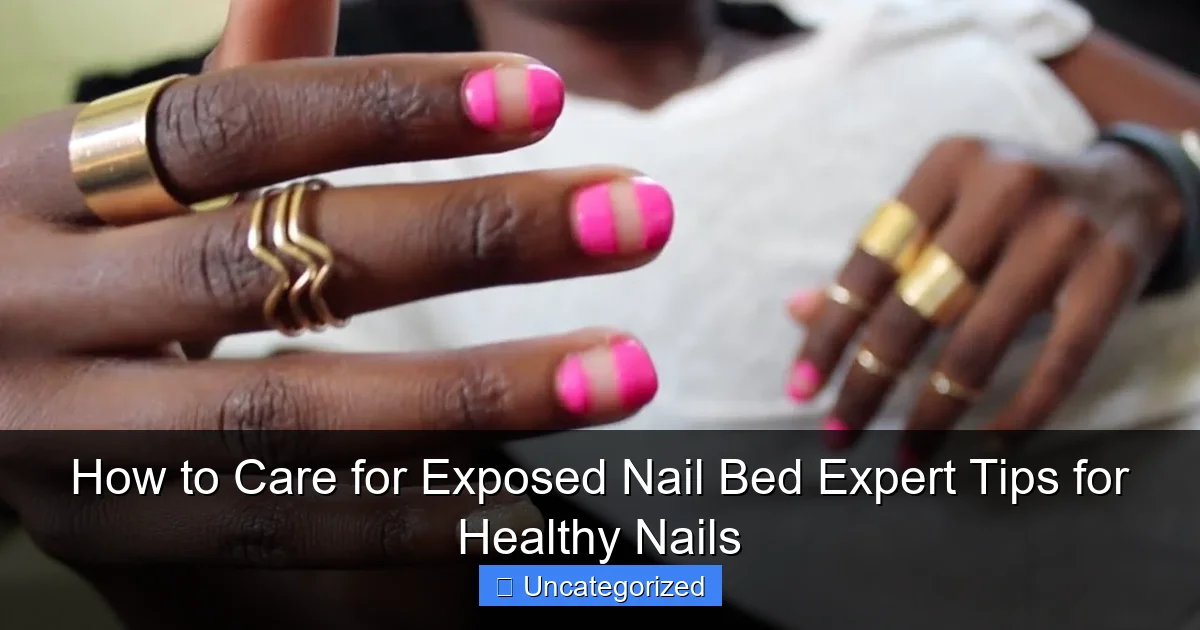
Featured image for how to care for exposed nail bed
Image source: i.ytimg.com
Keep the exposed nail bed clean and dry to prevent infection and promote healing. Gently apply an antibiotic ointment and cover with a sterile bandage to protect the sensitive area, especially during daily activities. Moisturize regularly and avoid harsh chemicals to support nail bed recovery and maintain long-term nail health.
Key Takeaways
- Moisturize daily: Apply cuticle oil or cream to protect and hydrate the exposed nail bed.
- Wear gloves: Shield nails from water, chemicals, and trauma during chores or work.
- Trim carefully: Use sterile tools to avoid infection and further damage to delicate tissue.
- Avoid picking: Prevent worsening exposure by resisting habits like biting or peeling nails.
- Use gentle products: Choose acetone-free removers and non-irritating nail care solutions.
- Consult a pro: Seek medical advice if redness, swelling, or pain persists.
📑 Table of Contents
- Understanding the Exposed Nail Bed: Causes and Concerns
- Immediate First Aid for an Exposed Nail Bed
- Long-Term Care Strategies for Healing and Protection
- Medical Treatments and When to See a Doctor
- Nutrition and Lifestyle Adjustments for Nail Health
- Preventing Future Nail Bed Injuries
- Comparing Nail Bed Care Products: A Quick Reference
- Conclusion: Prioritizing Nail Bed Health for Long-Term Results
Understanding the Exposed Nail Bed: Causes and Concerns
An exposed nail bed can be both painful and alarming, often catching individuals off guard due to its sudden onset or gradual progression. The nail bed is the soft tissue beneath the nail plate, rich in blood vessels and nerves, making it sensitive and vital for nail health. When the protective nail plate is damaged, lifted, or removed, the nail bed becomes exposed, leaving it vulnerable to infection, irritation, and pain. This condition can result from trauma, such as a slammed finger or repetitive micro-injuries from activities like typing or guitar playing. It can also stem from medical conditions like psoriasis, fungal infections, or onycholysis (nail separation), where the nail detaches from the bed. Understanding the underlying cause is the first step toward effective treatment and prevention.
Ignoring an exposed nail bed can lead to complications, including chronic pain, bacterial or fungal infections (like paronychia), and even permanent nail deformities. For example, a construction worker who frequently handles tools without gloves may develop a lifted nail from repeated pressure, while a swimmer might experience onycholysis due to prolonged water exposure. The exposed area is a gateway for pathogens, and without proper care, minor issues can escalate. Recognizing symptoms—such as redness, swelling, pus, or a foul odor—is crucial. Early intervention not only alleviates discomfort but also preserves nail integrity. In this guide, we’ll explore expert-backed strategies to care for an exposed nail bed, promote healing, and restore healthy nails.
Immediate First Aid for an Exposed Nail Bed
Clean the Area Thoroughly
When the nail bed is first exposed, immediate action is essential to prevent infection. Start by washing the affected area with mild soap and lukewarm water for at least 20 seconds. Avoid hot water, as it can irritate the sensitive tissue. Use a soft-bristled brush (like a clean toothbrush) to gently remove debris from under the nail edge or around the exposed bed. For example, if your nail was torn during gardening, rinse away soil or plant matter to reduce bacterial exposure. Pat the area dry with a clean towel—never rub, as this can worsen irritation.
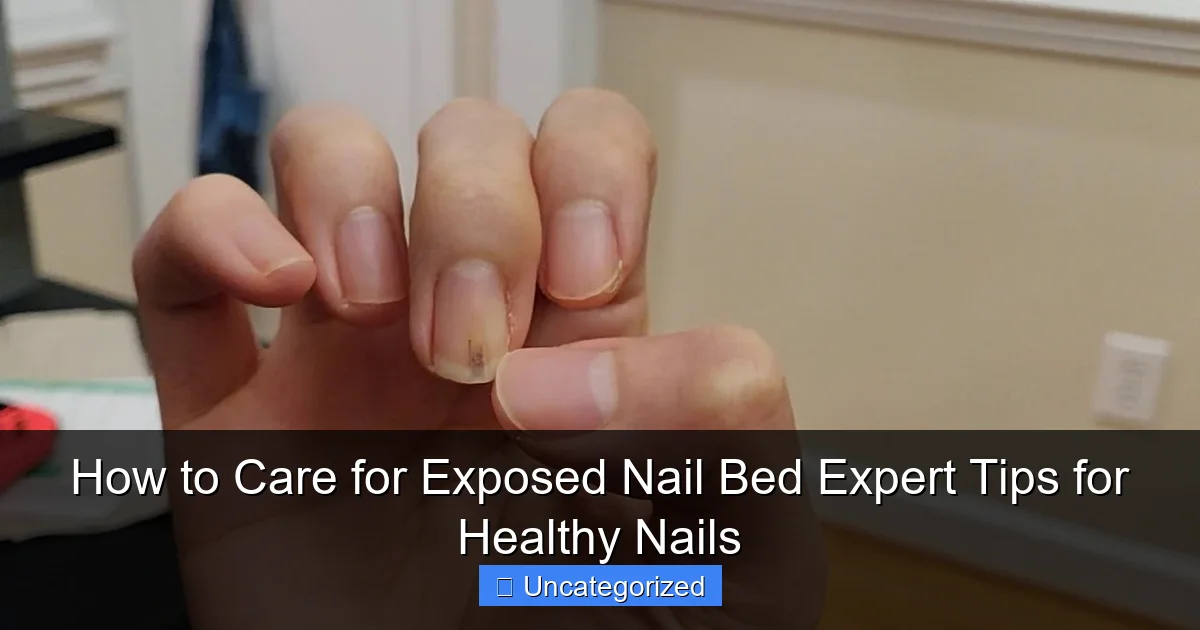
Visual guide about how to care for exposed nail bed
Image source: i.ytimg.com
Apply Antiseptic and Protect the Wound
After cleaning, apply an over-the-counter antiseptic like povidone-iodine (Betadine) or hydrogen peroxide. These solutions kill surface bacteria and reduce infection risk. However, avoid alcohol-based products, which can sting and delay healing. Next, cover the exposed bed with a non-stick sterile pad (e.g., Telfa) secured with medical tape or a bandage. This barrier shields the area from friction, dirt, and moisture. For instance, if your index finger’s nail bed is exposed, a fingertip bandage with a gel pad provides cushioning while allowing movement. Change the dressing daily or whenever it becomes wet or soiled.
Manage Pain and Swelling
An exposed nail bed often causes throbbing pain due to nerve sensitivity. To alleviate discomfort, soak the finger in a warm Epsom salt solution (1–2 tablespoons per cup of water) for 10–15 minutes, 2–3 times daily. Epsom salt reduces inflammation and draws out impurities. Alternatively, take oral NSAIDs (e.g., ibuprofen) as directed for pain relief. Avoid pressing or rubbing the area, and elevate the hand when possible to reduce swelling. For example, if you’re working at a desk, prop your hand on a pillow to promote circulation.
Long-Term Care Strategies for Healing and Protection
Keep the Area Dry and Clean
Moisture is a breeding ground for bacteria and fungi, so maintaining dryness is critical. After washing, use a hairdryer on a cool setting to dry the area thoroughly. For professions involving frequent handwashing (e.g., healthcare workers), wear waterproof gloves during tasks and apply a moisture-wicking powder (like cornstarch-based) to absorb sweat. If water exposure is unavoidable, apply a water-resistant barrier cream (e.g., zinc oxide) before donning gloves. For example, a chef might wear nitrile gloves while prepping food to keep the exposed nail bed dry.
Promote Nail Bed Regeneration
Healing an exposed nail bed requires time—typically 6–12 months for a full nail to regrow. To support tissue repair, apply a nourishing ointment like petroleum jelly (Vaseline) or a urea-based cream (10–20%) twice daily. These products hydrate the bed and prevent cracking. Incorporate a nail-strengthening serum with ingredients like biotin, keratin, or panthenol (vitamin B5). For instance, a guitarist with a chronically exposed nail bed might use a keratin serum to fortify regrowth and prevent future splits. Additionally, consume a diet rich in vitamins A, C, and E, zinc, and omega-3 fatty acids to boost nail health. Foods like salmon, spinach, and almonds are excellent choices.
Protect Against Re-Injury
Re-injury delays healing and increases scarring risk. Avoid activities that strain the affected finger, such as heavy lifting or repetitive gripping. If unavoidable, use protective gear like padded gloves or custom splints. For example, a mechanic might use finger sleeves to shield the exposed bed while handling tools. Trim surrounding nails straight across to prevent snagging, and file edges gently with a fine-grit emery board. If the nail is partially detached, avoid cutting it—let it fall off naturally to avoid further damage.
Medical Treatments and When to See a Doctor
Topical and Oral Medications
If the exposed nail bed shows signs of infection (redness, pus, fever), medical intervention is necessary. A doctor may prescribe topical antibiotics like mupirocin or oral antibiotics (e.g., cephalexin) for bacterial infections. For fungal infections, antifungal creams (clotrimazole) or oral medications (terbinafine) are recommended. In severe cases, a corticosteroid cream may reduce inflammation. For example, a diabetic with a slow-healing exposed nail bed might need aggressive antibiotic therapy to prevent cellulitis.
Procedural Interventions
For chronic or severe cases, a dermatologist or podiatrist may recommend advanced treatments. Nail avulsion (surgical removal) is performed if the nail is causing persistent pain or harboring infection. Nail bed repair surgery reconstructs damaged tissue using grafts or sutures. In rare cases, matrixectomy (partial nail root removal) prevents regrowth if the nail is repeatedly problematic. For instance, a patient with recurrent onycholysis due to a deformed nail root might opt for matrixectomy to avoid future trauma.
When to Seek Urgent Care
Consult a healthcare provider if you experience:
- Increasing pain, swelling, or red streaks (signs of lymphangitis)
- Fever or chills (systemic infection)
- Pus drainage or a foul odor (abscess)
- No improvement after 1–2 weeks of home care
Early diagnosis prevents complications like osteomyelitis (bone infection) or permanent nail loss. For example, a runner with a blood blister under the nail (hematoma) should see a doctor if pressure persists, as it may require drainage.
Nutrition and Lifestyle Adjustments for Nail Health
Key Nutrients for Nail Regeneration
Healthy nails start from within. Prioritize these nutrients:
- Biotin (vitamin B7): 2.5–5 mg daily; found in eggs, nuts, and sweet potatoes. Biotin deficiency causes brittle nails.
- Iron: 18 mg/day (women), 8 mg/day (men); spinach and lean meats prevent koilonychia (spoon-shaped nails).
- Omega-3s: 1,000–2,000 mg/day; salmon and flaxseeds reduce inflammation.
- Vitamin C: 75–90 mg/day; citrus fruits and bell peppers boost collagen synthesis.
For example, a vegetarian might supplement with biotin and iron to compensate for dietary gaps.
Hydration and Avoiding Harmful Habits
Dehydration leads to dry, fragile nails. Drink at least 2–3 liters of water daily. Limit alcohol and caffeine, which dehydrate tissues. Avoid nail-biting, picking, or using harsh chemicals (e.g., acetone polish removers). For instance, a manicurist should wear gloves when handling acetone to protect their nail beds.
Stress Management and Sleep
Chronic stress disrupts nail growth by redirecting nutrients to vital organs. Practice stress-reduction techniques like yoga or meditation. Aim for 7–9 hours of sleep nightly—growth hormone, essential for nail repair, is released during deep sleep.
Preventing Future Nail Bed Injuries
Protective Measures for High-Risk Activities
Prevention is better than cure. For high-risk activities, adopt these habits:
- Gardening: Wear puncture-resistant gloves.
- Sports: Use finger guards in basketball or volleyball.
- Manual labor: Opt for impact-absorbing work gloves.
For example, a pianist can use fingertip protectors during practice to avoid pressure-induced lifting.
Regular Nail Maintenance
Trim nails every 1–2 weeks using sharp, clean clippers. File edges gently in one direction to prevent splits. Moisturize cuticles daily with jojoba oil or shea butter to maintain flexibility. Avoid aggressive cuticle removal, which can damage the nail matrix.
Early Detection of Nail Disorders
Monitor nails for changes like discoloration, thickening, or ridges. Conditions like psoriasis or fungal infections often manifest in the nail bed. Early treatment prevents exposure. For instance, a person with a history of psoriasis might use a topical retinoid to prevent nail pitting.
Comparing Nail Bed Care Products: A Quick Reference
| Product Type | Key Ingredients | Best For | Example Brands |
|---|---|---|---|
| Antiseptics | Povidone-iodine, hydrogen peroxide | Initial cleaning | Betadine, Neosporin |
| Nail Ointments | Petroleum jelly, urea (10–20%) | Moisturizing and protecting | Aquaphor, Eucerin |
| Strengthening Serums | Biotin, keratin, panthenol | Promoting regrowth | OPI Nail Envy, CND Rescue Rx |
| Antifungal Creams | Clotrimazole, terbinafine | Fungal infections | Lotrimin, Lamisil |
Choosing the right product depends on your specific needs. For instance, a person with a minor trauma might prioritize a moisturizing ointment, while someone with a fungal infection requires an antifungal cream. Always patch-test new products to avoid allergic reactions.
Conclusion: Prioritizing Nail Bed Health for Long-Term Results
An exposed nail bed is more than a cosmetic issue—it’s a sign of compromised tissue health that demands attentive care. By combining immediate first aid with long-term strategies like hydration, nutrition, and protective habits, you can accelerate healing and prevent recurrence. Whether you’re dealing with a one-time injury or a chronic condition, consistency is key. Remember, the nail bed regenerates slowly, so patience and diligence are essential. For example, a musician might adjust their technique to avoid re-injury, while an office worker could adopt ergonomic tools to reduce strain.
Ultimately, nail health reflects overall wellness. By treating your nails with the same care as other body parts—protecting them from trauma, nourishing them from within, and seeking professional help when needed—you’ll enjoy strong, resilient nails for years to come. Don’t underestimate the power of small daily habits: a drop of jojoba oil, a pair of gloves, or a biotin-rich snack can make all the difference. As the saying goes, “Your nails are a window to your health”—so keep that window clear, clean, and thriving.
Frequently Asked Questions
What causes an exposed nail bed, and how can I prevent further damage?
An exposed nail bed often results from trauma, nail-biting, or harsh manicures. To prevent worsening, avoid picking or tearing nails and wear gloves during manual tasks to protect the area.
How do I care for an exposed nail bed to promote healing?
Clean the area gently with mild soap, apply an antibacterial ointment, and cover with a breathable bandage. Moisturize regularly with cuticle oil to support nail bed recovery and prevent cracking.
Can I speed up the healing process for an exposed nail bed?
Yes—maintain a balanced diet rich in biotin and protein, keep the area moisturized, and avoid harsh chemicals. Consistent care for the exposed nail bed helps new tissue regenerate faster.
Is it safe to use nail polish or artificial nails with an exposed nail bed?
No, avoid polish or artificial nails until fully healed, as they trap moisture and bacteria. Let the exposed nail bed breathe and heal naturally to prevent infection.
When should I see a doctor for an exposed nail bed?
Seek medical help if you notice pus, severe pain, or signs of infection (redness, swelling). A healthcare provider may prescribe antibiotics or recommend specialized treatment for prolonged cases.
What home remedies help soothe an exposed nail bed?
Warm salt water soaks and aloe vera gel can reduce discomfort and inflammation. Pair these with daily moisturizing to create a protective barrier for the exposed nail bed.