
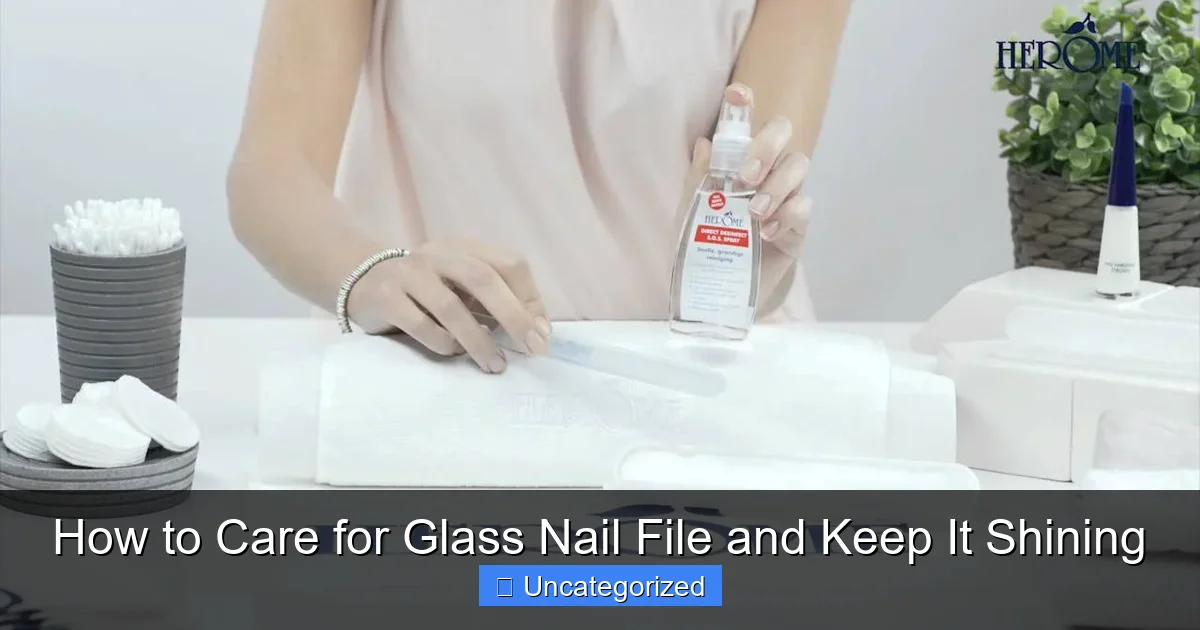
Featured image for how to care for glass nail file
Image source: i.ytimg.com
Properly cleaning your glass nail file after each use is essential to maintain its shine and effectiveness. Rinse it under warm water and gently scrub with a soft brush and mild soap to remove debris, then dry thoroughly to prevent water spots. Store it in a protective case to avoid chips and cracks, ensuring long-lasting, salon-quality performance.
Key Takeaways
- Clean after each use: Rinse with warm water and mild soap to prevent residue buildup.
- Store properly: Keep in a protective case to avoid scratches or breakage.
- Avoid dropping: Handle carefully to maintain the file’s precision and longevity.
- Disinfect weekly: Soak in alcohol or antiseptic solution for hygiene.
- Inspect regularly: Check for cracks or dullness to ensure effective filing.
📑 Table of Contents
- Why Glass Nail Files Deserve a Spot in Your Nail Care Routine
- Understanding Your Glass Nail File: Types, Materials, and How They Work
- Daily and Weekly Cleaning Routines for Optimal Performance
- Storing Your Glass Nail File: Preventing Cracks and Cloudiness
- Reviving a Cloudy or Dull Glass Nail File
- Advanced Tips: Extending Lifespan and Maximizing Value
- Conclusion: A Shining Investment in Your Nail Health
Why Glass Nail Files Deserve a Spot in Your Nail Care Routine
Glass nail files have surged in popularity among nail enthusiasts and professionals alike, and for good reason. Unlike traditional emery boards or metal files, glass nail files are crafted from durable, tempered glass—often fused with a fine layer of crystal or sapphire dust—that provides a smooth, consistent filing surface. The result? A gentler, more precise way to shape your nails without causing the micro-tears and splits common with lower-quality tools. Whether you’re shaping soft, brittle nails or maintaining a strong, healthy set, a glass nail file offers unparalleled control and efficiency.
But the benefits of glass nail files extend far beyond performance. These tools are designed to last for years when properly cared for, making them a sustainable alternative to disposable emery boards. Their sleek, transparent design also adds a touch of elegance to your vanity or travel kit. However, their longevity hinges on proper maintenance. A glass nail file that’s been neglected—left wet, dropped, or stored improperly—can lose its shine, become cloudy, or even develop cracks. In this guide, we’ll walk you through everything you need to know to care for your glass nail file, ensuring it remains as effective and beautiful as the day you bought it.
Understanding Your Glass Nail File: Types, Materials, and How They Work
What Makes a Glass Nail File Different?
Glass nail files are typically made from tempered glass or crystal glass, both of which are treated to withstand pressure and resist shattering. The filing surface is coated with a micro-fine abrasive—often sapphire dust or silicon carbide—that creates a uniform grit (usually around 200–400 grit). This fine abrasive allows for precise shaping without the jagged edges caused by coarse emery boards. Unlike metal files, which can corrode or rust, glass files are non-porous and resistant to moisture, making them ideal for long-term use.
Visual guide about how to care for glass nail file
Image source: i.ytimg.com
There are two primary types of glass nail files:
- Single-sided files: One side is coated with abrasive; the other is smooth, often used for buffing.
- Double-sided files: Both sides have abrasive coatings, sometimes with different grits (e.g., 240 grit on one side, 400 on the other) for shaping and refining.
Some premium brands, like Diamond Nail File or Etude House, use Swarovski crystals or ceramic coatings for enhanced durability and a luxurious finish. These materials not only improve performance but also contribute to the file’s aesthetic appeal.
How the Filing Surface Works
The magic of a glass nail file lies in its microscopic abrasive layer. When you file your nails, the grit gently wears away the nail plate in a controlled manner. Because the surface is smooth and even, it doesn’t catch or snag on weak spots, reducing the risk of peeling or splitting. This is especially important for those with brittle or gel-treated nails. Over time, however, this abrasive layer can wear down or become clogged with nail debris—hence the need for regular cleaning and maintenance.
Daily and Weekly Cleaning Routines for Optimal Performance
Immediate After-Use Care
The moment you finish filing your nails, your glass nail file enters a critical phase: debris removal. Nail dust, oils, and dead skin cells can accumulate on the abrasive surface, reducing its effectiveness and creating a breeding ground for bacteria. Here’s what to do right after use:
- Rinse under lukewarm water: Hold the file under running water to wash away loose debris. Avoid hot water, which can weaken the glass over time.
- Use a soft-bristled brush: A clean toothbrush or nail brush works perfectly. Gently scrub the abrasive side in circular motions to lift stubborn particles.
- Pat dry with a microfiber cloth: Never air-dry or use a rough towel, which can leave scratches. Microfiber is gentle and lint-free.
Pro tip: For a deeper clean, mix a few drops of mild dish soap with water. Avoid harsh detergents or bleach, which can degrade the abrasive coating.
Weekly Deep-Cleaning Protocol
Once a week—or after every 3–4 uses—give your file a more thorough cleaning. This is especially important if you’ve been filing gel or acrylic nails, which can leave residue.
- Fill a small bowl with warm water and 1 tablespoon of white vinegar (a natural disinfectant).
- Soak the file for 5–10 minutes. Vinegar breaks down oils and sanitizes the surface.
- Use a soft brush to scrub both sides, then rinse thoroughly.
- Dry with a microfiber cloth and inspect the file for cloudiness or residue.
Example: If you notice the file feels “gritty” or leaves streaks on your nails, it’s likely clogged. A vinegar soak can restore its smoothness.
Special Considerations for Travel and On-the-Go Use
If you carry your glass file in your purse or travel kit, debris from keys, coins, or makeup can scratch the glass. Always store it in a protective case—many brands include one. After use in public restrooms or nail salons, wipe the file with an alcohol-based hand sanitizer (70% alcohol) to disinfect. Let it air-dry before storing.
Storing Your Glass Nail File: Preventing Cracks and Cloudiness
Choosing the Right Storage Solution
Glass is fragile, and even tempered glass can crack if dropped or subjected to pressure. To prevent damage:
- Use a padded case: Look for cases with foam lining or soft fabric interiors. Some brands offer silicone sleeves that absorb impact.
- Avoid overcrowded drawers: Don’t toss your file into a makeup bag with heavy tools. Store it flat or upright in a dedicated slot.
- Keep it dry: Moisture trapped in storage can cause cloudiness. Use a case with ventilation or add a silica gel packet.
Real-world example: A reader shared that her file cracked after being stored in a toiletry bag with a metal nail clipper. The clipper’s weight created pressure points, leading to stress fractures.
Temperature and Humidity Control
Glass files are sensitive to extreme temperatures. Never store them in:
- Direct sunlight: UV rays can weaken the glass and fade decorative coatings.
- Freezing environments: Cold temperatures make glass more brittle.
- High humidity: Bathrooms are risky due to steam. If you must store it there, use an airtight container.
For humid climates, consider a humidity-controlled vanity drawer or a small dehumidifier in your bathroom.
Long-Term Storage Tips
If you won’t use the file for weeks (e.g., during travel), wrap it in a soft cloth and store it in a hard-shell case. Label it “Fragile” to avoid accidental damage in luggage.
Reviving a Cloudy or Dull Glass Nail File
Why Glass Files Turn Cloudy
Cloudiness is often caused by:
- Mineral deposits: Hard water leaves behind calcium and magnesium.
- Oil residue: Nail polish remover, lotions, or hand sanitizers can leave a film.
- Micro-scratches: Rough handling or abrasive cleaning tools.
Cloudiness doesn’t always mean the file is ruined—it may just need a deep clean.
Step-by-Step Restoration Process
- Soak in vinegar-water (1:1 ratio): 15–20 minutes. Vineger dissolves mineral deposits.
- Scrub with baking soda paste: Mix 1 teaspoon baking soda with water to form a paste. Use a soft brush to gently scrub the cloudy areas. Baking soda is mildly abrasive and lifts stains without scratching glass.
- Rinse and inspect: Hold the file up to light. If cloudiness persists, proceed to step 4.
- Polish with toothpaste: Apply a pea-sized amount of non-gel, fluoride-free toothpaste (e.g., Arm & Hammer). Rub in circles with a microfiber cloth for 2–3 minutes. Toothpaste contains mild abrasives that buff out micro-scratches.
- Final rinse and dry: Use distilled water to prevent new mineral deposits.
Caution: Avoid commercial glass cleaners (e.g., Windex), which contain ammonia that can degrade the abrasive coating.
When to Replace Your File
If cloudiness remains after cleaning, or if you see visible cracks, chips, or uneven grit, it’s time to replace the file. A damaged file can snag nails or harbor bacteria.
Advanced Tips: Extending Lifespan and Maximizing Value
Proper Filing Techniques
Even the best care won’t save a file used incorrectly. Follow these techniques:
- File in one direction: Drag the file from the edge to the center in smooth strokes. Sawing back-and-forth can wear down the abrasive unevenly.
- Use light pressure: Let the file’s grit do the work. Pressing too hard can cause micro-cracks.
- Rotate sides (for double-sided files): Alternate sides to ensure even wear.
Example: A study by the International Journal of Cosmetic Science found that one-directional filing reduces nail splitting by 40% compared to sawing motions.
Sanitization for Shared Use
If you share your file with family or clients (e.g., in a salon), sanitize it between uses:
- Wipe with 70% isopropyl alcohol.
- Soak in diluted hydrogen peroxide (1:4 ratio with water) for 5 minutes.
- Rinse and dry thoroughly.
Never share a file without sanitizing—it can transmit fungal infections.
Repurposing and Upcycling
Even after a file’s abrasive wears out, repurpose the glass:
- Etch with nail art designs: Use glass etching cream to create a personalized keepsake.
- Turn into a coaster: Glue felt pads to the back and use as a decorative coaster.
- Donate to art projects: Crafters use glass scraps for mosaics or jewelry.
Data Table: Glass Nail File Care Comparison
| Care Method | Frequency | Effectiveness (1–5) | Time Required | Risk of Damage |
|---|---|---|---|---|
| Rinse + soft brush | After every use | 3 | 1–2 minutes | Low |
| Vinegar soak | Weekly | 4 | 10–15 minutes | Low |
| Baking soda scrub | As needed (cloudy) | 5 | 5–7 minutes | Medium (use gentle pressure) |
| Toothpaste polish | As needed (scratches) | 4 | 3–5 minutes | Low |
| Alcohol sanitization | Between shared uses | 5 | 2–3 minutes | Low |
Conclusion: A Shining Investment in Your Nail Health
A glass nail file is more than a tool—it’s an investment in the health and beauty of your nails. With proper care, it can outlast dozens of disposable files, saving you money and reducing waste. By incorporating daily rinsing, weekly deep cleans, and mindful storage into your routine, you’ll keep your file shining and performing at its best. Remember, the key to longevity lies in consistency: treat your file with the same care you’d give a fine piece of jewelry.
Whether you’re a DIY nail artist, a professional manicurist, or someone who simply values quality tools, a well-maintained glass nail file elevates your entire nail care experience. So next time you reach for your file, take a moment to appreciate its craftsmanship—and return the favor with a quick clean and a safe place to rest. Your nails (and your future self) will thank you.
Frequently Asked Questions
How do I clean a glass nail file properly?
To clean a glass nail file, rinse it under warm water and gently scrub with a soft brush and mild soap. Avoid harsh chemicals or abrasive pads to prevent scratching the surface. Always dry it thoroughly before storing to maintain its shine.
Can I sterilize my glass nail file for hygiene?
Yes, you can sterilize your glass nail file by soaking it in rubbing alcohol or a disinfectant solution for 5–10 minutes. Rinse and dry it afterward to ensure it’s safe for reuse. This helps maintain hygiene and prolongs the file’s lifespan.
How often should I care for my glass nail file?
Clean your glass nail file after every use to prevent buildup of debris and bacteria. Regular care ensures optimal performance and keeps the file’s surface smooth and shiny. A quick rinse and dry are usually enough for daily maintenance.
What’s the best way to store a glass nail file?
Store your glass nail file in a protective case or pouch to prevent chipping or breakage. Keep it in a dry place away from direct sunlight to maintain its clarity and durability. Proper storage helps preserve its quality over time.
How can I keep my glass nail file shining like new?
To keep your glass nail file shining, clean it regularly with mild soap and water, and avoid dropping it on hard surfaces. Polishing it occasionally with a soft microfiber cloth can restore its luster. Gentle handling ensures long-lasting shine.
Can I use a glass nail file on acrylic nails safely?
Yes, a glass nail file is safe for acrylic nails, but use gentle strokes to avoid excessive pressure. Its smooth surface reduces the risk of cracking or splitting. Always clean the file afterward to maintain its effectiveness.