
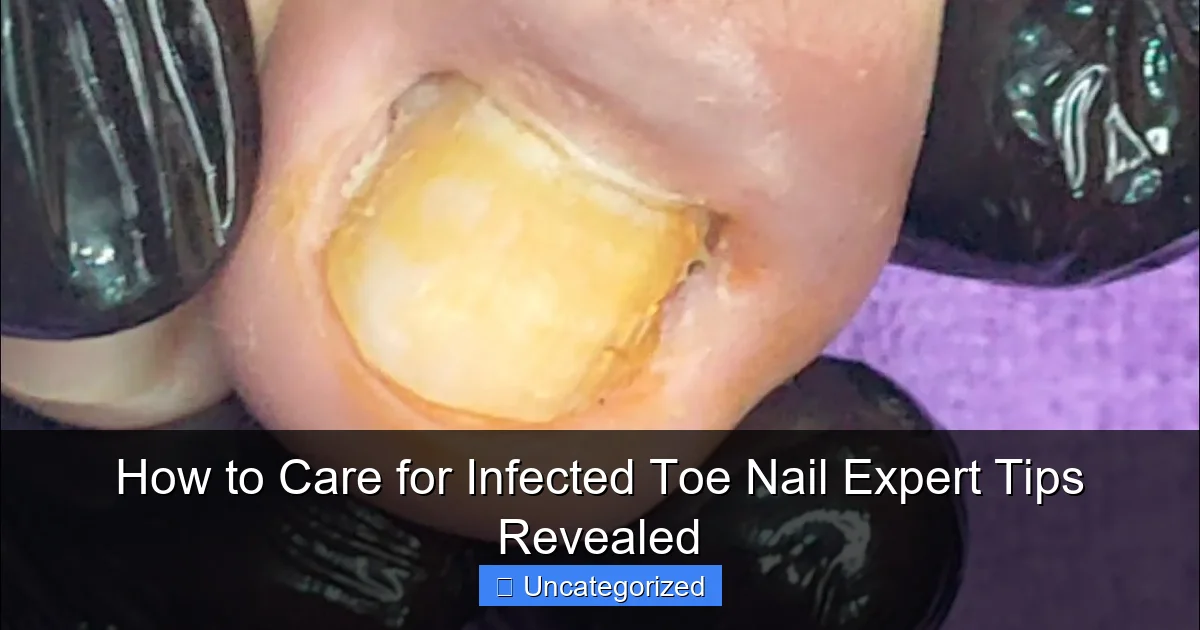
Featured image for how to care for infected toe nail
Image source: i.ytimg.com
Immediate action is crucial when dealing with an infected toenail—keep the area clean, dry, and elevated to reduce swelling and prevent bacterial growth. Use over-the-counter antifungal creams and avoid tight footwear, but consult a healthcare provider promptly if you notice pus, severe pain, or signs of spreading infection to ensure proper treatment and avoid complications.
Key Takeaways
- Clean daily: Wash the infected area with soap and water to prevent worsening.
- Apply antiseptic: Use over-the-counter antiseptic creams to reduce bacterial growth.
- Soak regularly: Try warm saltwater soaks 2–3 times daily for pain relief.
- Keep dry: Dry feet thoroughly to discourage moisture-loving bacteria and fungi.
- Trim carefully: Cut nails straight across to avoid further injury or infection.
- Seek help: Consult a podiatrist if swelling, pus, or pain persists.
📑 Table of Contents
- Understanding Infected Toenails: Causes and Symptoms
- Immediate Steps to Take When You Suspect an Infection
- Home Remedies and Natural Treatments
- When to See a Doctor and Medical Treatments
- Preventing Future Toenail Infections
- Data Table: Comparing Common Treatments for Infected Toenails
- Conclusion: Taking Control of Your Toenail Health
Understanding Infected Toenails: Causes and Symptoms
What Is a Toenail Infection?
An infected toenail, medically known as onychomycosis when fungal, or paronychia when bacterial, occurs when microorganisms invade the nail bed, nail plate, or surrounding tissues. These infections can range from mild discomfort to severe pain, and if left untreated, may lead to complications such as cellulitis, abscess formation, or even systemic infection in vulnerable individuals. While fungal infections are more common—accounting for about 50% of all nail disorders—bacterial infections, particularly those caused by Staphylococcus aureus or Pseudomonas aeruginosa, are also frequent, especially after trauma or ingrown toenails.
Toenail infections are not just a cosmetic issue. They can significantly impact daily life, making walking, wearing shoes, or even standing painful. According to the American Academy of Dermatology, over 35 million people in the U.S. suffer from some form of toenail infection, with prevalence increasing with age. The risk is higher among those with diabetes, poor circulation, compromised immune systems, or frequent exposure to damp environments like gyms, swimming pools, or communal showers. Understanding the root causes and early warning signs is the first step in effective care and prevention.
Common Causes of Toenail Infections
- Fungal Overgrowth (Dermatophytes): The most common culprits include Trichophyton rubrum and Trichophyton mentagrophytes, which thrive in warm, moist environments. Wearing tight shoes, excessive sweating, or walking barefoot in public showers increases exposure.
- Bacterial Infection: Often follows a break in the skin, such as from an ingrown toenail, hangnail, or minor cut. Bacteria enter the soft tissue around the nail, leading to redness, swelling, and pus.
- Trauma: Stubbing your toe, dropping heavy objects on your foot, or repetitive pressure from ill-fitting footwear can damage the nail matrix, creating an entry point for pathogens.
- Poor Foot Hygiene: Infrequent washing, wearing damp socks, or not drying feet thoroughly after showers fosters microbial growth.
- Medical Conditions: Diabetes, peripheral artery disease, or immunodeficiency disorders reduce blood flow and immune response, increasing susceptibility.
Recognizing the Symptoms
Early detection is crucial. Watch for these signs:
- Discoloration (yellow, brown, green, or black)
- Thickened, brittle, or crumbly nails
- Separation of the nail from the nail bed (onycholysis)
- Pain, tenderness, or swelling around the nail
- Foul odor or pus discharge (indicative of bacterial infection)
- Red streaks spreading up the foot (a sign of spreading infection requiring urgent care)
Example: A 58-year-old man noticed his big toenail turning yellow and thick after a hiking trip. Initially dismissing it as a bruise, he later developed swelling and pain when wearing shoes. A podiatrist diagnosed a fungal infection and prescribed oral antifungals, preventing further spread.
Immediate Steps to Take When You Suspect an Infection
Stop Worsening the Condition
The moment you suspect an infected toenail, halt any activities that could aggravate it. Avoid:
- Walking barefoot in public areas
- Wearing tight, non-breathable shoes
- Manicuring or cutting the nail aggressively
- Applying nail polish or artificial enhancements (they trap moisture and hide symptoms)
Instead, switch to open-toed or well-ventilated footwear and use soft, cushioned insoles to reduce pressure.
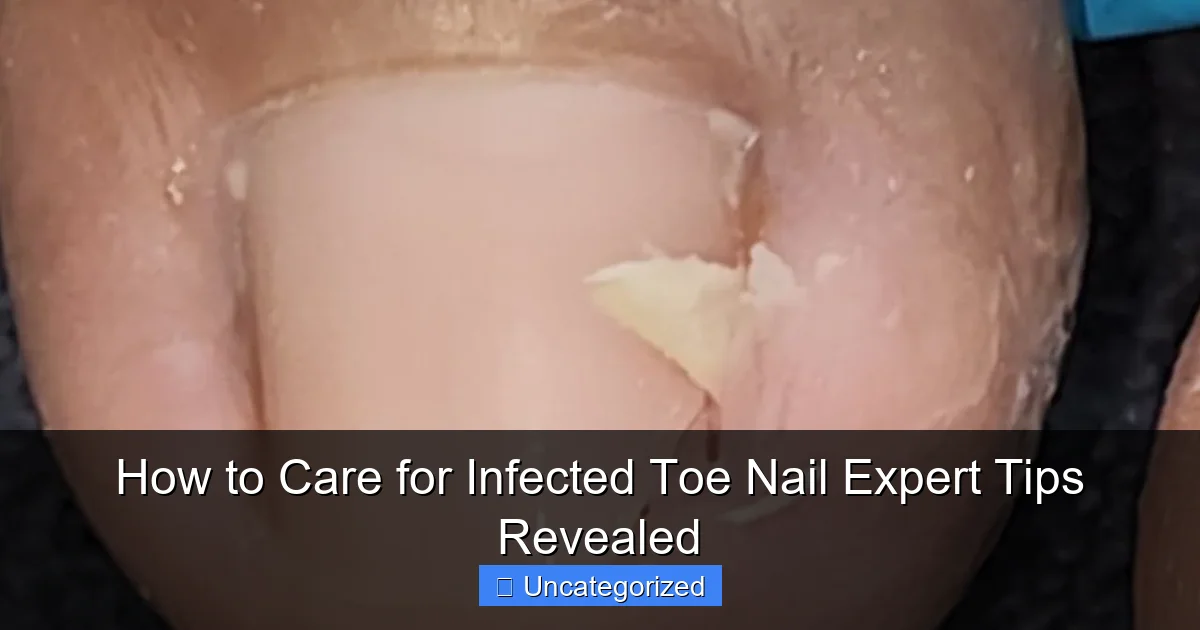
Visual guide about how to care for infected toe nail
Image source: i.ytimg.com
Cleanse and Dry the Area
Proper hygiene is the cornerstone of early intervention. Follow this daily routine:
- Wash: Soak your foot in warm water with a mild antiseptic soap (e.g., chlorhexidine or povidone-iodine) for 10–15 minutes. Use a soft brush to gently clean under the nail.
- Dry Thoroughly: Pat the area dry with a clean towel. Use a hairdryer on a cool setting to ensure no moisture remains in crevices.
- Apply Antiseptic: Dab the infected area with hydrogen peroxide (3%) or rubbing alcohol (70%) to kill surface bacteria. For fungal infections, apply over-the-counter (OTC) antifungal creams like clotrimazole or terbinafine.
Tip: Keep a separate towel for your feet to prevent cross-contamination.
Use Warm Compresses for Pain and Swelling
If the infection is bacterial (with pus or redness), warm compresses can help draw out fluid and reduce discomfort:
- Soak a clean cloth in warm (not hot) water.
- Apply it to the affected toe for 15–20 minutes, 3–4 times daily.
- Follow with antiseptic application.
Caution: Do not attempt to drain pus yourself—this can spread infection. See a doctor if an abscess forms.
Elevate and Rest
Reduce swelling by elevating your foot above heart level when sitting or lying down. Avoid standing for long periods. For severe pain, OTC pain relievers like ibuprofen or acetaminophen can help, but consult a doctor if pain persists beyond 48 hours.
Home Remedies and Natural Treatments
Antifungal Soaks and Oils
For mild fungal infections, natural remedies can complement medical treatments:
- Tea Tree Oil: A 2013 study in Mycopathologia found that 100% tea tree oil was as effective as clotrimazole against fungal toenails. Apply 2–3 drops directly to the nail daily using a cotton swab.
- Apple Cider Vinegar (ACV) Soak: Mix 1 part ACV with 2 parts warm water. Soak for 15 minutes, 2–3 times weekly. ACV’s acetic acid creates an acidic environment hostile to fungi.
- Vicks VapoRub: A 2011 study in Journal of the American Board of Family Medicine showed that applying Vicks to infected nails daily led to improvement in 60% of participants after 48 weeks. The menthol and eucalyptus may have antifungal properties.
Example: A 42-year-old woman used a tea tree oil soak twice daily for six months. Her yellow, thickened nail improved significantly, with new healthy growth at the base.
Essential Oils and Herbal Applications
Other potent options include:
- Oregano Oil: Contains carvacrol, a compound with antifungal effects. Dilute 1 drop in 1 teaspoon of carrier oil (e.g., coconut oil) before applying.
- Olive Leaf Extract: Has oleuropein, which fights both fungi and bacteria. Apply topically or take as a supplement (consult a doctor first).
- Garlic: Crush a garlic clove, mix with coconut oil, and apply as a poultice. Garlic’s allicin compound has broad antimicrobial properties.
Tip: Always patch-test oils on a small skin area first to avoid allergic reactions.
Probiotics and Dietary Support
While topical treatments target the infection directly, internal support can boost your immune response:
- Probiotics: Yogurt, kefir, or supplements with Lactobacillus strains help maintain healthy gut flora, which supports systemic immunity.
- Antioxidant-Rich Foods: Berries, leafy greens, and nuts reduce inflammation and promote healing.
- Reduce Sugar Intake: Fungi feed on sugar; lowering dietary sugar may slow their growth.
Note: Natural remedies work best for mild to moderate infections. Severe cases require prescription medication.
When to See a Doctor and Medical Treatments
Signs You Need Professional Help
Seek immediate medical attention if you experience:
- Fever or chills (indicating systemic infection)
- Rapidly spreading redness or swelling
- Intense pain unrelieved by OTC medication
- Diabetes or poor circulation (even mild infections can escalate)
- No improvement after 2–3 weeks of home care
A podiatrist or dermatologist will perform a physical exam and may take a nail clipping for lab testing to confirm the infection type (fungal vs. bacterial).
Prescription Medications
Medical treatments vary by infection type:
- Fungal Infections:
- Oral Antifungals: Terbinafine (Lamisil), itraconazole (Sporanox), or fluconazole (Diflucan). These require 6–12 weeks of daily dosing and liver function monitoring.
- Topical Antifungals: Ciclopirox (Penlac) nail lacquer or efinaconazole (Jublia) solution. Less effective for severe cases but safer for long-term use.
- Bacterial Infections:
- Oral Antibiotics: Cephalexin, amoxicillin-clavulanate, or clindamycin for 7–14 days.
- Topical Antibiotics: Mupirocin (Bactroban) ointment for minor paronychia.
Example: A 65-year-old diabetic patient with a swollen, pus-filled toe was prescribed oral cephalexin and referred for drainage. Early intervention prevented sepsis.
Advanced Procedures
For chronic or severe infections:
- Nail Debridement: A doctor trims or removes infected nail portions to allow topical medication penetration.
- Laser Therapy: FDA-approved lasers (e.g., PinPointe FootLaser) target and destroy fungi with heat. Requires multiple sessions but avoids medication side effects.
- Nail Removal: In extreme cases, the entire nail may be surgically removed (avulsion) to treat the underlying infection.
Note: Recovery from nail removal takes 6–12 months for regrowth.
Preventing Future Toenail Infections
Foot Hygiene and Daily Care
Prevention starts with routine:
- Wash Daily: Use antibacterial soap and dry thoroughly, especially between toes.
- Trim Nails Properly: Cut straight across with clean clippers. Avoid rounding corners to prevent ingrown nails.
- Moisturize: Apply foot cream to prevent dry, cracked skin, but avoid between toes to reduce moisture.
- Change Socks: Wear moisture-wicking (e.g., cotton or wool) socks and change them daily or after sweating.
Tip: Disinfect clippers and nail tools weekly with rubbing alcohol.
Footwear and Environmental Safety
- Choose Breathable Shoes: Opt for leather, mesh, or moisture-wicking materials. Avoid plastic or rubber.
- Rotate Shoes: Allow them to dry completely between uses.
- Wear Flip-Flops: In public showers, gyms, or pools to avoid fungal exposure.
- Use Antifungal Sprays: Spray shoes weekly with products containing tolnaftate or undecylenic acid.
Example: A gym enthusiast avoided reinfection by spraying his sneakers with antifungal spray after each workout.
Regular Check-Ups and Monitoring
Schedule annual foot exams, especially if you have:
- Diabetes or circulatory issues
- History of nail infections
- Thickened or discolored nails
A podiatrist can catch early signs and recommend preventive treatments like antifungal powders.
Data Table: Comparing Common Treatments for Infected Toenails
| Treatment Type | Examples | Duration | Success Rate | Side Effects |
|---|---|---|---|---|
| OTC Antifungal Cream | Clotrimazole, Terbinafine | 4–12 weeks | 40–60% | Mild skin irritation |
| Prescription Oral Antifungal | Terbinafine (Lamisil) | 6–12 weeks | 70–90% | Headache, liver enzyme changes |
| Topical Antibiotic | Mupirocin (Bactroban) | 7–14 days | 80–90% | Skin rash |
| Laser Therapy | PinPointe FootLaser | 3–4 sessions | 60–75% | Mild discomfort, no downtime |
| Tea Tree Oil | 100% Pure Oil | 3–6 months | 50–70% | Skin dryness |
Note: Success rates are approximate and vary by individual. Always consult a healthcare provider before starting treatment.
Conclusion: Taking Control of Your Toenail Health
An infected toenail is more than an annoyance—it’s a signal from your body that something is amiss. Whether caused by fungi, bacteria, or trauma, prompt and consistent care is essential to prevent complications and restore comfort. By understanding the early symptoms, taking immediate action with proper hygiene, exploring home remedies, and knowing when to seek medical help, you can effectively manage most infections at home. For stubborn cases, modern treatments like oral antifungals, antibiotics, or laser therapy offer reliable solutions.
Remember, prevention is your best defense. Simple habits like wearing breathable shoes, practicing daily foot hygiene, and avoiding damp environments can keep your toenails healthy for years to come. If you have underlying health conditions like diabetes, never delay professional evaluation—early intervention saves toes. With these expert tips, you’re equipped to care for an infected toenail confidently, ensuring faster healing and fewer recurrences. Your feet carry you through life; give them the attention they deserve.
Frequently Asked Questions
What are the first signs of an infected toenail?
Early signs of an infected toenail include redness, swelling, throbbing pain, and yellow or greenish discoloration. You may also notice pus or a foul odor if the infection is bacterial or fungal. Prompt care for infected toenail can prevent it from worsening.
How can I treat an infected toenail at home?
Soak the affected foot in warm water with Epsom salt for 15–20 minutes daily to reduce swelling and discomfort. Apply an over-the-counter antifungal or antibacterial ointment, and keep the area clean and dry—this is essential for effective care for infected toenail.
When should I see a doctor for an infected toenail?
Seek medical help if you have severe pain, spreading redness, fever, or diabetes, as these can signal a serious infection. A doctor may prescribe oral antibiotics or recommend minor surgery for drainage if home care isn’t enough.
Can I wear shoes with an infected toenail?
It’s best to wear open-toed or loose-fitting shoes to reduce pressure and irritation. Tight footwear can trap moisture, worsening the infection—prioritize breathable options while caring for an infected toenail.
How long does it take for an infected toenail to heal?
Mild infections may heal in 1–2 weeks with proper care, but fungal infections can take several weeks or months. Consistent hygiene and treatment are key to avoiding recurrence.
What causes a toenail to become infected?
Common causes include ingrown nails, fungal growth (onychomycosis), cuts near the nail, or trauma from tight shoes. Poor foot hygiene or walking barefoot in damp areas (like gyms) also increases infection risk.