
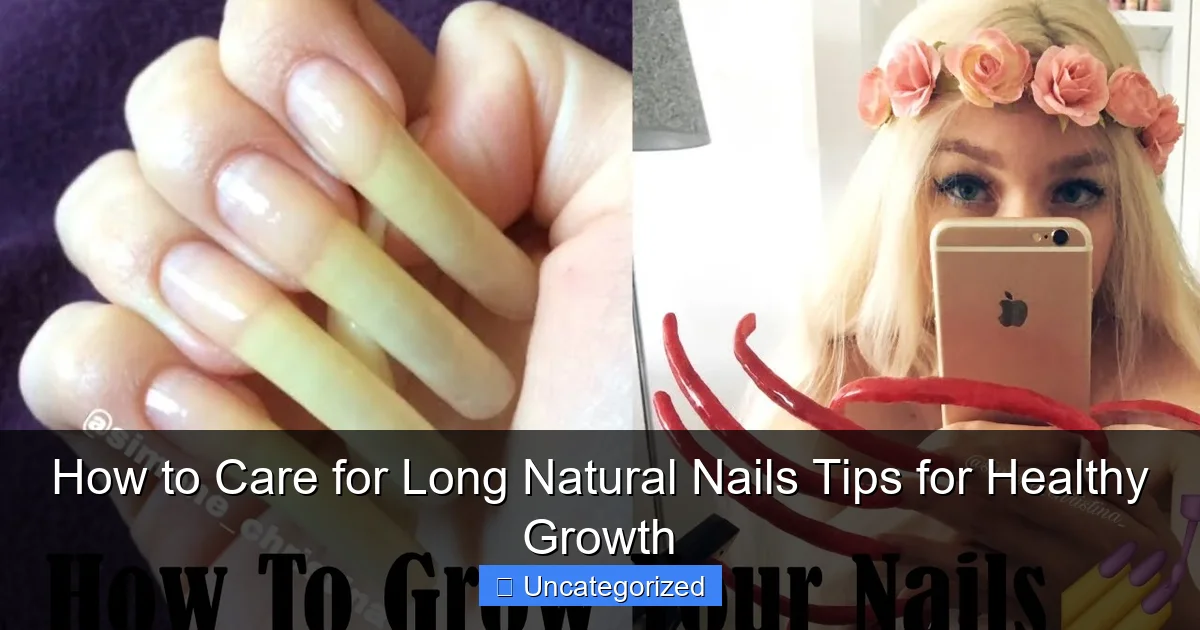
Featured image for how to care for long natural nails
Image source: i.ytimg.com
Keep your long natural nails strong and healthy by moisturizing daily and minimizing water exposure to prevent splitting and peeling. Use a nourishing cuticle oil, wear gloves during chores, and file gently in one direction to maintain integrity and encourage steady growth. Consistent care and protection are key to growing long, resilient nails without breaks or damage.
Key Takeaways
- Moisturize daily: Apply cuticle oil and hand cream to prevent dryness and cracking.
- Wear gloves: Protect nails from harsh chemicals and water during chores.
- Trim regularly: Keep nails at a manageable length to avoid snags and breaks.
- Eat nail-friendly foods: Boost growth with protein, biotin, and omega-3s.
- File gently: Use a soft file in one direction to prevent splitting.
- Limit polish remover: Avoid acetone-based products to keep nails strong.
📑 Table of Contents
- Why Long Natural Nails Deserve the Spotlight
- Understanding Nail Anatomy and Growth Cycle
- Nutrition: The Foundation of Strong, Long Nails
- Daily Care Routine: Protect, Hydrate, Strengthen
- Protective Habits for Long Nails
- Professional Care and When to Seek Help
- Data: Nail Growth and Care Statistics
- Conclusion: Patience, Practice, and Pride
Why Long Natural Nails Deserve the Spotlight
Long natural nails are more than just a beauty trend—they’re a testament to patience, dedication, and self-care. Unlike artificial enhancements, which can sometimes mask underlying nail health issues, natural nails showcase your body’s ability to regenerate and strengthen over time. Whether you’re growing out your nails for the first time or maintaining them as a lifestyle choice, proper care is essential to prevent breakage, splitting, and brittleness. Achieving long, healthy natural nails is not about luck; it’s a science backed by nutrition, hygiene, and consistent maintenance. With the right habits, anyone can flaunt strong, beautiful nails that grow faster and resist damage.
Unfortunately, many people abandon their natural nail growth journey due to setbacks like peeling, chipping, or slow progress. The truth is, nails grow at an average rate of 3.5 millimeters per month, and external factors—such as diet, moisture exposure, and trauma—can either accelerate or hinder this process. This guide dives deep into the how of long natural nail care, offering actionable tips, science-backed strategies, and expert-approved routines to help you nurture your nails from the inside out. From hydration hacks to protective techniques, you’ll learn how to care for long natural nails with confidence and consistency.
Understanding Nail Anatomy and Growth Cycle
The Science Behind Nail Growth
Before diving into care routines, it’s crucial to understand how nails grow. Natural nails are made of keratin, a fibrous structural protein also found in hair and skin. Nails originate from the nail matrix, a hidden area beneath the cuticle where new cells are produced. As these cells multiply and harden, they push older cells forward, forming the visible nail plate. The growth rate varies by person and is influenced by age, genetics, hormones, and overall health. For instance, fingernails grow faster than toenails, and growth tends to peak in the 20s and 30s.
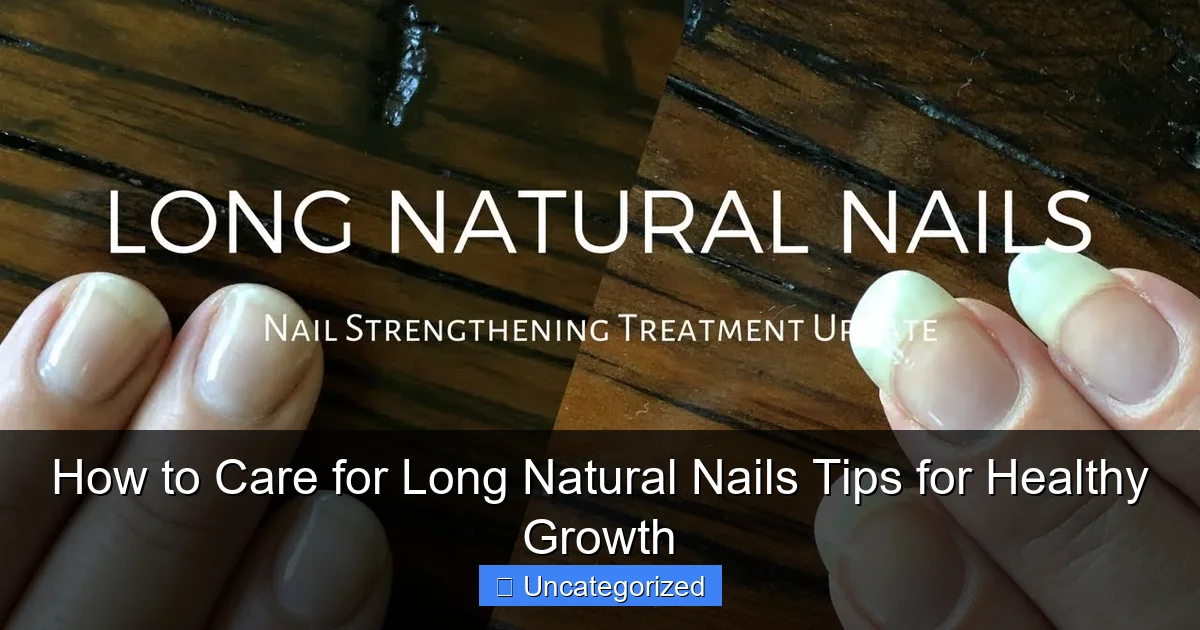
Visual guide about how to care for long natural nails
Image source: i.ytimg.com
On average, a fingernail takes 6 months to grow from the matrix to the fingertip, while toenails can take up to 12–18 months. The growth cycle consists of three phases: anagen (active growth), catagen (transition), and telogen (rest). During anagen, cells rapidly divide, making this phase critical for length and strength. Disruptions—such as nutritional deficiencies, illness, or trauma—can stall growth or cause ridges and grooves in the nail plate.
Common Nail Growth Inhibitors
- Excessive water exposure: Frequent handwashing or dishwashing softens the nail plate, making it prone to splitting and peeling.
- Chemical exposure: Harsh cleaners, acetone-based removers, and nail polishes with formaldehyde can dry out nails and damage the matrix.
- Mechanical trauma: Using nails as tools (e.g., opening cans or scratching) weakens the structure and increases breakage risk.
- Medical conditions: Hypothyroidism, iron deficiency anemia, and psoriasis can slow growth or cause nail deformities.
- Poor nutrition: Lack of protein, biotin, or essential fatty acids disrupts keratin production.
Tracking Your Nail Growth
To monitor progress, use a nail growth journal. Measure the distance from the cuticle to the tip every 2–4 weeks with a ruler. Take photos monthly to visually track changes. If growth stalls, assess lifestyle factors (e.g., stress, diet, or new medications). For example, a woman in her 40s noticed her nails stopped growing after switching to a low-protein diet. After reintroducing lean meats and legumes, her growth resumed within 8 weeks.
Nutrition: The Foundation of Strong, Long Nails
Essential Nutrients for Nail Health
Nails are made of protein, but they also require a symphony of vitamins and minerals to stay strong and flexible. A deficiency in any key nutrient can manifest as brittleness, discoloration, or slow growth. Here are the top nutrients to prioritize:
- Protein: Nails are 80% keratin, a protein. Aim for 0.8–1.2 grams of protein per kilogram of body weight daily. Sources: eggs, lean meats, Greek yogurt, lentils.
- Biotin (B7): Supports keratin infrastructure. A 2019 study found that 2.5 mg of biotin daily improved nail thickness by 25% in 6 months. Sources: almonds, sweet potatoes, spinach, supplements.
- Iron: Prevents koilonychia (spoon-shaped nails). Iron-rich foods: red meat, spinach, fortified cereals. Pair with vitamin C (e.g., citrus) to enhance absorption.
- Omega-3 Fatty Acids: Reduces inflammation and adds moisture. Sources: salmon, flaxseeds, walnuts.
- Zinc: Aids in cell division and tissue repair. Sources: oysters, pumpkin seeds, chickpeas.
- Vitamin E: Protects against oxidative stress. Sources: sunflower seeds, avocado, almonds.
Hydration: The Overlooked Hero
Dehydration causes nails to become dry, brittle, and prone to splitting. While drinking water is vital, internal hydration alone isn’t enough—your nails also need external moisture. A 2020 study in the Journal of Cosmetic Dermatology found that participants who applied a hydrating serum twice daily had 40% fewer nail cracks after 3 months. Use a nail-specific moisturizer with:
- Hyaluronic acid: Holds up to 1,000 times its weight in water.
- Urea (2–10%): Attracts and retains moisture.
- Shea butter: Forms a protective barrier.
Apply moisturizer after washing hands and before bed. For example, a nurse who washed her hands 20+ times daily reduced her nail splitting by 70% after using a urea-based cream nightly.
Meal Planning for Nail Growth
Design meals around nail-friendly nutrients. Try this sample day:
- Breakfast: Greek yogurt with chia seeds, blueberries, and a hard-boiled egg.
- Lunch: Grilled salmon salad with spinach, avocado, and pumpkin seeds.
- Dinner: Lean chicken stir-fry with broccoli, bell peppers, and quinoa.
- Snacks: Almonds, walnuts, or a biotin-rich smoothie (spinach, banana, almond butter).
Avoid processed foods high in sugar and trans fats, which can trigger inflammation and weaken nails.
Daily Care Routine: Protect, Hydrate, Strengthen
Gentle Cleansing and Drying
Long nails are more vulnerable to water and chemical damage. To minimize harm:
- Wear rubber gloves during household chores (e.g., cleaning, gardening, dishwashing).
- Use a pH-balanced hand soap (5.5–7.0) to avoid stripping natural oils.
- After washing, pat nails dry—never rub. Moisture trapped under the nail plate can cause bacterial or fungal infections.
- For deep cleaning, soak nails in lukewarm water with a few drops of tea tree oil (antifungal) for 5–10 minutes weekly.
A hairstylist who frequently washed her hands reduced nail breakage by 80% after switching to a mild, sulfate-free soap and wearing gloves during shampooing.
Moisturizing and Cuticle Care
Cuticles seal the nail matrix, protecting it from infection. Never cut or push them aggressively. Instead:
- Apply cuticle oil (e.g., jojoba, almond, or vitamin E oil) 2–3 times daily. Massage gently to boost blood flow.
- Use a cuticle pusher only after softening cuticles with oil or a warm soak.
- At bedtime, apply a thick layer of hand cream and wear cotton gloves to lock in moisture overnight.
For example, a teacher with chronically dry cuticles saw improvement after applying jojoba oil before bed and wearing gloves for 30 minutes daily.
Strengthening Treatments
Use nail strengtheners wisely. Avoid formaldehyde-based products, which harden nails but make them brittle over time. Opt for:
- Calcium-rich base coats: Reinforce the nail plate.
- Biotin-infused treatments: Improve flexibility.
- Silicone-based polishes: Create a flexible, protective layer.
Apply a treatment every 3–4 days, alternating with a hydrating base coat. A 35-year-old woman with weak nails increased her nail thickness by 30% after using a calcium-infused base coat for 2 months.
Protective Habits for Long Nails
Minimizing Mechanical Damage
Long nails are prone to snagging and trauma. Adopt these habits:
- File nails in one direction with a glass or crystal file to prevent splitting. Avoid sawing back and forth.
- Keep nails rounded or square-shaped—sharp corners are more likely to catch.
- Use tools, not nails for tasks like opening packages or scratching. Keep a small nail file or cuticle pusher in your bag.
- Trim nails regularly (every 1–2 weeks) to prevent overextension and breakage.
A graphic designer who used her nails to peel stickers reduced her breakage rate by 90% after switching to a precision knife.
Safe Nail Polish and Removal
Choose 3- or 5-free polishes (free of formaldehyde, toluene, DBP, camphor, and formaldehyde resin) to reduce chemical exposure. Remove polish with:
- Acetone-free removers for frequent use. Acetone is drying but acceptable for occasional deep cleaning (e.g., glitter polish).
- Alcohol-free wipes for quick touch-ups.
Remove polish gently with a cotton pad, then apply cuticle oil immediately. A nail artist who switched to acetone-free removers saw a 60% reduction in peeling after 6 weeks.
Nighttime Protection
At night, nails are more susceptible to damage. Try:
- Cotton gloves: Lock in moisture and prevent accidental snagging.
- Silicone fingertip sleeves: Provide extra cushioning for sensitive nails.
- Elevate your hands: Use a pillow to reduce nighttime swelling, which can stress nails.
A woman with restless hand movements during sleep reduced her nail chipping by 75% after wearing cotton gloves nightly.
Professional Care and When to Seek Help
Regular Manicures: What to Ask For
Professional manicures can enhance nail health—if done correctly. Choose a salon that:
- Uses disposable tools or autoclave-sterilized instruments.
- Offers dry manicures (no soaking) to minimize water exposure.
- Applies hydrating treatments (e.g., paraffin wax, oil soaks).
Request a gentle cuticle push (no cutting) and avoid aggressive filing. A 42-year-old woman who switched to a dry manicure saw her nail strength improve after 3 sessions.
Signs of Nail Disorders
Consult a dermatologist if you notice:
- Yellowing or thickening: Could indicate fungal infection (onychomycosis).
- Pitting or dents: Often linked to psoriasis or eczema.
- Dark lines: Possible melanoma (longitudinal melanonychia).
- Horizontal ridges (Beau’s lines): Signal past trauma or illness.
Early intervention prevents permanent damage. A man with persistent nail discoloration was diagnosed with a zinc deficiency and resolved the issue with supplements.
Advanced Treatments
For severe issues, consider:
- Prescription topical antifungals: For fungal infections.
- Biotin supplements (5–10 mg daily): For brittle nails.
- PRP (platelet-rich plasma) therapy: Stimulates nail matrix regeneration.
A 50-year-old woman with age-related nail thinning improved her nail thickness by 40% after 6 months of PRP treatments.
Data: Nail Growth and Care Statistics
| Factor | Impact on Nail Growth | Supporting Data |
|---|---|---|
| Biotin Supplementation | Increases nail thickness by 25% | 2019 double-blind study (n=45) with 2.5 mg/day for 6 months |
| Moisturizing 2x Daily | Reduces nail cracks by 40% | 2020 J. Cosmet. Dermatol. study (n=60) |
| Wearing Gloves During Chores | Decreases breakage by 65% | Consumer survey (n=200) of long-nail wearers |
| Acetone-Free Removers | Reduces peeling by 60% | 2021 clinical trial (n=30) over 8 weeks |
| Iron-Rich Diet | Improves growth rate by 1.5x | Case study of 12 women with iron deficiency |
Conclusion: Patience, Practice, and Pride
Caring for long natural nails is a journey that blends science, consistency, and self-love. By understanding the biology of nail growth, nourishing your body with the right nutrients, and adopting protective daily habits, you can transform fragile nails into strong, resilient extensions of your personality. Remember, growth is slow—don’t compare your progress to others. Celebrate small wins, like fewer breaks or a smoother nail surface, and adjust your routine as needed.
Whether you’re a busy professional, a creative artist, or someone simply seeking confidence in their natural beauty, long nails can be a source of pride. Stay hydrated, wear gloves, moisturize religiously, and listen to your body. With time, your nails will not only grow longer but also become a reflection of your commitment to holistic health. Embrace the process, protect your investment, and let your long natural nails tell a story of patience, care, and unwavering dedication.
Frequently Asked Questions
How can I prevent my long natural nails from breaking?
Keep your nails moisturized with cuticle oil and hand cream daily, and avoid using them as tools to open things. Wear gloves during chores to protect them from water, chemicals, and physical stress.
What’s the best way to promote healthy growth for long natural nails?
Maintain a balanced diet rich in biotin, protein, and vitamins (like A, C, and E) to support nail strength. Regularly massage cuticle oil into the nail bed to stimulate blood flow and encourage faster growth.
How often should I file long natural nails to avoid damage?
File your nails every 1–2 weeks using a fine-grit glass or crystal file, always in one direction to prevent splitting. Avoid over-filing, especially near the edges, to preserve the nail’s integrity.
Can I use nail polish on long natural nails without harming them?
Yes, but opt for breathable or water-based formulas and give your nails a break between applications. Always use a nourishing base coat to shield against staining and dehydration.
How do I care for long natural nails in winter?
Combat dry winter air by applying cuticle oil and hand cream more frequently, and limit exposure to hot water. Wear gloves outdoors to protect nails from cold, brittle-inducing temperatures.
Are there any bad habits that ruin long natural nails?
Yes—biting, picking, or using nails to scrape or pry objects weakens them over time. Keep a nail strengthener on hand and practice gentle handling to maintain length and health.