
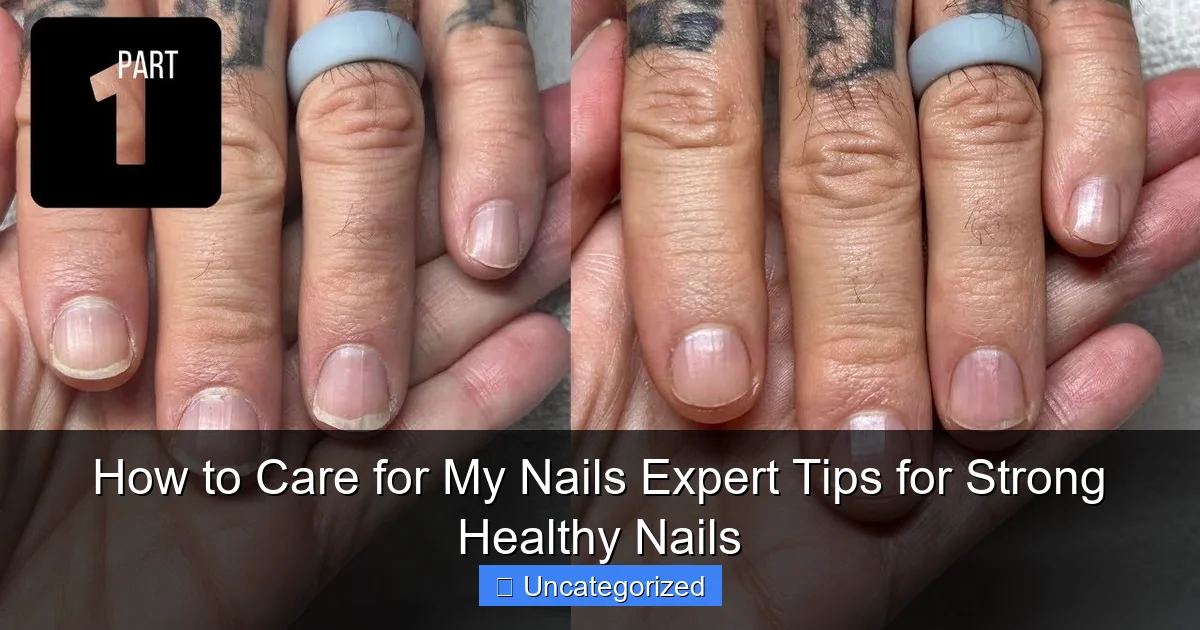
Featured image for how to care for my nails
Image source: i.ytimg.com
Keep your nails strong and healthy by maintaining a consistent nail care routine that includes regular moisturizing, gentle filing, and avoiding harsh chemicals. Always wear gloves during household chores and limit exposure to water and acetone-based removers to prevent brittleness and breakage. A balanced diet rich in biotin, vitamins, and hydration further supports long-term nail resilience and growth.
Key Takeaways
- Moisturize daily: Apply cuticle oil and hand cream to prevent dryness and brittleness.
- Trim regularly: Keep nails short to minimize breakage and maintain shape.
- Use gloves: Protect nails from harsh chemicals and water during chores.
- Eat nail-friendly foods: Boost strength with protein, biotin, and omega-3s.
- File gently: Use a fine-grit file in one direction to avoid splitting.
- Avoid harsh products: Choose acetone-free polish removers and gentle cleaners.
📑 Table of Contents
- Understanding Your Nails: The Foundation of Healthy Nails
- Nutrition and Hydration: Fueling Nail Growth from Within
- Daily Nail Care Routine: Building Healthy Habits
- Professional Treatments and At-Home Solutions
- Managing Common Nail Problems
- Lifestyle Adjustments for Long-Term Nail Health
- Conclusion: Your Journey to Strong, Healthy Nails
Understanding Your Nails: The Foundation of Healthy Nails
Our nails are more than just a canvas for nail polish or a trendy manicure—they’re a reflection of our overall health and well-being. Often overlooked, nails require consistent care and attention to remain strong, resilient, and free from damage. Whether you’re dealing with brittle, peeling, or slow-growing nails, understanding the basics of nail anatomy and function is the first step toward achieving the healthy nails you’ve always wanted. Nails are made of a protein called keratin, the same substance that forms hair and skin, and they serve as protective coverings for the sensitive tips of our fingers and toes.
Healthy nails are smooth, uniformly colored, and free from ridges, pits, or discoloration. But achieving this ideal state isn’t always easy. Factors such as diet, hydration, environmental exposure, and even stress can significantly impact nail health. For instance, frequent exposure to water, harsh chemicals, or extreme temperatures can weaken the nail structure, while nutritional deficiencies—especially in biotin, iron, or protein—can lead to brittleness and slow growth. The good news? With the right habits and consistent care, you can transform weak, fragile nails into strong, resilient ones. This guide will walk you through expert-backed strategies to care for your nails, from daily routines to targeted treatments, ensuring your hands and feet look and feel their best.
Nutrition and Hydration: Fueling Nail Growth from Within
The Role of Diet in Nail Health
Just as a plant needs the right nutrients to thrive, your nails require specific vitamins and minerals to grow strong and resist breakage. A diet rich in essential nutrients is the foundation of healthy nails. Protein is crucial because nails are primarily composed of keratin, a structural protein. Without adequate protein intake, nails may become thin, weak, or develop vertical ridges. Include high-quality sources like lean meats, eggs, legumes, and dairy in your daily meals.
Visual guide about how to care for my nails
Image source: i.ytimg.com
Biotin (Vitamin B7) is another superstar nutrient for nail health. Numerous studies have shown that biotin supplementation can improve nail thickness and reduce splitting. Foods rich in biotin include eggs (especially the yolk), almonds, sweet potatoes, and spinach. While biotin supplements are popular, it’s best to get nutrients from whole foods unless advised otherwise by a healthcare professional.
Other key nutrients include:
- Iron: Deficiency can lead to spoon-shaped nails (koilonychia). Red meat, lentils, spinach, and fortified cereals are excellent sources.
- Zinc: Supports cell growth and repair. Found in oysters, pumpkin seeds, and chickpeas.
- Vitamin C: Essential for collagen production, which strengthens the nail matrix. Citrus fruits, bell peppers, and broccoli are top choices.
- Omega-3 Fatty Acids: Reduce inflammation and improve nail flexibility. Fatty fish like salmon, flaxseeds, and walnuts are ideal.
Hydration: The Overlooked Hero of Nail Care
Dehydration doesn’t just affect your skin and energy levels—it also impacts your nails. Dry, brittle nails are often a sign that your body (and nail plate) is lacking moisture. The nail plate contains water, and when it loses too much moisture, it becomes fragile and prone to cracking. To combat this, drink at least 8-10 glasses of water daily. Herbal teas and water-rich fruits like watermelon and cucumbers can also contribute to hydration.
Additionally, apply a moisturizing hand cream or cuticle oil immediately after washing your hands or showering. This locks in moisture and prevents the nails and surrounding skin from drying out. Look for products containing hyaluronic acid, shea butter, or glycerin—ingredients known for their hydrating properties. For an extra boost, consider using a humidifier in dry environments, especially during winter months.
Sample Daily Routine for Nail Nutrition
Here’s a practical example of how to incorporate nail-boosting foods into your day:
- Breakfast: Oatmeal topped with walnuts, chia seeds, and blueberries (rich in biotin, zinc, and antioxidants).
- Lunch: Grilled salmon salad with spinach, avocado, and olive oil dressing (omega-3s, iron, vitamin E).
- Snack: Hard-boiled egg with a handful of almonds (biotin, protein, healthy fats).
- Dinner: Lean beef stir-fry with bell peppers and broccoli (iron, vitamin C, protein).
- Hydration: 2 liters of water, plus 1 cup of green tea (antioxidants, hydration).
Daily Nail Care Routine: Building Healthy Habits
Cleaning and Shaping: The Basics of Maintenance
Establishing a consistent daily routine is key to preventing damage and promoting strong nails. Start by keeping your nails clean and dry to prevent bacterial and fungal infections. Wash your hands regularly with a mild, sulfate-free soap, and dry them thoroughly—especially under the nails, where moisture can linger and cause issues.
When shaping your nails, use a glass or crystal nail file instead of a metal or emery board. These tools are gentler on the nail and reduce the risk of splitting or fraying. File your nails in one direction (never back and forth) to prevent micro-tears. The ideal shape depends on your lifestyle: oval or almond shapes are less prone to snagging, while square shapes are easier to maintain but more vulnerable to chipping.
Aim to trim or file your nails every 7-10 days to keep them at a manageable length. Overly long nails are more likely to break or catch on things, while overly short nails can expose the nail bed to injury. Use sharp, clean nail clippers or scissors, and disinfect them regularly with rubbing alcohol.
Moisturizing and Cuticle Care
The cuticles—the thin layer of skin surrounding the base of the nail—play a vital role in protecting the nail matrix (where new nail cells form). Never cut or aggressively push back your cuticles, as this can lead to infections and damage. Instead, gently push them back with a wooden cuticle stick after a shower or bath when the skin is soft. Apply a cuticle oil or cream daily to keep the area hydrated and flexible.
For an intensive treatment, try a “soak” once a week: mix warm water with a few drops of olive oil and a teaspoon of honey. Soak your nails for 10-15 minutes, then gently push back the cuticles and apply a rich hand cream. This routine softens the skin, reduces hangnails, and promotes healthier nail growth.
Protecting Nails from Daily Stressors
Your nails face constant exposure to water, cleaning chemicals, and mechanical stress. To protect them:
- Wear rubber gloves when washing dishes, cleaning, or handling chemicals.
- Apply a base coat before nail polish to prevent staining and add a protective layer.
- Avoid using your nails as tools (e.g., opening cans, scratching off labels).
- Wear gloves in cold weather to prevent dryness and brittleness.
Professional Treatments and At-Home Solutions
When to Seek Professional Help
While at-home care is essential, some nail issues require professional attention. Dermatologists or nail technicians can diagnose and treat conditions like fungal infections (onychomycosis), psoriasis, or severe brittleness. For example, if you notice persistent discoloration (yellow, green, or black), thickening, or pain around the nails, consult a healthcare provider. Early intervention can prevent long-term damage.
Professional manicures and pedicures can also be beneficial when done safely. Ensure the salon follows strict hygiene practices—tools should be sterilized, and disposable items (like files and buffers) should never be reused. A good technician will avoid aggressive cuticle removal and use gentle techniques.
At-Home Nail Strengtheners and Treatments
For weak or peeling nails, consider using a nail strengthener containing ingredients like:
- Calcium: Reinforces the nail plate.
- Hydrolyzed keratin: Fills in cracks and adds resilience.
- Argan oil or jojoba oil: Deeply moisturizes and improves flexibility.
Apply the treatment every other day for 4-6 weeks, then switch to a maintenance routine (once or twice a week). Avoid formaldehyde-based products, as they can cause brittleness with long-term use. Instead, opt for “5-free” or “10-free” formulas that exclude harsh chemicals.
For a DIY approach, try a natural nail soak:
- Mix 1/4 cup warm water, 1 tablespoon apple cider vinegar, and 1 tablespoon coconut oil.
- Soak nails for 10 minutes weekly. The vinegar helps restore pH balance, while coconut oil provides deep hydration.
Data Table: Popular Nail Strengtheners and Their Key Ingredients
| Product | Key Ingredients | Best For | Application Frequency |
|---|---|---|---|
| OPI Nail Envy | Calcium, hydrolyzed keratin, biotin | Brittle, peeling nails | Every other day for 4 weeks |
| Sally Hansen Hard as Nails | Calcium, protein | Soft, weak nails | Daily for 2 weeks, then weekly |
| Essie Apricot Cuticle Oil | Jojoba oil, vitamin E | Dry cuticles, brittle nails | Daily |
| CND Rescue Rx | Argan oil, silk protein | Damaged, split nails | Twice daily for 2 weeks |
Managing Common Nail Problems
Brittle and Peeling Nails
Brittleness is one of the most common nail complaints, often caused by frequent wetting and drying, aging, or nutritional deficiencies. To address it:
- Reduce exposure to water and harsh chemicals (use gloves).
- Apply a nail hardener with keratin or calcium.
- Increase intake of biotin and omega-3s.
- Use a nail oil with jojoba or argan oil to seal in moisture.
Peeling nails may indicate a lack of flexibility. Avoid over-filing or using acetone-based polish removers, which dry out the nail. Instead, opt for acetone-free removers and apply a strengthening base coat.
Discoloration and Stains
Yellow nails can result from smoking, fungal infections, or frequent use of dark nail polish. To prevent staining:
- Always apply a base coat before colored polish.
- Remove polish with acetone-free remover and give your nails a “break” between manicures.
- For existing stains, soak nails in a mixture of hydrogen peroxide and water (1:1 ratio) for 5 minutes, then rinse.
Green or black discoloration may signal a bacterial or fungal infection. Consult a doctor for proper treatment.
Slow Nail Growth
On average, fingernails grow about 3 mm per month. If your nails grow slowly, consider:
- Massaging the nail bed: Increases blood flow and stimulates growth. Use cuticle oil and rub gently for 1-2 minutes daily.
- Staying hydrated: Dehydrated nails grow slower.
- Managing stress: Chronic stress can slow nail growth. Practice mindfulness, exercise, or yoga.
Lifestyle Adjustments for Long-Term Nail Health
Exercise and Circulation
Improved blood circulation delivers more oxygen and nutrients to the nail matrix, promoting faster growth. Regular exercise—especially activities like swimming, running, or yoga—can enhance circulation. Even simple hand exercises, such as squeezing a stress ball or finger stretches, can benefit your nails.
Stress Management
Stress triggers the release of cortisol, which can disrupt nail growth and lead to ridges or brittleness. Incorporate stress-reducing practices into your routine:
- Meditation or deep breathing: 5-10 minutes daily.
- Adequate sleep: Aim for 7-9 hours per night.
- Hobbies: Engage in activities that relax you, like painting or gardening.
Environmental Protection
Extreme temperatures, UV exposure, and pollutants can damage nails. In winter, wear gloves to prevent dryness. In summer, apply a nail polish with SPF to protect against UV damage. Avoid prolonged exposure to chlorine (e.g., swimming pools), which can weaken nails. After swimming, rinse hands and apply a moisturizer.
Long-Term Habits for Success
Consistency is key. Track your progress with a nail journal, noting:
- Changes in texture, growth rate, or appearance.
- Products used and their effects.
- Diet and hydration habits.
Revisit your routine every 3 months and adjust as needed. Remember, healthy nails are a marathon, not a sprint—patience and persistence will yield the best results.
Conclusion: Your Journey to Strong, Healthy Nails
Caring for your nails is an act of self-care that pays off in both appearance and health. By focusing on nutrition, hydration, daily routines, and professional guidance, you can transform weak, damaged nails into strong, resilient ones. Remember, your nails are a reflection of your overall well-being—treat them with the same attention you give to your skin, hair, and body. Start small: incorporate one or two tips from this guide, like applying cuticle oil daily or wearing gloves while cleaning, and build from there.
With time, consistency, and the right habits, you’ll notice your nails becoming thicker, smoother, and less prone to breakage. Celebrate the small victories—a hangnail-free week, a new layer of growth, or simply the joy of well-groomed hands. Healthy nails aren’t just about aesthetics; they’re a sign of a body thriving from the inside out. So, take a moment today to nourish, protect, and cherish your nails. Your future self will thank you.
Frequently Asked Questions
How can I strengthen my nails naturally?
To strengthen nails naturally, maintain a balanced diet rich in biotin, protein, and vitamins A and C. Avoid harsh chemicals and keep nails hydrated with cuticle oil or moisturizer to prevent brittleness.
What are the best ways to care for my nails at home?
Regularly trim and file nails to prevent snags, and use a gentle, acetone-free nail polish remover. Apply a strengthening base coat and moisturize your cuticles daily to maintain healthy nail growth.
How often should I trim and file my nails?
Trim your nails every 1-2 weeks, depending on growth rate, and file them weekly to smooth edges and prevent splits. Use a fine-grit file and avoid sawing back and forth to reduce damage.
Why do my nails peel or break easily, and how can I fix it?
Peeling or breaking often results from dehydration, nutrient deficiencies, or excessive exposure to water or chemicals. Keep nails moisturized, wear gloves during chores, and consider a nail-hardening treatment for extra protection.
Can diet really improve nail health?
Yes! A diet with biotin (eggs, nuts), iron (leafy greens), and omega-3s (salmon) supports strong, resilient nails. Pair this with proper hydration to enhance overall nail strength and shine.
How do I properly care for my nails after removing gel or acrylics?
After removing artificial nails, give your natural nails a break for at least a week. Gently buff away residue, apply cuticle oil, and use a nourishing nail treatment to restore moisture and strength.