
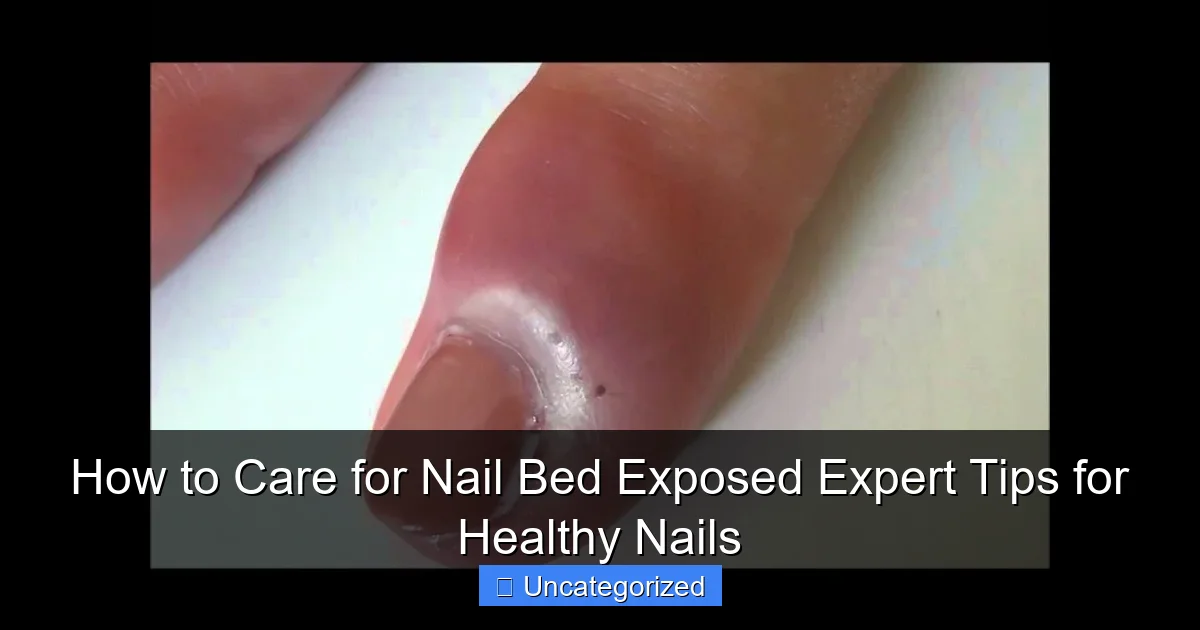
Featured image for how to care for nail bed exposed
Image source: i.ytimg.com
Keep the exposed nail bed clean and moisturized to prevent infection and promote healing. Use gentle, non-irritating products like petroleum jelly and wear protective gloves during chores to shield the sensitive area. Consistent care and avoiding trauma are key to restoring healthy nail growth quickly.
Key Takeaways
- Keep nails dry: Prevent infection by minimizing moisture exposure and drying hands thoroughly.
- Moisturize daily: Apply cuticle oil or cream to promote healing and reduce brittleness.
- Wear gloves: Protect exposed nail beds during chores or manual work.
- Avoid trauma: Refrain from picking or biting to allow proper nail regrowth.
- Use antiseptics: Clean gently with mild solutions to prevent bacterial growth.
- Consult a pro: Seek medical advice for severe damage or persistent pain.
📑 Table of Contents
- Understanding Exposed Nail Beds: Causes and Symptoms
- Immediate First Aid for Exposed Nail Beds
- Daily Care Routine for Healing Nail Beds
- Medical Treatments and Professional Interventions
- Preventing Recurrence and Long-Term Nail Health
- Data Table: Healing Timelines and Nutrient Guidelines
- Conclusion: A Holistic Approach to Nail Bed Recovery
Understanding Exposed Nail Beds: Causes and Symptoms
An exposed nail bed can be both painful and alarming. Whether you’ve experienced a traumatic injury, a persistent nail condition, or simply noticed your nail lifting away from the bed, this issue demands immediate attention. The nail bed—the soft tissue beneath the nail plate—plays a critical role in nail health, providing nutrients and structural support. When it becomes exposed, it becomes vulnerable to infection, pain, and further damage. Understanding the root causes and recognizing the symptoms early can make a significant difference in recovery and long-term nail health.
Exposure can result from a variety of factors, including physical trauma (like slamming a finger in a door), fungal infections, chronic nail biting, improper manicures, or underlying medical conditions such as psoriasis or lichen planus. In some cases, prolonged exposure to water or harsh chemicals can weaken the nail’s adhesion, leading to onycholysis—the medical term for nail separation. Symptoms often include redness, swelling, tenderness, discoloration (yellow, white, or brown), and a visible gap between the nail and the bed. In severe cases, the nail may fall off entirely, leaving the bed completely exposed. The key to effective treatment lies in prompt and consistent care, tailored to the specific cause.
Common Causes of Nail Bed Exposure
- Trauma or Injury: Accidental impacts, crushing, or repetitive pressure (e.g., from tight shoes or sports) can dislodge the nail.
- Fungal Infections (Onychomycosis): Fungi thrive in warm, moist environments and can weaken the nail’s attachment.
- Improper Manicures: Over-filing, cuticle cutting, or using low-quality tools can damage the nail matrix and bed.
- Chronic Nail Biting (Onychophagia): This habit introduces bacteria and disrupts the natural nail structure.
- Medical Conditions: Autoimmune disorders, thyroid issues, and vitamin deficiencies can affect nail integrity.
- Prolonged Water Exposure: Frequent handwashing or dishwashing can soften the nail and lead to separation.
When to Seek Medical Help
While mild cases may be managed at home, certain signs warrant professional evaluation:
- Signs of infection (pus, increasing pain, fever).
- No improvement after 2–3 weeks of home care.
- Underlying health conditions (diabetes, poor circulation).
- Recurring exposure or multiple affected nails.
Early intervention by a dermatologist or podiatrist can prevent complications and ensure proper diagnosis.
Immediate First Aid for Exposed Nail Beds
When a nail bed is suddenly exposed—whether due to trauma, a manicure mishap, or a fungal flare-up—the first 24 to 48 hours are crucial. Immediate care can reduce pain, prevent infection, and support the healing process. The goal is to protect the exposed tissue, minimize inflammation, and create a clean, moist environment conducive to recovery.
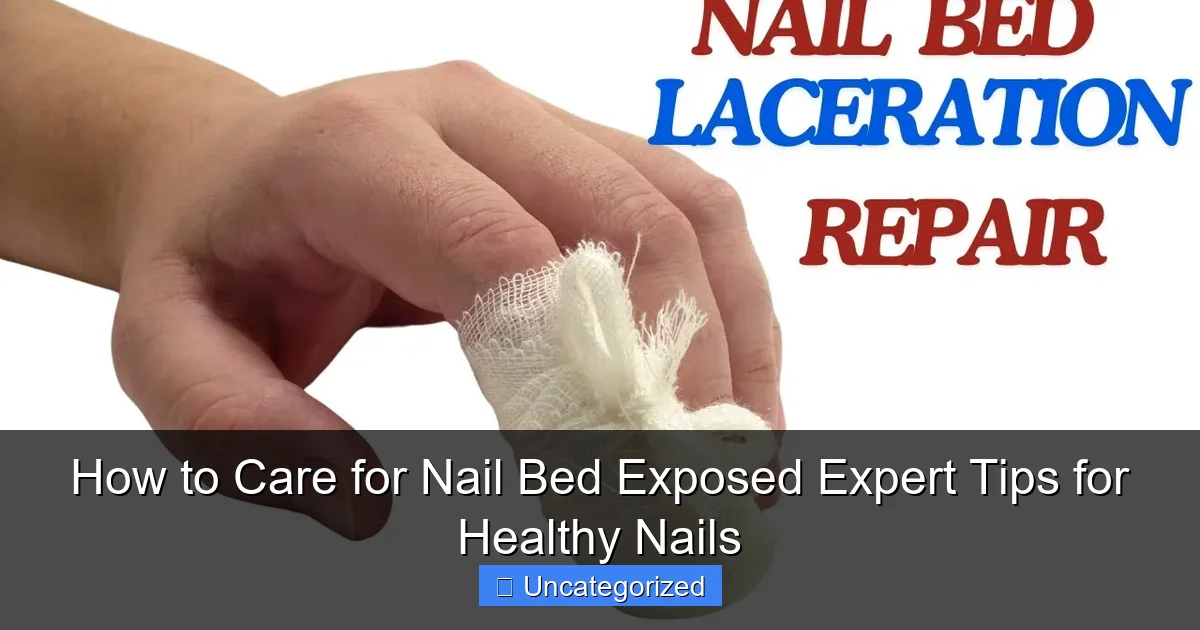
Visual guide about how to care for nail bed exposed
Image source: i.ytimg.com
Step-by-Step First Aid Protocol
- Stop the Bleeding: If the injury is fresh and bleeding, apply gentle pressure with a clean cloth or sterile gauze for 5–10 minutes. Avoid using cotton balls, as fibers can stick to the wound.
- Clean the Area: Use lukewarm water and a mild, fragrance-free soap. Gently wash the exposed nail bed and surrounding skin. Pat dry with a clean towel—do not rub.
- Apply an Antiseptic: Use a medical-grade antiseptic like povidone-iodine (Betadine) or hydrogen peroxide (diluted to 3% concentration). Avoid alcohol-based products, as they can cause stinging and delay healing.
- Use a Moist Wound Dressing: Apply a thin layer of antibiotic ointment (e.g., bacitracin or Neosporin) to prevent infection and keep the tissue moist. Cover with a non-stick sterile pad or hydrocolloid dressing.
- Secure the Dressing: Use medical tape or a small bandage to keep the dressing in place. Change it daily or whenever it becomes wet or dirty.
- Elevate and Rest: If the injury is on a finger, keep your hand elevated above heart level to reduce swelling. Avoid using the affected hand for heavy tasks.
Practical Tips for Daily Management
- Wear Protective Gloves: When doing dishes, cleaning, or gardening, use nitrile or rubber gloves to shield the nail bed from water and chemicals.
- Avoid Nail Polish and Artificial Nails: These can trap moisture and bacteria, worsening the condition.
- Keep Nails Trimmed: Use sterilized nail clippers to shorten the detached portion of the nail. This reduces snagging and further trauma.
- Use a Nail Buffer Gently: If the remaining nail is rough, buff it lightly with a fine-grit buffer to prevent catching on fabrics.
Example Scenario: Post-Trauma Care
Sarah, a 32-year-old graphic designer, slammed her thumb in a car door. The nail lifted, exposing the bed. She followed the first aid steps: cleaned the area, applied Neosporin, and used a hydrocolloid dressing. She wore gloves at work and avoided typing with that hand for two days. Within a week, the pain subsided, and the nail began reattaching naturally.
Daily Care Routine for Healing Nail Beds
Once the initial trauma has been managed, a consistent daily care routine is essential for healing and preventing complications. Healing a nail bed takes time—typically 6–12 weeks for fingers and up to 12 months for toenails—due to slow nail growth. A structured regimen supports tissue regeneration, reduces discomfort, and promotes a healthy environment for new nail growth.
Morning and Night Routine
- Cleanse: Wash the affected area with lukewarm water and a gentle soap (e.g., Cetaphil or Dove Sensitive Skin). Use a soft cotton swab to clean under any remaining nail edge.
- Moisturize: Apply a healing ointment or cream containing:
- Petroleum Jelly (Vaseline): Locks in moisture and prevents dryness.
- Urea (10–20%): Softens thickened skin and promotes exfoliation.
- Allantoin or Panthenol: Soothes irritation and accelerates healing.
- Protect: Reapply a non-stick dressing or bandage. For daytime, use a breathable adhesive bandage; for nighttime, a larger hydrocolloid patch can provide extended protection.
- Massage: Gently massage the base of the nail (matrix) for 1–2 minutes to stimulate blood flow, which supports nail regeneration.
Nutrition and Hydration: Internal Support
The health of your nails starts from within. A diet rich in key nutrients can speed up recovery and strengthen new nail growth:
- Biotin (Vitamin B7): Found in eggs, nuts, and whole grains. Studies show biotin supplementation (2.5 mg/day) can improve nail thickness by 25% in 6 months.
- Protein: Nails are made of keratin, a protein. Include lean meats, legumes, and Greek yogurt in your diet.
- Iron and Zinc: Deficiencies can cause brittle nails. Sources: spinach, red meat, pumpkin seeds, and oysters.
- Omega-3 Fatty Acids: Found in salmon, flaxseeds, and walnuts. Reduce inflammation and support tissue repair.
- Hydration: Drink at least 2–3 liters of water daily. Dehydration can make nails dry and prone to splitting.
Environmental Protection Strategies
- Wear Gloves: Use cotton-lined rubber gloves for wet work. For dry tasks (e.g., typing), consider finger sleeves or silicone nail caps.
- Limit Water Exposure: Wear gloves when washing dishes, and dry hands thoroughly after washing.
- Avoid Harsh Chemicals: Use natural cleaners or wear gloves when handling bleach, detergents, or solvents.
- Humidify Dry Air: In winter, use a humidifier to prevent skin and nail dehydration.
Medical Treatments and Professional Interventions
While home care is effective for mild cases, moderate to severe nail bed exposure often requires medical treatment. A dermatologist or podiatrist can diagnose the underlying cause and recommend targeted therapies to accelerate healing and prevent recurrence.
Prescription Medications
- Antifungal Creams or Pills: If a fungal infection (onychomycosis) is confirmed via lab testing, topical treatments like ciclopirox or oral medications (terbinafine, itraconazole) may be prescribed. Treatment can last 6–12 weeks for fingernails and 12–18 weeks for toenails.
- Antibiotics: For bacterial infections (paronychia), oral antibiotics like amoxicillin-clavulanate or doxycycline may be needed.
- Corticosteroid Creams: For inflammatory conditions like psoriasis, a short course of topical steroids (e.g., clobetasol) can reduce swelling and pain.
Procedural Interventions
- Nail Avulsion: If a damaged nail is causing pressure or trapping debris, a doctor may partially or fully remove it under local anesthesia. This relieves pain and allows direct treatment of the bed.
- Nail Bed Debridement: In cases of severe trauma or infection, dead tissue may be carefully removed to promote healing.
- Laser Therapy: For stubborn fungal infections, low-level laser treatments can penetrate the nail and kill pathogens without drugs.
- Platelet-Rich Plasma (PRP) Injections: Emerging treatment for chronic nail bed injuries. PRP uses the patient’s own blood to deliver growth factors that stimulate tissue repair.
Specialized Dressings and Devices
- Hydrocolloid Dressings: Maintain a moist wound environment, reduce pain, and promote granulation tissue formation. Ideal for open nail beds.
- Silver-Impregnated Dressings: Provide antimicrobial protection for high-risk patients (e.g., diabetics).
- Nail Braces or Splints: Used in cases of nail bed lacerations to stabilize the nail and prevent further separation.
Case Example: Fungal Infection Treatment
James, a 45-year-old construction worker, developed a thick, yellow toenail that detached from the bed. A podiatrist diagnosed onychomycosis and prescribed oral terbinafine for 12 weeks, along with weekly debridement. James also used a medicated nail lacquer (efinaconazole) daily. After six months, the new nail grew in healthy and clear.
Preventing Recurrence and Long-Term Nail Health
Once the nail bed has healed, the focus shifts to prevention. Recurrence is common, especially with fungal infections or repetitive trauma. Long-term strategies combine lifestyle changes, hygiene practices, and proactive monitoring to maintain strong, healthy nails.
Hygiene and Grooming Best Practices
- Sanitize Tools: Sterilize nail clippers, files, and cuticle pushers with rubbing alcohol before and after use. Replace tools every 6–12 months.
- Proper Manicure/Pedicure: Visit licensed professionals who use sterilized equipment. Avoid cuticle cutting—push them back gently with a wooden stick instead.
- Trim Nails Straight Across: For toenails, this reduces the risk of ingrown nails and trauma.
- Use a Nail Strengthener: Apply a formaldehyde-free nail hardener (e.g., with calcium or silk proteins) weekly to reinforce new growth.
Lifestyle Adjustments
- Wear Proper-Fitting Shoes: Tight shoes compress toenails, increasing the risk of injury. Choose shoes with a wide toe box.
- Manage Underlying Conditions: Control diabetes, thyroid disorders, or autoimmune diseases with medical guidance, as these affect nail health.
- Quit Nail Biting: Use bitter-tasting nail polish (e.g., Mavala Stop) or cognitive-behavioral techniques to break the habit.
- Limit Artificial Nails: Acrylics and gels can lift natural nails. If used, take 4–6 week breaks between applications.
Monitoring and Early Detection
- Inspect Nails Weekly: Look for changes in color, texture, or attachment. Early signs of separation (e.g., white/yellow discoloration) should prompt immediate care.
- Track Nail Growth: Use a ruler to measure nail growth (average: 3–4 mm/month for fingers, 1–2 mm/month for toes). Slower growth may indicate nutritional deficiencies or poor circulation.
- Annual Dermatology Checkups: Especially important for high-risk individuals (diabetics, immunocompromised).
Data Table: Healing Timelines and Nutrient Guidelines
| Factor | Fingernails | Toenails | Notes |
|---|---|---|---|
| Full Nail Regrowth Time | 6–12 weeks | 6–12 months | Depends on injury severity and nail bed health. |
| Daily Growth Rate | 3–4 mm | 1–2 mm | Slowed by aging, illness, or poor nutrition. |
| Recommended Biotin Intake | 2.5–5 mg/day | 2.5–5 mg/day | Supplements take 2–6 months to show results. |
| Protein Requirement | 0.8–1.2 g/kg body weight | 0.8–1.2 g/kg body weight | Essential for keratin production. |
| Water Intake | 2–3 liters/day | 2–3 liters/day | Supports skin and nail hydration. |
| Antifungal Treatment Duration | 6–12 weeks | 12–18 weeks | Oral terbinafine is 70–80% effective. |
Conclusion: A Holistic Approach to Nail Bed Recovery
Caring for an exposed nail bed is not just about treating a wound—it’s about nurturing the entire nail ecosystem. From immediate first aid to long-term prevention, every step plays a role in restoring strength, function, and appearance. Whether your exposure stems from an accident, infection, or chronic condition, a proactive, informed approach can make all the difference. Remember, patience and consistency are key; nail healing is a marathon, not a sprint.
By combining medical guidance, proper hygiene, nutritional support, and protective habits, you can not only recover from an exposed nail bed but also build a foundation for lifelong nail health. Listen to your body, seek professional help when needed, and never underestimate the power of small, daily actions. With the right care, your nails can heal stronger than ever—ready to face whatever life throws their way.
Frequently Asked Questions
What should I do if my nail bed is exposed due to injury?
If your nail bed is exposed from trauma, gently clean the area with mild soap and water, apply an antibiotic ointment, and cover it with a sterile bandage. Avoid picking at the area to prevent infection and allow the nail bed time to heal naturally.
How can I protect an exposed nail bed during daily activities?
Wear gloves when doing chores or working with harsh chemicals to shield the exposed nail bed. Keep the area dry and avoid prolonged water exposure, which can soften the tissue and delay healing.
What are the best ways to care for nail bed exposed to promote healing?
Moisturize the surrounding skin with vitamin E oil or petroleum jelly and maintain a balanced diet rich in biotin and protein. Consistent care for the nail bed exposed helps reduce inflammation and supports healthy regrowth.
Can an exposed nail bed get infected, and how do I prevent it?
Yes, an exposed nail bed is prone to infection. Watch for redness, swelling, or pus, and always keep the area clean and covered. Use an antiseptic solution and change bandages daily to minimize infection risks.
How long does it take for an exposed nail bed to heal?
Healing time depends on the severity, but minor exposure typically heals in 2–6 weeks. Avoid nail polish or artificial nails until fully recovered to ensure proper nail bed exposed recovery.
Are there natural remedies to soothe an exposed nail bed?
Yes, aloe vera gel and tea tree oil can reduce inflammation and prevent infection. Apply them gently to the nail bed exposed for soothing relief and faster healing.