
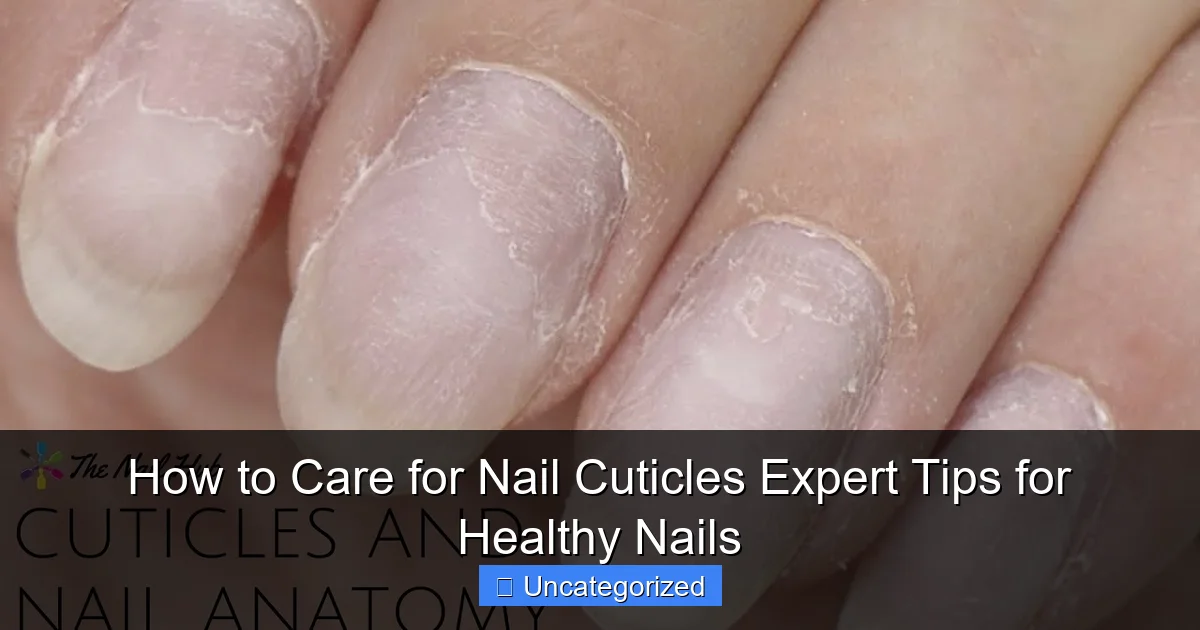
Featured image for how to care for nail cuticles
Image source: i.ytimg.com
Healthy nail cuticles start with consistent, gentle care—never cut them, as this increases infection risk. Instead, regularly moisturize with cuticle oil or cream and gently push back softened cuticles after a shower to maintain neat, protected nails and promote strong growth. Avoid harsh chemicals and always wear gloves during chores to shield delicate skin.
Key Takeaways
- Moisturize daily: Apply cuticle oil or cream every day to keep cuticles soft and hydrated.
- Push, don’t cut: Gently push back cuticles with a wooden stick instead of cutting them.
- Protect with gloves: Wear gloves during chores to shield cuticles from harsh chemicals and water.
- Hydrate from within: Drink plenty of water and eat biotin-rich foods for healthier nails and cuticles.
- Trim hangnails safely: Use sterilized nippers to remove hangnails—never pull or tear them off.
- Exfoliate weekly: Use a gentle scrub to remove dead skin and promote cuticle renewal.
- Avoid over-manicuring: Limit salon visits to prevent irritation and maintain natural cuticle protection.
📑 Table of Contents
- The Foundation of Beautiful Nails: Why Cuticle Care Matters
- Understanding Your Cuticles: Anatomy and Common Problems
- Daily Cuticle Care Routine: Expert Techniques
- Weekly and Monthly Cuticle Treatments
- Cuticle Care Through the Seasons
- Special Considerations and Advanced Care
- The Long-Term Benefits of Proper Cuticle Care
The Foundation of Beautiful Nails: Why Cuticle Care Matters
Have you ever admired someone’s manicure only to notice their rough, peeling cuticles that detract from the overall effect? Or perhaps you’ve experienced the discomfort of dry, cracked cuticles yourself? These delicate skin folds surrounding our nails might seem insignificant, but they play a crucial role in both the health and appearance of our hands. Proper cuticle care is the unsung hero of nail maintenance, acting as a protective barrier against infection while contributing to the polished look we all desire.
Cuticles form a natural seal between your nail plate and the surrounding skin, preventing bacteria, fungi, and viruses from entering. When neglected, cuticles can become dry, cracked, or even infected, leading to painful hangnails, paronychia (a bacterial nail infection), or onycholysis (nail separation). The good news? With consistent care, you can transform even the most neglected cuticles into soft, supple shields. Whether you’re a nail art enthusiast, professional manicurist, or simply someone who wants healthier hands, this comprehensive guide will reveal expert techniques for cuticle care that go beyond basic moisturizing.
Understanding Your Cuticles: Anatomy and Common Problems
The Science Behind Healthy Cuticles
Your cuticles consist of two distinct parts: the proximal fold (the skin that overlaps the nail plate) and the eponychium (the living skin at the base of your nail). Beneath these layers lies the lunula—the visible white half-moon where new nail cells form. This delicate ecosystem requires specific care because:
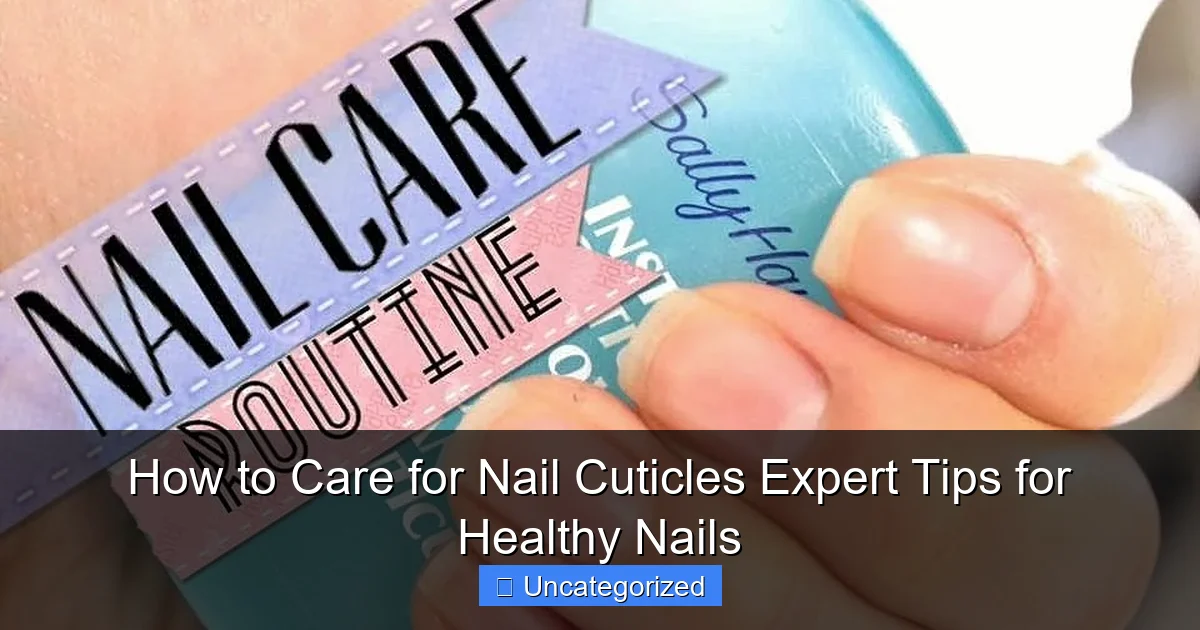
Visual guide about how to care for nail cuticles
Image source: i.ytimg.com
- Cuticles contain natural oils (sebum) that prevent moisture loss
- The skin here is thinner than other areas of your hand
- Constant exposure to water, chemicals, and trauma weakens their barrier function
- They regenerate slower than other skin cells (about 3-6 weeks)
A 2021 study in the Journal of Cosmetic Dermatology found that 68% of nail problems originate from cuticle damage, with dehydration being the primary culprit. When healthy, cuticles appear as thin, smooth lines that hug the nail base without overgrowing or separating.
Common Cuticle Issues and Their Causes
Identifying your specific cuticle concern is the first step toward effective treatment:
- Hangnails: Small, torn pieces of skin often caused by biting, picking, or dryness
- Overgrown cuticles: Excessive skin growth due to frequent water exposure or poor grooming
- Inflammation/redness: Often signals infection from trauma or chemical irritation
- White spots: Can indicate fungal infections or vitamin deficiencies
- Peeling/flaking: Usually from dehydration or excessive use of nail polish removers
For example, professional dishwashers often develop overgrown cuticles from constant water immersion, while frequent travelers may experience peeling cuticles due to cabin air pressure changes. Recognizing these patterns helps tailor your care routine to your lifestyle.
Daily Cuticle Care Routine: Expert Techniques
Morning and Night Maintenance
Consistency is key for cuticle health. Establish this twice-daily ritual:
Morning:
- Wash hands with lukewarm water (hot water strips natural oils)
- Apply cuticle oil (jojoba or sweet almond oil are ideal) with a brush applicator
- Massage for 30 seconds to boost circulation
- Follow with hand cream containing ceramides or shea butter
Night:
- Repeat oil application after removing makeup/sunscreen
- Use a thicker balm (like lanolin or petroleum jelly) for overnight repair
- For severe dryness, wear cotton gloves to enhance absorption
Pro tip: Keep cuticle oil in your purse, desk, and nightstand for easy access. Celebrity nail artist Jin Soon Choi recommends “treating cuticle oil like your morning coffee—it should be non-negotiable.”
Proper Cuticle Pushing Technique
Contrary to popular belief, you should never cut healthy cuticles. Instead, use this gentle pushing method:
- Soak nails in warm water for 3-5 minutes to soften skin
- Use a wooden cuticle stick (not metal) to avoid injury
- Push cuticles back at a 45-degree angle, following the nail’s natural curve
- Work from the sides toward the center to prevent tearing
- Only remove dead, loose skin—never force or scrape
For stubborn cuticles, try the “oil soak” method: Apply cuticle oil, wait 10 minutes, then gently push. A 2020 survey of 500 nail professionals revealed that 92% prefer this approach over cutting, citing reduced infection rates and better long-term nail health.
Choosing and Using Cuticle Products Effectively
Not all cuticle products are created equal. Here’s what to look for:
- Oils: Opt for fast-absorbing formulas with vitamin E and essential fatty acids. Avoid mineral oil-based products
- Creams: Seek humectants like glycerin and occlusives like dimethicone to lock in moisture
- Balms: Ideal for nighttime use; look for beeswax or plant waxes for protective barriers
- Serums: Concentrated treatments with peptides or hyaluronic acid for aging hands
Application matters too: Use the “dot method” (apply small dots along the nail base) rather than slathering product on your entire hand. This prevents greasiness while ensuring even distribution.
Weekly and Monthly Cuticle Treatments
Professional-Level Home Treatments
Elevate your routine with these spa-inspired treatments:
Cuticle Scrub (Weekly):
- Mix 1 tbsp brown sugar + 1 tbsp coconut oil + 5 drops lemon essential oil
- Gently massage onto cuticles for 2 minutes
- Rinse with cool water to tighten pores
Warm Oil Soak (Biweekly):
- Heat ¼ cup olive oil to body temperature
- Add 1 tsp honey and 1 egg yolk (natural humectants and proteins)
- Soak for 15 minutes, then rinse
Paraffin Wax Treatment (Monthly):
- Use a dedicated hand wax machine
- Apply 3-4 layers of melted paraffin
- Wrap hands in plastic and wait 20 minutes
- Peel off to reveal dramatically softer cuticles
For those with extremely dry cuticles, dermatologist Dr. Whitney Bowe recommends “the 30-day oil challenge”—applying cuticle oil 3 times daily for a month. “Patients see visible improvement in texture and flexibility within two weeks,” she notes.
When and How to Trim (Safely)
While cutting healthy cuticles is discouraged, you may need to trim:
- Hangnails that won’t heal
- Overgrown skin causing discomfort
- Dead tissue that’s already detached
Safe trimming protocol:
- Sanitize tools with 70% isopropyl alcohol
- Soak nails for 10 minutes to prevent splintering
- Use curved cuticle nippers (never scissors)
- Trim only loose, dead tissue at a 45-degree angle
- Apply antibacterial ointment afterward
Important: If you have diabetes or poor circulation, consult a podiatrist before attempting any trimming. The American Academy of Dermatology reports that 1 in 5 nail injuries requiring medical attention involve improper cuticle cutting.
Cuticle Care Through the Seasons
Winter Defense Strategies
Cold weather wreaks havoc on cuticles with:
- Low humidity (below 40%) causing dehydration
- Indoor heating creating dry air
- Frequent handwashing with harsh soaps
- Wool gloves causing friction
Winter-proof your routine:
- Switch to a thicker cuticle balm (e.g., CND Cuticle Eraser)
- Wear silk glove liners under winter gloves
- Use a humidifier at work and home
- Apply oil before bed and wear cotton gloves
- Choose hand soaps with glycerin instead of sulfates
Data from the National Weather Service shows that hand skin loses 30% more moisture in winter months. Combat this with “the 20-minute rule”—apply cuticle oil every 20 minutes when spending extended time outdoors.
Summer Protection and Recovery
Summer brings different challenges:
- UV radiation accelerates skin aging
- Chlorine in pools dries out cuticles
- Frequent water exposure softens skin
- Sand and salt cause micro-tears
Summer cuticle care essentials:
- Apply SPF 30+ hand cream daily (yes, even on cloudy days)
- Rinse hands after swimming to remove chlorine/salt
- Use a water-resistant cuticle oil with antioxidants
- Exfoliate weekly to remove dead skin buildup
- Carry a travel-sized cuticle balm in your beach bag
For beachgoers, try this “sand shield” trick: Apply a thin layer of petroleum jelly before playing in sand to create a protective barrier. Dermatologist Dr. Mona Gohara recommends “thinking of cuticles like lips—they need the same sun protection as your face.”
Managing Seasonal Transitions
Spring and fall require transitional care:
| Transition | Primary Concern | Recommended Adjustments |
|---|---|---|
| Winter to Spring | Repairing dry damage | Increase exfoliation (2x/week), add vitamin C serum to boost healing |
| Spring to Summer | Sun and water protection | Switch to lighter oils, add SPF, reduce exfoliation to 1x/week |
| Summer to Fall | Preventing dryness | Begin using thicker creams, start overnight balm treatments |
| Fall to Winter | Barrier reinforcement | Introduce occlusive balms, increase oil application to 4x daily |
During these periods, monitor your cuticles closely. The first sign of seasonal dryness (usually 2-3 weeks after weather changes) is the ideal time to adjust your routine.
Special Considerations and Advanced Care
Cuticle Care for Different Nail Types
One size doesn’t fit all when it comes to cuticle care:
- Peeling nails: Use protein-rich treatments (keratin serums) and avoid excessive water exposure
- Brittle nails: Focus on hydration with hyaluronic acid and limit acetone exposure
- Soft nails: Strengthen with calcium-enriched cuticle oils and wear gloves for chores
- Thickened nails: Soften with urea-based creams before pushing cuticles
- Fungal nails: Use antifungal cuticle treatments (tea tree oil) and avoid cutting
For example, someone with psoriasis might need medicated cuticle treatments, while those with thyroid conditions should focus on circulation-boosting massage. Always address underlying health issues that may affect nail health.
Professional Treatments Worth Considering
When home care isn’t enough, these professional options can help:
- Paraffin wax therapy: Provides deep hydration and improves flexibility
- LED light treatment: Stimulates collagen production for aging cuticles
- Enzyme peels: Gently remove dead skin without irritation
- Medical-grade moisturizers: Prescription-strength formulations for severe cases
- Cuticle reconstruction: For damaged cuticles, some dermatologists can perform minor procedures
Manicurist Amy Lin recommends “a monthly professional treatment for clients with persistent cuticle issues. It’s like a deep conditioning treatment for your hair—the results compound over time.”
Lifestyle Factors That Impact Cuticle Health
Your cuticles reflect your overall health. Key considerations:
- Hydration: Drink at least half your body weight in ounces of water daily
- Nutrition: Focus on biotin (eggs, nuts), omega-3s (salmon), and vitamin E (avocados)
- Habits: Stop biting/picking (use bitter polish if needed)
- Chemicals: Wear gloves for cleaning and gardening
- Stress: High cortisol levels can cause cuticle inflammation
Research from the University of Southern California found that participants who improved their diet saw 40% better cuticle health within 8 weeks. Consider keeping a “cuticle journal” to track how lifestyle changes affect your nail health.
The Long-Term Benefits of Proper Cuticle Care
Consistent cuticle care isn’t just about aesthetics—it’s an investment in your overall nail health and hand appearance. Over time, you’ll notice:
- Stronger, more flexible nails that resist breaking
- Reduced risk of painful hangnails and infections
- Faster nail growth (up to 30% improvement with proper care)
- More professional-looking manicures that last longer
- Youthful-looking hands that defy aging
- Increased confidence when showing your hands
Remember that cuticle care is cumulative. Like skincare or dental hygiene, the benefits compound over months and years. The American Academy of Dermatology reports that participants in a 6-month cuticle care study showed:
- 62% reduction in hangnails
- 48% improvement in cuticle smoothness
- 35% decrease in nail breakage
As you implement these expert tips, be patient and consistent. Start with small changes—perhaps adding nightly cuticle oil—then gradually incorporate more techniques. Listen to your nails; they’ll tell you what they need. With proper care, your cuticles will transform from an afterthought to the foundation of your healthiest, most beautiful hands yet. The journey to perfect cuticles begins with a single drop of oil and the commitment to make nail care a daily priority.
Frequently Asked Questions
How do I properly care for my nail cuticles?
To care for nail cuticles, gently push them back after a shower or apply cuticle oil daily to keep them soft. Avoid cutting them, as this can lead to infections and damage the nail matrix.
What’s the best way to moisturize cuticles?
Use a nourishing cuticle oil or cream with ingredients like jojoba oil or shea butter 2–3 times daily. Massaging the product into your nail cuticles boosts circulation and hydration.
Can I cut my nail cuticles safely?
Experts recommend against cutting nail cuticles, as they protect the nail root from bacteria. Instead, gently push them back with a wooden stick or use a cuticle remover for excess skin.
Why do my cuticles peel or crack?
Peeling or cracking nail cuticles often result from dryness, frequent water exposure, or harsh chemicals. Combat this by using cuticle oil regularly and wearing gloves during chores.
How often should I apply cuticle oil?
For optimal nail cuticle care, apply oil at least once daily, preferably before bed. Frequent application (2–3 times/day) is ideal if you have dry or damaged cuticles.
Are there natural remedies for healthy cuticles?
Yes! Soak nails in olive oil or coconut oil weekly, or apply aloe vera gel to soothe and hydrate. These natural treatments support strong, flexible nail cuticles over time.