
Featured image for how to care for nail falling off
Image source: i.ytimg.com
Act quickly to clean and protect the exposed nail bed to prevent infection and support healing when a nail falls off. Keep the area dry, covered with a sterile bandage, and avoid trauma while monitoring for signs of infection like redness, swelling, or pus. Proper aftercare promotes faster recovery and reduces the risk of complications.
Key Takeaways
- Keep the area clean: Wash gently with mild soap and water to prevent infection.
- Trim carefully: Use sterilized clippers to avoid further damage to the nail bed.
- Apply antiseptic: Use over-the-counter ointments to reduce infection risk and soothe irritation.
- Protect with a bandage: Cover loosely to shield the nail while allowing airflow.
- Avoid tight footwear: Wear open-toed shoes to reduce pressure on the affected nail.
- Monitor for signs: Seek medical help if you notice pus, severe pain, or redness.
📑 Table of Contents
- Understanding the Causes and Concerns of a Falling Off Nail
- Immediate First Aid: What to Do When a Nail Starts to Fall Off
- Promoting Healing: Daily Care and Hygiene Practices
- Supporting Nail Regrowth: Nutrition and Lifestyle Factors
- When to Seek Medical Help: Recognizing Complications
- Preventing Future Nail Loss: Long-Term Strategies
- Conclusion: Empowering Your Recovery Journey
Understanding the Causes and Concerns of a Falling Off Nail
Few things are as unsettling as watching a fingernail or toenail slowly detach from your nail bed. Whether it’s sudden trauma from a slammed door or a gradual loosening due to an underlying health issue, a nail falling off can be both painful and alarming. The good news is that in many cases, the nail will grow back naturally—but only if you provide the right care. Understanding the why behind a detached nail is the first step toward effective treatment and prevention. From fungal infections and psoriasis to physical injuries and nutritional deficiencies, the root causes are varied, and knowing them helps you tailor your response.
While a detached nail may seem like a minor issue, it can expose sensitive skin to bacteria, lead to infections, or signal a deeper health problem. For example, a toenail falling off after a long hike may simply be due to repetitive microtrauma (a common issue among runners), but it could also indicate a fungal infection like onychomycosis or even a circulatory issue such as peripheral artery disease. The skin beneath the nail—called the nail bed—is delicate and vulnerable once the protective nail plate is gone. Therefore, proper care is not just about aesthetics; it’s about preventing complications and supporting the body’s natural healing process. This guide will walk you through expert-backed strategies to care for a nail falling off, from immediate first aid to long-term recovery and prevention.
Immediate First Aid: What to Do When a Nail Starts to Fall Off
Assess the Severity of the Injury
The first step when you notice a nail beginning to detach is to assess the situation. Is the nail partially lifted but still attached? Is it bleeding? Is the underlying skin red, swollen, or oozing? These signs help determine the urgency of care. For example, if the nail is still partially attached and the area is bleeding, immediate attention is needed to prevent infection and reduce pain. If the nail has already fallen off and the bed appears dry and clean, the risk is lower, but monitoring is still essential.
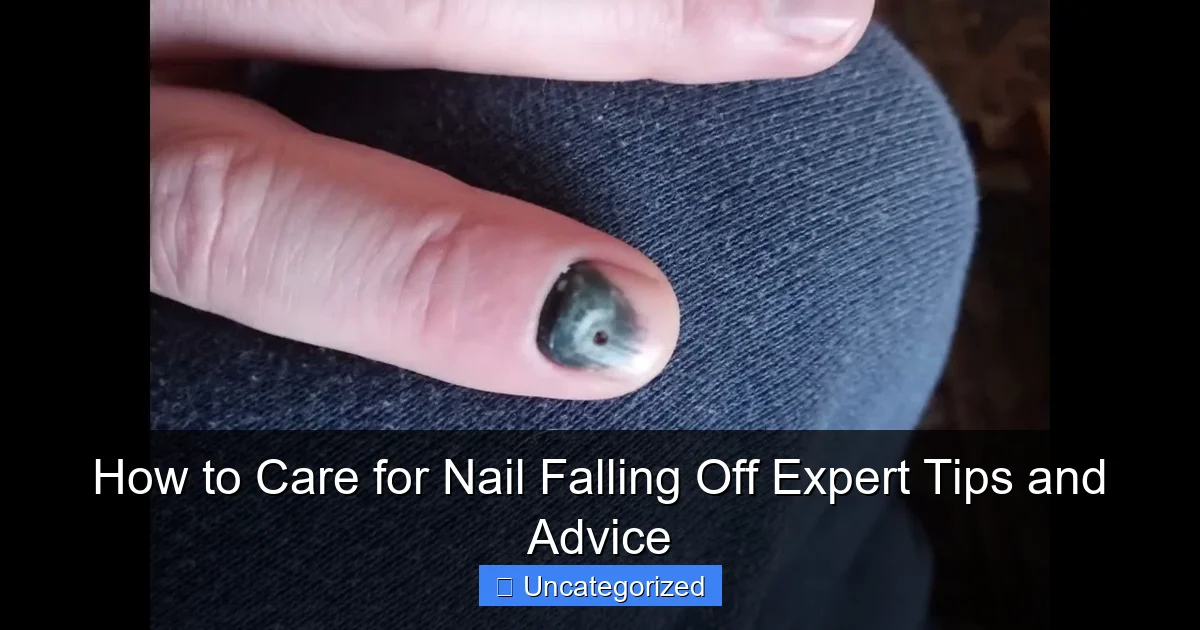
Visual guide about how to care for nail falling off
Image source: i.ytimg.com
- If the nail is partially detached, do not pull it off. Let it remain as a natural bandage.
- If there’s active bleeding, apply gentle pressure with a clean gauze or cloth for 5–10 minutes.
- If the area is swollen or painful, elevate the hand or foot to reduce blood flow and inflammation.
<
<
Clean and Disinfect the Area
Once bleeding is under control, gently clean the exposed nail bed and surrounding skin. Use lukewarm water and mild antibacterial soap. Avoid harsh soaps or alcohol-based cleaners, which can irritate the sensitive tissue. After washing, pat dry with a clean towel. Then, apply an antiseptic solution such as povidone-iodine (Betadine) or hydrogen peroxide (use sparingly, as it can damage healthy tissue if overused).
Pro Tip: Use a cotton swab to apply antiseptic, ensuring you don’t scratch the nail bed. For added protection, cover the area with a sterile, non-stick gauze pad and secure it with medical tape or a bandage. Change the dressing daily or whenever it becomes wet or soiled.
Manage Pain and Swelling
Discomfort from a detached nail can range from mild to severe, especially if the injury was traumatic. Over-the-counter pain relievers like ibuprofen (Advil) or acetaminophen (Tylenol) can help manage pain and reduce inflammation. Applying a cold compress (wrapped in a cloth) for 10–15 minutes at a time can also soothe the area and minimize swelling.
Example: A runner who lost a toenail after a marathon might experience throbbing pain. In this case, elevating the foot, taking 200mg of ibuprofen, and using a cold pack for 15 minutes every 2 hours can significantly reduce discomfort and prevent further irritation during daily activities.
Promoting Healing: Daily Care and Hygiene Practices
Keep the Area Clean and Dry
Once the initial trauma has stabilized, maintaining cleanliness is critical. The exposed nail bed is vulnerable to dirt, bacteria, and fungi, which can lead to infections like paronychia (infection of the skin around the nail). Wash the area with mild soap and water at least twice a day. After showering, ensure the area is thoroughly dried—moisture trapped under a bandage or in tight footwear can foster fungal growth.
Tip: Use a hairdryer on a cool setting to dry hard-to-reach areas, especially between toes. Avoid walking barefoot in public showers, locker rooms, or gyms to reduce exposure to pathogens.
Apply Healing Ointments and Moisturizers
To support tissue repair, apply a thin layer of healing ointment such as petroleum jelly (Vaseline), aloe vera gel, or an antibiotic ointment like bacitracin. These create a protective barrier, keep the nail bed moist, and promote faster epithelial regeneration. Avoid ointments with fragrances or dyes, which may cause irritation.
For added benefit, consider using products containing vitamin E or lanolin, both of which support skin repair. Apply the ointment after cleaning and before dressing the area. Reapply 2–3 times daily, especially after washing hands or feet.
Protect the Nail Bed with Proper Dressing
Use non-stick wound pads (e.g., Telfa pads) to cover the exposed nail bed. These prevent the bandage from sticking to healing tissue, which can cause pain and disrupt the healing process when changed. Secure the pad with hypoallergenic medical tape or a breathable adhesive bandage.
If the nail was on a toe, wear open-toed or loose-fitting shoes to avoid pressure. For fingers, avoid prolonged exposure to water or chemicals—wear gloves when washing dishes or cleaning. This protection is crucial during the first 2–4 weeks, when new skin is forming.
Monitor for Signs of Infection
Even with excellent hygiene, infections can occur. Watch for:
- Increasing redness, warmth, or swelling
- Yellow or green pus
- Foul odor
- Fever or chills (systemic infection)
- Worsening pain after initial improvement
If any of these signs appear, seek medical attention promptly. Early treatment with oral antibiotics or antifungals can prevent serious complications.
Supporting Nail Regrowth: Nutrition and Lifestyle Factors
The Role of Diet in Nail Health
Nails are made of keratin, a structural protein, and their growth depends on a steady supply of nutrients. A deficiency in key vitamins and minerals can delay regrowth or lead to brittle, weak new nails. To support optimal recovery, focus on a balanced diet rich in:
- Protein: Essential for keratin synthesis. Sources: lean meats, eggs, legumes, tofu, dairy.
- Biotin (Vitamin B7): Supports nail strength and growth. Sources: eggs, almonds, sweet potatoes, spinach.
- Iron: Prevents anemia, which can cause nail ridges and slow growth. Sources: red meat, lentils, fortified cereals, dark leafy greens.
- Zinc: Aids in cell division and tissue repair. Sources: oysters, pumpkin seeds, beef, chickpeas.
- Vitamin C: Promotes collagen production and iron absorption. Sources: citrus fruits, bell peppers, strawberries, broccoli.
- Omega-3 Fatty Acids: Reduce inflammation and support nail flexibility. Sources: salmon, flaxseeds, walnuts.
Example: A person recovering from a lost fingernail might benefit from a daily smoothie with Greek yogurt (protein), spinach (iron, vitamin C), chia seeds (omega-3s), and a banana (biotin). This nutrient-dense combo supports both skin and nail regeneration.
Supplements for Accelerated Healing
While diet should be the primary source of nutrients, supplements can help bridge gaps, especially during active healing. Consider:
- Biotin (2.5–5 mg/day): Shown in studies to improve nail thickness and reduce splitting.
- Multivitamin with B-complex: Ensures balanced intake of all B vitamins, including B12 and folate.
- Collagen peptides: May support connective tissue repair. Look for hydrolyzed collagen supplements.
- Zinc (15–30 mg/day): Use only under medical supervision to avoid copper imbalance.
Always consult a healthcare provider before starting supplements, especially if you have underlying conditions like kidney disease or are on medications.
Lifestyle Adjustments to Prevent Re-Injury
During the 6–12 months it takes for a nail to fully regrow (fingernails grow ~3mm/month; toenails ~1mm/month), protect the affected digit. Avoid:
- Repetitive trauma (e.g., typing with the injured finger, running in tight shoes)
- Exposure to harsh chemicals (e.g., nail polish remover with acetone)
- Excessive moisture (e.g., prolonged soaking in water)
Wear protective gloves during manual labor and choose breathable, well-fitting footwear. For athletes, consider using toe caps or orthotics to reduce pressure on the healing nail bed.
When to Seek Medical Help: Recognizing Complications
Persistent or Worsening Symptoms
While most detached nails heal with home care, certain signs warrant a visit to a healthcare provider. These include:
- Nail bed not showing signs of healing after 4–6 weeks
- Recurrent bleeding or drainage
- Severe pain unrelieved by OTC medication
- Signs of systemic infection (fever, chills, swollen lymph nodes)
Medical evaluation may include a physical exam, blood tests (to check for anemia, diabetes, or vitamin deficiencies), or a nail culture (to identify fungal or bacterial infections).
Underlying Medical Conditions
A detached nail can be a symptom of systemic disease. Conditions that may contribute include:
- Fungal infections (onychomycosis): Often cause yellowing, thickening, and eventual nail loss. Treated with oral antifungals like terbinafine.
- Psoriasis: Can cause pitting, separation, and “oil spots” under the nail. May require topical steroids or biologic therapy.
- Diabetes: Poor circulation and neuropathy increase the risk of foot ulcers and infections. Requires glycemic control and regular foot exams.
- Circulatory disorders (e.g., Raynaud’s): Reduce blood flow to extremities, impairing healing.
- Autoimmune diseases (e.g., lupus): May affect nail matrix integrity.
If you have a chronic condition, work with your doctor to optimize management during recovery.
Professional Treatments and Procedures
In some cases, medical intervention is necessary. Options include:
- Antibiotics or antifungals: For confirmed infections.
- Nail removal (avulsion): If the remaining nail is severely damaged or infected, a podiatrist may remove it under local anesthesia to allow clean healing.
- Debridement: Removal of dead or infected tissue to promote healing.
- Biopsy: If the nail bed shows unusual changes, a tissue sample may be taken to rule out skin cancer (e.g., melanoma).
For athletes or individuals with recurrent trauma, custom orthotics or gait analysis may be recommended to prevent future nail loss.
Preventing Future Nail Loss: Long-Term Strategies
Footwear and Nail Protection
For toenails, proper footwear is the first line of defense. Choose shoes with:
- Adequate toe box space (at least 1/2 inch between the longest toe and the end of the shoe)
- Arch support and shock absorption
- Breathable materials (e.g., mesh, leather)
Avoid high heels and narrow-toed shoes, which compress toes and increase pressure. Trim toenails straight across (not curved) to prevent ingrown nails, which can lead to trauma and detachment.
Hygiene and Grooming Best Practices
Regular nail care prevents many causes of detachment:
- Trim nails with clean, sharp clippers; file edges smooth.
- Moisturize cuticles daily with hand or foot cream.
- Disinfect grooming tools regularly.
- Wear gloves when using cleaning products or gardening.
- Use antifungal sprays in shoes if prone to fungal infections.
<
For athletes: Rotate shoes, change socks frequently, and use moisture-wicking materials to reduce friction and sweat buildup.
Regular Health Monitoring
Since nail health reflects overall wellness, schedule annual check-ups to screen for:
- Diabetes (via HbA1c test)
- Thyroid disorders (TSH, T3, T4)
- Iron levels (ferritin, CBC)
- Vitamin D and B12 levels
Early detection of deficiencies or chronic conditions allows for proactive management, reducing the risk of nail problems.
Data Table: Nutrient Requirements for Healthy Nail Regrowth
| Nutrient | Function in Nail Health | Recommended Daily Intake (Adults) | Top Food Sources |
|---|---|---|---|
| Protein | Builds keratin structure | 0.8 g/kg body weight | Chicken, eggs, lentils, Greek yogurt |
| Biotin (B7) | Strengthens nails, reduces brittleness | 30 mcg | Eggs, almonds, sweet potatoes, spinach |
| Iron | Supports oxygen delivery to nail matrix | 8–18 mg (varies by age/sex) | Beef, lentils, fortified cereals, kale |
| Zinc | Promotes cell division and repair | 8–11 mg | Oysters, pumpkin seeds, beef, chickpeas |
| Vitamin C | Collagen synthesis, antioxidant | 75–90 mg | Oranges, bell peppers, strawberries, broccoli |
| Omega-3 Fatty Acids | Reduces inflammation, supports flexibility | 1.1–1.6 g | Salmon, flaxseeds, walnuts, chia seeds |
Conclusion: Empowering Your Recovery Journey
Dealing with a nail falling off can be stressful, but with the right knowledge and care, you can turn a challenging situation into a manageable recovery process. From the moment you notice detachment, prioritize cleanliness, protection, and monitoring. Use gentle first aid, maintain a nutrient-rich diet, and protect the healing nail bed from further trauma. Remember, the body has an incredible capacity to heal—given time and support.
Equally important is prevention. By adopting long-term habits like proper footwear, regular grooming, and routine health check-ups, you significantly reduce the risk of future nail loss. Whether your detached nail resulted from an injury, infection, or underlying condition, the strategies outlined here—backed by medical expertise and practical experience—offer a comprehensive roadmap to recovery. Don’t hesitate to seek professional help when needed, as early intervention can prevent complications. Ultimately, caring for a falling nail isn’t just about regrowing a nail; it’s about nurturing your overall health and resilience.
Frequently Asked Questions
What should I do if my nail is falling off due to injury?
If your nail is falling off from trauma, clean the area with mild soap and water to prevent infection. Apply an antibiotic ointment and cover it with a sterile bandage to protect the exposed nail bed while it heals.
How can I care for a nail falling off to avoid infection?
To care for a nail falling off, keep the area clean and dry, and avoid picking at loose edges. Watch for signs of infection like redness, swelling, or pus, and consult a doctor if symptoms worsen.
Is it normal for a new nail to grow after the old one falls off?
Yes, it’s normal for a new nail to grow once the old one falls off, though the process can take 6–9 months for fingernails and up to 18 months for toenails. Proper nail care during regrowth is essential to support healthy development.
How to care for nail falling off caused by fungal infection?
For a nail falling off due to fungus, treat the area with antifungal creams or oral medication as prescribed. Keep feet dry and wear breathable socks to prevent further fungal growth while the new nail grows in.
Can I speed up healing when a nail is falling off?
You can’t speed up nail regrowth, but you can support healing by eating a balanced diet rich in biotin, zinc, and protein. Avoid harsh chemicals and trauma to the area to prevent further damage.
Should I see a doctor if my nail is falling off?
See a doctor if the nail loss is accompanied by severe pain, excessive bleeding, or signs of infection. A healthcare provider can rule out underlying conditions like psoriasis or severe fungal infections and recommend targeted treatment.