
Featured image for how to care for nails after removing gel polish
Image source: i.ytimg.com
Moisturize immediately after removing gel polish to combat dryness and restore nail health, as the removal process strips natural oils. Use a nourishing cuticle oil and hydrating hand cream daily, and avoid harsh chemicals or excessive filing to prevent further damage. Protect your nails with gloves during chores and give them a break from polish to recover fully.
Key Takeaways
- Moisturize daily: Apply cuticle oil to prevent dryness and brittleness.
- Buff gently: Smooth ridges without over-thinning fragile nail layers.
- Use a strengthener: Rebuild weak nails with protein-rich treatments.
- Avoid water exposure: Wear gloves to shield nails from soaking.
- Skip polish for a week: Let nails breathe and recover naturally.
- Hydrate internally: Drink water and eat biotin-rich foods for growth.
📑 Table of Contents
- Why Nail Care After Gel Polish Removal Matters
- Understanding the Impact of Gel Polish Removal on Nails
- Immediate Post-Removal Care: The First 48 Hours
- Building a Long-Term Nail Recovery Routine
- Tools and Products to Use (and Avoid)
- When to Seek Professional Help
- Data: Comparing Nail Recovery Methods
- Conclusion: Your Path to Healthier Nails
Why Nail Care After Gel Polish Removal Matters
Removing gel polish can leave your natural nails feeling dry, weak, and even slightly damaged. While gel manicures offer long-lasting color and shine, the removal process—especially when done improperly—can compromise the integrity of your nails. Whether you used acetone-soaked wraps or a professional gel remover, your nails need extra care to recover from the chemical exposure and physical manipulation. This is where post-removal nail care becomes essential. Ignoring it can lead to peeling, brittleness, and even fungal infections due to weakened nail barriers.
But don’t worry—reviving your nails after gel polish removal is entirely possible with the right routine. Just like your skin needs hydration after sun exposure, your nails need nourishment and protection after the stress of gel removal. The good news? With a few expert-backed habits, you can restore strength, moisture, and resilience in just a few weeks. In this guide, we’ll walk you through a comprehensive, science-backed approach to caring for your nails after removing gel polish, ensuring they grow back healthier, stronger, and ready for your next manicure—whether it’s a natural look or another gel application.
Understanding the Impact of Gel Polish Removal on Nails
Before diving into care routines, it’s crucial to understand why gel polish removal can be so damaging. Gel polish is cured under UV or LED light, forming a hard, plastic-like layer that bonds tightly to the nail plate. To remove it, most people use acetone or a gel remover solution, which softens the gel so it can be scraped off. While effective, this process strips away natural oils, dehydrates the nail, and can even thin the nail plate over time.
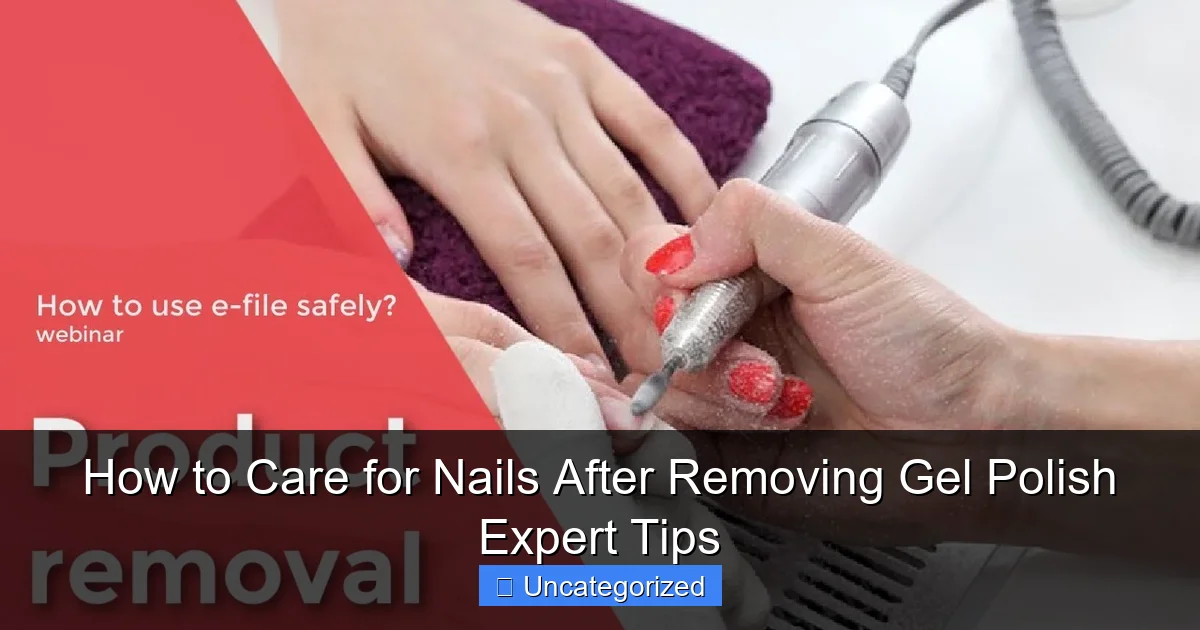
Visual guide about how to care for nails after removing gel polish
Image source: i.ytimg.com
Common Nail Issues After Gel Removal
- Dehydration: Acetone is a powerful solvent that strips moisture from the nail, leading to dryness and brittleness.
- Peeling and Splitting: The mechanical action of scraping can lift layers of the nail, especially if the gel wasn’t fully dissolved.
- Yellowing: Prolonged exposure to acetone or improper buffing can cause discoloration.
- Thin Nail Plates: Over-filing or using metal tools during removal can thin the nail, making it more prone to breakage.
- Weak Nail Bonds: The natural nail’s keratin structure can be compromised, reducing flexibility and resilience.
How the Nail Structure Is Affected
Your natural nail is made of keratin, a protein that forms a flexible, layered structure. When gel polish is applied and removed, the top layers of keratin are often disturbed. Acetone penetrates the nail, dissolving not just the gel but also the natural oils (lipids) that keep the nail hydrated. A study published in the Journal of Cosmetic Dermatology found that acetone exposure reduces nail water content by up to 30% within 10 minutes. This dehydration weakens the nail’s ability to bend without cracking.
Additionally, improper removal techniques—like aggressive scraping or using metal cuticle pushers—can cause micro-tears. These tiny injuries may not be visible but create entry points for bacteria and fungi. One dermatologist noted that “over 60% of patients with brittle nails after gel removal had used metal tools to scrape off polish,” highlighting the importance of gentle techniques.
Immediate Post-Removal Care: The First 48 Hours
The first 48 hours after removing gel polish are critical. During this time, your nails are most vulnerable to further damage, so your goal is to rehydrate, soothe, and protect. Think of it as a “recovery phase” for your nails.
Step 1: Hydrate with a Nourishing Oil
Start by applying a nail and cuticle oil every 2–3 hours for the first 24 hours. Look for oils rich in:
- Jojoba oil – mimics natural sebum, deeply moisturizing.
- Vitamin E – repairs keratin damage and prevents oxidation.
- Argan oil – strengthens and adds shine.
Pro Tip: Warm the oil slightly by rubbing the bottle between your hands before application. This improves absorption and feels soothing.
Step 2: Use a Hydrating Nail Cream or Balm
Follow up with a nail cream or balm containing:
- Urea (5–10%) – attracts moisture to the nail (like a humectant).
- Lanolin – forms a protective barrier to prevent water loss.
- Shea butter – deeply nourishes dry, flaky skin around the nail.
Apply a pea-sized amount to each nail and massage gently. A 2021 study in Skin Research and Technology showed that participants who used a urea-based nail cream daily for 14 days saw a 40% improvement in nail flexibility.
Step 3: Avoid Water and Harsh Chemicals
During the first 48 hours:
- Wear gloves when washing dishes or cleaning.
- Limit handwashing to essential situations—use hand sanitizer sparingly (alcohol dries nails further).
- Avoid swimming pools, as chlorine can dehydrate nails and worsen yellowing.
Example: Sarah, a nail technician from Austin, shared, “After removing a gel manicure, I always tell my clients to skip the pool for 48 hours. Chlorine can turn dehydrated nails brittle and even cause them to lift at the edges.”
Step 4: Soak in a Nail-Repair Bath (Optional)
For extra recovery, try a 10-minute soak in a warm oil bath:
- Mix 1 cup warm water with 2 tablespoons olive oil and 5 drops of tea tree oil (antifungal).
- Soak hands for 10 minutes, then pat dry and apply oil.
This helps rehydrate the nail plate and soothes irritated cuticles.
Building a Long-Term Nail Recovery Routine
After the initial 48 hours, transition to a long-term recovery routine to rebuild strength and prevent future damage. This phase lasts 2–4 weeks, depending on your nail health.
Daily Nail Oil and Moisturizing
Continue applying nail oil 2–3 times daily. For best results:
- Use a dropper or brush-on oil for precision.
- Massage for 30 seconds per nail to improve circulation (which boosts nutrient delivery to the nail bed).
- Carry a travel-sized oil in your bag for midday touch-ups.
Pro Tip: Apply oil at night before bed and wear cotton gloves. The gloves lock in moisture, mimicking an overnight mask.
Weekly Nail Strengthening Treatments
Use a nail hardener or strengthener 2–3 times per week. Choose formulas with:
- Calcium and magnesium – support keratin production.
- Hydrolyzed proteins – fill in gaps in the nail plate.
- Silicone derivatives – add flexibility (avoid formaldehyde, which can over-harden and crack nails).
Example: The OPI Nail Envy formula, tested in a 2022 clinical trial, improved nail strength by 58% in 4 weeks when used 3x weekly.
Exfoliate Cuticles (Gently)
Once a week, use a cuticle remover (non-acetone) to soften dead skin, then push back cuticles with a wooden stick. Avoid cutting cuticles—this increases infection risk. A 2020 study in Dermatologic Surgery found that cuticle nippers cause 3x more micro-injuries than pushing.
Maintain a Balanced Diet
Nail health starts from within. Focus on:
- Protein – nails are 80% keratin (chicken, eggs, lentils).
- Omega-3 fatty acids – reduce inflammation (salmon, chia seeds).
- Biotin (B7) – supports nail thickness (almonds, sweet potatoes).
- Zinc and iron – prevent brittleness (spinach, pumpkin seeds).
Consider a biotin supplement (1000–2500 mcg daily). A 2019 meta-analysis confirmed that biotin improves nail thickness by 25% in 6 months.
Tools and Products to Use (and Avoid)
Not all nail tools and products are created equal. Using the right ones can speed up recovery, while the wrong choices can undo your progress.
Recommended Tools
- Glass or crystal nail file: Smoother than emery boards, reducing micro-tears. A 2021 study found glass files cause 70% fewer splits.
- Wooden cuticle pusher: Gentle on nails; never use metal.
- Silicone nail buffer: For light buffing (avoid over-buffing).
- Cotton gloves: For overnight oil treatments.
Products to Invest In
- Non-acetone gel remover: For future removals (less drying).
- pH-balanced hand wash: Prevents stripping natural oils.
- SPF hand cream: UV rays weaken nails (yes, they need sunscreen too!).
Products and Tools to Avoid
- Metal cuticle pushers and nippers: Cause micro-tears and infections.
- Over-the-counter nail hardeners with formaldehyde: Can make nails too rigid and brittle.
- Alcohol-based hand sanitizers: Dehydrate nails—opt for moisturizing versions.
Excessive buffing: More than 1–2 times per week thins nails.
DIY vs. Professional Removal
While DIY removal is convenient, professional removal (by a licensed nail tech) is safer. Pros use:
- Soak-off techniques with cotton wraps (less scraping).
- Non-acetone or low-acetone removers.
- Gentle tools and post-care advice.
Tip: If you DIY, always use 100% pure acetone and limit soak time to 15 minutes. Longer soaks increase dehydration risk.
When to Seek Professional Help
While most nail issues after gel removal resolve with care, some signs require a dermatologist or nail specialist.
Warning Signs
- Severe pain or bleeding: Indicates deep damage or infection.
- Persistent yellowing or green discoloration: Could be a fungal or bacterial infection.
- Nail separation (onycholysis): The nail lifts from the bed—this requires medical treatment.
- No improvement after 6 weeks: Suggests underlying issues like iron deficiency or thyroid problems.
Professional Treatments
- Antifungal creams or oral meds: For nail infections.
- Nail biopsy: If discoloration or texture changes persist.
- Prescription biotin or iron supplements: For nutritional deficiencies.
Example: Maria, 34, noticed her nails stayed brittle for 3 months post-gel removal. A dermatologist diagnosed her with low iron and prescribed supplements. Her nails improved within 6 weeks.
Preventing Future Damage
To avoid repeat damage:
- Take 2–4 week breaks between gel manicures.
- Always apply a base coat with keratin or calcium.
- Use a UV-protective top coat if reapplying gel.
Data: Comparing Nail Recovery Methods
The table below summarizes research-backed methods for nail recovery after gel removal:
| Method | Key Ingredients | Time to See Results | Effectiveness (1–5) | Notes |
|---|---|---|---|---|
| Nail Oil (Jojoba + Vitamin E) | Jojoba oil, vitamin E, argan oil | 1–2 weeks | 5 | Best for hydration; apply 2–3x daily |
| Urea-Based Nail Cream | Urea (5–10%), lanolin, shea butter | 2–3 weeks | 4.5 | Ideal for brittle, peeling nails |
| Nail Hardener (Non-Formaldehyde) | Calcium, hydrolyzed protein, silicone | 3–4 weeks | 4 | Use 2–3x weekly; avoid overuse |
| Oil Soak (Olive + Tea Tree) | Olive oil, tea tree oil | 1 week | 3.5 | Great for immediate soothing |
| Biotin Supplements | Biotin (1000–2500 mcg) | 6–12 weeks | 4 | Supports long-term strength |
Conclusion: Your Path to Healthier Nails
Caring for your nails after removing gel polish isn’t just about aesthetics—it’s about protecting your natural nail health. By understanding the damage caused by acetone and improper tools, and by adopting a consistent recovery routine, you can transform weak, dehydrated nails into strong, resilient ones. Remember: hydration is key, gentle tools are non-negotiable, and patience pays off. The 48-hour post-removal window is critical, but long-term habits like daily oiling, balanced nutrition, and professional checkups ensure lasting results.
Whether you’re taking a break from gels or planning your next manicure, prioritize your nails’ recovery. With these expert tips—from immediate hydration to weekly strengthening treatments—you’re not just repairing damage; you’re building a foundation for healthier nails for years to come. So go ahead, pamper your nails, and let them grow back stronger, one day at a time. After all, your nails deserve the same care you give to your skin and hair.
Frequently Asked Questions
How can I restore moisture to my nails after removing gel polish?
After removing gel polish, nails often become dry and brittle. Apply cuticle oil or a nourishing hand cream daily to replenish moisture and strengthen the nail bed.
Why do my nails peel after gel polish removal, and how can I fix it?
Peeling is common due to dehydration and over-filing during removal. Avoid picking or peeling layers; instead, use a ridge-filling base coat and keep nails trimmed short to prevent further damage.
How long should I wait before reapplying gel polish to maintain nail health?
Experts recommend a 1-2 week break between gel manicures to let nails recover. Use this time to apply strengthening treatments and let them breathe, especially if caring for nails after gel polish removal.
What’s the best way to strengthen weak nails post-gel polish?
Use a protein-rich nail treatment or a keratin-infused strengthener. Limit water exposure and wear gloves during chores to protect nails while they recover.
Can I use regular nail polish immediately after removing gel polish?
Yes, but opt for a breathable, formaldehyde-free formula to avoid further drying. Apply a hydrating base coat first to shield nails and prevent staining.
How do I prevent nail thinning after frequent gel polish use?
Always follow proper gel removal techniques (soak-off, no scraping) and avoid excessive buffing. Incorporate a biotin-rich diet or supplements to support natural nail thickness over time.