
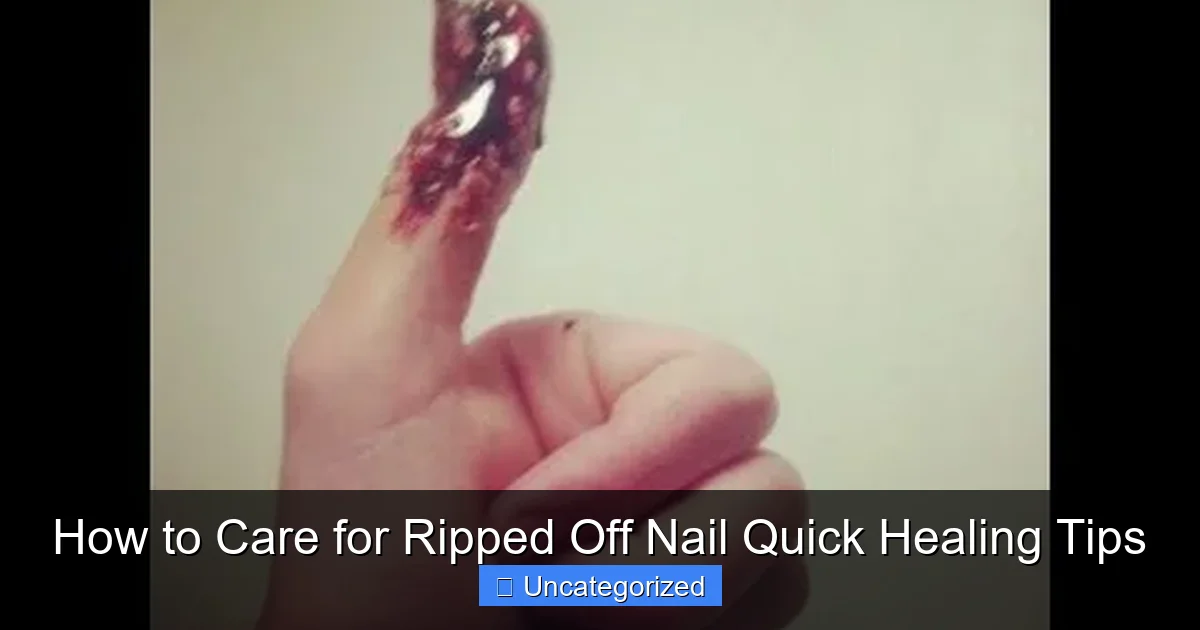
Featured image for how to care for ripped off nail
Image source: i.ytimg.com
Immediately clean the injured nail bed with mild soap and water to prevent infection, then apply an antiseptic and cover it with a sterile bandage for protection. Keep the area dry and elevated to reduce swelling and speed up healing, while avoiding further trauma by trimming nearby nails and wearing comfortable footwear.
Key Takeaways
- Stop bleeding fast: Apply gentle pressure with a clean cloth or gauze.
- Clean the wound: Wash with mild soap and water to prevent infection.
- Use antiseptic: Apply an antibacterial ointment to protect the exposed area.
- Bandage it: Cover with a sterile bandage to shield from dirt and trauma.
- Elevate your hand: Reduce swelling by keeping it raised above heart level.
- Avoid picking: Let the nail bed heal naturally without interference.
- Monitor for infection: Watch for redness, pus, or increasing pain and seek care.
📑 Table of Contents
- Understanding the Pain and Risks of a Ripped Off Nail
- Immediate First Aid: What to Do in the First 24 Hours
- Managing Pain and Inflammation Effectively
- Preventing Infection: Daily Care and Hygiene
- Supporting Nail Regrowth and Long-Term Recovery
- Special Considerations: Artificial Nails, Children, and Chronic Conditions
- Data Table: Healing Timeline and Care Milestones
- Conclusion: Healing Takes Time, But You’re in Control
Understanding the Pain and Risks of a Ripped Off Nail
Few things are as jarring—and painful—as accidentally ripping off a nail. Whether it happened while removing a stubborn artificial nail, catching a finger in a door, or snagging it on clothing, the result is often the same: intense discomfort, bleeding, and a vulnerable nail bed exposed to bacteria. A ripped-off nail isn’t just a cosmetic issue—it’s a potential gateway for infection, especially if the nail bed is damaged or the surrounding skin is torn. The trauma to the nail matrix (the tissue beneath the nail root) can also affect future nail growth, leading to deformities or slow regrowth. Understanding the anatomy of the nail and the immediate risks is the first step toward effective care.
The nail plate, nail bed, and surrounding skin work together to protect the fingertip and support fine motor functions. When a nail is partially or fully torn off, the underlying tissue becomes exposed and highly sensitive. According to dermatologists, the average fingernail grows about 3 millimeters per month, meaning recovery can take weeks or even months. But with proper care, you can accelerate healing, reduce pain, and minimize the risk of complications. This guide walks you through how to care for a ripped off nail, from the first 24 hours to long-term recovery, with evidence-based tips and practical solutions.
Immediate First Aid: What to Do in the First 24 Hours
The first 24 hours after a nail is ripped off are critical. Your goal is to stop bleeding, reduce pain, and prevent infection. Acting quickly and correctly can make a significant difference in healing time and outcomes.
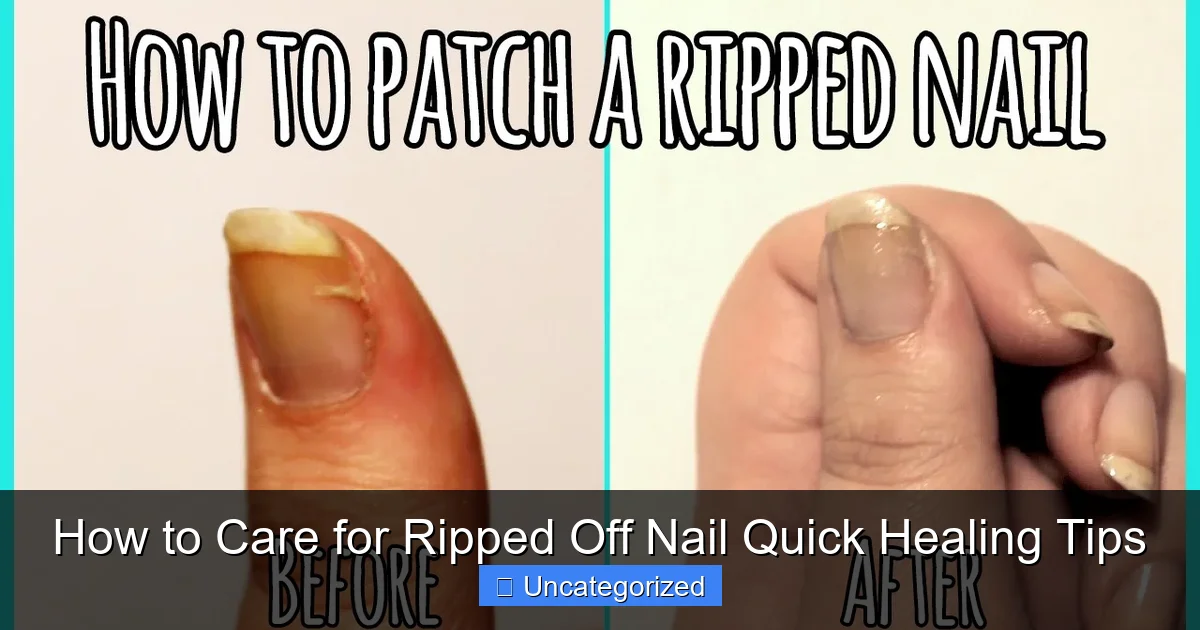
Visual guide about how to care for ripped off nail
Image source: i.ytimg.com
Step 1: Control Bleeding
Start by applying gentle pressure to the affected finger using a clean gauze pad or cloth. Elevate your hand above heart level to reduce blood flow to the area. Most bleeding should stop within 10–20 minutes. If bleeding persists beyond 30 minutes, seek medical attention—this may indicate a deeper injury or damage to blood vessels beneath the nail bed.
- Example: Sarah, a home cook, caught her thumb in a drawer and partially tore off her nail. She immediately pressed a paper towel to the finger and raised her hand while sitting on the couch. The bleeding stopped in 15 minutes.
- Tip: Avoid using tissues or paper towels for prolonged pressure—they can stick to the wound and tear when removed.
Step 2: Clean the Wound Thoroughly
Once bleeding is under control, gently clean the area with mild soap and lukewarm water. Avoid hydrogen peroxide or alcohol, as these can damage healthy tissue and delay healing. Use a soft cloth or cotton swab to remove debris, especially if the nail was torn in a dirty environment (e.g., gardening, construction).
- Tip: Soak the finger in a saline solution (1/2 teaspoon salt in 1 cup warm water) for 10 minutes to gently disinfect and soothe.
- Caution: Do not attempt to reattach the torn nail, even if it’s still partially attached. This can trap bacteria and increase infection risk.
Step 3: Apply Antibiotic Ointment and Dress the Wound
After cleaning, apply a thin layer of antibiotic ointment (e.g., Neosporin or Bacitracin) to the nail bed and surrounding skin. Cover the finger with a non-stick sterile pad (like Telfa) and secure it with medical tape or a fingertip bandage. Change the dressing at least once daily or whenever it becomes wet or soiled.
- Why non-stick? Regular bandages can adhere to the wound and cause further trauma when removed. Non-stick pads protect the delicate tissue without sticking.
- Example: A mechanic who ripped off a nail while working on a car used a fingertip bandage with ointment and changed it twice daily. He reported minimal pain and no signs of infection after three days.
Managing Pain and Inflammation Effectively
Pain from a ripped-off nail is often sharp and throbbing, especially when the nerve endings in the nail bed are exposed. Inflammation is the body’s natural response, but excessive swelling can delay healing. Here’s how to manage both safely and effectively.
Over-the-Counter Pain Relief
For moderate pain, take acetaminophen (Tylenol) or ibuprofen (Advil, Motrin). Ibuprofen is particularly effective because it reduces both pain and inflammation. Follow dosage instructions on the label—do not exceed recommended amounts.
- Tip: Take pain relievers on a schedule (e.g., every 6–8 hours) rather than waiting for pain to worsen. This maintains steady relief.
- Caution: Avoid aspirin for children under 18 due to the risk of Reye’s syndrome.
Cold Therapy for Swelling
Apply a cold compress or ice pack wrapped in a thin towel to the injured finger for 15 minutes at a time, with 15-minute breaks in between. Cold therapy constricts blood vessels, reducing swelling and numbing pain.
- Example: A teenager who ripped off a nail during a basketball game used a gel ice pack every hour for the first six hours. She reported a 70% reduction in pain within 12 hours.
- Tip: Never apply ice directly to the skin—it can cause frostbite or nerve damage.
Elevation and Rest
Keep the injured hand elevated above heart level as much as possible during the first 48 hours. This reduces blood flow to the area and minimizes swelling. Avoid strenuous activities that increase hand movement or pressure (e.g., typing, lifting, sports).
- Pro tip: Sleep with your hand propped on a pillow to maintain elevation overnight.
Preventing Infection: Daily Care and Hygiene
An exposed nail bed is a breeding ground for bacteria. Infection can lead to paronychia (infection of the nail folds), abscesses, or even systemic illness if left untreated. Daily hygiene and vigilance are essential.
Daily Cleaning Routine
Clean the injured finger twice daily—morning and night—using the same gentle method as in the first 24 hours. Use mild soap and lukewarm water, then pat dry with a clean towel. Avoid soaking the finger for prolonged periods (e.g., long showers, dishwashing), as prolonged moisture softens the tissue and increases infection risk.
- Tip: Use a waterproof bandage during showers. Brands like Waterproof Band-Aids or Hydrocolloid Dressings create a seal that keeps water out.
- Example: A nurse who ripped off a nail used a waterproof fingertip bandage for showers and changed it afterward. She avoided infection despite frequent handwashing.
Antibiotic Ointment and Dressing Changes
Reapply antibiotic ointment with each dressing change. Look for signs of infection: increasing redness, pus, foul odor, or spreading warmth around the injury. If these appear, consult a healthcare provider immediately.
- Ointment choice: Bacitracin is often preferred over Neosporin because it causes fewer allergic reactions.
- Warning: Do not use antibiotic ointments long-term without medical advice—overuse can lead to antibiotic resistance or contact dermatitis.
Protecting the Nail Bed
As the nail bed heals, it will form a thin layer of new tissue. Protect it from trauma by:
- Wearing gloves during chores (cleaning, gardening, cooking)
- Using a silicone nail guard (available online) to shield the fingertip
- Avoiding nail-biting or picking at the wound
Pro tip: Apply a thin layer of petroleum jelly (Vaseline) under the bandage to keep the wound moist and promote healing.
Supporting Nail Regrowth and Long-Term Recovery
Regrowth begins within days, but full recovery can take 6–9 months for fingernails and up to 18 months for toenails. The key is supporting the nail matrix—the living tissue beneath the nail root—through nutrition, protection, and monitoring.
Essential Nutrients for Nail Growth
Your body needs specific nutrients to rebuild healthy nail tissue. Focus on foods rich in:
- Biotin: Eggs, almonds, sweet potatoes, salmon
- Protein: Lean meats, beans, Greek yogurt (nails are made of keratin, a protein)
- Iron: Spinach, lentils, red meat (deficiency can cause brittle nails)
- Omega-3 fatty acids: Walnuts, flaxseeds, fatty fish (reduce inflammation)
Supplement tip: Consider a biotin supplement (1,000–5,000 mcg daily) if your diet is lacking. However, consult a doctor first—excessive biotin can interfere with lab tests.
Monitoring Regrowth and Addressing Deformities
As the new nail grows, observe its texture and shape:
- Normal regrowth: Smooth, pink nail emerging from the cuticle
- Signs of trouble: Ridges, discoloration, or a nail that grows unevenly
If the nail grows abnormally, it may indicate damage to the nail matrix. See a dermatologist for evaluation. In some cases, topical treatments (e.g., urea cream) can help smooth ridges.
Example: A guitarist who ripped off a nail noticed his new nail had deep vertical ridges. His dermatologist prescribed a urea-based cream, and the nail improved within two months.
When to Seek Medical Help
Consult a healthcare provider if you experience:
- Persistent pain after 5–7 days
- Signs of infection (pus, redness, fever)
- No new nail growth after 4 weeks
- Severe trauma (e.g., bone fracture, deep laceration)
A doctor may prescribe oral antibiotics, perform a minor procedure to drain an abscess, or recommend imaging (X-ray) to rule out bone damage.
Special Considerations: Artificial Nails, Children, and Chronic Conditions
Not all ripped-off nails occur the same way. Certain factors—like artificial nails, age, or underlying health conditions—require tailored care.
Artificial Nail Injuries
Ripping off acrylic or gel nails often causes more trauma than natural nails because the adhesive bonds tightly to the nail plate. The nail bed may be bruised or partially detached.
- Prevention tip: Visit a licensed nail technician for removal—they use proper solvents and tools to minimize damage.
- Aftercare: Avoid applying new artificial nails for at least 6 months. Let the natural nail heal completely.
Example: A bride who ripped off gel nails during a wedding prep session followed her technician’s advice to wait 8 months before reapplying. Her nails grew back stronger and healthier.
Caring for Children
Children’s nails grow faster (about 1 mm/week), but their immune systems are less developed. For kids:
- Use child-safe antibiotic ointments (avoid neomycin if allergies are suspected)
- Distract from pain with games or stories
- Supervise dressing changes to prevent them from pulling off bandages
Tip: Use colorful bandages or stickers to make the process less intimidating for young children.
Diabetes and Circulation Issues
People with diabetes or poor circulation must take extra precautions. Even minor injuries can lead to serious infections due to reduced blood flow and nerve damage (neuropathy).
- Inspect the wound daily—even if it doesn’t hurt
- Keep blood sugar levels well-controlled
- See a doctor at the first sign of redness or swelling
Critical: Diabetic foot ulcers often start as minor injuries. The same principle applies to hands—don’t underestimate a ripped-off nail.
Data Table: Healing Timeline and Care Milestones
| Time Period | Key Milestones | Care Actions |
|---|---|---|
| 0–24 hours | Stop bleeding, clean wound, apply ointment | Pressure, elevation, non-stick dressing |
| Days 1–3 | Reduce swelling, manage pain, prevent infection | Ice packs, OTC pain relievers, antibiotic ointment |
| Days 4–14 | New tissue forms, nail bed protected | Daily dressing changes, gloves for protection |
| Weeks 3–6 | New nail begins to emerge from cuticle | Monitor regrowth, maintain nutrition |
| Months 2–6 | Nail grows 3–5 mm; ridges may appear | Use moisturizing creams, avoid trauma |
| 6+ months | Full nail regrowth (varies by individual) | Resume normal activities, check for deformities |
Conclusion: Healing Takes Time, But You’re in Control
Dealing with a ripped off nail is never easy, but with the right care, you can turn a painful injury into a manageable recovery. The key is acting quickly—stopping bleeding, cleaning the wound, and protecting the exposed nail bed are the foundations of healing. From pain management to infection prevention and supporting regrowth, each step plays a role in your body’s natural repair process. Remember, the nail matrix is resilient, but it needs time, nutrition, and protection to rebuild properly.
While most cases resolve with home care, don’t hesitate to seek medical help if you notice signs of infection, severe trauma, or abnormal regrowth. Your nails are more than cosmetic—they’re a vital part of your hand’s function and protection. By following these quick healing tips, you’ll not only minimize discomfort but also set the stage for healthy, strong nails in the future. Whether you’re an athlete, a parent, or someone who loves a polished manicure, treating a ripped-off nail with care today ensures you’ll be back to using your hands confidently tomorrow.
Frequently Asked Questions
How do I care for a ripped off nail to prevent infection?
Clean the area immediately with soap and water, then apply an antiseptic. Cover it with a sterile bandage to protect the exposed nail bed and keep it dry to avoid bacterial growth. Change the dressing daily until healed.
What are the best quick healing tips for a ripped off nail?
Elevate your hand to reduce swelling, apply antibiotic ointment, and avoid pressure on the nail. Use a hydrocolloid bandage to speed up healing and keep the area moisturized but not soaked.
How long does it take for a ripped off nail to heal?
The nail bed typically heals in 7–10 days, but full nail regrowth can take several months. Proper care, like keeping the area clean and protected, can help speed up the recovery process.
Can I use nail polish if I’ve ripped off a nail?
No, avoid nail polish or artificial nails until the nail bed fully heals. These products can trap moisture and bacteria, increasing the risk of infection. Stick to breathable bandages and ointments instead.
Should I see a doctor for a ripped off nail?
Seek medical help if you experience severe pain, pus, or signs of infection (redness, swelling). A doctor may prescribe antibiotics or recommend additional treatments to prevent complications.
How can I protect my nail while it’s healing?
Wear gloves during chores to avoid further trauma, and keep the area covered with a bandage. Trim any loose skin gently and avoid picking at the nail bed to support natural healing.