
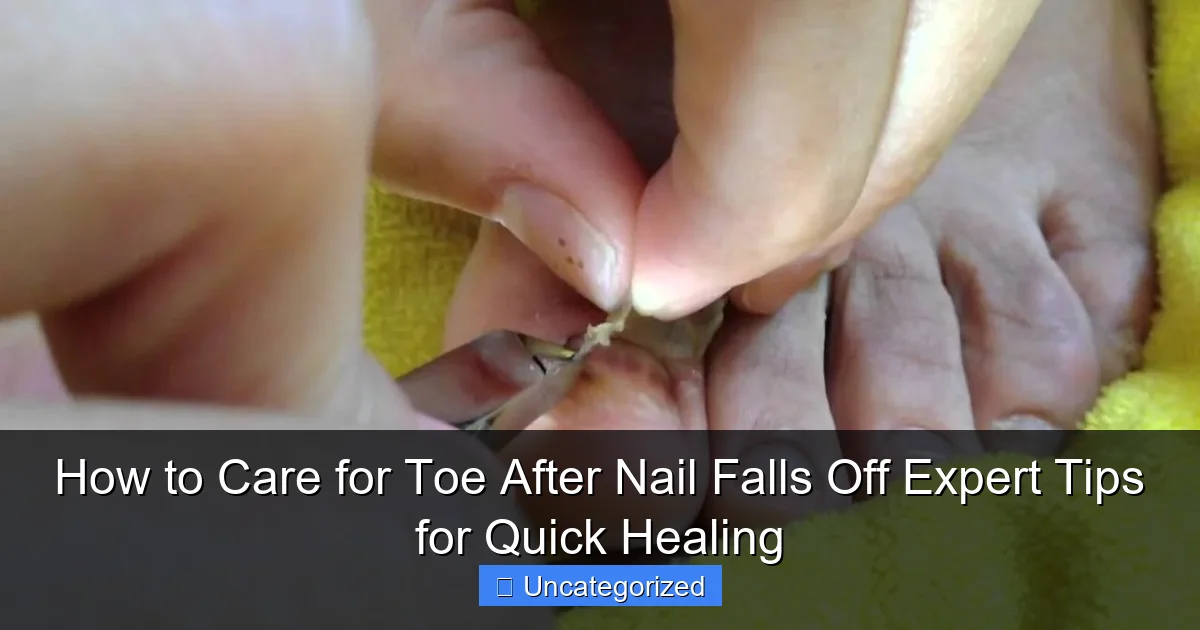
Featured image for how to care for toe after nail falls off
Image source: i.ytimg.com
Keep the area clean and dry to prevent infection after a toenail falls off—this is crucial for fast, safe healing. Elevate your foot, apply antibiotic ointment, and wear open-toed shoes to reduce pressure and speed recovery while monitoring for signs of infection like redness or pus.
Key Takeaways
- Keep the area clean: Wash gently with mild soap and water daily to prevent infection.
- Apply antibiotic ointment: Protect the exposed nail bed and promote faster healing.
- Cover with a sterile bandage: Shield the toe from dirt and friction during recovery.
- Avoid tight footwear: Wear open-toed or loose shoes to reduce pressure and irritation.
- Monitor for signs of infection: Watch for redness, swelling, or pus and seek medical help if present.
- Trim remaining nail carefully: Prevent snagging by cutting straight across with clean clippers.
📑 Table of Contents
- Why Your Toe Needs Extra Attention After a Nail Falls Off
- Understanding Why Toenails Fall Off: Causes and Risks
- Immediate First Aid: What to Do Right After the Nail Falls Off
- Daily Care Routine for Optimal Healing and Hygiene
- Nutrition and Supplements: Fueling Healthy Nail Regrowth
- Long-Term Recovery: Monitoring Regrowth and Preventing Future Issues
- Conclusion: Patience, Prevention, and Proper Care Are Key
Why Your Toe Needs Extra Attention After a Nail Falls Off
Imagine waking up one morning to find that your toenail—once a protective shield for your delicate toe—has completely fallen off. It might sound alarming, but toenail loss is more common than you think, especially among athletes, older adults, and those with fungal infections or trauma-related injuries. Whether it was caused by stubbing your toe, wearing ill-fitting shoes, or a long-term condition like onycholysis (separation of the nail from the nail bed), the aftermath can be painful, unsightly, and concerning. While losing a toenail isn’t typically an emergency, it does require careful attention and proper aftercare to prevent infection, manage pain, and promote healthy regrowth.
The good news? With the right approach, your toe can heal quickly and your new nail can grow back strong and healthy—often within 6 to 12 months, depending on your age and health. But healing doesn’t happen overnight, and neglecting the exposed nail bed can lead to complications like bacterial infections, ingrown nails, or even permanent nail deformities. That’s why knowing how to care for your toe after a nail falls off is crucial. This guide provides expert-backed strategies, practical tips, and essential hygiene practices to support fast, safe recovery. From immediate first aid to long-term regrowth, we’ll walk you through every step of the process to ensure your toe heals properly and painlessly.
Understanding Why Toenails Fall Off: Causes and Risks
Before diving into care routines, it’s important to understand the root causes of toenail loss. Knowing the “why” behind the fall can help you prevent future occurrences and tailor your healing strategy accordingly. Toenails fall off due to a variety of factors, ranging from acute trauma to chronic medical conditions.
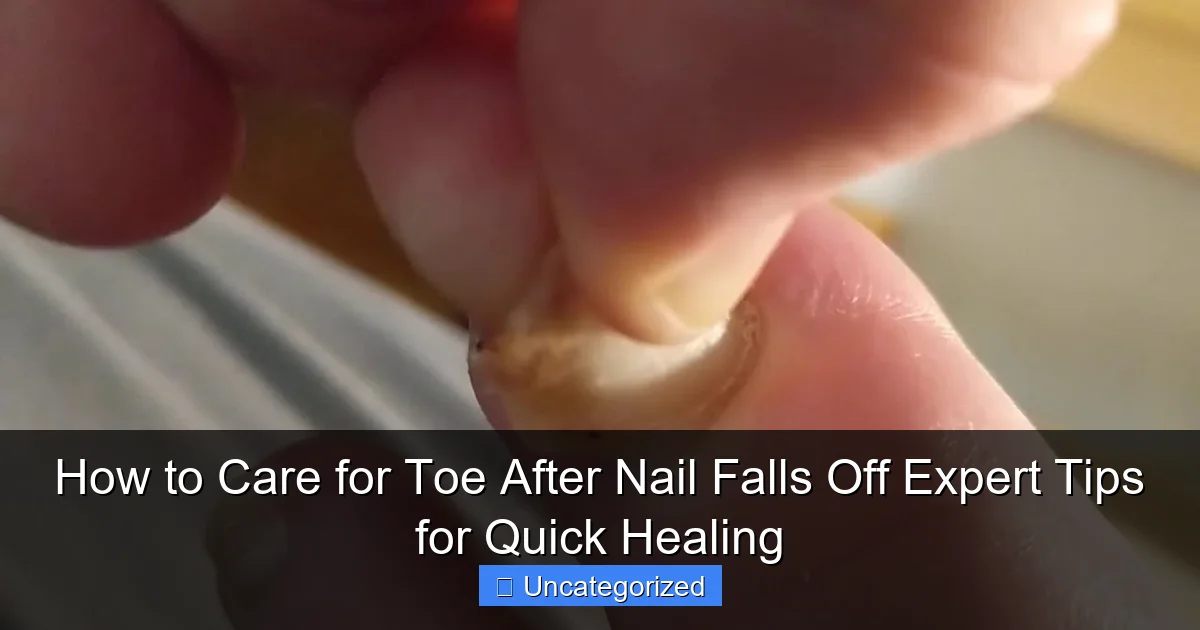
Visual guide about how to care for toe after nail falls off
Image source: i.ytimg.com
Common Causes of Toenail Loss
- Trauma or Injury: The most frequent cause. Stubbing your toe, dropping something heavy on it, or repetitive pressure from tight shoes (especially in runners) can damage the nail matrix—the living tissue under the nail responsible for growth. Over time, this leads to nail separation and eventual shedding.
- Fungal Infections (Onychomycosis): Fungi thrive in warm, moist environments like sweaty shoes. They weaken the nail, making it brittle and prone to breaking or falling off. Studies show that about 10% of the global population suffers from toenail fungus, with higher rates in older adults.
- Psoriasis or Eczema: These skin conditions can affect the nail bed and matrix, leading to pitting, crumbling, and detachment.
- Medical Conditions: Poor circulation (common in diabetes), thyroid imbalances, and autoimmune diseases can impair nail growth and health.
- Chemical Exposure: Harsh nail polishes, removers, or occupational chemicals (e.g., in construction or cleaning) can weaken the nail over time.
Risks of Improper Care After Nail Loss
When a toenail falls off, the nail bed—the sensitive skin underneath—is exposed. This area is rich in blood vessels and nerve endings, making it vulnerable to:
- Infection: Bacteria or fungi can enter through micro-abrasions, leading to cellulitis or paronychia (infection around the nail).
- Delayed Healing: Poor hygiene or moisture buildup can slow tissue repair.
- Permanent Nail Deformity: If the nail matrix is damaged and not protected, the new nail may grow thick, curved, or uneven.
- Chronic Pain: Exposed nerve endings can become hypersensitive, especially when walking or wearing shoes.
Example: A runner who loses a toenail after a marathon due to friction from tight running shoes must not only treat the injury but also reassess footwear and sock choices to avoid future trauma.
Immediate First Aid: What to Do Right After the Nail Falls Off
The first 24 to 48 hours after a toenail falls off are critical. Proper first aid reduces pain, prevents infection, and sets the stage for healthy regrowth. Here’s a step-by-step guide to immediate care.
Step 1: Clean the Area Thoroughly
As soon as you notice the nail is missing, gently wash your toe with mild soap and lukewarm water. Use a soft cloth or cotton ball to avoid irritating the exposed nail bed. Avoid hot water, as it can increase swelling and pain.
- Tip: Add a few drops of tea tree oil (a natural antifungal and antiseptic) to your wash if you have it on hand.
- Caution: Do not scrub or use harsh soaps, which can delay healing.
Step 2: Apply an Antiseptic
After cleaning, apply an over-the-counter antiseptic like povidone-iodine (Betadine) or hydrogen peroxide (3% solution). These kill bacteria and reduce infection risk. Dab—don’t rub—to avoid damaging fragile tissue.
- Alternative: For sensitive skin, use chlorhexidine, which is less irritating.
Step 3: Use a Pain-Relieving and Protective Dressing
Cover the toe with a sterile, non-stick gauze pad or a specialized hydrocolloid dressing (like those used for blisters). These dressings:
- Protect the nail bed from friction and dirt
- Absorb excess moisture
- Create a moist healing environment (proven to speed up tissue repair)
Secure the dressing with medical tape or a loose bandage. Avoid tight wraps, which can reduce circulation.
Step 4: Elevate and Rest
If your toe is swollen or throbbing, elevate your foot above heart level for 15–20 minutes, 2–3 times a day. This reduces blood flow to the area, minimizing inflammation. Wear open-toed shoes or sandals to avoid pressure.
- Pro Tip: Soak your foot in a warm Epsom salt bath (1 cup of Epsom salt in 2 gallons of warm water) for 15 minutes, once daily. Epsom salt reduces swelling and has mild antiseptic properties.
Step 5: Monitor for Signs of Infection
Watch for redness, increasing pain, pus, or a foul odor. If any of these appear, contact a healthcare provider immediately. Early intervention prevents complications like abscesses or systemic infection.
Example: A diabetic patient who loses a toenail due to poor circulation must be especially vigilant. Even minor infections can escalate quickly due to impaired immune response.
Daily Care Routine for Optimal Healing and Hygiene
Once the initial phase is over, a consistent daily care routine is essential. Healing takes weeks to months, and neglecting hygiene can undo progress. Follow this expert-recommended daily regimen.
Morning and Night Cleaning
Clean your toe twice daily—morning and before bed—using the same gentle soap and water method. After washing, pat dry with a clean towel. Never leave the toe damp, as moisture breeds bacteria and fungi.
- Tip: Use a hair dryer on the cool setting to dry hard-to-reach areas between toes.
Antibacterial or Antifungal Cream Application
After drying, apply a thin layer of antibacterial ointment (e.g., Polysporin) or antifungal cream (e.g., clotrimazole), depending on your risk factors. If you had a fungal infection before the nail fell off, use antifungal cream to prevent recurrence.
- Why it works: These creams create a protective barrier and prevent microbial growth.
- Caution: Avoid petroleum jelly (Vaseline) alone—it traps moisture and can worsen fungal issues.
Dressing and Footwear Management
Replace your dressing daily or whenever it gets wet or soiled. Use non-stick pads and secure them with breathable tape. Wear:
- Open-toed sandals or shoes with wide toe boxes to reduce pressure
- Moisture-wicking socks (cotton or bamboo) changed twice daily
- Antifungal powder in shoes to keep them dry
Example: A construction worker should wear steel-toe boots with extra padding and moisture-control insoles to protect the healing toe during long shifts.
Pain and Swelling Management
If pain persists, use over-the-counter pain relievers like ibuprofen (Advil) or acetaminophen (Tylenol) as directed. For swelling, continue Epsom salt soaks and elevation.
- Alternative: Apply a cold compress wrapped in a cloth for 10–15 minutes to reduce inflammation (avoid direct ice contact).
Foot Hygiene Beyond the Toe
Keep your entire foot clean and dry. Trim other toenails straight across to prevent ingrown nails, and wash your feet daily. Avoid sharing towels or nail tools to prevent spreading infection.
Nutrition and Supplements: Fueling Healthy Nail Regrowth
Healing isn’t just about external care—your body needs the right nutrients to rebuild tissue and grow a strong new nail. Nails are made of keratin, a protein that requires specific vitamins and minerals to form properly.
Essential Nutrients for Nail Health
Include these in your diet or consider supplements:
- Protein: The building block of keratin. Eat lean meats, eggs, beans, and Greek yogurt. Aim for 0.8–1.2 grams of protein per kilogram of body weight daily.
- Biotin (Vitamin B7): Supports keratin production. Found in eggs, nuts, and sweet potatoes. Supplements (2.5–5 mg/day) are safe and effective.
- Iron: Deficiency causes brittle nails. Eat spinach, red meat, lentils, or take a supplement if levels are low.
- Zinc: Promotes cell division and tissue repair. Sources: oysters, pumpkin seeds, chickpeas.
- Vitamin C: Boosts collagen and immunity. Citrus fruits, bell peppers, and broccoli are excellent sources.
- Omega-3 Fatty Acids: Reduce inflammation and support skin and nail health. Found in fatty fish, flaxseeds, and walnuts.
Hydration and Circulation
Drink at least 8 cups (64 oz) of water daily to keep skin and nails hydrated. Poor circulation slows healing, so:
- Walk daily to improve blood flow
- Massage your feet gently to stimulate circulation
- Elevate your feet when sitting
Example: A vegetarian can boost nail health with a biotin supplement, iron-fortified cereals, and a daily smoothie with spinach, chia seeds, and citrus.
Supplement Recommendations
| Supplement | Dosage | Best For | Notes |
|---|---|---|---|
| Biotin | 2.5–5 mg/day | Brittle nails, slow growth | Safe long-term; may interfere with lab tests |
| Multivitamin (with iron and zinc) | As directed | Overall nail health | Choose one with 100% DV for key nutrients |
| Omega-3 Fish Oil | 1,000 mg EPA/DHA daily | Inflammation, dry skin | Store in fridge to prevent rancidity |
| Vitamin C | 500–1,000 mg/day | Immunity, collagen | Take with food to avoid stomach upset |
Long-Term Recovery: Monitoring Regrowth and Preventing Future Issues
New toenails grow slowly—about 1–2 mm per month—so patience is key. The full regrowth process can take 6 to 12 months, depending on your age and health. Here’s how to track progress and prevent recurrence.
Signs of Healthy Nail Regrowth
Look for these positive indicators:
- New nail starting as a pink or white spot under the cuticle
- Smooth, firm texture (not pitted or discolored)
- Gradual forward growth without pain
- Even color (no yellowing or dark streaks)
Red flags: Thickened, discolored, or misshapen new nails may indicate ongoing fungal infection or matrix damage. Consult a podiatrist.
When to See a Doctor
Seek professional help if you experience:
- Persistent pain or swelling after 2 weeks
- Pus, foul odor, or spreading redness (signs of infection)
- No nail growth after 3 months
- Diabetes or poor circulation (higher risk of complications)
A podiatrist may prescribe oral antifungals, topical treatments, or even minor surgery (e.g., nail avulsion) if needed.
Preventing Future Toenail Loss
Protect your toes with these long-term strategies:
- Wear properly fitted shoes: There should be a thumb’s width between the longest toe and the shoe end.
- Trim nails straight across: Prevents ingrown nails.
- Use antifungal spray in shoes: Especially if you’re prone to fungus.
- Protect feet in public areas: Wear shower shoes in gyms, pools, and saunas.
- Manage underlying conditions: Control diabetes, thyroid issues, or psoriasis with medical care.
Example: A hiker can prevent trauma by wearing hiking boots with a wide toe box and moisture-wicking socks, plus applying foot powder before long treks.
Conclusion: Patience, Prevention, and Proper Care Are Key
Losing a toenail is never pleasant, but with the right care, your toe can heal fully and your new nail can grow back strong. The journey from trauma to recovery involves immediate first aid, consistent hygiene, nutritional support, and long-term prevention. By following the expert tips in this guide—cleaning the area, protecting the nail bed, eating a balanced diet, and monitoring regrowth—you’ll minimize complications and speed up healing.
Remember, the exposed nail bed is fragile but resilient. Treat it with care, stay vigilant for signs of infection, and don’t hesitate to seek medical advice if something feels off. Most importantly, be patient. Nail regrowth is a marathon, not a sprint. With time, attention, and a proactive approach, your toe will return to its healthy, protective state—ready to take on every step of life with confidence.
Frequently Asked Questions
How should I clean my toe after the nail falls off to prevent infection?
Gently wash the area daily with mild soap and warm water, then pat it dry. Apply an antiseptic like hydrogen peroxide or rubbing alcohol to disinfect the exposed nail bed and reduce infection risks.
What’s the best way to care for a toe after nail falls off to speed up healing?
Keep the toe clean, dry, and protected with a sterile bandage or gauze. Elevate your foot when possible to reduce swelling, and avoid tight footwear to promote faster healing.
How long does it take for a new toenail to grow after it falls off?
Toenails typically take 6–12 months to fully regrow. Proper care for toe after nail falls off, including a balanced diet and avoiding trauma, can support healthy nail regrowth.
Should I cover my exposed nail bed after the nail falls off?
Yes, use a non-stick bandage or gauze to protect the sensitive nail bed from dirt and friction. Change the dressing daily or if it gets wet to maintain a clean environment for healing.
Can I walk normally after a toenail falls off?
You can walk, but wear loose, breathable footwear to avoid pressure on the toe. If pain or swelling worsens, limit activity and consult a doctor to prevent further damage.
When should I see a doctor for how to care for toe after nail falls off?
Seek medical help if you notice signs of infection (pus, redness, fever) or severe pain. Diabetics or those with poor circulation should consult a healthcare provider immediately for safe care.