
Featured image for how to care for your nails naturally
Image source: i.ytimg.com
Keep your nails strong and healthy naturally by moisturizing regularly with nourishing oils like jojoba or coconut oil, which prevent brittleness and promote flexibility. Incorporate a nutrient-rich diet with biotin, zinc, and omega-3s to support nail growth and resilience from within. Avoid harsh chemicals and opt for gentle, natural nail care routines—like exfoliating with lemon juice and baking soda—to maintain shine and prevent damage.
Key Takeaways
- Moisturize daily: Apply natural oils like jojoba to prevent dry, brittle nails.
- Eat nail-friendly foods: Boost strength with biotin-rich eggs, nuts, and leafy greens.
- Soak in apple cider vinegar: Strengthen nails naturally with a 1:2 vinegar-water soak.
- Trim and file properly: Use sharp tools and file in one direction to avoid splitting.
- Wear gloves when cleaning: Protect nails from harsh chemicals and water exposure.
- Hydrate consistently: Drink water to maintain nail flexibility and prevent breakage.
📑 Table of Contents
- Why Nail Health Matters: More Than Just a Beauty Statement
- 1. Nourish Your Nails from Within: The Power of Nutrition
- 2. Natural Moisturizing Rituals: Keep Nails Hydrated and Flexible
- 3. Gentle Nail Hygiene: Avoid Damage with Smart Habits
- 4. Natural Strengthening Treatments: DIY Remedies for Weak Nails
- 5. Lifestyle Adjustments for Long-Term Nail Health
- 6. When to Seek Professional Help: Recognizing Underlying Issues
- Conclusion: Embrace the Natural Path to Stronger Nails
Why Nail Health Matters: More Than Just a Beauty Statement
Nails are often seen as a canvas for polish and art, but their condition speaks volumes about your overall health. Strong, smooth, and resilient nails are not just a sign of good grooming—they’re a reflection of your body’s internal balance, nutrition, and self-care habits. Whether you’re dealing with brittle nails, peeling edges, or ridges, the root cause often extends beyond surface-level damage. In fact, up to 20% of people experience nail abnormalities at some point, with causes ranging from nutritional deficiencies to environmental stressors.
While commercial nail strengtheners and salon treatments promise quick fixes, they often contain harsh chemicals like formaldehyde, toluene, and phthalates that can weaken nails over time. The good news? Nature offers a wealth of gentle, effective solutions to nourish, protect, and restore your nails from the inside out. This guide will walk you through a holistic, natural approach to nail care—from dietary changes to DIY treatments—so you can grow strong, healthy nails without relying on artificial additives. After all, true beauty starts with wellness.
1. Nourish Your Nails from Within: The Power of Nutrition
Your nails are made of keratin, a fibrous protein, and their strength and growth depend heavily on your diet. Just as your skin and hair thrive on nutrients, so do your nails. A deficiency in key vitamins and minerals can lead to brittleness, slow growth, or discoloration. The foundation of natural nail care begins with what you put on your plate.
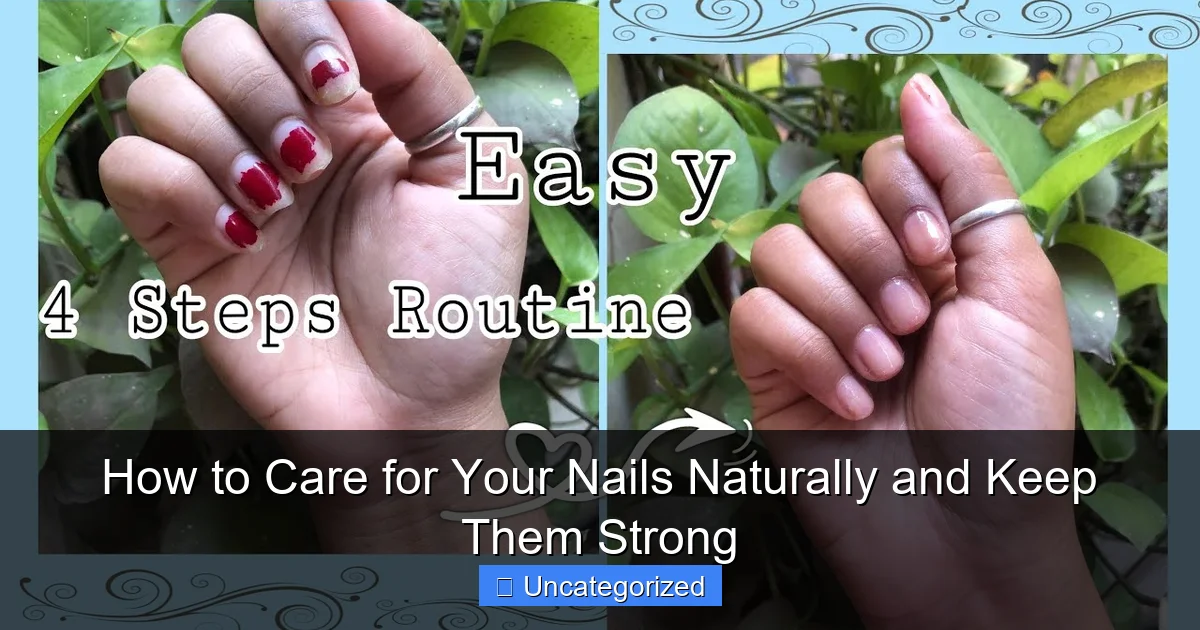
Visual guide about how to care for your nails naturally
Image source: i.ytimg.com
Essential Nutrients for Strong Nails
Focus on incorporating these nutrient-rich foods into your daily meals:
- Biotin (Vitamin B7): A superstar for nail health, biotin strengthens keratin infrastructure. Studies show that biotin supplementation can improve nail thickness by up to 25% in people with brittle nails. Food sources: Eggs (especially yolks), almonds, sweet potatoes, spinach, and whole grains.
- Protein: Since nails are 80–90% protein, a diet low in protein can cause weak, slow-growing nails. Food sources: Lean meats, legumes, tofu, Greek yogurt, and quinoa.
- Iron: Iron deficiency (anemia) is a common cause of spoon-shaped or brittle nails. Food sources: Lentils, spinach, red meat, pumpkin seeds, and fortified cereals. Pair iron-rich foods with vitamin C (like citrus or bell peppers) to boost absorption.
- Omega-3 Fatty Acids: These fats hydrate and strengthen nails, reducing dryness and peeling. Food sources: Fatty fish (salmon, mackerel), flaxseeds, chia seeds, and walnuts.
- Vitamin C: Critical for collagen production, which supports nail bed integrity. Food sources: Oranges, strawberries, kiwi, broccoli, and red bell peppers.
- Zinc: Supports cell regeneration and nail growth. Food sources: Oysters, beef, chickpeas, and cashews.
Hydration: The Silent Hero
Dehydration is a leading cause of dry, brittle nails. Nails are 18% water, and even mild dehydration can make them prone to cracking. Drink at least 8–10 glasses of water daily, and consider herbal teas like chamomile or green tea, which provide hydration and antioxidants. For an extra boost, add cucumber or lemon slices to your water—they’re rich in silica and vitamin C, both of which promote nail strength.
Sample Daily Meal Plan for Nail Health
Here’s a day of meals packed with nail-nourishing nutrients:
- Breakfast: Oatmeal with chia seeds, walnuts, and blueberries; a boiled egg.
- Lunch: Quinoa salad with grilled salmon, spinach, avocado, and pumpkin seeds; orange slices.
- Snack: Greek yogurt with honey and almonds.
- Dinner: Stir-fried tofu with broccoli, red bell peppers, and brown rice; a side of sweet potato.
- Beverages: Green tea, lemon water, and herbal infusions.
2. Natural Moisturizing Rituals: Keep Nails Hydrated and Flexible
Just like your skin, nails need hydration to stay supple. Dry, dehydrated nails are more prone to splitting, peeling, and breaking. While commercial hand creams often contain silicones and parabens, natural oils and butters offer deep, long-lasting moisture without irritation.
The Best Natural Oils for Nail and Cuticle Care
These oils are rich in fatty acids, vitamins, and antioxidants that penetrate the nail plate and cuticle:
- Jojoba Oil: Mimics the skin’s natural sebum, making it easily absorbed. Apply 1–2 drops daily to nails and cuticles, massaging in circular motions. Tip: Use a glass roller bottle for mess-free application.
- Argan Oil: High in vitamin E and linoleic acid, it repairs damage and prevents brittleness. Ideal for overnight treatments—apply before bed and wear cotton gloves.
- Coconut Oil: Has antimicrobial properties and locks in moisture. Warm a teaspoon between your hands and massage into nails for 5 minutes. Note: May feel heavy for daytime use.
- Sweet Almond Oil: Lightweight and rich in biotin. Combine with a drop of lavender essential oil for calming benefits.
DIY Nail Soak for Deep Hydration
Soaking your nails in a warm oil blend softens cuticles and boosts moisture retention. Here’s a simple recipe:
Ingredients:
- 1/4 cup warm water
- 2 tbsp olive oil or coconut oil
- 1 tbsp honey (natural humectant)
- 5 drops lemon juice (brightens nails)
Method:
- Mix ingredients in a bowl.
- Soak nails for 15–20 minutes.
- Gently push back cuticles with a wooden stick.
- Pat dry and apply a natural hand cream (see below).
Repeat 2–3 times weekly for best results.
Natural Hand Cream Recipe
Store-bought hand creams often contain synthetic fragrances and preservatives. Make your own with:
- 1/4 cup shea butter
- 2 tbsp jojoba oil
- 1 tbsp beeswax (for a thick texture)
- 10 drops vitamin E oil
- 5 drops tea tree oil (antifungal)
Melt shea butter and beeswax in a double boiler, stir in oils, and pour into a jar. Apply after washing hands or before bed.
3. Gentle Nail Hygiene: Avoid Damage with Smart Habits
Even the healthiest nails can be compromised by poor hygiene or harsh practices. Over-sanitizing, excessive filing, or using nails as tools can weaken their structure. Adopting gentle, mindful habits protects your nails from unnecessary trauma.
Proper Nail Filing Techniques
Filing in one direction (from edge to center) prevents splitting. Use a glass or crystal nail file instead of emery boards—they create smoother edges and reduce micro-tears. Avoid over-filing; file only when necessary (every 1–2 weeks).
Safe Nail Length and Shape
Long nails are more prone to breaking. For strength, keep them 1–2 mm beyond the fingertip. Opt for rounded or square shapes, which distribute pressure evenly. Avoid sharp edges or overly long extensions.
Hand and Nail Protection
- Wear gloves: When washing dishes, gardening, or using cleaning products. Water and chemicals (like bleach) dry out nails and cuticles.
- Limit sanitizer use: Alcohol-based sanitizers strip natural oils. Use them only when soap and water aren’t available, then apply oil immediately.
- No nail biting or picking: These habits damage the nail matrix (the root under the cuticle) and increase infection risk. Try bitter-tasting natural nail polish (like tea tree or neem oil blends) to deter biting.
Gentle Cleaning Routine
Wash hands with mild, natural soap (e.g., castile soap) and lukewarm water. After drying, apply oil to cuticles. For deep cleaning, use a soft toothbrush with baking soda paste (1 tsp baking soda + water) to gently scrub under nails—avoid harsh scrubbing.
4. Natural Strengthening Treatments: DIY Remedies for Weak Nails
For nails that are already weak or peeling, natural treatments can accelerate repair. These DIY solutions use ingredients you likely already have at home.
Apple Cider Vinegar (ACV) Soak
ACV balances pH, kills bacteria, and strengthens nails. Its acetic acid content helps prevent fungal infections.
Recipe: Mix 1/2 cup ACV with 1/2 cup warm water. Soak nails for 15 minutes, 2–3 times weekly. Rinse and moisturize afterward. Note: Dilute ACV to avoid skin irritation.
Green Tea and Lemon Soak
Green tea’s tannins strengthen nails, while lemon’s vitamin C brightens and disinfects.
Recipe: Brew 2 green tea bags in 1 cup hot water. Add 1 tbsp lemon juice. Cool, then soak nails for 20 minutes. Use 1–2 times weekly.
Egg Mask for Protein Boost
Eggs are rich in biotin, protein, and sulfur—ideal for repairing damaged nails.
Recipe: Beat 1 egg yolk with 1 tsp olive oil. Apply to clean nails and cuticles. Leave on for 15 minutes, then rinse. Use weekly.
Olive Oil and Garlic Paste
Garlic’s allicin has antifungal properties, while olive oil moisturizes.
Recipe: Crush 2 garlic cloves, mix with 1 tbsp olive oil. Apply to nails, cover with gloves, and leave overnight. Rinse in the morning. Use once weekly (avoid if you have sensitive skin).
Data Table: Natural Nail Strengthening Remedies
| Treatment | Key Ingredients | Benefits | Frequency |
|---|---|---|---|
| ACV Soak | Apple cider vinegar, water | pH balance, antibacterial, strengthens | 2–3 times/week |
| Green Tea Soak | Green tea, lemon juice | Antioxidants, brightens, disinfects | 1–2 times/week |
| Egg Mask | Egg yolk, olive oil | Protein, biotin, repairs | Weekly |
| Olive Oil & Garlic | Olive oil, garlic | Antifungal, moisturizes | Once/week |
5. Lifestyle Adjustments for Long-Term Nail Health
Nail health isn’t just about topical care—it’s deeply tied to your overall lifestyle. Stress, sleep, and environmental exposure all play a role in how your nails grow and look.
Stress Management
Chronic stress can disrupt nail growth, causing horizontal ridges (Beau’s lines). Practice mindfulness, yoga, or deep breathing to reduce cortisol levels. A 2020 study found that mindfulness meditation reduced nail-biting behavior by 65% in participants.
Sleep Quality
During sleep, your body repairs tissues, including nails. Aim for 7–9 hours nightly. Poor sleep can slow nail growth by up to 25%. Keep your bedroom cool and dark to support melatonin production.
Environmental Protection
- Sun exposure: UV rays weaken nails and cuticles. Apply a natural SPF (like zinc oxide) to hands daily.
- Hard water: Minerals in hard water can dry out nails. Install a water softener or wear gloves when washing.
- Air pollution: Pollutants can cause discoloration. Wash hands after outdoor exposure and use antioxidant-rich oils (like argan) to neutralize free radicals.
Exercise and Circulation
Regular movement improves blood flow to nail beds, promoting faster growth. Simple habits like hand stretches, finger taps, or grip exercises (e.g., squeezing a stress ball) can enhance circulation. Aim for 10 minutes daily.
6. When to Seek Professional Help: Recognizing Underlying Issues
While natural care can address most nail concerns, persistent problems may signal deeper health issues. Don’t ignore these warning signs:
Red Flags to Watch For
- Yellow, thickened nails: Could indicate fungal infection (onychomycosis) or psoriasis.
- Spoon-shaped nails (koilonychia): Often linked to iron-deficiency anemia.
- Horizontal ridges (Beau’s lines): Caused by severe illness, malnutrition, or trauma.
- Dark streaks or spots: May be a sign of melanoma (especially if they grow).
- Pitting or crumbling: Associated with psoriasis or alopecia areata.
Consult a Dermatologist If:
- Symptoms persist for over 6 weeks despite home care.
- You experience pain, swelling, or pus around the nail.
- Nail changes occur alongside other symptoms (fatigue, hair loss, rashes).
A dermatologist can perform tests (e.g., nail clippings, blood work) to identify the cause and recommend targeted treatments, such as prescription antifungals or iron supplements.
Conclusion: Embrace the Natural Path to Stronger Nails
Strong, healthy nails aren’t achieved overnight—they’re the result of consistent, mindful care. By nourishing your body with nutrient-rich foods, hydrating with natural oils, adopting gentle hygiene habits, and addressing lifestyle factors, you create an environment where nails can thrive. Remember, natural care isn’t just about avoiding chemicals; it’s about working with your body’s biology to enhance resilience and beauty.
Start small: Add a biotin-rich snack to your diet, apply jojoba oil before bed, or try a weekly ACV soak. Track your progress over 8–12 weeks—most people notice improved texture, reduced peeling, and faster growth within this timeframe. And if challenges arise, don’t hesitate to seek expert guidance. With patience and the power of nature, you’ll grow nails that are not only strong and beautiful but a true reflection of your inner health. After all, the best nail care routine is one that feels as good as it looks.
Frequently Asked Questions
How can I strengthen my nails naturally?
Moisturize nails and cuticles daily with natural oils like jojoba or coconut oil to prevent brittleness. A diet rich in biotin (found in eggs, nuts, and leafy greens) also supports strong, healthy nail growth.
What are the best natural remedies for dry, peeling nails?
Soak nails in warm olive oil or honey water for 10 minutes weekly to restore moisture. Avoid harsh chemicals and use a natural nail strengthener like aloe vera gel to repair peeling layers.
How to care for your nails naturally with a busy routine?
Keep a small bottle of cuticle oil in your bag for quick hydration on the go. Wear gloves during chores and opt for breathable, chemical-free nail polish to maintain nail health effortlessly.
Can diet really improve nail strength?
Yes! Protein, omega-3s (from fish or flaxseeds), and vitamins A, C, and E promote collagen production, which is essential for resilient nails. Hydration and zinc (found in pumpkin seeds) also help prevent splitting.
How often should I trim my nails for optimal natural care?
Trim every 7–10 days to avoid snags and splits, using sharp, sanitized tools. File in one direction with a glass file to reduce fraying and maintain a smooth edge.
Are there natural alternatives to chemical nail hardeners?
Absolutely! Try applying a mix of lemon juice (for brightness) and olive oil (for strength) or use a base coat of tea tree oil diluted in a carrier oil to protect nails without harsh ingredients.