
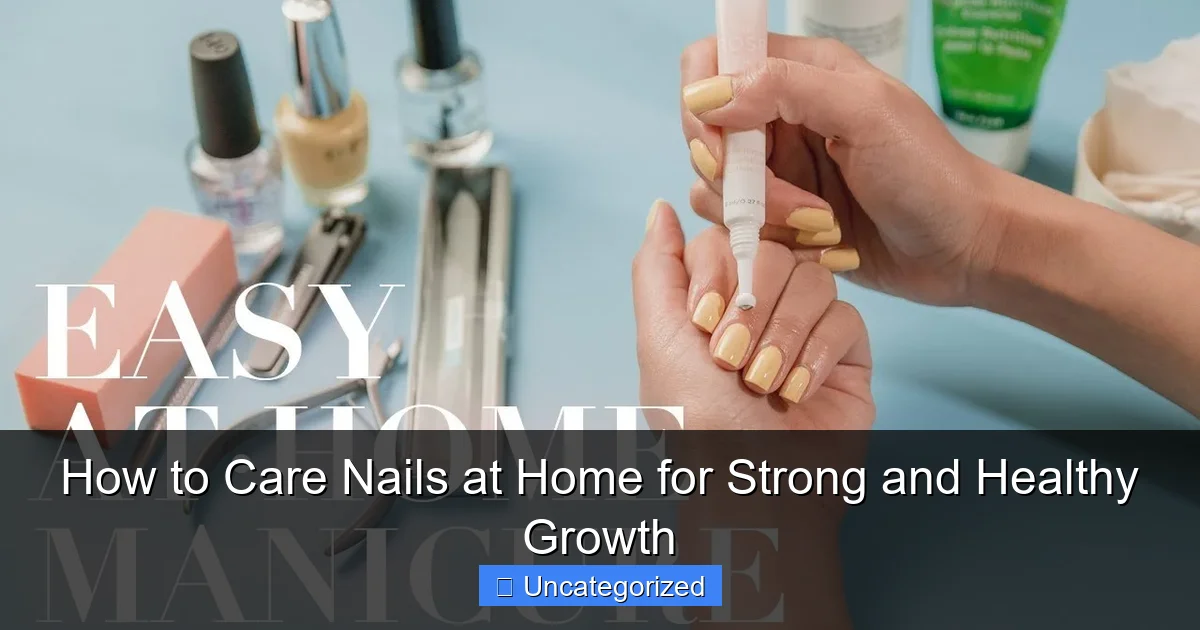
Featured image for how to care nails at home
Image source: i.ytimg.com
Keep your nails strong and healthy at home by maintaining a consistent care routine focused on hydration, protection, and proper trimming. Moisturize cuticles daily with oils or creams, avoid harsh chemicals, and use a strengthening base coat to prevent breakage. Pair this with a balanced diet rich in biotin and proteins for faster, resilient nail growth.
Key Takeaways
- Moisturize daily: Apply cuticle oil to nourish and prevent dryness.
- Trim regularly: Cut nails straight across to avoid ingrown edges.
- Use gentle tools: Opt for glass files to reduce nail splitting.
- Wear gloves: Protect nails during chores to prevent damage.
- Eat nutrient-rich foods: Boost growth with biotin and protein.
- Avoid harsh removers: Choose acetone-free polish removers for health.
📑 Table of Contents
How to Care Nails at Home for Strong and Healthy Growth
Strong, healthy nails are more than just a cosmetic asset—they are a reflection of your overall health and wellness. Whether you’re someone who loves to keep your nails polished or prefers a natural look, proper nail care is essential to prevent breakage, brittleness, and infections. While professional manicures and pedicures can be beneficial, consistent at-home nail care is the foundation for long-term nail health. In fact, many common nail problems—like peeling, splitting, and slow growth—can be prevented or improved with simple, daily habits that don’t require salon visits.
Taking care of your nails at home doesn’t have to be complicated or time-consuming. With the right tools, knowledge, and routine, you can nurture your nails from the cuticle to the tip, encouraging stronger growth, improved texture, and a natural shine. This comprehensive guide walks you through every aspect of how to care nails at home, from understanding your nail anatomy to creating a personalized care regimen. Whether you’re dealing with weak nails, dry cuticles, or just want to maintain a healthy glow, these expert-backed tips and techniques will help you achieve salon-worthy results in the comfort of your own bathroom.
Understanding Nail Anatomy and Growth
Before diving into care routines, it’s essential to understand the structure and function of your nails. Your fingernails and toenails are made of a protein called keratin, the same substance found in your hair and skin. The visible part of the nail is the nail plate, which grows from the nail matrix hidden beneath the cuticle. On average, fingernails grow about 3.5 millimeters per month, while toenails grow at half that rate. This growth is influenced by age, nutrition, hormones, and overall health.

Visual guide about how to care nails at home
Image source: i.ytimg.com
The Key Nail Components
- Nail Plate: The hard, visible part of the nail that protects the fingertip.
- Nail Bed: The skin beneath the nail plate that supports the nail and gives it a pinkish hue due to blood vessels.
- Nail Matrix: The root of the nail responsible for cell production and growth. Damage here can permanently alter nail shape.
- Cuticle: The thin layer of skin at the base of the nail that seals out bacteria and fungi.
- Lunula: The white, crescent-shaped area at the base of the nail, visible in some fingers. It’s part of the matrix.
Understanding these parts helps you identify potential issues. For example, a white spot (leukonychia) often results from minor trauma to the matrix, while a dark streak could indicate a more serious condition and should be checked by a doctor.
Factors That Affect Nail Health
Several internal and external factors influence how your nails grow and appear:
- Age: Nails grow slower and may become brittle with age.
- Nutrition: Deficiencies in biotin, iron, zinc, and protein can lead to weak, ridged, or spoon-shaped nails.
- Hydration: Frequent exposure to water, detergents, and harsh chemicals dries out the nail plate and cuticles.
- Medical Conditions: Hypothyroidism, anemia, and psoriasis can manifest in nail changes.
- Lifestyle Habits: Biting nails, using nails as tools, and wearing tight footwear can cause physical damage.
By addressing these factors, you can create a holistic approach to how to care nails at home that goes beyond surface-level treatments.
Daily and Weekly Nail Care Routine
Consistency is the key to healthy nail growth. A well-structured routine ensures your nails receive the hydration, protection, and stimulation they need. Below is a practical, easy-to-follow schedule that combines daily and weekly habits for optimal results.
Daily Habits for Stronger Nails
Start your day with small, effective habits:
- Moisturize Hands and Nails: Apply a hand cream or cuticle oil after washing your hands. Look for ingredients like shea butter, jojoba oil, and glycerin.
- Wear Gloves When Cleaning: Dish soap and household cleaners strip natural oils. Always use rubber gloves when doing chores.
- Avoid Harsh Sanitizers: Alcohol-based hand sanitizers dry out skin and nails. Use a moisturizing formula or wash with lukewarm water and mild soap.
- Gentle Nail Handling: Don’t use your nails to open packages or peel stickers. Keep them trimmed to prevent snagging.
Example: After your morning coffee, take 30 seconds to massage a drop of cuticle oil into each nail. This boosts blood circulation and locks in moisture.
Weekly Care Steps
Dedicate 20–30 minutes each week to a mini nail spa:
- Soak in Warm Water: Soak nails in warm (not hot) water with a tablespoon of olive oil or Epsom salt for 10 minutes to soften cuticles and hydrate the nail plate.
- Push Back Cuticles: Use a cuticle pusher or orange stick to gently push cuticles back—never cut them unless necessary, as this increases infection risk.
- File in One Direction: Use a fine-grit glass or crystal file and file in one direction to prevent splitting. Avoid sawing back and forth.
- Buff Gently: Use a buffer block to smooth ridges and add shine—limit to once a week to avoid thinning the nail.
- Apply Nail Strengthener: Use a formaldehyde-free nail hardener or base coat to protect and reinforce weak nails.
Tip: Schedule your weekly care on the same day (e.g., Sunday night) to build consistency. Keep your tools clean by wiping them with rubbing alcohol after each use.
Nutrition and Hydration for Nail Health
You’ve heard the saying, “You are what you eat”—and your nails are no exception. Strong, fast-growing nails require a steady supply of nutrients, particularly those that support keratin production and collagen formation. Poor diet is one of the most common causes of brittle, slow-growing nails, even when external care is excellent.
Essential Nutrients for Nail Growth
Here are the top nutrients your nails need, along with food sources:
- Biotin (Vitamin B7): Promotes nail strength and growth. Found in eggs, almonds, sweet potatoes, and salmon. A 2017 Journal of Clinical and Aesthetic Dermatology study found biotin supplementation improved nail thickness by 25% in participants.
- Protein: Nails are 80% protein. Include lean meats, beans, lentils, tofu, and Greek yogurt in your diet.
- Iron: Prevents spoon-shaped nails (koilonychia). Sources: spinach, red meat, lentils, and fortified cereals.
- Zinc: Supports cell division in the nail matrix. Found in pumpkin seeds, chickpeas, and shellfish.
- Omega-3 Fatty Acids: Reduce inflammation and improve nail flexibility. Found in fatty fish, flaxseeds, and walnuts.
- Vitamin C: Boosts collagen production. Citrus fruits, bell peppers, and broccoli are excellent sources.
- Vitamin E: Protects nails from oxidative stress. Found in sunflower seeds, almonds, and avocado.
Hydration: The Invisible Hero
Dehydration affects your nails just as much as your skin. When your body lacks water, nails become dry, brittle, and prone to splitting. The American Academy of Dermatology recommends drinking at least 8 cups (64 oz) of water daily. Signs of dehydration in nails include:
- Vertical ridges
- Slow growth
- White spots or lines
- Peeling at the tips
Practical Tip: Keep a reusable water bottle with you and set hourly reminders. Herbal teas and water-rich foods (cucumber, watermelon, oranges) also contribute to hydration.
Supplements: Do You Need Them?
While a balanced diet should provide most nutrients, supplements can help if you have dietary restrictions or deficiencies. Consider:
- Biotin (2.5–5 mg daily)
- Multivitamins with zinc and iron
- Omega-3 fish oil capsules
Caution: Always consult a healthcare provider before starting supplements, especially if you have medical conditions or take medications.
Choosing the Right Nail Care Products
The market is flooded with nail products—some effective, others gimmicks. Choosing the right ones can make or break your at-home nail care routine. The key is to focus on ingredients, avoid harmful chemicals, and match products to your nail type (e.g., brittle, peeling, slow-growing).
Must-Have Nail Care Tools and Products
- Glass or Crystal Nail File: Gentler on nails than emery boards and reduces micro-tears. Look for a fine-grit (180–240) file.
- Cuticle Oil: Choose one with natural oils like jojoba, argan, or almond. Apply daily with a brush or rollerball.
- Nail Strengthener: Opt for formaldehyde-free formulas. Look for ingredients like calcium, silk proteins, or hydroxypropyl chitosan.
- Hand Cream: Use one with ceramides, shea butter, and hyaluronic acid. Apply after washing hands.
- Cuticle Pusher and Nipper (optional): Use only if cuticles are overgrown. Sanitize before and after use.
- Base and Top Coats: A good base coat protects nails from staining; a top coat adds shine and extends polish life.
Ingredients to Avoid
Some ingredients can weaken nails or cause allergic reactions:
- Formaldehyde: Hardens nails but can cause brittleness and allergic reactions over time.
- Toluene: Linked to respiratory and skin irritation. Found in some nail polishes.
- Dibutyl Phthalate (DBP): A hormone disruptor used in nail polish.
- Acetone-Based Removers: Drying and damaging. Use acetone-free removers with moisturizing agents instead.
Example: A 2020 study in Contact Dermatitis found that 12% of participants had allergic reactions to nail products, often due to formaldehyde and tosylamide.
DIY Nail Care Recipes
For a natural, cost-effective alternative, try these homemade solutions:
- Cuticle Oil: Mix 2 tbsp jojoba oil, 1 tbsp vitamin E oil, and 5 drops lemon essential oil (optional for freshness).
- Nail Soak: 1 cup warm water, 1 tbsp olive oil, 1 tsp honey (antibacterial), and 5 drops tea tree oil (antifungal).
- Nail Strengthening Mask: 1 tbsp gelatin (protein), 1 tsp lemon juice (brightening), and 1 tsp coconut oil. Apply, wait 15 minutes, then rinse.
Store homemade oils in dark glass bottles and use within 2 months.
Common Nail Problems and How to Fix Them
Even with the best care, nails can develop issues. Knowing how to identify and treat common problems helps you maintain healthy growth and avoid long-term damage.
Brittle and Peeling Nails
Causes: Overexposure to water, harsh chemicals, vitamin deficiencies, aging.
Solutions:
- Limit water exposure—wear gloves when washing dishes.
- Use a keratin-infused nail strengthener.
- Apply cuticle oil twice daily.
- Take biotin supplements (2.5 mg/day).
Tip: If peeling is severe, consider a 2–3 week “nail vacation” from polish and removers.
Vertical Ridges
Causes: Aging, nutrient deficiencies, dehydration.
Solutions:
- Buff gently with a 3-way buffer to smooth ridges (once a week).
- Increase intake of iron and vitamin B12.
- Stay hydrated.
Note: Deep ridges are normal with age. If they appear suddenly or are accompanied by discoloration, consult a dermatologist.
White Spots (Leukonychia)
Causes: Minor trauma to the nail matrix, not zinc deficiency (despite popular myth).
Solutions:
- Protect nails from impact—wear gloves during manual work.
- Spots grow out naturally in 6–8 months.
Hangnails and Dry Cuticles
Causes: Dry skin, cold weather, picking at cuticles.
Solutions:
- Moisturize cuticles daily with oil or balm.
- Never rip hangnails—use sanitized cuticle nippers.
- Apply a healing ointment (like petroleum jelly) at night.
Slow Growth
Causes: Poor circulation, aging, nutrient deficiencies, thyroid issues.
Solutions:
- Massage nails daily to boost blood flow.
- Eat protein-rich meals.
- Take a multivitamin with zinc and iron.
- Check with a doctor if growth is extremely slow (less than 1 mm/month).
Seasonal Nail Care Tips
Your nails face different challenges throughout the year. Adapting your routine to the seasons helps prevent seasonal issues and keeps nails strong year-round.
Winter Care
Winter is the most challenging season for nails. Cold air, indoor heating, and frequent handwashing lead to dryness and brittleness.
- Use a heavier hand cream (look for shea butter or ceramides).
- Apply cuticle oil 2–3 times daily.
- Wear gloves when outdoors.
- Reduce use of nail polish—let nails “breathe” for a week each month.
Summer Care
Sun, chlorine, and saltwater can weaken nails and fade polish.
- Apply sunscreen to hands and nails to prevent UV damage.
- Rinse nails with fresh water after swimming.
- Use a UV-protective top coat.
- Stay hydrated—increased sweating leads to dehydration.
Spring and Fall Maintenance
These transitional seasons are ideal for deep care:
- Spring: Exfoliate hands with a sugar scrub to remove dead skin.
- Fall: Start a strengthening routine before winter arrives.
- Both: Get a professional manicure or pedicure to assess nail health.
Data Table: Seasonal Nail Care Checklist
| Season | Focus Area | Key Actions |
|---|---|---|
| Winter | Hydration & Protection | Heavy moisturizers, cuticle oil, gloves, reduce polish |
| Spring | Exfoliation & Renewal | Hand scrub, light moisturizers, bright nail colors |
| Summer | UV & Chemical Protection | Sunscreen, fresh water rinse, UV top coat, hydration |
| Fall | Strengthening & Prep | Nail strengtheners, deep conditioning, seasonal polish |
By following this seasonal guide, you ensure your nails stay resilient no matter the weather.
Conclusion
Learning how to care nails at home is a powerful investment in your health and confidence. With the right combination of daily habits, weekly rituals, proper nutrition, and quality products, you can transform weak, brittle nails into strong, resilient ones that grow steadily and look naturally beautiful. Remember, nail health is not just about aesthetics—it’s a window into your overall well-being.
Start small: pick one habit from this guide—like applying cuticle oil daily or drinking more water—and build from there. Over time, consistency pays off. Avoid quick fixes and harsh treatments that promise instant results but damage nails in the long run. Instead, embrace a holistic, patient approach that nurtures your nails from within and protects them from external stressors.
Whether you’re growing out a broken nail, recovering from polish damage, or simply aiming for a healthy glow, the tools and knowledge are now in your hands. With this comprehensive guide, you’re equipped to create a personalized nail care routine that works for your lifestyle, skin type, and goals. So grab your cuticle oil, file gently, and give your nails the love they deserve—because strong, healthy nails are always in style.
Frequently Asked Questions
How can I care for my nails at home to promote strong and healthy growth?
To care for your nails at home, maintain a routine of moisturizing cuticles, avoiding harsh chemicals, and using a strengthening base coat. Regularly file nails in one direction and keep them trimmed to prevent breakage. A balanced diet rich in biotin and hydration also supports strong nail growth.
What are the best natural remedies for brittle nails?
Natural remedies like coconut oil, olive oil, or shea butter can deeply moisturize and strengthen brittle nails. Soak nails in warm olive oil for 10-15 minutes weekly to improve flexibility and reduce splitting. These remedies are ideal for how to care nails at home without expensive products.
How often should I trim and file my nails?
Trim your nails every 1-2 weeks, depending on growth speed, and file them 1-2 times weekly to maintain shape and prevent snags. Always use a fine-grit file and avoid sawing back and forth to minimize damage.
Can diet affect nail health and growth?
Yes, a nutrient-rich diet with protein, biotin (found in eggs and nuts), and vitamins A, C, and E supports nail strength and growth. Dehydration can also cause brittleness, so drink plenty of water daily.
How do I prevent nail polish from staining my nails?
Always use a clear base coat before applying colored polish to create a protective barrier. Remove polish within 7-10 days to avoid yellowing, and opt for acetone-free removers to reduce drying.
What’s the best way to care for cuticles at home?
Gently push back cuticles weekly with a wooden stick after a warm soak, but never cut them to avoid infections. Apply cuticle oil or cream daily to keep them hydrated and prevent hangnails. This is a key step in how to care nails at home for a polished look.