
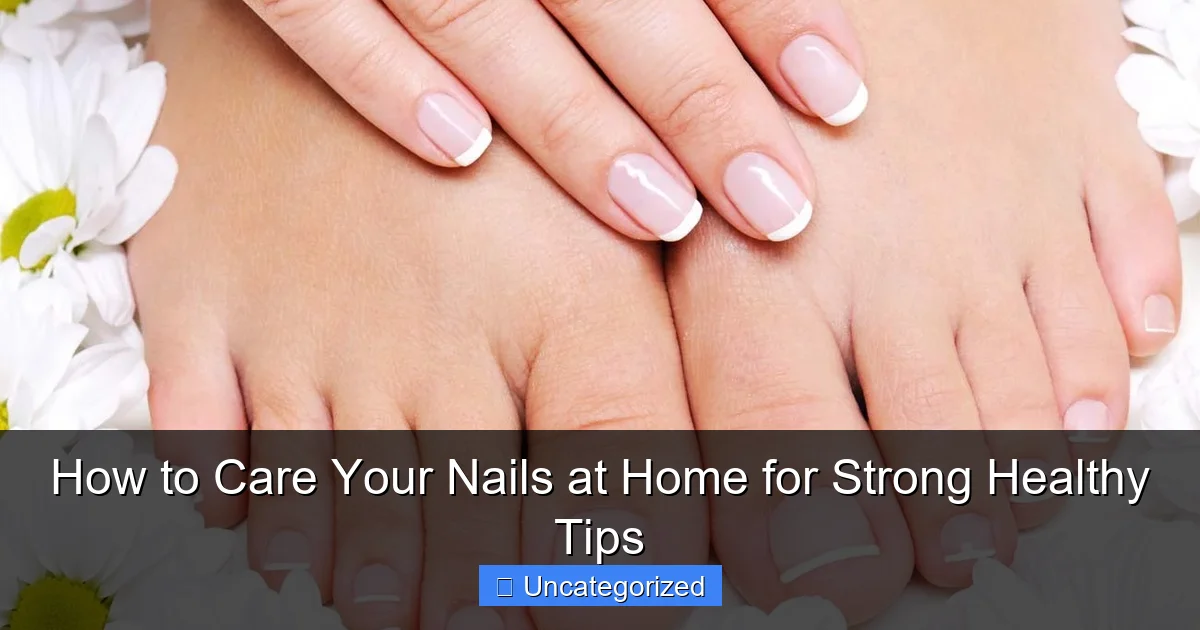
Featured image for how to care your nails at home
Image source: 1.bp.blogspot.com
Keep your nails strong and healthy at home by maintaining a consistent care routine that includes regular moisturizing, proper trimming, and protection from harsh chemicals. Use nourishing oils, wear gloves during chores, and avoid nail-biting or overuse of gel polishes to prevent damage. A balanced diet rich in biotin and hydration further supports resilient, natural nail growth between salon visits.
Key Takeaways
- Moisturize daily: Apply cuticle oil or hand cream to keep nails hydrated and prevent brittleness.
- Trim regularly: Cut nails straight across and file edges to avoid snags and breakage.
- Use gentle products: Avoid harsh chemicals; choose acetone-free polish removers and non-toxic polishes.
- Wear gloves: Protect nails from water and detergents during chores to reduce damage.
- Eat nail-friendly foods: Boost strength with protein, biotin, and vitamins from a balanced diet.
- Limit polish wear: Give nails a break between manicures to prevent discoloration and weakening.
📑 Table of Contents
- Why Nail Care Matters More Than You Think
- Understanding Nail Anatomy and Common Problems
- Daily and Weekly Nail Care Routine for Home
- Nutrition and Hydration: The Foundation of Nail Health
- Natural Remedies and DIY Treatments for Nails
- Preventing Damage and Maintaining Long-Term Nail Health
- Nail Care Data: What the Research Says
- Conclusion: Your Path to Strong, Healthy Nails
Why Nail Care Matters More Than You Think
When we think about self-care routines, skincare and haircare often steal the spotlight. Yet, one of the most visible yet overlooked aspects of personal grooming is nail care. Your nails are more than just a canvas for polish — they’re indicators of your overall health, hygiene, and attention to detail. Brittle, peeling, or discolored nails can signal nutritional deficiencies, dehydration, or even underlying medical conditions like thyroid imbalances or fungal infections. On the other hand, strong, smooth, and well-maintained nails reflect a balanced lifestyle and a commitment to holistic wellness.
With the rise of at-home wellness and the growing preference for DIY beauty treatments, learning how to care for your nails at home has never been more relevant. Gone are the days when you needed a weekly salon visit to achieve healthy, beautiful nails. With the right knowledge, tools, and consistency, you can transform your nail health from the comfort of your living room. Whether you’re dealing with weak nails, hangnails, or just want to maintain a polished look between manicures, this guide will walk you through how to care for your nails at home with practical, science-backed tips and routines that deliver real results. From hydration and nutrition to cuticle care and nail strengthening, we’ve got you covered — literally and figuratively.
Understanding Nail Anatomy and Common Problems
The Structure of a Healthy Nail
Before diving into care routines, it’s essential to understand what you’re working with. Your fingernails and toenails are made of a protein called keratin, the same substance found in hair and skin. Each nail consists of several key parts:
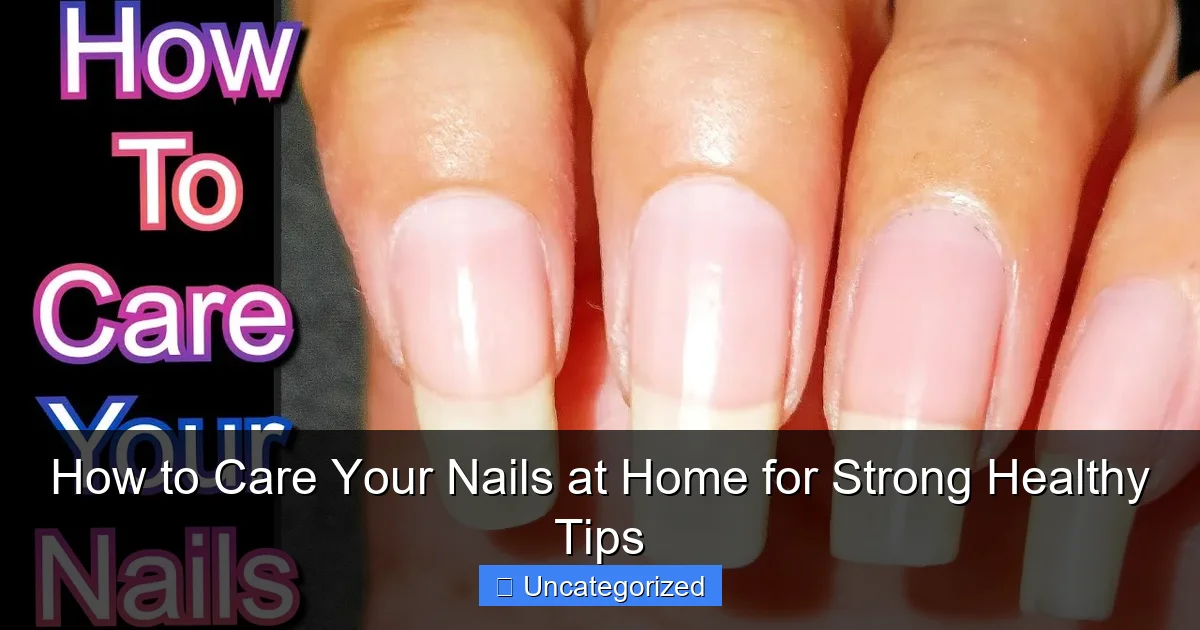
Visual guide about how to care your nails at home
Image source: i.ytimg.com
- Nail plate – The hard, visible part of the nail that grows from the nail bed.
- Nail bed – The skin beneath the nail plate, rich in blood vessels and nerves.
- Cuticle – A thin layer of tissue at the base that protects the new nail as it grows.
- Lunula – The crescent-shaped white area at the base, part of the nail matrix (where nail growth begins).
- Free edge – The part of the nail that extends beyond the fingertip.
Understanding these components helps you identify early signs of trouble. For instance, a detached nail bed may indicate trauma or psoriasis, while a dark streak could signal melanoma. Regular observation is a crucial part of at-home nail care.
Common Nail Issues and Their Causes
Many people struggle with nail problems that seem mysterious but often have identifiable causes. Here are the most frequent issues and what’s behind them:
- Brittle nails – Caused by frequent exposure to water, harsh detergents, or low humidity. Also linked to iron deficiency and aging.
- Peeling nails – Often due to repeated wet-dry cycles (e.g., handwashing, dishwashing), vitamin B7 (biotin) deficiency, or overuse of nail polish removers.
- Hangnails – Result from dry cuticles, nail biting, or trauma. Can lead to painful infections if not treated.
- Yellow nails – Can be caused by fungal infections, smoking, or excessive use of dark nail polishes without a base coat.
- White spots (leukonychia) – Usually due to minor trauma (like bumping your nail) or zinc deficiency, though they’re rarely a sign of serious illness.
By identifying the root cause, you can tailor your at-home care routine to address the specific issue. For example, if your nails peel after doing dishes, wearing gloves and applying a moisturizing treatment afterward can make a significant difference.
When to Seek Professional Help
While most nail concerns can be managed at home, some require medical attention. Consult a dermatologist or healthcare provider if you notice:
- Persistent discoloration (especially dark streaks or black lines)
- Thickened, crumbly nails (possible fungal infection)
- Swelling, redness, or pus around the nail (signs of infection)
- Pitting or ridges that worsen over time (possible psoriasis or alopecia areata)
Early intervention can prevent complications and ensure proper diagnosis. Remember, how to care for your nails at home includes knowing when to step beyond DIY solutions.
Daily and Weekly Nail Care Routine for Home
Daily Habits for Stronger Nails
Consistency is key in nail care. Small daily habits can prevent major issues and keep your nails in top condition. Here’s a simple daily routine:
- Moisturize hands and nails – Apply hand cream or cuticle oil at least twice a day, especially after washing hands. Look for ingredients like shea butter, jojoba oil, or hyaluronic acid.
- Wear gloves during chores – Protect your nails from water, bleach, and detergents by wearing rubber or nitrile gloves when cleaning, gardening, or doing dishes.
- Avoid using nails as tools – Don’t use your nails to open cans, peel stickers, or scratch surfaces. This causes microtrauma and leads to splitting or breaking.
- Stay hydrated – Drink at least 8 glasses of water daily. Dehydration makes nails brittle and more prone to breakage.
- Trim and file regularly – Use a glass or crystal nail file to shape your nails gently. File in one direction to prevent splitting.
For example, if you work in healthcare and wash your hands frequently, applying a rich hand cream at night with cotton gloves can help lock in moisture and repair dry cuticles overnight.
Weekly Deep-Care Routine
Once a week, dedicate 20–30 minutes to a more intensive nail care session. This is your time to exfoliate, nourish, and strengthen. Follow these steps:
- Soak nails in warm oil – Mix 2 tablespoons of olive oil or coconut oil with 1 tablespoon of honey. Soak nails for 10–15 minutes to soften cuticles and hydrate the nail bed.
- Push back cuticles – Use a wooden cuticle pusher (never metal) to gently push back loose cuticle skin. Do not cut them unless absolutely necessary — cutting increases infection risk.
- Exfoliate hands – Use a homemade scrub: mix 1 tbsp sugar, 1 tbsp olive oil, and a few drops of lemon juice. Gently massage for 2 minutes, then rinse.
- Apply a nail strengthener – Choose a product with keratin, calcium, or silk proteins. Apply two thin coats and let dry completely.
- Moisturize with a thick cream – Use a hand mask or a heavy-duty moisturizer and wear cotton gloves for 20 minutes to enhance absorption.
For added benefits, try a DIY nail soak: mix warm water, 1 tbsp apple cider vinegar, and 1 tsp tea tree oil. Soak for 10 minutes weekly to combat fungal growth and strengthen nails naturally.
Best Tools and Products for Home Use
Invest in quality tools to make your routine more effective and safe:
- Glass or crystal nail files – Less damaging than emery boards.
- Cuticle nippers (use sparingly) – Only for trimming loose, dead skin — never cut live tissue.
- Wooden cuticle pusher – Gentle and effective for pushing back cuticles.
- Nail buffer block – Use to smooth ridges and add shine (but don’t overuse — it can thin nails).
- LED/UV lamp (optional) – Useful if you use gel polishes at home.
Choose products labeled “3-free” or “5-free” (free from formaldehyde, toluene, DBP, camphor, and formaldehyde resin) to reduce exposure to harmful chemicals. Brands like OPI, Essie, and Zoya offer safer options.
Nutrition and Hydration: The Foundation of Nail Health
Essential Nutrients for Strong Nails
You are what you eat — and your nails are no exception. Nutrition plays a critical role in nail growth, strength, and appearance. Here are the top nutrients your nails need:
- Biotin (Vitamin B7) – Supports keratin infrastructure. Found in eggs, almonds, sweet potatoes, and salmon. Studies show 2.5 mg/day can reduce brittleness in 6 weeks.
- Iron – Prevents koilonychia (spoon-shaped nails). Sources: spinach, lentils, red meat, and fortified cereals.
- Zinc – Promotes cell regeneration. Oysters, pumpkin seeds, and chickpeas are rich sources.
- Vitamin C – Aids collagen production, which strengthens the nail matrix. Citrus fruits, bell peppers, and broccoli are excellent.
- Omega-3 Fatty Acids – Reduce inflammation and improve nail flexibility. Found in flaxseeds, chia seeds, and fatty fish like salmon.
- Protein – Nails are 80% keratin, a protein. Include lean meats, legumes, and Greek yogurt in your diet.
For example, a breakfast of scrambled eggs with spinach, a side of avocado, and an orange provides a powerhouse of nail-supporting nutrients.
Hydration and Its Impact on Nails
Hydration isn’t just about drinking water — it’s about maintaining moisture balance in your skin and nails. Dehydrated nails become brittle, dry, and prone to splitting. Tips to stay hydrated:
- Drink water consistently throughout the day. Set hourly reminders if needed.
- Use a humidifier in dry climates or during winter months.
- Apply moisturizers immediately after showering or washing hands — this locks in moisture.
- Avoid hot showers, which strip natural oils from skin and nails.
Consider a hydration tracking app to monitor daily water intake. Aim for 2–3 liters, adjusting for activity level and climate.
Supplements: Do They Work?
While a balanced diet should be your primary source of nutrients, supplements can help fill gaps. Research shows:
- Biotin supplements (2.5–5 mg/day) improve nail thickness and reduce splitting in 3–6 months (Journal of Cosmetic Dermatology, 2017).
- Collagen peptides (2.5–5 g/day) may increase nail growth and reduce brittleness.
- Multivitamins with iron and zinc benefit those with deficiencies.
However, always consult a healthcare provider before starting supplements. Excess biotin, for example, can interfere with lab tests.
Natural Remedies and DIY Treatments for Nails
DIY Nail Soaks and Masks
Natural ingredients can deliver powerful benefits without harsh chemicals. Try these easy recipes:
- Olive oil and lemon soak – Mix 3 tbsp olive oil, 1 tbsp lemon juice. Soak for 10 minutes to brighten yellow nails and moisturize.
- Green tea soak – Brew 2 green tea bags in 1 cup hot water, cool, then soak nails for 15 minutes. Green tea’s antioxidants strengthen nails and reduce inflammation.
- Honey and yogurt mask – Mix 1 tbsp raw honey, 1 tbsp plain yogurt. Apply to nails and cuticles, leave for 15 minutes, then rinse. Honey is a natural humectant; yogurt contains lactic acid for gentle exfoliation.
- Coconut oil and rosemary oil treatment – Melt 1 tbsp coconut oil, add 2 drops rosemary essential oil. Massage into nails and cuticles nightly. Rosemary boosts circulation and may stimulate growth.
Use these treatments 1–2 times per week for best results.
Essential Oils for Nail Health
Essential oils offer antimicrobial, anti-inflammatory, and growth-stimulating properties. Use with caution — always dilute in a carrier oil (like jojoba or almond oil) before applying:
- Tea tree oil – Fights fungal infections. Add 2 drops to 1 tbsp carrier oil, apply weekly.
- Lavender oil – Soothes irritated cuticles and promotes healing.
- Peppermint oil – Increases blood flow, which may speed nail growth. Use sparingly — it’s potent.
Never apply essential oils undiluted — they can cause burns or allergic reactions.
Natural Strengtheners and Polishes
Skip the chemical-laden polishes and try these natural alternatives:
- Apple cider vinegar base coat – Mix 1 part ACV with 2 parts water. Apply before polish to prevent staining and strengthen.
- Beeswax cuticle balm – Melt 1 tbsp beeswax, 2 tbsp shea butter, 1 tbsp jojoba oil. Pour into a tin and use as a nourishing balm.
- Almond oil nail serum – Apply pure almond oil with a dropper for deep hydration.
These remedies are gentle, effective, and perfect for sensitive skin.
Preventing Damage and Maintaining Long-Term Nail Health
Safe Nail Polish and Removal Practices
Even with at-home care, many of us use nail polish. Follow these tips to minimize damage:
- Always use a base coat – Prevents staining and acts as a barrier.
- Choose breathable polishes – “Breathable” or “oxygen-permeable” polishes (e.g., Zoya, Sally Hansen) allow hydration to reach the nail.
- Limit wear time – Don’t leave polish on for more than 7–10 days. Over time, it weakens the nail.
- Use acetone-free removers – Acetone dries out nails. Opt for soy- or glycerin-based removers (e.g., Ella+Mila, Cutex).
- Take polish breaks – Go bare for at least 2 days between manicures to let nails “breathe” and recover.
For example, if you apply red polish every weekend, try a nude shade with a strengthening base coat during the week.
Protecting Nails from Environmental Stress
Sun, cold, and pollution can damage nails just like skin. Protect them with:
- Sunscreen on hands – Apply SPF 30+ to hands and cuticles before going outside.
- Warm gloves in winter – Cold air dries out nails and cuticles.
- Antioxidant serums – Use hand serums with vitamin C or niacinamide to combat pollution.
Think of your hands as an extension of your face — they need the same protection.
Long-Term Habits for Lasting Results
Healthy nails don’t happen overnight. Build these habits for long-term success:
- Trim nails every 7–10 days – Prevents snags and breakage.
- File in one direction – Reduces splitting.
- Keep a nail journal – Track growth, changes, and reactions to products.
- Massage cuticles daily – Stimulates blood flow and promotes growth.
Consistency over time is the secret to how to care for your nails at home effectively.
Nail Care Data: What the Research Says
| Factor | Impact on Nails | Recommended Action | Study/Source |
|---|---|---|---|
| Biotin (2.5 mg/day) | Improves nail thickness by 25% in 6 months | Supplement or dietary intake | Journal of Cosmetic Dermatology, 2017 |
| Frequent handwashing | Increases brittleness by 30% | Wear gloves, moisturize after | American Journal of Infection Control, 2020 |
| Omega-3 fatty acids | Reduces nail brittleness by 15% | Eat fish, flaxseeds, or supplement | Nutrients, 2018 |
| Acetone removers | Dries nails by 20% after 10 uses | Switch to acetone-free | International Journal of Trichology, 2016 |
| Hydration (3L water/day) | Improves nail flexibility by 18% | Drink water consistently | Clinical, Cosmetic and Investigational Dermatology, 2015 |
Conclusion: Your Path to Strong, Healthy Nails
Taking care of your nails at home isn’t just about aesthetics — it’s a form of self-respect and preventive health. By understanding your nail anatomy, adopting a consistent routine, nourishing your body from within, and using safe, effective treatments, you can achieve strong, beautiful nails without stepping into a salon. Remember, how to care for your nails at home is a journey, not a one-time fix. Small, sustainable habits add up to dramatic improvements over time.
Start today: moisturize after washing, wear gloves, eat a biotin-rich breakfast, and schedule your weekly nail soak. Track your progress, adjust as needed, and celebrate every milestone — whether it’s a hangnail-free week or a nail that finally grows past the fingertip. With the tips in this guide, you’re equipped to nurture your nails from the inside out. Your hands carry you through life — give them the care they deserve.
Frequently Asked Questions
How can I strengthen my nails at home naturally?
Keep nails hydrated with cuticle oil and moisturizer, and avoid harsh chemicals. A diet rich in biotin (like eggs and nuts) and wearing gloves during chores also helps improve nail strength.
What’s the best way to care your nails at home to prevent breakage?
File nails in one direction with a glass file to prevent splitting, and keep them trimmed short. Use a strengthening base coat and limit exposure to water to maintain flexibility.
How often should I moisturize my nails and cuticles?
Apply cuticle oil or hand cream at least twice daily—morning and night—for optimal hydration. Consistency is key to preventing dryness and hangnails.
Can I grow longer nails without them peeling or chipping?
Yes! Maintain a balanced diet, use a nail hardener, and avoid using nails as tools. Gentle filing and protective polish can help preserve length while reducing damage.
How to care your nails at home after removing gel or acrylics?
Buff nails lightly to remove residue, then soak in warm olive oil to restore moisture. Let nails breathe without polish for 3–5 days to recover.
What home remedies help repair brittle nails?
Try a DIY soak with olive oil and lemon juice (1:1 ratio) for 10 minutes weekly. This boosts hydration and adds shine, while vitamin E oil can further nourish weak nails.