
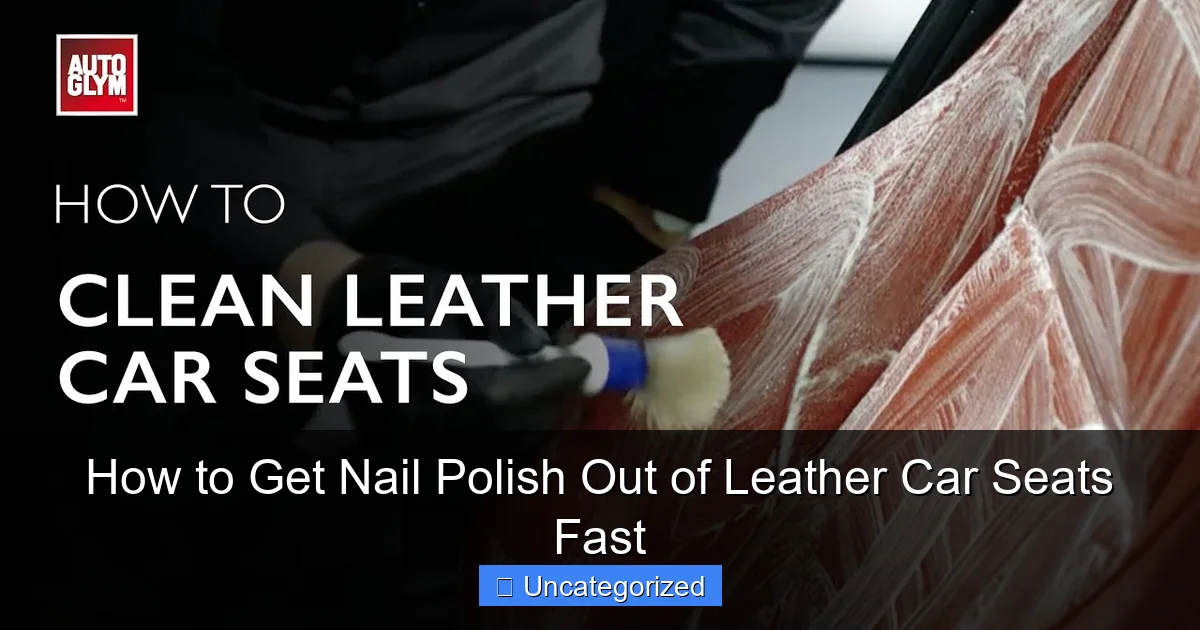
Featured image for how to get nail polish out of leather car seats
Image source: i.ytimg.com
Act quickly and blot the stain immediately with a clean, dry cloth to prevent the nail polish from setting into the leather. Use a leather-safe nail polish remover or a mixture of mild soap and water to gently lift the stain—avoid harsh chemicals that can damage the finish. Always test any solution on a hidden area first and follow up with a leather conditioner to restore moisture and protect the seat.
Key Takeaways
- Act fast: Blot fresh spills immediately with a clean, dry cloth.
- Use isopropyl alcohol: Apply sparingly with a cotton swab to dissolve polish.
- Test first: Always patch-test cleaning solutions on a hidden area.
- Avoid scrubbing: Gently dab to prevent spreading or damaging leather.
- Condition after: Apply leather conditioner to restore moisture post-cleaning.
- Skip acetone: It can strip leather’s protective coating and cause discoloration.
📑 Table of Contents
How to Get Nail Polish Out of Leather Car Seats Fast
Few things are more frustrating than accidentally spilling nail polish on your leather car seats. That vibrant streak of red, pink, or glittery polish seems to mock you as it seeps into the delicate surface, threatening to leave a permanent stain. Whether you’re a nail art enthusiast who got a little too enthusiastic with your manicure or someone who simply knocked over a bottle during a quick touch-up, the panic sets in fast. Leather car seats are a luxury feature in many vehicles, and their care requires precision and caution. The last thing you want is to damage the material further while trying to fix the problem. But don’t despair—there’s hope. With the right approach, you can remove nail polish from leather car seats effectively and restore your vehicle’s interior to its former glory.
Leather is a natural material that’s both durable and sensitive. It responds well to proper care but can be easily marred by harsh chemicals, excessive moisture, or abrasive scrubbing. The key to removing nail polish lies in acting quickly, using the correct solvents, and understanding the type of leather and finish you’re working with. This guide will walk you through a step-by-step process to eliminate nail polish stains without compromising the integrity of your car’s interior. From identifying the leather type to choosing the safest removal method, we’ll cover everything you need to know to tackle this common but tricky automotive mishap. Whether you’re dealing with fresh polish or a dried-up splatter, you’ll find practical, science-backed solutions to get your leather seats looking spotless again.
Understanding the Type of Leather and Nail Polish
Identify Your Leather Type
Before attempting any stain removal, it’s crucial to determine what kind of leather your car seats are made from. Most modern vehicles use one of two types: aniline leather or semi-aniline/protected leather. Aniline leather is dyed with soluble dyes and retains a natural, porous finish, making it more sensitive to moisture and chemicals. Semi-aniline leather has a light protective coating, offering more resistance to stains and wear. Some luxury vehicles may even use pigmented leather, which has a thicker, opaque finish and is the most durable of the three.
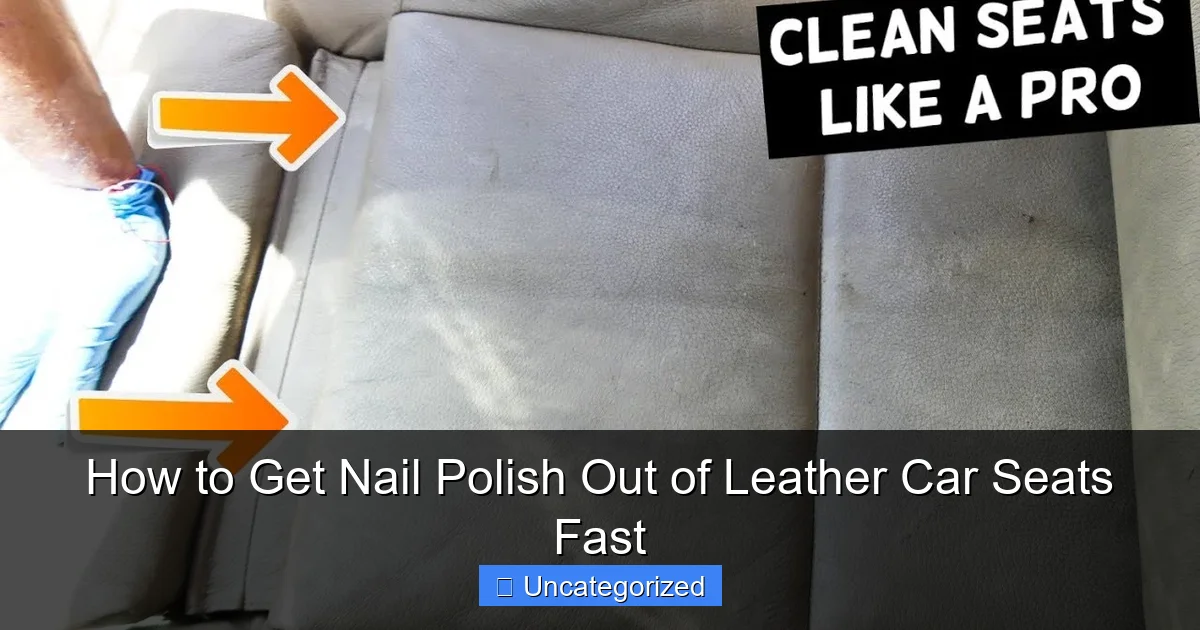
Visual guide about how to get nail polish out of leather car seats
Image source: i.ytimg.com
To identify your leather type, check your vehicle’s manual or contact the manufacturer. Alternatively, perform a simple test: dab a cotton ball with water and press it gently on an inconspicuous area of the seat (like the back or bottom). If the water darkens the leather or soaks in, it’s likely aniline. If it beads up or doesn’t change color, it’s probably semi-aniline or pigmented. This distinction matters because aniline leather requires gentler treatment to avoid discoloration or damage.
Types of Nail Polish and Their Challenges
Nail polish comes in various formulations, each with different removal challenges. Traditional nail polish (solvent-based) is the most common and typically easier to remove with acetone. Gel polish, however, is cured under UV light and forms a hard, plastic-like layer that resists standard removers. Dip powder polish and nail stickers can also leave behind sticky residues or colored particles. The age of the spill matters too: fresh polish is easier to lift, while dried polish may have bonded with the leather’s surface or pores.
For example, imagine you spilled a glittery gel polish during a manicure session in your car. The glitter particles can embed into the leather’s texture, and the gel base may require more than just acetone to dissolve. In contrast, a spilled bottle of regular red polish might be wiped away with a cotton swab and remover if caught within minutes. Understanding these nuances ensures you choose the right tools and avoid worsening the stain.
Why Timing Is Everything
The sooner you address the spill, the better your chances of complete removal. Fresh nail polish is still in a liquid or semi-liquid state, making it easier to dissolve and lift. If you notice the spill immediately, you can often wipe it away with a microfiber cloth and a small amount of isopropyl alcohol before it sets. However, if you’re dealing with a stain that’s been there for hours or days, the polish may have begun to cure or react with the leather’s finish, requiring more intensive treatment.
Pro tip: If you’re on the road and can’t act right away, cover the spill with a clean, dry cloth to prevent it from spreading or drying. Avoid using paper towels, which can leave fibers or scratch the surface. Once you’re home, proceed with the cleaning method based on your leather and polish type.
Essential Tools and Supplies for Safe Removal
Must-Have Cleaning Materials
Having the right tools on hand makes all the difference in safely removing nail polish without damaging your leather. Here’s a checklist of essential supplies:
- Microfiber cloths: Soft, lint-free, and non-abrasive. Use for blotting and wiping.
- Cotton balls or swabs: Ideal for applying solvents precisely to the stain.
- Isopropyl alcohol (70% or higher): A mild solvent that lifts fresh polish without harming most leather types.
- Acetone (nail polish remover): Use sparingly and only on protected leather. Avoid for aniline or untreated leather.
- Leather cleaner: A pH-balanced product designed specifically for automotive leather (e.g., Lexol, Meguiar’s).
- Leather conditioner: To restore moisture after cleaning (e.g., Bick 4, Chemical Guys).
- Vacuum with brush attachment: For removing loose particles before treatment.
- Soft-bristled brush: A toothbrush or detailing brush to gently agitate stubborn stains.
- Plastic wrap or cling film: Useful for gel polish removal (see method below).
Choosing the Right Solvent: A Cautionary Tale
Not all solvents are safe for all leathers. For instance, acetone is a powerful degreaser and can strip natural oils from aniline leather, leading to cracking or discoloration. Semi-aniline and pigmented leathers, however, have a protective coating that can tolerate mild acetone use—but even then, it should be diluted (50% acetone, 50% water) and tested first.
Isopropyl alcohol is a safer alternative for most leather types. It evaporates quickly and is less likely to damage the finish. For gel or dip polish, you may need to use pure acetone, but always apply it with a cotton swab—never pour it directly onto the seat. Example: A user with aniline leather in a BMW tried using pure acetone to remove a gel polish stain. The result? A faded, sticky patch that required professional re-dyeing. Lesson learned: always test solvents on a hidden area first.
DIY vs. Commercial Leather Cleaners
While DIY solutions like vinegar and water or baking soda paste are popular online, they’re not recommended for leather car seats. Vinegar is acidic and can degrade the leather’s finish over time, while baking soda is abrasive and may leave scratches. Instead, opt for commercial leather cleaners formulated for automotive use. These products are pH-balanced and tested for safety.
Top picks include:
- Lexol Leather Cleaner: Gentle, effective, and safe for aniline and semi-aniline leathers.
- Meguiar’s Gold Class Rich Leather Cleaner: Deep-cleaning with a pleasant scent.
- Chemical Guys Leather Cleaner & Conditioner: Two-in-one formula for convenience.
Always follow the manufacturer’s instructions. For example, Lexol recommends applying the cleaner with a damp cloth, not a soaking wet one, to avoid over-wetting the leather.
Step-by-Step Removal Methods for Different Scenarios
Method 1: Fresh Nail Polish on Protected Leather (Semi-Aniline/Pigmented)
This is the easiest scenario. Follow these steps:
- Blot immediately: Use a dry microfiber cloth to absorb as much polish as possible. Do not rub—this can spread the stain.
- Dampen a cotton swab with isopropyl alcohol: Test on a hidden area first. If no discoloration occurs, gently dab the stain. Work from the outside in to prevent spreading.
- Wipe with a clean, damp cloth: Use water to remove any alcohol residue.
- Apply leather cleaner: Follow product instructions to clean the entire seat area, not just the stain.
- Condition the leather: After cleaning, apply a leather conditioner to restore moisture.
Example: A Tesla Model 3 owner spilled pink polish on the driver’s seat. They followed the above steps and had the stain gone in under 10 minutes. The key was acting fast and using a microfiber cloth to avoid abrasion.
Method 2: Dried or Set-In Polish on Protected Leather
For older stains, you may need acetone. Proceed with caution:
- Vacuum the area: Remove loose particles with a brush attachment.
- Dilute acetone (50/50 with water): Mix in a small bowl. Never use pure acetone directly.
- Test on a hidden area: Wait 1–2 minutes to check for discoloration.
- Apply with a cotton swab: Dab the stain gently. For stubborn areas, use a soft brush.
- Wipe with a damp cloth: Remove residue immediately.
- Clean and condition: Use leather cleaner and conditioner as in Method 1.
Tip: If the stain persists, repeat the process—don’t scrub aggressively. Multiple light passes are safer than one harsh attempt.
Method 3: Gel or Dip Powder Polish (UV-Cured)
Gel polish is notoriously difficult to remove. Try this technique:
- Cover the stain with a cotton pad soaked in pure acetone.
- Wrap the area in plastic wrap: This keeps the acetone in contact and prevents evaporation.
- Wait 10–15 minutes: The gel will soften.
- Scrape gently with a plastic card or fingernail: Lift the softened polish.
- Wipe with isopropyl alcohol: Remove any residue.
- Clean and condition: As above.
Note: This method works best on protected leather. For aniline leather, skip acetone and use only isopropyl alcohol with plastic wrap. It may take longer but is safer.
Method 4: Aniline Leather (Most Sensitive)
Aniline leather requires extreme caution. Avoid acetone entirely. Use:
- Isopropyl alcohol (70%): Apply with a cotton swab. Test first.
- Blot, don’t rub: Use a microfiber cloth to lift the stain.
- Leather cleaner only: Use a product labeled safe for aniline leather.
- Condition immediately: Aniline leather dries out easily.
Example: A Rolls-Royce owner with aniline leather used a cotton swab with alcohol and removed a small red stain. They followed up with a leather conditioner, and the seat looked flawless.
Common Mistakes to Avoid and Damage Prevention
Don’t Use Harsh Household Cleaners
Many people reach for dish soap, ammonia, or bleach when faced with a stain. These are terrible choices for leather. Dish soap is too alkaline and can dry out the material. Ammonia and bleach are corrosive and will strip color and finish. Stick to products designed for leather or automotive use.
Avoid Excessive Moisture
Leather is porous. Soaking it with water or solvents can lead to warping, mold, or mildew. Always use a damp—not wet—cloth. If water gets into the seat’s padding, it can take days to dry and create odor problems. Pro tip: After cleaning, park your car in a sunny spot with windows cracked to speed up drying.
Don’t Scrub or Use Abrasive Tools
Scrubbing with a rough cloth, steel wool, or even a fingernail can scratch the leather’s surface. This creates micro-tears that trap dirt and make future stains harder to remove. Use soft brushes or cotton swabs for agitation, and apply gentle pressure.
Skipping the Test Patch
Never assume a solvent is safe without testing. A small, hidden area (like the back of the seat) is perfect for this. Apply the solvent, wait 1–2 minutes, and check for discoloration, stickiness, or texture changes. If you see any issues, try a milder solution.
Ignoring Conditioning
Cleaning removes natural oils from leather. Skipping conditioner leads to dry, brittle material that cracks over time. Always condition after cleaning—even if the stain is gone. This maintains the leather’s suppleness and longevity.
Aftercare and Preventing Future Stains
Regular Leather Maintenance
Prevention is better than cure. Follow a simple maintenance routine:
- Clean monthly: Use a leather cleaner to remove dirt and oils.
- Condition every 3–6 months: Depends on climate and usage.
- Vacuum weekly: Remove dust and debris with a soft brush.
- Use a leather protectant: Products like 303 Aerospace Protectant create a barrier against spills.
Example: A Lexus owner conditioned their seats every 4 months and avoided stains for years. The leather remained soft and vibrant.
Smart Habits to Prevent Spills
Reduce the risk of future accidents:
- Do manicures at home: Avoid doing nails in the car.
- Store nail polish in a sealed container: Use a makeup bag or hard case.
- Keep a microfiber cloth and leather cleaner in the car: For quick cleanup of spills.
- Use seat covers: Especially if you frequently transport messy items.
When to Call a Professional
If the stain persists after multiple attempts, or if you’ve accidentally damaged the leather (e.g., discoloration, cracking), it’s time to call an auto detailer or leather specialist. They have professional-grade tools and dyes to repair and restore your seats. Cost varies, but it’s often cheaper than replacing a damaged seat cover.
Data Table: Leather Care Product Comparison
| Product | Best For | Safe for Aniline? | Price Range | Key Benefit |
|---|---|---|---|---|
| Lexol Leather Cleaner | Aniline, semi-aniline | Yes | $10–$15 | Gentle, non-toxic |
| Meguiar’s Gold Class | Semi-aniline, pigmented | No | $12–$18 | Deep-cleaning power |
| Chemical Guys | All types | Yes (with caution) | $15–$20 | Cleaner + conditioner combo |
| 303 Protectant | Prevention | Yes | $10–$14 | UV and water resistance |
Removing nail polish from leather car seats is a delicate but achievable task. By understanding your leather type, using the right tools, and following safe methods, you can restore your seats without costly repairs. Remember: speed, patience, and proper aftercare are your best allies. With these tips, you’ll keep your car’s interior looking luxurious—stain-free and ready for the road.
Frequently Asked Questions
How to get nail polish out of leather car seats without damaging the material?
Use a cotton swab dipped in non-acetone nail polish remover to gently dab the stain, then wipe with a damp cloth. Avoid scrubbing to prevent leather discoloration or cracking.
What’s the fastest way to remove fresh nail polish from leather car seats?
Act quickly—blot the spill with a clean cloth to absorb excess polish, then apply a small amount of isopropyl alcohol with a cotton pad. Wipe gently and condition the leather afterward.
Can I use acetone to remove nail polish from leather car seats?
Acetone can damage leather’s finish, so it’s best to avoid it. Opt for non-acetone removers or leather-safe cleaners to safely lift the nail polish from leather car seats.
How do I remove dried nail polish from my leather car seats?
Soak a cotton ball in non-acetone remover, place it on the stain for 30 seconds to soften the polish, then gently wipe it away. Follow with a leather conditioner to restore moisture.
Are there household products that work to get nail polish out of leather?
Yes! Try rubbing alcohol, hand sanitizer, or a mix of baking soda and water to break down the stain. Always test on a hidden area first to ensure safety.
How can I prevent stains when removing nail polish near leather car seats?
Cover nearby leather with a microfiber cloth during polish removal. Work slowly and use minimal product to avoid spreading the nail polish on leather car seats further.