

Featured image for how to properly take care of your nails
Image source: i.ytimg.com
Keep your nails clean, dry, and well-moisturized to prevent breakage and promote strong, healthy growth. Trim them regularly with sharp tools and file in one direction to avoid splitting, while using a nourishing base coat and avoiding harsh chemicals to protect their natural integrity.
Key Takeaways
- Keep nails clean and dry: Prevents bacterial growth and strengthens nail beds.
- Moisturize nails and cuticles: Apply oil or cream daily to avoid brittleness.
- Trim nails regularly: Use sharp clippers and file edges to prevent snags.
- Avoid harsh chemicals: Wear gloves when cleaning to protect nail integrity.
- Maintain a balanced diet: Eat protein, biotin, and vitamins for stronger growth.
- Limit artificial nails: Reduce use to prevent long-term nail damage.
📑 Table of Contents
- How to Properly Take Care of Your Nails for Healthy Growth
- Understanding the Anatomy and Growth of Nails
- Daily and Weekly Nail Care Routine
- Nutrition and Supplements for Stronger Nails
- Protecting Nails from Damage and Stress
- Professional Care and When to See a Dermatologist
- Data Table: Nail Growth and Care Comparison
- Conclusion
How to Properly Take Care of Your Nails for Healthy Growth
Your nails are more than just a canvas for colorful polish—they’re a reflection of your overall health and hygiene. Strong, well-groomed nails not only enhance your appearance but also serve as a protective barrier for your fingertips and toes. However, many people overlook the importance of proper nail care, leading to brittle, weak, or discolored nails that grow slowly or break easily. Whether you’re struggling with peeling, splitting, or just want to boost your nail strength and growth, understanding the fundamentals of nail health is essential.
Nail care isn’t just about aesthetics; it’s a vital part of self-care. From the nutrients you consume to your daily habits, everything from hydration to how you trim your nails plays a role in their condition. In this comprehensive guide, we’ll walk you through the science-backed, practical steps to properly take care of your nails for healthy growth. You’ll learn how to nourish them from the inside out, avoid common mistakes, and establish a sustainable routine that keeps your nails strong, resilient, and beautiful. Whether you’re a nail art enthusiast or prefer a natural look, these tips will help you achieve long-term nail wellness.
Understanding the Anatomy and Growth of Nails
The Structure of a Nail
To properly care for your nails, it’s important to understand their anatomy. Each nail consists of several parts: the nail plate (the visible hard part), the nail bed (the skin beneath the nail), the matrix (the root where new nail cells form), the cuticle (the protective layer at the base), and the lunula (the crescent-shaped white area at the base of the nail).
Visual guide about how to properly take care of your nails
Image source: i.pinimg.com
The nail plate is made of keratin, a tough protein that also forms hair and skin. As new cells grow in the matrix, older cells are pushed forward, forming the nail’s hard surface. This growth process is continuous but varies in speed—fingernails grow about 3 millimeters per month, while toenails grow much slower at about 1 millimeter per month. The rate can be influenced by age, health, nutrition, and even the seasons (nails often grow faster in summer).
Factors That Influence Nail Growth
Several internal and external factors affect how your nails grow. Genetics play a major role—some people naturally have thicker, faster-growing nails. Age also matters; as we get older, nail growth slows, and nails may become more brittle. Hormonal changes, such as those during pregnancy, can temporarily boost growth, while conditions like thyroid disorders can cause ridges, brittleness, or discoloration.
- Nutrition: Deficiencies in protein, biotin, iron, zinc, or vitamins A, C, and D can lead to weak or slow-growing nails.
- Hydration: Dehydrated nails are more prone to splitting and peeling.
- Environmental exposure: Frequent hand washing, use of harsh chemicals, or prolonged water exposure can weaken nails.
- Medical conditions: Psoriasis, fungal infections, or anemia can manifest in nail changes.
Understanding these factors helps you tailor your nail care routine to your individual needs. For example, if you notice horizontal ridges (Beau’s lines), it could indicate a past illness or injury. Vertical ridges are often age-related and usually harmless.
Daily and Weekly Nail Care Routine
Cleaning and Sanitizing
Cleanliness is the foundation of healthy nails. Bacteria and fungi thrive in warm, moist environments, so keeping your nails clean and dry is essential. Wash your hands regularly with mild soap and warm water, especially after using public transportation, handling food, or touching shared surfaces. Avoid antibacterial soaps with harsh chemicals like triclosan, which can dry out the skin and nails.
After washing, thoroughly dry your nails and the skin around them. Pay special attention to the spaces under the nails and between fingers. Dampness encourages fungal growth and can lead to infections. Use a soft towel or a clean cotton swab to remove moisture from under the nail edges.
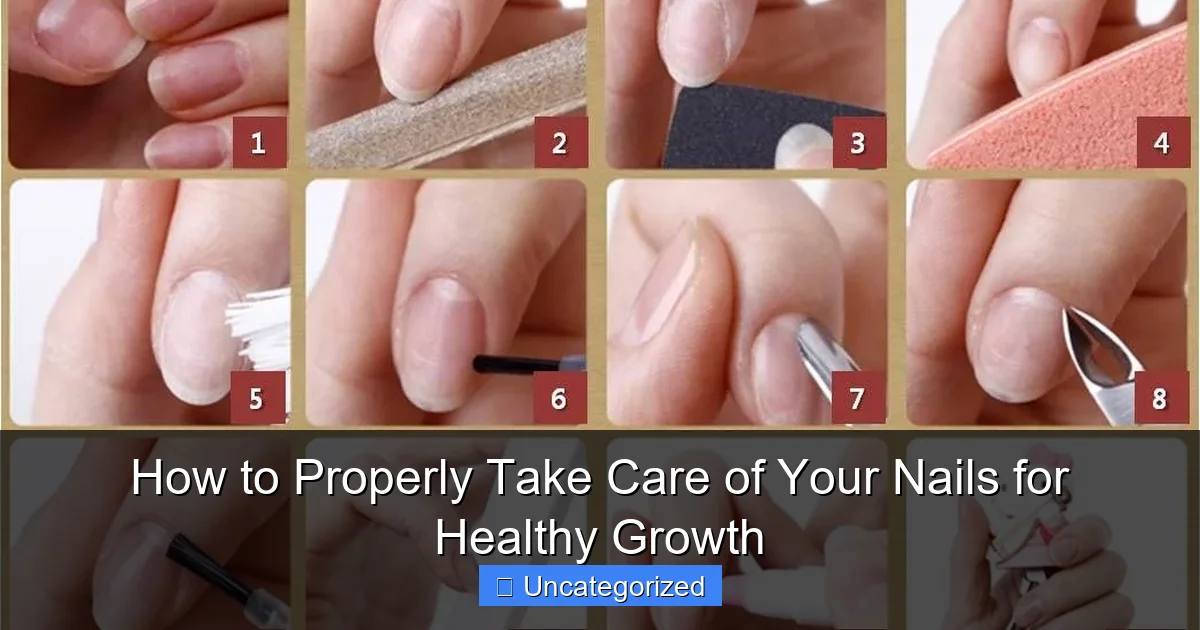
For deeper cleaning, use a soft-bristled nail brush once a week. Gently scrub under the nails with soap and water to remove dirt and debris. Avoid metal tools, which can scratch the nail surface and create entry points for bacteria.
Moisturizing and Cuticle Care
Moisturizing is just as important for nails as it is for your skin. Dry, cracked cuticles can lead to hangnails and infections, while dehydrated nails are more likely to split or peel. Apply a rich hand cream or cuticle oil at least twice a day—ideally after washing your hands or before bed.
Look for products containing:
- Shea butter: deeply moisturizing and anti-inflammatory
- Jojoba oil: mimics natural skin oils, easily absorbed
- Vitamin E: antioxidant that supports nail strength
- Glycerin: humectant that draws moisture into the nail
For cuticle care, gently push back the cuticle once a week using a wooden cuticle pusher after a shower or bath when the skin is soft. Never cut your cuticles—this can cause infections and damage the nail matrix. Instead, apply cuticle oil and massage it in to soften and hydrate the area.
Trimming and Shaping
Regular trimming prevents snags, splits, and breakage. Use sharp, clean nail clippers or scissors designed for nails—never use dull or rusty tools. Trim your fingernails every 1–2 weeks and toenails every 4–6 weeks.
When shaping:
- Trim straight across for fingernails to prevent ingrown nails
- Round the corners slightly to avoid sharp edges
- For toenails, follow the natural curve of the toe to reduce pressure on the nail bed
After trimming, use a glass or crystal nail file to smooth the edges. Avoid emery boards with metal cores, which can cause micro-tears. File in one direction (from edge to center) to prevent splitting.
Nutrition and Supplements for Stronger Nails
Key Nutrients for Nail Health
Nails are made of protein, so a diet rich in high-quality protein is essential. Lean meats, eggs, fish, legumes, and dairy provide the amino acids needed for keratin production. Without adequate protein, nails may become thin, weak, or develop horizontal ridges.
Other vital nutrients include:
- Biotin (B7): Supports keratin infrastructure. Found in eggs, nuts, and sweet potatoes. A 2017 study in the Journal of Clinical and Aesthetic Dermatology found that 2.5 mg of biotin daily improved nail thickness by 25% in 6 months.
- Iron: Prevents spoon-shaped nails (koilonychia). Sources: spinach, red meat, lentils.
- Zinc: Promotes cell growth and repair. Found in oysters, pumpkin seeds, and chickpeas.
- Vitamin C: Aids collagen production and iron absorption. Citrus, bell peppers, broccoli.
- Omega-3 fatty acids: Reduce inflammation and moisturize nails. Salmon, flaxseeds, walnuts.
- Vitamin D: Supports keratinocyte differentiation. Sunlight, fortified foods, fatty fish.
Hydration and Nail Strength
Water is crucial for nail health. Dehydration causes brittle nails that snap easily. Aim to drink at least 8 cups (64 oz) of water daily, more if you’re active or live in a dry climate. Monitor your urine color—pale yellow indicates proper hydration.
You can also hydrate nails externally. Apply a nail hardener or hydrating serum containing urea, hyaluronic acid, or panthenol. These ingredients attract and retain moisture, improving flexibility and reducing breakage.
When to Consider Supplements
If your diet lacks key nutrients, supplements can help. However, consult a healthcare provider before starting any regimen. Common options include:
- Biotin (2.5–5 mg/day): Effective for weak, splitting nails. May take 3–6 months to see results.
- Multivitamins with B-complex, zinc, and iron: Address multiple deficiencies.
- Omega-3 capsules (1,000–2,000 mg EPA/DHA daily): Improve nail shine and strength.
Note: Excess biotin can interfere with lab tests (e.g., thyroid, vitamin D), so inform your doctor if you’re supplementing.
Protecting Nails from Damage and Stress
Wear Gloves for Protection
Your hands are exposed to harsh elements daily. Always wear gloves when:
- Washing dishes or cleaning (hot water and detergents strip natural oils)
- Gardening (dirt and chemicals can embed under nails)
- Using solvents, paints, or adhesives (toxic to nail cells)
- Working in cold, dry environments (increases brittleness)
Choose cotton-lined rubber gloves for wet tasks and thick work gloves for manual labor. Keep a pair in your car, kitchen, and toolbox for easy access.
Limit Exposure to Water and Chemicals
Prolonged water exposure softens nails, making them prone to splitting. Wear gloves when doing dishes, and avoid soaking your hands in water for more than 10–15 minutes. After swimming, rinse your nails to remove chlorine, which can dry and discolor them.
Harsh nail products like acetone-based removers, formaldehyde, and toluene damage nails. Opt for acetone-free removers and 3-free or 5-free polishes (free of harmful chemicals). Apply a base coat before polish to create a protective barrier.
Break Bad Nail Habits
Many people unknowingly damage their nails through repetitive behaviors:
- Nail biting: Introduces bacteria, damages the cuticle, and weakens the nail.
- Using nails as tools: Opening cans, peeling labels, or scratching surfaces causes chips and splits.
- Overfiling: Filing too often or too aggressively thins the nail plate.
- Artificial nails: Acrylics, gels, and press-ons can lift the natural nail, leading to fungal infections and thinning.
To stop nail biting, try bitter-tasting nail polish, stress-relief techniques, or fidget tools. Replace nail-as-tool habits with proper tools (e.g., scissors, keys).
Professional Care and When to See a Dermatologist
Benefits of Professional Manicures and Pedicures
Professional treatments can enhance nail health when done correctly. A skilled technician will:
- Clean, shape, and buff nails without overfiling
- Apply nourishing treatments (e.g., paraffin wax, cuticle oil)
- Identify early signs of infection or damage
However, choose salons carefully. Ensure tools are sterilized (autoclave or hospital-grade disinfectant), and avoid “dip” or “no-light” acrylics, which can trap bacteria. If you have sensitive skin or a history of infections, bring your own tools.
Limit professional manicures to once every 3–4 weeks to avoid weakening natural nails. Between appointments, maintain care at home.
Recognizing Nail Problems
Some nail issues require medical attention. See a dermatologist if you notice:
- Discoloration: Yellow (fungal), green (bacterial), black (trauma or melanoma)
- Ridges or pits: Deep vertical lines may indicate psoriasis or anemia
- Swelling, redness, or pain: Signs of infection (paronychia)
- Thinning, crumbling nails: Possible fungal infection (onychomycosis)
- Clubbing: Enlarged fingertips with curved nails (can signal lung/heart disease)
Early diagnosis improves treatment outcomes. For fungal infections, topical or oral antifungals may be prescribed. For nutritional deficiencies, supplements and dietary changes are key.
Home Remedies vs. Medical Treatments
While home care can resolve minor issues, don’t self-treat persistent problems. For example:
- Tea tree oil may help mild fungal infections but won’t cure severe cases.
- Apple cider vinegar soaks can soften cuticles but won’t fix a bacterial infection.
Always consult a professional for accurate diagnosis and treatment. Over-the-counter products can worsen some conditions if misused.
Data Table: Nail Growth and Care Comparison
| Factor | Fingernails | Toenails | Care Tips |
|---|---|---|---|
| Average Growth Rate | 3 mm/month | 1 mm/month | Fingernails grow faster due to better blood circulation. |
| Time to Regrow Completely | 6–9 months | 12–18 months | Toenails take longer; be patient with recovery after injury. |
| Common Issues | Biting, breakage, dryness | Ingrown nails, fungal infections, thickening | Trim toenails straight across; wear breathable footwear. |
| Moisturizing Needs | High (frequent exposure) | Moderate (less exposure) | Apply hand cream daily; use foot cream with urea for toenails. |
| Protection | Gloves for cleaning, typing | Well-fitted shoes, toe guards | Prevent trauma from tight shoes or repetitive pressure. |
Conclusion
Proper nail care is a holistic practice that combines hygiene, nutrition, protection, and awareness. By understanding your nail’s anatomy and growth cycle, you can tailor your routine to prevent common issues like brittleness, splitting, and infections. A consistent daily regimen—cleaning, moisturizing, and protecting—paired with a nutrient-rich diet lays the foundation for strong, healthy nails.
Remember, healthy nails grow slowly but steadily. Avoid quick fixes like harsh treatments or excessive polish, which can weaken your natural nails. Instead, focus on long-term habits: wear gloves during chores, hydrate inside and out, and nourish your body with essential vitamins and minerals. When problems arise, don’t ignore them—consult a dermatologist for accurate diagnosis and treatment.
Your nails are a window into your health. By investing time and care, you’ll not only achieve beautiful, resilient nails but also support your overall well-being. Start today with one small change—swap your acetone remover for a gentler formula, or add a biotin-rich food to your breakfast. With patience and consistency, you’ll see the results in stronger, healthier nails that grow with confidence.
Frequently Asked Questions
How often should I trim my nails to promote healthy growth?
Trim your nails every 1–2 weeks using sharp, clean clippers to prevent splits and snags. Keeping them at a moderate length reduces the risk of breakage and supports strong, healthy nail growth.
What’s the best way to moisturize nails and cuticles?
Apply a nourishing cuticle oil or hand cream daily, focusing on the nail bed and edges. Regular moisturizing prevents dryness, peeling, and hangnails—key for maintaining strong nails.
How can I protect my nails from damage during daily tasks?
Wear gloves when cleaning, gardening, or using harsh chemicals to shield nails from water and irritants. Minimizing exposure to moisture and trauma helps prevent brittleness and peeling.
Does diet affect nail health and growth?
Yes! A balanced diet rich in biotin (eggs, nuts), protein, and vitamins A, C, and E supports nail strength and growth. Hydration and iron-rich foods also combat brittleness and ridges.
Are there natural remedies to strengthen weak nails?
Try soaking nails in olive oil or applying a mix of lemon juice and coconut oil weekly to boost shine and resilience. These natural treatments can improve nail texture and reduce splitting.
How do I safely remove gel or acrylic nails at home?
Soak a cotton pad with acetone, wrap it around the nail, and secure with foil for 15–20 minutes to gently dissolve the product. Avoid peeling or scraping to prevent nail bed damage.