
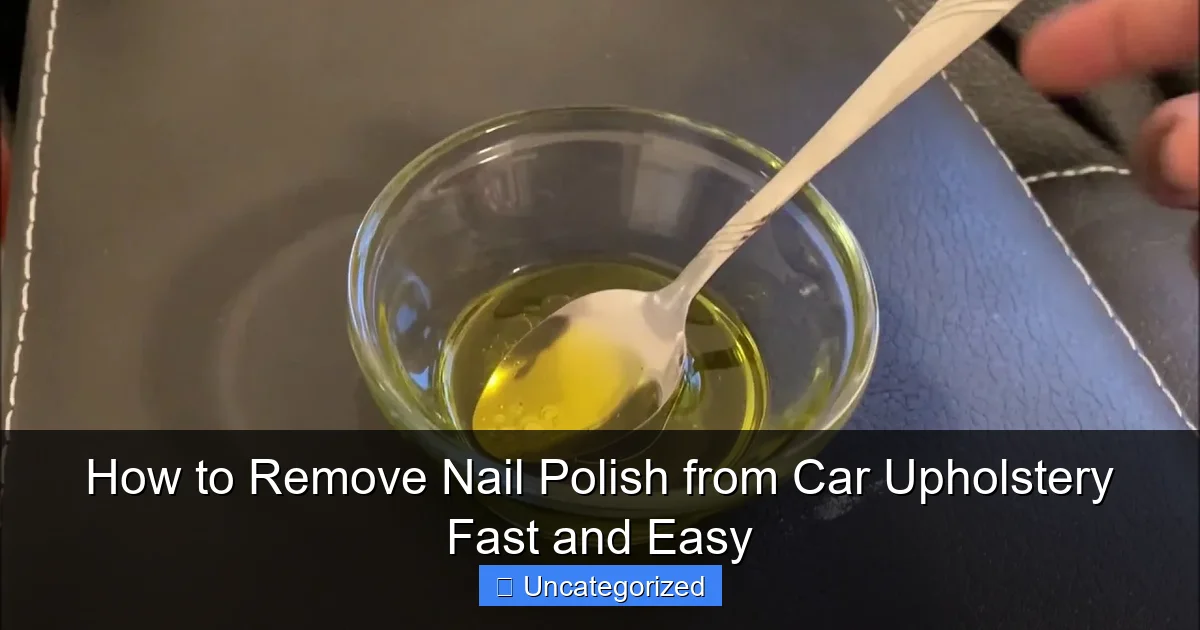
Featured image for how to remove nail polish from car upholstery
Image source: i.ytimg.com
Act quickly and blot the nail polish immediately with a clean cloth to prevent it from setting into the car upholstery. Use a non-acetone nail polish remover or rubbing alcohol on a cotton ball to gently lift the stain, testing it first on a hidden area to avoid fabric damage. Blot, don’t rub, to keep the stain from spreading and restore your upholstery fast.
Key Takeaways
- Act fast: Blot fresh spills immediately to prevent staining.
- Use acetone: Apply sparingly with a clean cloth for effective removal.
- Test first: Always check cleaning solutions on hidden upholstery areas.
- Avoid scrubbing: Dab gently to protect fabric fibers from damage.
- Neutralize residue: Wipe with soapy water after acetone use.
- Prevent future spills: Keep nail polish bottles tightly closed in cars.
📑 Table of Contents
- How to Remove Nail Polish from Car Upholstery Fast and Easy
- Understanding the Nature of Nail Polish and Upholstery Materials
- Immediate Response: First-Aid Steps for Fresh Spills
- Step-by-Step Removal Methods by Upholstery Type
- Advanced Techniques for Stubborn or Old Stains
- Prevention, Maintenance, and Professional Help
- Data Table: Solvent Comparison for Nail Polish Removal
- Conclusion
How to Remove Nail Polish from Car Upholstery Fast and Easy
Imagine this: You’re driving home after a much-needed manicure, the sun glinting off your fresh, glossy polish. In a moment of distraction, your hand slips, and a glob of vibrant nail polish splatters across your car’s leather or fabric seat. Panic sets in. Nail polish is notoriously stubborn, and the idea of permanent stains on your car’s upholstery can be distressing. Whether it’s a small drip or a full-on spill, the good news is that with the right tools and techniques, removing nail polish from car upholstery is not only possible but can be done quickly and effectively—without damaging the material.
Car upholstery comes in various forms—leather, vinyl, fabric, and synthetic blends—each with unique care requirements. The key to successful nail polish removal lies in acting fast, using the correct cleaning agents, and understanding the specific needs of your car’s interior. From household items like acetone and rubbing alcohol to specialized upholstery cleaners, there are multiple approaches depending on the severity of the stain and the type of material. This comprehensive guide will walk you through proven, step-by-step methods to eliminate nail polish stains, prevent damage, and restore your car’s interior to its former glory. Whether you’re a DIY enthusiast or someone who prefers professional-grade solutions, you’ll find actionable tips and expert insights to tackle the problem with confidence.
Understanding the Nature of Nail Polish and Upholstery Materials
What Makes Nail Polish So Stain-Resistant?
Nail polish is formulated to adhere strongly to nails and resist chipping, water, and daily wear. It typically contains film-forming polymers, solvents, and pigments that bond tightly to surfaces. When spilled on car upholstery, these ingredients can penetrate fabric fibers or adhere to leather/vinyl, making removal challenging. The longer the polish sits, the more it cures and hardens, increasing the difficulty of removal. That’s why immediate action is crucial—fresh spills are far easier to clean than dried ones.
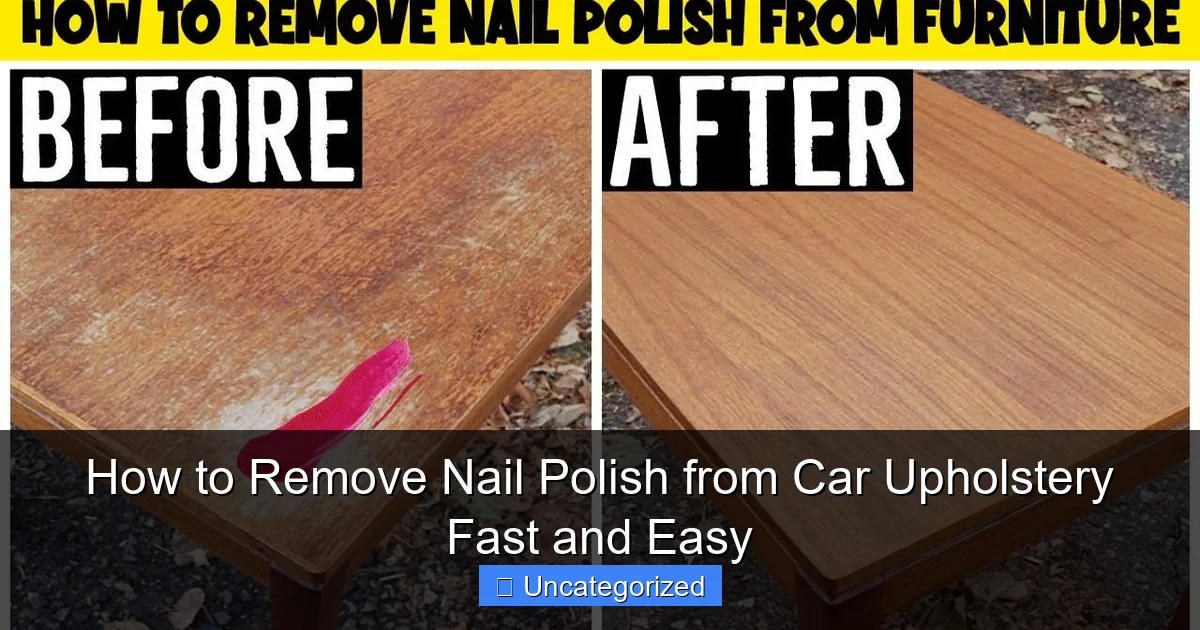
Visual guide about how to remove nail polish from car upholstery
Image source: i.ytimg.com
For example, a red or dark-colored polish (like burgundy or navy) contains intense dyes that can leave behind a visible stain even after the bulk of the polish is removed. Meanwhile, gel or shellac polishes, which require UV light to cure, are especially tough to remove because they harden into a plastic-like layer. Traditional nail polish removers may struggle with these advanced formulas, necessitating stronger solvents or mechanical removal techniques.
Types of Car Upholstery and Their Vulnerabilities
Different upholstery materials react differently to cleaning agents. Using the wrong method can lead to discoloration, cracking, or texture damage. Here’s a breakdown of common car interior materials:
- Leather: Luxurious and durable, but sensitive to harsh chemicals. Acetone-based removers can strip natural oils, causing dryness and cracking over time. Use pH-balanced leather cleaners and test any solvent in an inconspicuous area.
- Vinyl: Resembles leather but is more chemical-resistant. However, excessive use of acetone may dull the surface or cause brittleness. Gentle solvents like isopropyl alcohol are safer.
- Fabric (Cloth): Absorbs spills quickly, making stains more likely to set. The porous nature means solvents must be applied carefully to avoid spreading the polish deeper. Blotting—not scrubbing—is key.
- Alcantara/Suede-like Materials: Delicate and prone to watermarks or texture damage. Avoid soaking and use minimal liquid. Dry-cleaning methods or specialized wipes are recommended.
- Perforated Leather: Common in luxury cars, these tiny holes allow polish to seep beneath the surface. Requires thorough cleaning from both top and bottom if possible.
Pro Tip: Always consult your car’s manual or manufacturer’s guidelines for upholstery care. Some modern interiors use protective coatings (e.g., Scotchgard) that may react poorly with certain solvents.
Immediate Response: First-Aid Steps for Fresh Spills
Act Fast: The First 5 Minutes Matter
The moment you notice a nail polish spill, act immediately. Fresh polish is still liquid and easier to remove than dried or cured layers. Here’s what to do in the first few minutes:
- Absorb excess polish: Use a clean, lint-free cloth or paper towel to gently dab (not rub) the spill. Press down to lift as much liquid as possible without spreading it.
- Blot, don’t scrub: Scrubbing forces polish into the fabric or leather pores. Blotting lifts the surface layer without damaging the material.
- Isolate the area: If the car is parked, avoid sitting on the stain. If driving, try to minimize contact and pull over as soon as possible.
Real-World Example: Sarah, a commuter in Seattle, spilled glitter polish on her cloth seats during rush hour. She pulled over, used a dry microfiber cloth to blot the spill, and prevented the polish from spreading. By the time she reached home, the stain was contained to a 2-inch circle, making cleanup far easier.
Tools for Immediate Cleanup
Keep a car stain emergency kit in your glove compartment with the following:
- Microfiber cloths (lint-free, absorbent)
- Paper towels (for initial blotting)
- Small spray bottle with water (for diluting spills on fabric)
- Disposable gloves (to protect hands from solvents)
- Plastic scraper or old credit card (for dried polish, not immediate use)
For fresh spills, avoid using water on leather or vinyl, as it can cause watermarks. On fabric, a tiny mist of water can help dilute the polish before blotting—use sparingly.
Critical Reminder: Never use a hairdryer or heat source to dry a fresh spill. Heat accelerates curing and can set the stain permanently.
Step-by-Step Removal Methods by Upholstery Type
For Leather and Vinyl Upholstery
Leather and vinyl require gentle yet effective methods to avoid damage. Here’s a proven 4-step process:
- Test the solvent: Apply a small amount of nail polish remover (acetone or non-acetone) or isopropyl alcohol (70%+) to a hidden area (e.g., under the seat). Wait 10 minutes. If no discoloration or texture change occurs, proceed.
- Apply solvent: Dip a cotton swab or clean cloth into the solvent. Gently dab the stain, working from the outer edges toward the center to prevent spreading.
- Lift the polish: As the polish softens, it will transfer to the cloth. Replace the cloth frequently to avoid reapplying dissolved polish.
- Neutralize and condition: Once the stain is gone, wipe the area with a damp cloth to remove solvent residue. For leather, apply a leather conditioner to restore oils. For vinyl, use a vinyl protectant.
Tip: For dried polish, gently scrape the surface with a plastic card before applying solvent. This breaks the polish’s seal, allowing the solvent to penetrate.
Example: A BMW owner spilled dark blue polish on perforated leather seats. After testing acetone on a hidden spot (no damage), they used cotton swabs to dab the stain, followed by a leather conditioner. The seats looked flawless after 24 hours.
For Fabric (Cloth) Upholstery
Fabric requires a more cautious approach due to its absorbency. Use the following method:
- Blot and vacuum: Remove loose polish with a dry cloth. Vacuum the area to extract dried particles.
- Pre-treat with solvent: Mix 1 part isopropyl alcohol (70%) with 2 parts water. Apply with a spray bottle, then blot with a clean cloth. For stubborn stains, use acetone-free nail polish remover on a cotton ball.
- Use a fabric-safe cleaner: Apply a commercial upholstery cleaner (e.g., Bissell, Folex) or make a DIY solution: 1 tsp dish soap + 1 cup water. Scrub gently with a soft-bristled brush.
- Rinse and dry: Blot with a damp cloth to remove soap residue. Air-dry completely—avoid heat sources.
Pro Tip: For large spills, use a wet vacuum after cleaning to extract moisture and prevent mildew.
For Alcantara, Suede, and Delicate Materials
These materials are highly sensitive. Avoid liquids whenever possible. Instead:
- Dry cleaning method: Use a specialized Alcantara brush or suede eraser to lift dried polish.
- Spot treatment: If liquid is necessary, use a minimal amount of isopropyl alcohol on a cotton swab. Blot immediately with a dry cloth.
- Professional help: For severe stains, consult a detailer. They have steam cleaners and pH-neutral cleaners safe for delicate materials.
Warning: Never use acetone on Alcantara—it dissolves the fibers and causes irreversible damage.
Advanced Techniques for Stubborn or Old Stains
Mechanical Removal for Cured Polish
If the polish has hardened into a thick layer, solvents alone may not suffice. Use mechanical removal:
- Scrape carefully: Use a plastic scraper, old credit card, or nail file to gently lift the polish layer. Work at a 45-degree angle to avoid scratching the upholstery.
- Apply solvent after scraping: Once the bulk is removed, use acetone or alcohol to dissolve remaining residue.
- Sand lightly (leather/vinyl only): For deep-set stains, lightly sand the area with 600-grit sandpaper, then clean and condition. This should be a last resort.
Example: A vintage car owner had a 3-week-old red polish stain on leather. After scraping with a plastic card and applying acetone, the stain was gone, but the area felt rough. They used a leather conditioner and buffed it with a microfiber cloth, restoring the smooth finish.
Enzyme and Oxidizing Cleaners for Set-In Stains
For stains that have bonded chemically with fabric fibers, try:
- Oxygen-based cleaners: Products like OxiClean MaxForce contain oxidizing agents that break down pigments. Mix with water and apply to fabric stains. Blot after 10–15 minutes.
- Enzyme cleaners: Enzymes target organic compounds in polish dyes. Spray on fabric, wait 30 minutes, then blot. Effective for protein-based pigments.
Caution: These cleaners may bleach colored upholstery. Test first and rinse thoroughly.
Heat and Steam: When to Use (and Avoid)
Steam cleaners can loosen dried polish, but use with caution:
- For fabric: Steam at low pressure, holding the nozzle 6 inches away. Follow with solvent treatment.
- For leather/vinyl: Avoid steam—it can cause cracking or warping. Use only if recommended by the manufacturer.
Prevention, Maintenance, and Professional Help
Preventing Future Spills
An ounce of prevention is worth a pound of cure. Reduce the risk of nail polish spills by:
- Using travel-sized polish bottles with secure caps.
- Applying polish at home or in a stable environment—not in the car.
- Keeping a sealed makeup bag in the car to store beauty products.
- Using protective seat covers for fabric seats, especially if you frequently transport children or pets.
Routine Upholstery Care
Regular maintenance prevents stains from setting and extends the life of your car’s interior:
- Leather: Clean monthly with a pH-balanced cleaner. Condition every 3–6 months.
- Fabric: Vacuum weekly. Use a fabric protector spray (e.g., Scotchgard) to repel stains.
- Vinyl: Wipe with a damp cloth and apply vinyl protectant every 2 months.
Pro Tip: For luxury cars, invest in a ceramic coating for upholstery. These nano-coatings create a hydrophobic layer, repelling spills and making cleanup easier.
When to Call a Professional
Some situations require expert intervention:
- Stains covering a large area (e.g., entire seat).
- Damage to delicate materials (e.g., Alcantara, perforated leather).
- Uncertainty about upholstery type or cleaning agents.
- Repeated DIY attempts have failed.
Professional detailers use industrial-grade equipment (e.g., hot water extractors, ozone generators) and specialized products not available to consumers. The average cost ranges from $100–$300, but it’s worth it to preserve high-end interiors.
Data Table: Solvent Comparison for Nail Polish Removal
| Solvent Type | Best For | Effectiveness | Risk of Damage | Recommended Use |
|---|---|---|---|---|
| Acetone (100%) | Leather, vinyl, dried polish | High (dissolves most polishes) | High (dries leather, dulls vinyl) | Spot treatment; always test first |
| Non-acetone remover | Delicate leather, fabric | Medium (slower action) | Low | Gentle, repeated applications |
| Isopropyl alcohol (70–90%) | Fabric, vinyl, light stains | Medium-high | Low (diluted) | Mix with water for fabric |
| Commercial upholstery cleaner | All materials | Medium | Very low | Follow product instructions |
| OxiClean/Oxygen bleach | Fabric, set-in stains | High (for pigments) | Medium (may lighten color) | Rinse thoroughly |
Note: Effectiveness ratings are based on user reports and professional testing. Always prioritize safety and material compatibility.
Conclusion
Removing nail polish from car upholstery doesn’t have to be a nightmare. By understanding the nature of the stain and the material you’re working with, you can choose the most effective method—whether it’s a quick acetone dab on leather or a gentle alcohol mist on fabric. The key takeaways are: act fast, test solvents first, and tailor your approach to the upholstery type. From household staples to professional-grade cleaners, there’s a solution for every scenario.
Remember, prevention is always the best strategy. Keep your car’s interior protected with regular cleaning, seat covers, and smart storage for beauty products. But if the worst happens, don’t panic. With the steps outlined in this guide, you can restore your car’s upholstery to pristine condition—fast, easy, and without costly repairs. Whether you’re dealing with a minor drip or a major spill, confidence and the right tools will get you back on the road in style.
Frequently Asked Questions
How do I remove nail polish from car upholstery without damaging the fabric?
Blot the stain immediately with a clean cloth, then apply a small amount of non-acetone nail polish remover to a cotton ball. Gently dab the area—avoid rubbing—to lift the polish without harming the upholstery fibers.
What’s the fastest way to remove dried nail polish from car seats?
For dried polish, use a plastic scraper to lift the bulk, then apply a mix of warm water and mild dish soap. Follow with a dab of rubbing alcohol on a cloth to break down remaining residue.
Can I use acetone to remove nail polish from car upholstery?
Acetone can damage some fabrics, so test it on a hidden spot first. For delicate materials, opt for non-acetone removers or vinegar-based solutions to safely dissolve the polish.
How to remove nail polish from car upholstery using household items?
Mix equal parts white vinegar and water, apply to the stain, and let it sit for 5 minutes. Blot with a clean cloth, then rinse with cold water to lift the polish naturally.
Is there a way to remove nail polish from leather car seats?
Use a leather-safe cleaner or a non-acetone remover sparingly on a cloth. Gently wipe the stain, then condition the leather afterward to prevent drying or discoloration.
What should I avoid when removing nail polish from car upholstery?
Never use harsh scrubbing tools, excessive water, or bleach, as these can spread the stain or damage upholstery. Always spot-test cleaners first and work from the outside of the stain inward.