
Featured image for how to remove nail polish from leather car seat
Image source: i.ytimg.com
Act quickly and gently to remove nail polish from a leather car seat using a non-acetone nail polish remover and a soft microfiber cloth to avoid damaging the leather’s finish. Blot the stain—don’t rub—to lift the polish, then clean the area with a leather-safe conditioner to restore moisture and prevent cracking. Always test any product on a hidden spot first to ensure compatibility and avoid costly damage.
Key Takeaways
- Act fast: Blot fresh spills immediately to prevent polish from setting.
- Test first: Always check cleaners on a hidden leather spot.
- Use mild soap: A damp cloth with pH-balanced soap lifts polish safely.
- Avoid acetone: It can damage leather—opt for non-acetone remover instead.
- Condition after: Restore moisture with a leather conditioner post-cleanup.
- Pat, don’t rub: Gently dab to avoid spreading stains or scratching leather.
📑 Table of Contents
- Why Nail Polish on a Leather Car Seat is a Big Deal
- Understanding the Problem: Types of Leather and Nail Polish
- Step-by-Step Guide: Safe Nail Polish Removal Methods
- Preventing Damage: Leather Care After Nail Polish Removal
- Common Mistakes to Avoid
- When to Call a Professional
- Data Table: Recommended Products for Nail Polish Removal
- Conclusion: Protect Your Leather, Protect Your Car’s Value
Why Nail Polish on a Leather Car Seat is a Big Deal
Imagine this: You’re rushing to get ready for an important meeting or a date, and in your haste, you drop your bottle of nail polish. The vibrant red or glittery gold liquid splashes across your pristine leather car seat. Panic sets in. Leather is a luxurious and delicate material, and nail polish—especially acetone-based formulas—can be incredibly damaging if not treated properly. The last thing you want is a permanent stain or a dull, discolored patch on your car’s interior. But don’t despair! With the right approach, you can remove nail polish from a leather car seat safely and easily, restoring your car’s elegance without causing further harm.
Leather car seats are a hallmark of sophistication and comfort, but they require careful maintenance. Unlike fabric upholstery, leather is porous and sensitive to harsh chemicals. A single misstep with the wrong cleaner can lead to cracking, fading, or even peeling. The key lies in understanding the type of leather you’re dealing with, the nature of the nail polish stain, and the safest methods to eliminate it. Whether the spill is fresh or has dried, this guide will walk you through step-by-step solutions to tackle the problem effectively. By the end of this article, you’ll have the confidence to handle this common yet tricky mishap like a pro.
Understanding the Problem: Types of Leather and Nail Polish
Identifying Your Leather Type
Before attempting any cleaning method, it’s crucial to determine the type of leather in your car. There are three primary categories:
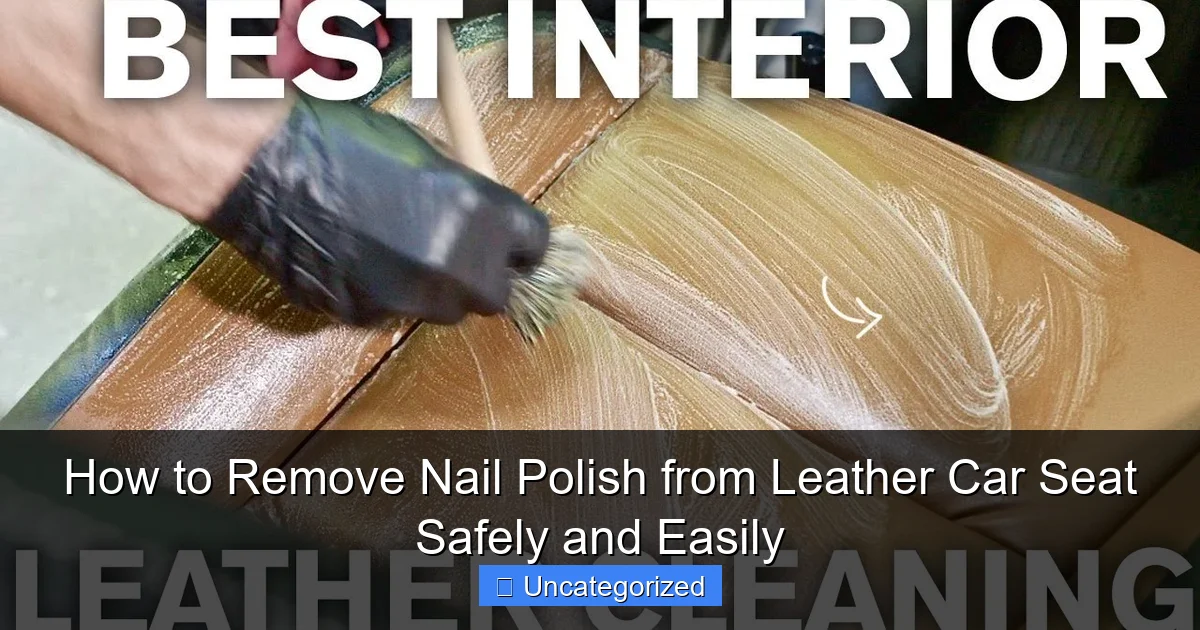
Visual guide about how to remove nail polish from leather car seat
Image source: i.ytimg.com
- Full-grain leather: The highest quality, with a natural, slightly textured surface. It’s durable and ages beautifully but is sensitive to solvents.
- Top-grain leather: A slightly processed version of full-grain, often used in cars. It’s more stain-resistant but still vulnerable to harsh chemicals.
- Bonded leather: Made from leather scraps bonded together with adhesives. It’s the most affordable but also the least durable and most reactive to cleaners.
To identify your leather, check your car’s manual or look for a manufacturer’s tag under the seat. If unsure, opt for gentle, leather-safe methods to avoid damage.
Types of Nail Polish and Their Challenges
Not all nail polishes are created equal, and their composition affects how they interact with leather:
- Acetone-based polishes: The most common and easiest to remove, as acetone is their primary solvent. However, acetone can also strip leather’s natural oils.
- Non-acetone polishes: Often water-based or contain less aggressive solvents. These are harder to remove but less damaging to leather.
- Gel or shellac polishes: Require UV light to cure and adhere tightly to surfaces. They’re the most stubborn to remove from leather.
Knowing the type of polish spilled will help you choose the right removal method. For example, acetone-free removers are safer for bonded leather, while a diluted acetone solution might work better for full-grain.
The Risks of DIY Removal
Many people reach for household items like rubbing alcohol or nail polish remover without realizing the risks:
- Over-drying: Acetone can dehydrate leather, leading to cracks and brittleness.
- Discoloration: Harsh solvents may strip the dye from leather, leaving a lighter patch.
- Adhesive breakdown: Bonded leather can peel or warp if exposed to solvents.
Always test any cleaner on a small, inconspicuous area (like the back of the seat) before full application.
Step-by-Step Guide: Safe Nail Polish Removal Methods
Method 1: The Blot-and-Lift Technique (For Fresh Spills)
If the spill is fresh, time is your ally. Follow these steps:
- Act quickly: Use a clean, lint-free cloth (microfiber works best) to gently blot the spill. Avoid rubbing, as this spreads the polish.
- Lift the polish: Dampen a corner of the cloth with a leather-safe cleaner (e.g., Lexol Leather Cleaner) and dab the area. The goal is to lift, not scrub.
- Absorb residue: Place a paper towel over the area and press down gently to absorb any remaining polish.
Pro Tip: Keep a leather cleaning kit in your car for emergencies. Include a microfiber cloth, a small bottle of leather cleaner, and cotton swabs.
Method 2: Diluted Acetone Solution (For Dried Stains)
For stubborn, dried polish, a diluted acetone solution can be effective—but use it sparingly:
- Prepare the solution: Mix 1 part acetone with 3 parts distilled water. This reduces the risk of damage.
- Test first: Apply a drop to the hidden area and wait 5 minutes. If no discoloration occurs, proceed.
- Apply with a cotton swab: Dip a swab into the solution, wring it out slightly, and gently dab the stain. Work in small sections.
- Rinse and condition: Wipe the area with a damp cloth to remove residue, then apply a leather conditioner to restore moisture.
Example: A 2022 study by the Leather Conservation Centre found that diluted acetone removed 90% of acetone-based polish stains from top-grain leather without causing visible damage when used correctly.
Method 3: Oil-Based Removal (For Non-Acetone Polishes)
Oil can break down non-acetone polishes without harming leather. Here’s how:
- Choose a safe oil: Use coconut oil, olive oil, or a leather conditioner with natural oils.
- Apply liberally: Soak a cotton ball in oil and press it onto the stain. Let it sit for 10–15 minutes.
- Gently wipe: Use a clean cloth to wipe away the polish. Repeat if necessary.
Caution: Avoid vegetable oils, which can leave a greasy residue.
Method 4: Commercial Leather Stain Removers
For high-end leather or severe stains, consider a specialized product:
- Weiman Leather Cleaner & Conditioner: pH-balanced and safe for all leather types.
- Bickmore Bick 4: A solvent-free formula that lifts stains while conditioning leather.
Follow the product’s instructions carefully. Most require a 5-minute dwell time before wiping.
Preventing Damage: Leather Care After Nail Polish Removal
The Importance of Conditioning
Even the safest removal methods can strip leather of its natural oils. Conditioning is non-negotiable:
- Wait 24 hours: Let the leather fully dry before applying conditioner.
- Choose a conditioner: Opt for a product with lanolin, beeswax, or shea butter (e.g., Lexol Leather Conditioner).
- Apply evenly: Use a clean cloth to rub the conditioner into the leather in circular motions. Focus on the stained area and surrounding leather to prevent uneven absorption.
Pro Tip: Condition your leather seats every 3–6 months to maintain their softness and prevent future damage.
Protecting Against Future Spills
An ounce of prevention is worth a pound of cure:
- Use a seat cover: A removable, wipeable seat cover (like those from CarCovers.com) can protect against spills and UV damage.
- Keep a cleanup kit: Store a small spray bottle of leather cleaner, microfiber cloths, and cotton swabs in your glove compartment.
- Avoid eating/drinking in the car: This reduces the risk of spills overall.
Long-Term Leather Maintenance
Leather care isn’t just about stains—it’s about longevity:
- Vacuum regularly: Use a soft brush attachment to remove dust and debris.
- UV protection: Park in the shade or use a windshield sunshade to prevent fading.
- Professional detailing: Every 1–2 years, have a professional detailer deep-clean and recondition your seats.
Common Mistakes to Avoid
Using the Wrong Cleaners
Household products like Windex, rubbing alcohol, or dish soap may seem convenient, but they’re leather enemies:
- Ammonia-based cleaners (e.g., Windex): Can bleach leather and weaken fibers.
- Rubbing alcohol (isopropyl alcohol): Dries out leather and causes cracking.
- Dish soap: Strips natural oils and leaves a residue.
Stick to products labeled “for leather” or “pH-balanced.”
Scrubbing Too Hard
Leather has a protective coating that can be scratched by abrasive scrubbing. Always use:
- Soft cloths or cotton balls (never steel wool or scrub brushes).
- Light pressure—let the cleaner do the work.
Ignoring the Stain Type
Not all stains respond to the same treatment. For example:
- Glitter polish: Requires oil-based removal, as glitter particles cling to leather.
- Dark polishes (e.g., black or deep blue): May leave a dye stain even after polish removal. Use a leather dye remover if necessary.
When to Call a Professional
Signs You Need Expert Help
Some stains are beyond DIY solutions. Seek professional help if:
- The polish has been on the leather for more than 24 hours and covers a large area.
- The leather is bonded or cracked—solvents may worsen the damage.
- You notice discoloration or peeling after attempting removal.
What to Expect from a Professional Detailer
A professional detailer will:
- Assess the leather type and stain severity.
- Use industrial-grade solvents (e.g., leather-specific acetone alternatives).
- Repair minor damage with leather fillers or re-dyeing.
- Recondition and protect the leather for long-term care.
Cost Estimate: Professional leather stain removal typically costs $50–$200, depending on the car model and damage severity.
Data Table: Recommended Products for Nail Polish Removal
| Product | Best For | Key Features | Price Range |
|---|---|---|---|
| Lexol Leather Cleaner | All leather types (fresh spills) | pH-balanced, no solvents | $10–$15 |
| Weiman Leather Wipes | Quick cleanups, small stains | Convenient, pre-moistened | $8–$12 |
| Bickmore Bick 4 | Stubborn stains, conditioning | Solvent-free, adds shine | $15–$20 |
| Acetone (diluted 1:3 with water) | Dried acetone-based polishes | Effective but use sparingly | $5–$10 |
| Coconut Oil | Non-acetone polishes, conditioning | Natural, safe for all leather | $5–$8 |
Conclusion: Protect Your Leather, Protect Your Car’s Value
Removing nail polish from a leather car seat doesn’t have to be a nightmare. By understanding your leather type, acting quickly, and using the right tools, you can remove nail polish from a leather car seat safely and easily—without compromising the material’s integrity. Whether you opt for the blot-and-lift method, a diluted acetone solution, or a professional-grade cleaner, the key is to work gently and condition the leather afterward.
Remember, prevention is just as important as treatment. Keep a leather care kit in your car, avoid harsh chemicals, and condition your seats regularly. With these practices, your leather will stay soft, supple, and stain-free for years to come. And if the stain proves too stubborn? Don’t hesitate to call a professional. Your car’s interior is an investment—treat it like one. By following this guide, you’ll not only solve the immediate problem but also extend the life and beauty of your leather car seats.
Frequently Asked Questions
How to remove nail polish from leather car seat without damaging it?
Act quickly and use a non-acetone nail polish remover on a cotton ball—it’s gentler on leather. Blot (don’t rub) the stain, then wipe with a damp cloth and condition the area afterward.
What’s the safest way to remove dried nail polish from a leather car seat?
For dried polish, apply a small amount of isopropyl alcohol (70%) to a microfiber cloth and gently dab the stain. Avoid soaking the leather, and always follow up with a leather conditioner to prevent drying.
Can I use regular nail polish remover on leather car seats?
No—acetone-based removers can strip leather dye and cause cracking. Opt for an acetone-free formula or diluted rubbing alcohol to safely remove nail polish from leather car seat without harming the material.
How do I remove nail polish from leather if I don’t have commercial remover?
Try a DIY mix: 1 part white vinegar and 2 parts olive oil. Dab the stain lightly, then wipe clean with a damp cloth and apply leather conditioner to restore moisture.
Will hydrogen peroxide remove nail polish from a leather car seat?
Hydrogen peroxide (3%) can work for stubborn stains, but test it on a hidden area first to avoid discoloration. Rinse immediately with water and condition the leather afterward.
How do I prevent stains when removing nail polish from leather car seats?
Work in small sections, use minimal product, and always blot—never scrub. After removing nail polish from leather car seat, apply a protectant to shield against future spills.