
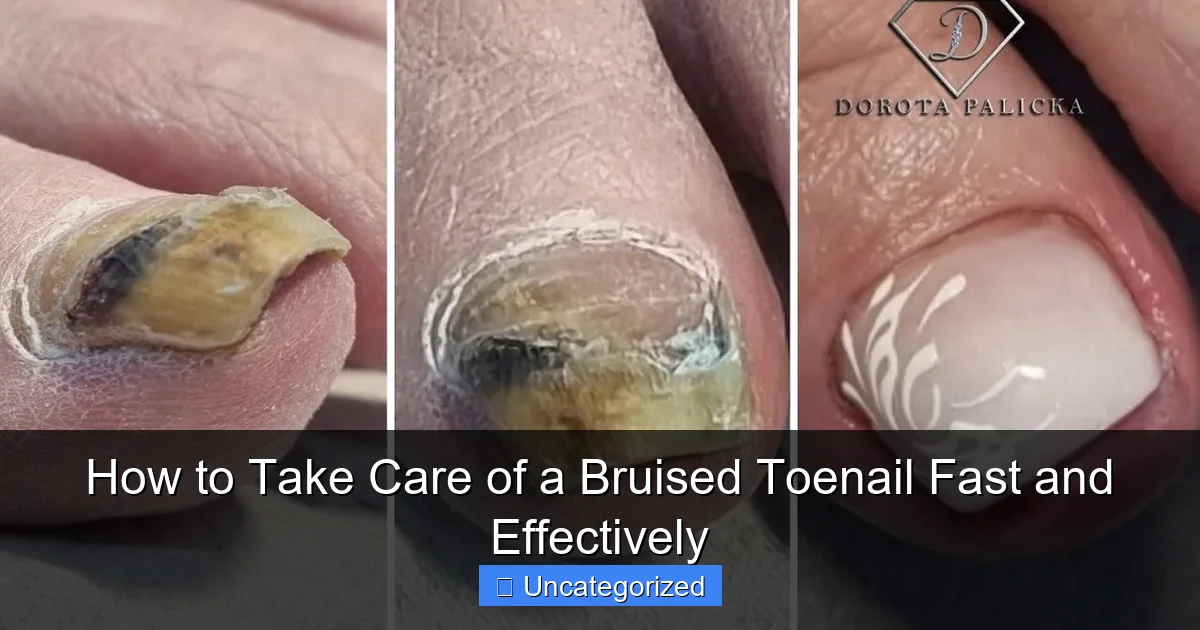
Featured image for how to take care of a bruised toe nail
Image source: i.ytimg.com
Immediate rest and elevation are crucial to reduce swelling and pain from a bruised toenail, helping to prevent further damage. Apply a cold compress for 15–20 minutes several times a day to minimize discoloration and inflammation, and avoid tight footwear to promote faster healing. Consistently monitoring for signs of infection ensures a safe and effective recovery.
Key Takeaways
- Elevate your foot: Reduce swelling by keeping it raised above heart level.
- Apply ice: Use cold compresses for 15-20 minutes to minimize pain and inflammation.
- Wear roomy shoes: Avoid pressure by choosing open-toed or wide-fitting footwear.
- Soak in Epsom salt: Eases pain and promotes healing with warm water soaks.
- Trim carefully: Cut nails straight across to prevent worsening the injury.
- Monitor for infection: Seek medical help if redness, pus, or fever develops.
📑 Table of Contents
Understanding a Bruised Toenail: Causes and Symptoms
What Is a Bruised Toenail?
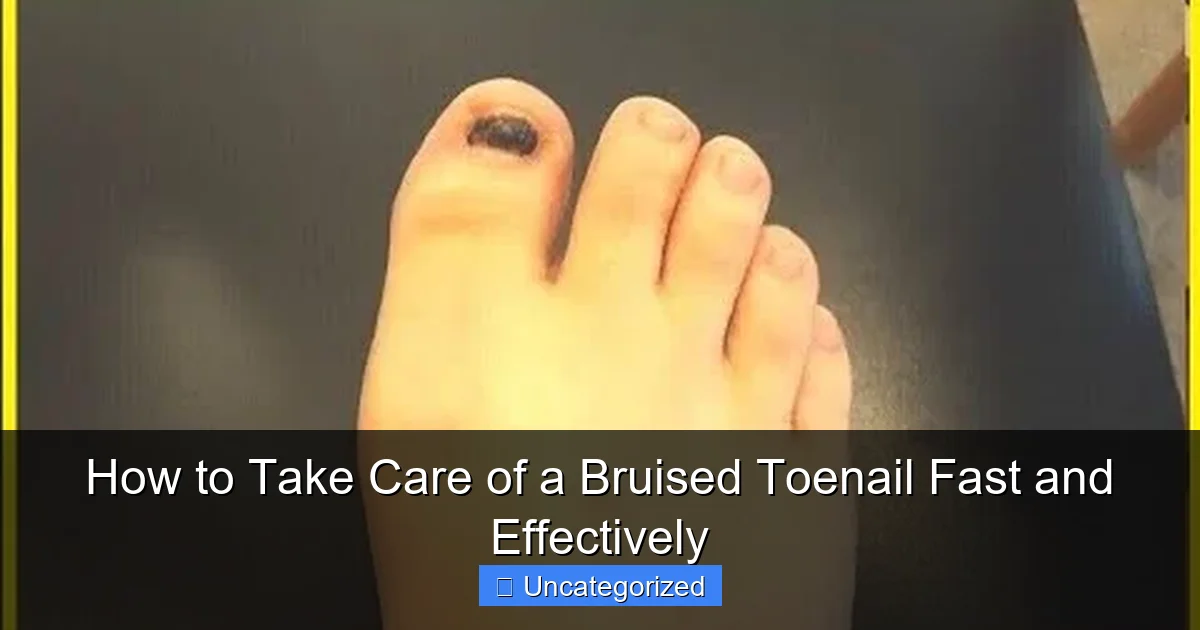
A bruised toenail, medically known as subungual hematoma, occurs when blood collects beneath the nail plate due to trauma or injury. This condition is common, especially among athletes, runners, and individuals who wear ill-fitting shoes. The discoloration—typically dark purple, blue, or black—results from ruptured blood vessels under the nail. While often painful, a bruised toenail is usually not serious and resolves with proper care. However, neglecting it can lead to complications such as infection, nail detachment, or chronic pain.
The toenail acts as a protective shield for the sensitive nail bed underneath. When trauma occurs—whether from stubbing your toe, dropping something heavy, or repetitive pressure (as in downhill running)—the nail bed can bleed, creating a pool of blood that pushes the nail upward. This pressure is often the source of the throbbing pain associated with bruised toenails. In some cases, the discoloration spreads over time, covering the entire nail.
Common Causes of Toenail Bruising
- Trauma or impact: Dropping a heavy object, stubbing your toe on furniture, or kicking a hard surface.
- Repetitive micro-trauma: Common in runners, hikers, or those who walk long distances, especially in tight or poorly cushioned footwear.
- Improper footwear: Shoes that are too tight, narrow, or lack adequate toe box space can compress the toes during movement.
- Medical conditions: Conditions like gout, diabetes, or circulatory issues can make the nail bed more vulnerable to injury.
- Fungal infections: Thickened or brittle nails due to onychomycosis are more prone to trauma and bruising.
For example, a marathon runner may develop a bruised toenail after a race due to the repetitive impact of the toe hitting the front of the shoe. Similarly, a construction worker who wears steel-toed boots that don’t fit well might experience chronic bruising from pressure during work hours. Recognizing the cause is the first step in both treatment and prevention.
Symptoms to Watch For
- Visible discoloration (purple, blue, or black) under the nail
- Pain, throbbing, or pressure under the nail
- Swelling around the toe
- Nail lifting (onycholysis) or detachment
- Foul odor or pus (sign of infection)
It’s important to differentiate between a simple bruise and a more serious condition. If the pain is severe, the discoloration spreads rapidly, or there are signs of infection, medical attention may be necessary. Early recognition and care can significantly reduce recovery time and prevent long-term nail deformities.
Immediate Steps to Take After Toenail Injury
1. Rest and Elevate the Foot
The moment you notice a bruised toenail, stop any strenuous activity. Rest is critical to prevent further trauma. Elevate your foot above heart level for 15–20 minutes every hour during the first 24–48 hours. This helps reduce swelling and limits blood accumulation under the nail. For example, if you’re at home, lie down with your foot propped on pillows. At work, use a footstool or stack books to elevate your foot during breaks.
Visual guide about how to take care of a bruised toe nail
Image source: i.ytimg.com
2. Apply Ice (Cold Therapy)
Ice is your best friend in the first 48 hours. Wrap an ice pack or a bag of frozen peas in a thin towel and apply it to the affected toe for 15 minutes at a time, with 30-minute breaks in between. This prevents frostbite while reducing inflammation and numbing the pain. The cold constricts blood vessels, minimizing further bleeding under the nail.
Pro Tip: Avoid placing ice directly on the skin. Use a cloth barrier and monitor your skin for signs of numbness or discoloration. If you have diabetes or poor circulation, consult a doctor before using ice therapy.
3. Use Over-the-Counter Pain Relief
Nonsteroidal anti-inflammatory drugs (NSAIDs) like ibuprofen (Advil) or naproxen (Aleve) can reduce pain and inflammation. Acetaminophen (Tylenol) is a good alternative if you can’t take NSAIDs. Always follow the recommended dosage on the label. For instance, a 25-year-old runner with a bruised toenail might take 200–400 mg of ibuprofen every 6–8 hours for the first two days, as long as they have no contraindications.
4. Protect the Toe
Cover the injured toe with a sterile bandage or a non-stick pad to prevent friction and further trauma. Wear open-toed sandals or loose-fitting shoes with a wide toe box. Avoid high heels, tight sneakers, or boots until the pain subsides. For example, if you must go to work, consider wearing Crocs or breathable mesh shoes to minimize pressure on the toe.
5. Assess for Nail Bed Pressure
If the bruised toenail is causing severe pain due to built-up blood pressure, you may need to drain the hematoma—but only if it covers more than 25% of the nail or is intensely painful. This should ideally be done by a healthcare professional using sterile tools. If you must do it at home (not recommended), sterilize a paperclip or needle with a flame and alcohol, gently puncture the nail at the edge of the discoloration, and allow blood to seep out slowly. Apply antiseptic afterward.
Warning: Improper drainage can lead to infection or permanent nail damage. When in doubt, see a podiatrist.
Effective Home Remedies and Daily Care Routine
Warm Water Soaks
After the first 48 hours, switch from ice to warm water soaks. This promotes blood circulation, reduces stiffness, and helps the body reabsorb the trapped blood. Soak your foot in warm (not hot) water with Epsom salt (1/2 cup per gallon) for 15–20 minutes, 2–3 times daily. Epsom salt contains magnesium sulfate, which has anti-inflammatory properties.
Example: A 35-year-old office worker can soak their foot during evening relaxation or while watching TV. Add a few drops of tea tree oil (antifungal) if there’s any concern about infection.
Topical Treatments
- Antiseptic ointments: Apply bacitracin or Neosporin to the base of the nail and surrounding skin to prevent bacterial growth.
- Arnica gel: A natural anti-inflammatory that may reduce bruising and swelling. Apply 2–3 times daily.
- Aloe vera gel: Soothes pain and promotes healing. Use pure, preservative-free gel.
For best results, apply after soaking and drying the toe thoroughly. Cover with a breathable bandage to keep the area clean.
Moisturize and Nail Care
Keep the nail and surrounding skin moisturized with a fragrance-free foot cream or petroleum jelly. Dry, cracked skin can delay healing. Gently push back cuticles with a soft towel or cuticle tool to prevent ingrown nails. Avoid cutting or trimming the bruised nail aggressively—this can worsen trauma.
Tip: If the nail is lifting, trim only the loose portion with sterilized nail clippers. Leave the attached part intact to protect the nail bed.
Wear the Right Shoes
Choose shoes with:
- A wide, deep toe box
- Good arch support
- Cushioned insoles
- Breathable materials (mesh, leather)
For example, instead of narrow dress shoes, opt for athletic shoes with a roomy toe area. Consider using toe caps or silicone toe sleeves to reduce pressure and friction.
Monitor for Infection
Watch for red streaks, increasing redness, pus, or fever. If you notice any of these, seek medical help immediately. Daily inspection is key—use a mirror to check hard-to-see areas.
When to See a Doctor and Medical Treatments
Red Flags: When to Seek Professional Help
While most bruised toenails heal at home, some cases require medical intervention. See a doctor or podiatrist if:
- Pain is severe and unresponsive to OTC meds
- The discoloration covers more than 50% of the nail
- The nail is lifting or detached
- Signs of infection (pus, redness, warmth, fever)
- You have diabetes, poor circulation, or a compromised immune system
- The bruise doesn’t improve after 2–3 weeks
For example, a diabetic patient with a bruised toenail is at higher risk for infection and poor healing due to reduced blood flow. Even a minor injury can escalate into a serious foot ulcer if not treated promptly.
Professional Hematoma Drainage
Doctors use sterile, heated instruments (like a cautery device) to create a small hole in the nail. This method is safer and more effective than home attempts. The doctor will:
- Clean the area with antiseptic
- Apply a numbing agent (if needed)
- Make a tiny puncture at the lowest point of the hematoma
- Allow blood to drain
- Apply a dressing and prescribe antibiotics if infection is suspected
This procedure typically relieves pain immediately. The patient is advised to keep the foot elevated and avoid pressure for 24–48 hours.
Advanced Treatments
- Nail removal (avulsion): If the nail is severely damaged or infected, the doctor may remove it to clean the nail bed and apply medicated dressings.
- Antibiotics: Prescribed if there’s an infection or high risk (e.g., in diabetics).
- Imaging (X-ray): If a fracture is suspected, especially after a major trauma.
For instance, a 40-year-old hiker who stubbed their toe on a rock during a trail might need an X-ray to rule out a broken toe, especially if there’s swelling and bruising extending beyond the nail.
Preventing Recurrence
After treatment, your doctor may recommend:
- Custom orthotics for better shoe fit
- Footwear modifications (e.g., adding toe caps)
- Physical therapy for gait correction (if repetitive trauma is the cause)
Prevention Strategies and Long-Term Nail Health
Choose the Right Footwear
Proper shoes are your first line of defense. Follow these guidelines:
- Measure your feet regularly—size can change with age or weight gain
- Try shoes in the afternoon when feet are slightly swollen
- Ensure 1/2 inch of space between your longest toe and the shoe end
- Avoid shoes with narrow toe boxes or high heels for prolonged wear
Example: Runners should replace shoes every 300–500 miles to maintain cushioning. Hikers should wear boots with ankle support and rigid soles.
Trim Nails Properly
Cut toenails straight across—never rounded or too short. This prevents ingrown nails and reduces pressure during movement. Use sharp, sterilized clippers. File sharp edges with an emery board.
Tip: Trim after a shower when nails are softer and easier to cut.
Use Protective Gear
- Toe sleeves: Silicone or gel sleeves cushion the toe and reduce friction
- Padding: Moleskin or foam pads can protect toes in tight shoes
- Steel-toed or safety shoes: For workers in high-risk environments
For example, a warehouse worker can wear steel-toed boots with extra toe room to prevent crushing injuries.
Maintain Overall Foot Health
- Inspect feet daily—especially if you have diabetes
- Moisturize regularly to prevent cracked skin
- Wear moisture-wicking socks (cotton or synthetic blends)
- Stay hydrated and eat a balanced diet rich in vitamins (A, C, D, E) and minerals (zinc, iron)
Vitamin deficiencies, such as vitamin C or iron, can weaken nails and delay healing. Include foods like citrus fruits, leafy greens, nuts, and lean meats in your diet.
Adjust Activity Levels
If you’re prone to bruised toenails, modify high-impact activities. For example:
- Switch from trail running to treadmill running
- Use orthotic inserts for better shock absorption
- Take frequent breaks during long walks or hikes
Recovery Timeline and What to Expect
Typical Healing Stages
| Time Frame | What Happens | Care Tips |
|---|---|---|
| 0–48 hours | Initial swelling, pain, discoloration | Rest, ice, elevate, OTC pain relief |
| 3–7 days | Pain decreases, bruising may spread | Warm soaks, moisturize, protect toe |
| 1–3 weeks | Blood reabsorbs, new nail grows | Continue care, monitor for infection |
| 1–6 months | New nail replaces old (full regrowth) | Trim carefully, avoid trauma |
A bruised toenail takes 6–9 months to fully regrow, depending on your age and health. The old discolored nail will gradually grow out and be replaced by a healthy one. During this time, the nail may appear uneven or ridged—this is normal.
Signs of Normal Healing
- Discoloration moves toward the tip as the nail grows
- Pain decreases over days
- No pus or foul odor
- New nail growth visible at the base
When Healing Is Delayed
Factors that slow recovery include:
- Poor circulation (common in smokers, diabetics)
- Repeated trauma (e.g., continuing to run on an injured toe)
- Fungal infections
- Nutritional deficiencies
If healing stalls, revisit your care routine or consult a podiatrist. In some cases, a biopsy may be needed to rule out underlying conditions like melanoma (rare but serious).
Patience Is Key
Healing takes time. Avoid picking at the nail or trying to speed up the process. Let your body do its work. With consistent care, most people regain full nail function and appearance.
Conclusion
Taking care of a bruised toenail doesn’t have to be complicated, but it does require attention, patience, and the right approach. From the moment of injury, immediate actions like rest, elevation, and cold therapy can significantly reduce pain and swelling. Over the following days and weeks, warm soaks, proper footwear, and diligent hygiene promote faster healing and prevent complications. Knowing when to seek medical help—especially for diabetics or those with severe trauma—can be life-saving.
Remember, prevention is just as important as treatment. Wearing well-fitting shoes, trimming nails properly, and using protective gear can keep your toes safe during daily activities. A bruised toenail is a common nuisance, but with the strategies outlined in this guide, you can recover quickly and effectively—minimizing downtime and maximizing comfort.
Your feet carry you through life—treat them with care. Whether you’re an athlete, a worker, or someone who just stubbed their toe on the bed frame, these tips will help you heal faster and stay on your feet. Stay proactive, listen to your body, and don’t ignore persistent pain. With proper care, your toenail will grow back stronger and healthier than ever.
Frequently Asked Questions
How can I treat a bruised toenail at home?
To treat a bruised toenail at home, start by resting the foot, applying ice to reduce swelling, and elevating it. Over-the-counter pain relievers and proper footwear can help alleviate discomfort while the nail heals naturally.
What causes a bruised toenail, and how can I prevent it?
A bruised toenail often results from trauma, tight shoes, or repetitive pressure during activities like running. To prevent it, wear well-fitting shoes with adequate toe room and trim nails straight across to avoid ingrown edges.
How long does it take for a bruised toenail to heal?
Most bruised toenails heal within 6–9 months as the damaged nail grows out. The timeline depends on the severity of the injury and your overall nail health.
When should I see a doctor for a bruised toenail?
Seek medical attention if you experience severe pain, pus, or signs of infection, or if the nail starts detaching. A podiatrist can safely drain blood under the nail or address underlying issues.
Can I speed up healing for a bruised toenail fast?
While you can’t heal a bruised toenail overnight, you can promote recovery by keeping the area clean, avoiding further trauma, and using protective pads. Proper hydration and nutrition also support faster nail regrowth.
Is it safe to drain a bruised toenail myself?
DIY draining is risky and can lead to infection—only a healthcare professional should perform this. Focus on conservative care like icing and elevation unless a doctor recommends intervention.