
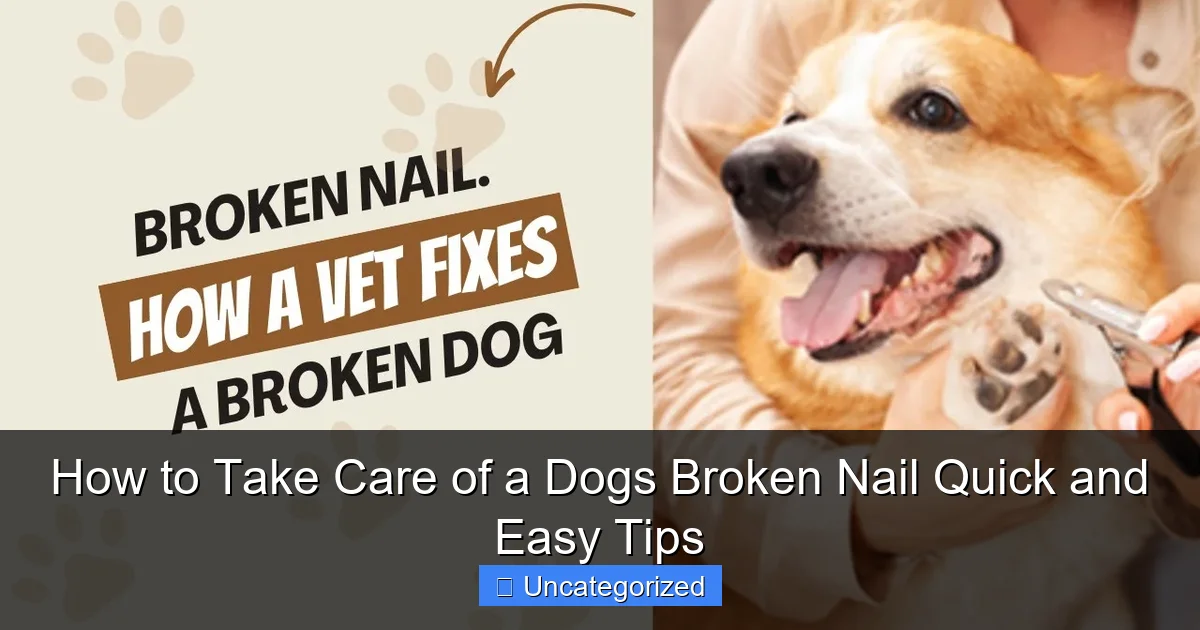
Featured image for how to take care of a dog’s broken nail
Image source: i.ytimg.com
Act quickly to stop bleeding and prevent infection by applying styptic powder or cornstarch to your dog’s broken nail, then gently wrap the paw with a clean bandage. Monitor for swelling, pus, or persistent pain, and consult your vet if symptoms worsen—early care ensures faster healing and keeps your pup comfortable.
Key Takeaways
- Trim carefully: Use clean clippers to remove jagged edges and prevent further tearing.
- Stop bleeding fast: Apply styptic powder or cornstarch to clot blood quickly.
- Clean daily: Wash the area with mild antiseptic to avoid infection.
- Limit activity: Restrict running and jumping to aid healing and reduce pain.
- Monitor closely: Watch for swelling, pus, or limping as signs of infection.
- Use protection: Consider a boot or bandage to shield the nail during healing.
📑 Table of Contents
- How to Take Care of a Dog’s Broken Nail: Quick and Easy Tips
- Recognizing a Broken Nail: Signs and Severity Levels
- Immediate First Aid: What to Do Right After the Break
- Home Care and Pain Management: Supporting Healing
- When to See a Vet: Red Flags and Professional Treatment
- Preventing Future Nail Breaks: Long-Term Strategies
- Conclusion: Be Prepared, Stay Informed, and Keep Your Dog Comfortable
How to Take Care of a Dog’s Broken Nail: Quick and Easy Tips
Discovering your dog has a broken nail can be a distressing experience, especially when you see them limping or licking their paw incessantly. Whether it’s a small crack or a full-on tear, a broken nail is more than just a cosmetic issue—it’s a potential source of pain, infection, and even long-term damage if not handled properly. As a responsible pet parent, knowing how to take care of a dog’s broken nail can make all the difference in your pup’s comfort and recovery. While some minor nail injuries may heal on their own, others require immediate attention to prevent complications. This guide will walk you through everything you need to know, from identifying the severity of the injury to providing first aid, managing pain, and knowing when to seek veterinary help.
Broken nails are surprisingly common in dogs, especially active ones who spend time outdoors, dig, or play rough. Nails can snag on carpet, get caught in fences, or even break during routine walks. According to veterinary sources, nail injuries account for a significant portion of emergency vet visits, particularly during warmer months when dogs are more active. The good news? With the right knowledge and tools, you can manage most broken nail cases at home—saving time, money, and stress. From cleaning the wound to preventing infection and supporting healing, this comprehensive guide offers quick and easy tips to help you care for your dog’s broken nail safely and effectively. Let’s dive in and ensure your furry friend gets back on their paws in no time.
Recognizing a Broken Nail: Signs and Severity Levels
Common Symptoms of a Broken Nail
The first step in caring for a dog’s broken nail is recognizing that it’s actually broken. Dogs are experts at hiding pain, so subtle signs are often your best clues. Look out for:
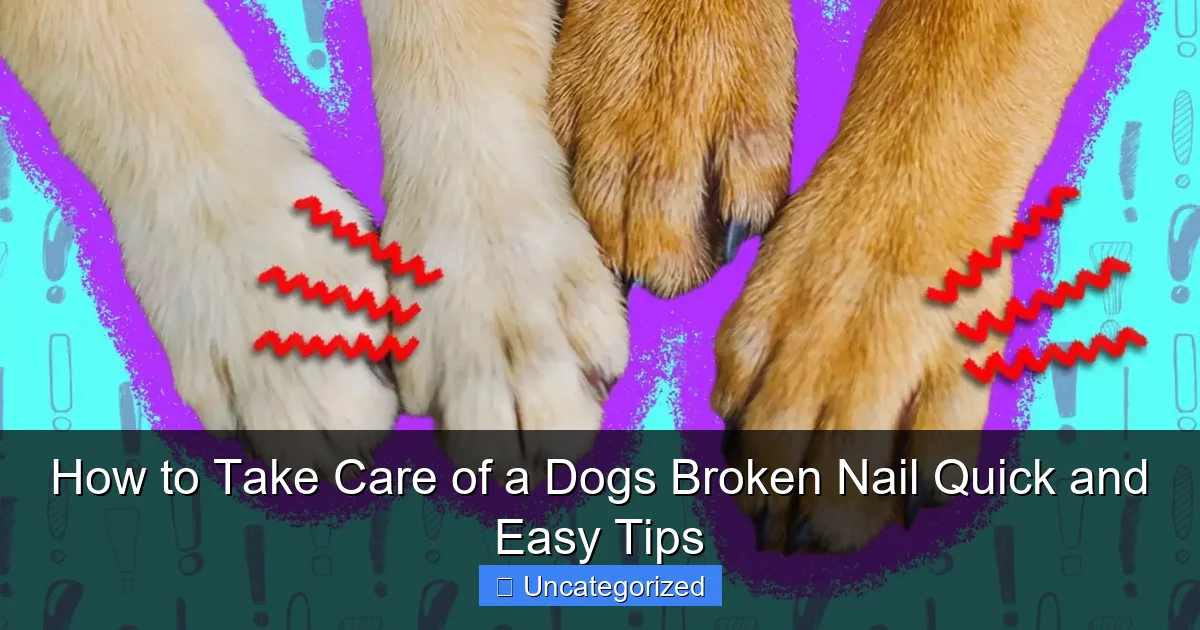
Visual guide about how to take care of a dog’s broken nail
Image source: assets3.thrillist.com
- Limping or favoring one paw – If your dog suddenly starts hopping or avoids putting weight on a limb, a broken nail is a likely culprit.
- Excessive licking or chewing at the paw – Dogs instinctively lick injuries to clean them, but constant attention to a paw may indicate discomfort.
- Bleeding – A broken nail, especially one that tears near the quick, can bleed profusely. Blood may be visible on the floor, bedding, or paw fur.
- Swelling or redness – Inflammation around the nail bed is a sign of trauma or infection.
- Visible nail damage – A split, cracked, or partially hanging nail is a clear indicator. Sometimes, the entire nail may be missing, leaving the sensitive nail bed exposed.
Assessing the Severity: Minor vs. Severe Breaks
Not all broken nails are created equal. Understanding the severity helps you decide whether to treat at home or seek professional help. Here’s a breakdown:
- Minor break (tip only): The break is near the end of the nail, away from the quick (the blood-rich center). There may be slight bleeding, but the dog is usually only mildly uncomfortable. This type often heals well with basic first aid.
- Moderate break (mid-nail): The nail is cracked or partially torn, possibly exposing a portion of the quick. Bleeding is more significant, and the dog may show clear signs of pain. Requires careful cleaning, bandaging, and monitoring.
- Severe break (near or into the quick): The nail is torn close to or into the quick, causing intense pain and heavy bleeding. The nail may be hanging by a thread or completely detached. This level of injury often requires veterinary attention for pain management, antibiotics, or even nail removal.
- Chronic or infected break: If the nail has been broken for days or shows signs of pus, odor, or worsening swelling, infection is likely. This is not a DIY situation—see a vet immediately.
Tip: If you’re unsure about the severity, err on the side of caution. A vet can assess the injury, rule out underlying issues (like bone fractures or ligament damage), and guide your next steps.
Immediate First Aid: What to Do Right After the Break
Step 1: Stay Calm and Restrain Your Dog
Panic won’t help your dog—stay calm. A stressed or in-pain dog may snap or bite, so approach gently. Use a muzzle if your dog is anxious or aggressive (even if they’ve never bitten before). Enlist a helper to hold your dog securely, or place them on a non-slip surface to prevent further injury.
Step 2: Stop the Bleeding
Active bleeding is the most urgent concern. Here’s how to handle it:
- Styptic powder or pencil: This is the gold standard for stopping nail bleeding. Apply directly to the broken nail using a cotton swab or finger. It works by constricting blood vessels. Keep this in your pet first-aid kit at all times.
- Cornstarch or flour: If you don’t have styptic powder, mix cornstarch or flour with a bit of water to make a paste. Apply it to the nail and hold firm pressure for 3–5 minutes.
- Bar soap: In a pinch, press a bar of soap against the bleeding nail. The soap can help clot the blood.
Note: Avoid using hydrogen peroxide or alcohol to clean the nail—they can damage tissue and delay healing. Also, never use superglue on a dog’s nail. It’s toxic and can cause more harm than good.
Step 3: Clean the Wound
Once bleeding is controlled, clean the area to reduce infection risk:
- Use a saline solution or a pet-safe antiseptic like chlorhexidine (0.05–0.1%) to gently wipe the nail and surrounding skin.
- Use a cotton ball or gauze—avoid cotton swabs, which can push debris deeper.
- If the broken nail is hanging, do not pull it off. A loose nail can act as a natural bandage, protecting the sensitive nail bed. Let a vet handle removal if needed.
Step 4: Bandage the Paw (If Needed)
For moderate to severe breaks, a bandage helps protect the nail and prevent licking:
- Place a small piece of non-stick gauze over the nail.
- Wrap the paw with a self-adhesive bandage (like VetWrap), starting from the toes and moving up the leg. Ensure it’s snug but not tight—you should be able to slip a finger underneath.
- Cover the bandage with a plastic bag or bootie if your dog will be walking outdoors.
Tip: Change the bandage daily or whenever it gets wet or dirty. Watch for signs of swelling, redness, or discharge under the bandage—these could indicate infection or poor circulation.
Home Care and Pain Management: Supporting Healing
Medications and Pain Relief
Broken nails can be painful, especially if the quick is involved. Never give human painkillers like ibuprofen, acetaminophen, or aspirin—they’re toxic to dogs. Instead:
- Prescription pain meds: If your dog is in significant pain, your vet may prescribe NSAIDs (non-steroidal anti-inflammatory drugs) like carprofen or meloxicam. These are safe for dogs when dosed correctly.
- Natural pain relief: Some pet parents use CBD oil or turmeric (in vet-approved doses) to support comfort. Always consult your vet before starting any supplement.
- Cold compress: For swelling, apply a cold pack wrapped in a towel to the paw for 10–15 minutes, 2–3 times daily. Never apply ice directly to the skin.
Daily Care Routine
Consistent care is key to preventing infection and promoting healing. Follow this daily routine:
- Clean the paw: Use a pet-safe antiseptic solution to wipe the nail and surrounding area. Rinse with saline if needed.
- Inspect for changes: Look for redness, swelling, pus, or a foul odor. These are signs of infection.
- Reapply bandage: If using one, change it daily. Trim any loose edges of the broken nail with sterile clippers (only if it’s not bleeding).
- Limit activity: Restrict running, jumping, and rough play. Use a leash for walks and keep your dog on smooth, clean surfaces.
- Use an Elizabethan collar (E-collar): If your dog keeps licking the paw, an E-collar or soft recovery collar can prevent irritation.
Diet and Supplements for Nail Health
Strong nails heal faster. Support your dog’s recovery with:
- High-quality protein: Nails are made of keratin, which requires amino acids from protein.
- Omega-3 fatty acids: Found in fish oil, these reduce inflammation and support skin and nail health.
- Biotin and zinc: These nutrients are essential for nail strength. Look for vet-approved supplements or dog foods enriched with biotin.
Example: A 30-pound dog might benefit from 300 mg of omega-3s daily and 2–5 mg of biotin (check with your vet for exact dosing).
When to See a Vet: Red Flags and Professional Treatment
Signs You Need Immediate Veterinary Care
While many broken nails heal at home, some require professional intervention. Seek vet care if your dog shows any of the following:
- Heavy or persistent bleeding that won’t stop after 10–15 minutes of pressure.
- Severe pain (crying, trembling, refusing to walk).
- Signs of infection: Pus, foul odor, worsening redness, or fever (temperature over 103°F).
- Hanging nail: If the nail is dangling and causing discomfort, a vet can safely remove it under sedation.
- Underlying injury: If the paw is swollen, bruised, or you suspect a fracture or ligament damage.
- No improvement after 3–4 days of home care.
What to Expect at the Vet
Your vet will assess the injury and may perform the following:
- Physical exam: To check for fractures, joint issues, or nerve damage.
- Pain management: Administering injectable NSAIDs or opioids for severe pain.
- Antibiotics: Prescribed if infection is suspected or the nail bed is exposed.
- Nail removal: In severe cases, the broken nail may need to be extracted under sedation.
- Bandaging and aftercare instructions: Vets often use advanced dressings like silver-impregnated gauze to prevent infection.
- Follow-up visits: To monitor healing and adjust treatment if needed.
Tip: If your dog has a history of brittle nails or frequent breaks, your vet may recommend blood tests to rule out nutritional deficiencies or endocrine issues like hypothyroidism.
Preventing Future Nail Breaks: Long-Term Strategies
Regular Nail Trimming and Maintenance
The best way to prevent broken nails is to keep them at the right length. Overgrown nails are more likely to snag or crack. Trim your dog’s nails every 3–4 weeks, or when you hear clicking on the floor. Use a high-quality guillotine or grinder-style trimmer, and follow these tips:
- Know the quick: In dogs with light-colored nails, the quick appears as a pinkish area. In dark nails, trim small bits at a time and look for a gray or black dot in the center—this indicates you’re close to the quick.
- Use a grinder for precision: Grinders allow you to sand down sharp edges, reducing the risk of snagging.
- Reward your dog: Use treats and praise to make nail trims a positive experience.
Environmental and Lifestyle Adjustments
Reduce the risk of nail trauma with these practical steps:
- Keep floors clear: Remove clutter, cords, and sharp objects that could catch a nail.
- Trim indoor nails: Use a grinder to smooth sharp edges, especially on hardwood or tile floors.
- Use paw protection: Consider dog booties for outdoor adventures, especially on rough terrain.
- Exercise on soft surfaces: Opt for grass or dirt trails instead of concrete when possible.
- Regular grooming: Check your dog’s paws weekly for cracks, splinters, or early signs of nail damage.
Table: Common Causes of Broken Nails and Prevention Tips
| Cause | Prevention Strategy | Recommended Tool/Product |
|---|---|---|
| Overgrown nails | Trim every 3–4 weeks | Guillotine or grinder trimmer |
| Snagging on carpet/furniture | Trim sharp edges; use area rugs | Nail grinder |
| Rough outdoor terrain | Use booties on hikes | Dog hiking boots |
| Brittle nails | Supplement with omega-3s and biotin | Fish oil or nail-specific supplement |
| Digging | Provide a designated digging zone | Sandbox or dig pit |
| Play-related trauma | Supervise rough play; use soft toys | Rubber or plush toys |
Prevention is always easier—and less painful—than treatment. By integrating regular nail care, environmental safety, and proper nutrition into your routine, you can significantly reduce the risk of broken nails and keep your dog’s paws healthy and strong.
Conclusion: Be Prepared, Stay Informed, and Keep Your Dog Comfortable
Taking care of a dog’s broken nail doesn’t have to be overwhelming. With the right tools, knowledge, and a calm approach, you can manage most cases at home and help your furry friend recover quickly. From recognizing the signs of a break to providing immediate first aid, managing pain, and preventing future injuries, each step plays a crucial role in your dog’s healing journey. Remember, the key is to act fast, stay consistent with daily care, and never hesitate to seek veterinary help when needed. A broken nail may seem like a small issue, but it can escalate quickly without proper attention.
Equip your home with a pet first-aid kit (including styptic powder, antiseptic, gauze, and bandages), schedule regular nail trims, and keep an eye on your dog’s paw health. By being proactive and informed, you’ll not only save on emergency vet bills but also ensure your dog stays active, comfortable, and happy. Whether it’s a tiny crack or a major tear, knowing how to take care of a dog’s broken nail empowers you to be the best pet parent possible. After all, your dog relies on you—not just for love and treats, but for their health and well-being. So keep these quick and easy tips handy, and rest easy knowing you’re ready for anything.
Frequently Asked Questions
How do I know if my dog has a broken nail?
A broken nail often causes limping, excessive licking, or bleeding. Check your dog’s paw for a cracked, split, or dangling nail, especially after outdoor activities.
What should I do immediately for a dog’s broken nail?
First, stop the bleeding by applying styptic powder or cornstarch to the nail. Then, gently clean the area with mild antiseptic to prevent infection before contacting your vet.
Can I treat a dog’s broken nail at home?
Minor breaks can be managed at home with proper cleaning, bandaging, and monitoring. However, if the nail is severely torn, bleeding heavily, or causing extreme pain, seek veterinary care immediately.
How to take care of a dog’s broken nail to prevent infection?
Keep the area clean by washing it daily with a pet-safe antiseptic. Limit your dog’s activity and use a protective boot or bandage to avoid dirt and bacteria exposure.
Should I trim a broken nail on my dog?
Only trim the loose, dangling part with clean clippers if necessary—avoid cutting into the quick (the sensitive pink area). If unsure, consult your vet to safely handle the dog’s broken nail.
How long does a broken nail take to heal in dogs?
Most minor nail injuries heal within 7–10 days with proper care. Severe cases may take weeks, and your vet might recommend antibiotics or a splint for a dog’s broken nail.