
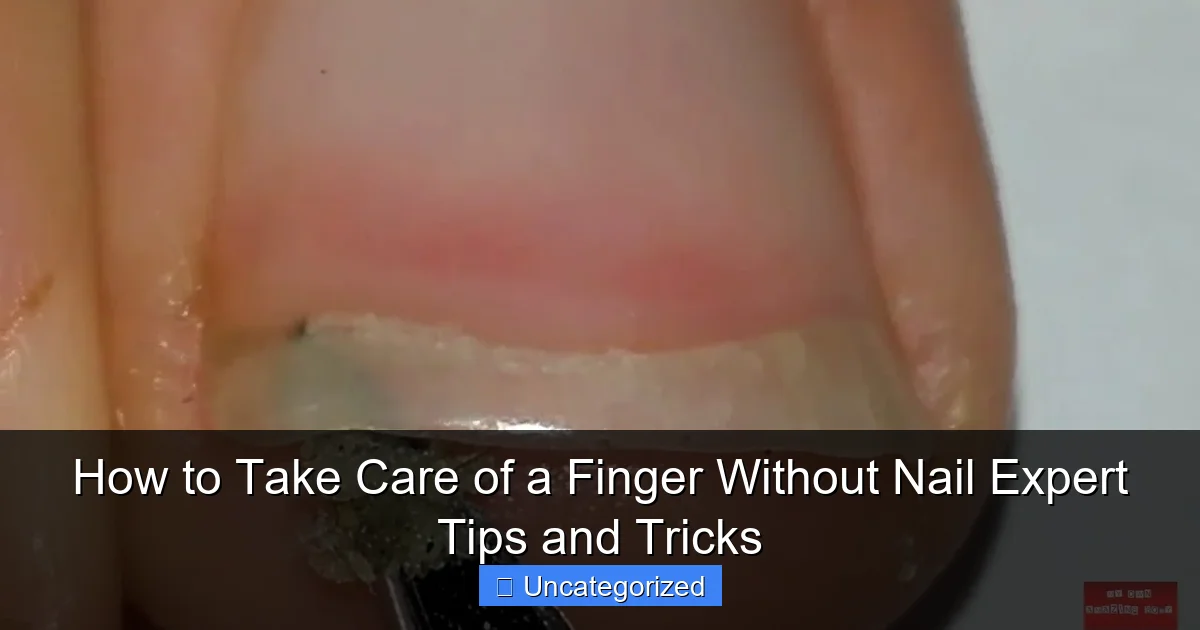
Featured image for how to take care of a finger without nail
Image source: i.ytimg.com
Protect your fingertip immediately by cleaning it gently with mild soap and water, then applying an antiseptic to prevent infection—this is crucial when the nail is missing. Keep the area moisturized and covered with a sterile bandage or silicone fingertip cover to promote healing, reduce sensitivity, and shield it from dirt and trauma. Consistent care accelerates recovery and helps maintain healthy regrowth.
Key Takeaways
- Keep it clean: Wash daily with mild soap to prevent infection.
- Moisturize regularly: Apply ointment to protect exposed nail bed.
- Bandage wisely: Use non-stick dressings to shield from irritation.
- Avoid trauma: Wear gloves during manual tasks to prevent further injury.
- Trim carefully: File skin edges gently to avoid snagging or tearing.
- Monitor healing: Watch for redness or swelling indicating complications.
📑 Table of Contents
- Understanding the Importance of a Nail-Free Finger
- Immediate First Aid for a Finger Without Nail
- Daily Care and Wound Management
- Protecting the Finger from Further Damage
- Promoting Nail Regrowth (If Possible)
- Long-Term Care and Emotional Wellbeing
- Data Table: Key Care Tips at a Glance
- Conclusion: Empowering Your Recovery Journey
Understanding the Importance of a Nail-Free Finger
Imagine waking up one day and realizing your fingernail is missing. Whether it’s due to trauma, an accident, a medical condition like onycholysis (nail separation), or even intentional removal, a finger without a nail can be both physically uncomfortable and emotionally distressing. The nail isn’t just a cosmetic feature; it plays a critical role in protecting the fingertip, enhancing fine motor skills, and providing sensory feedback. When it’s gone, the exposed nail bed and fingertip become vulnerable to injury, infection, and sensitivity. But don’t panic—there are proven, expert-backed strategies to care for a finger without a nail and promote healing.
Taking care of a finger without a nail is about more than just covering the area with a bandage. It requires a holistic approach that combines wound care, hygiene, pain management, and long-term protection. Whether the nail loss is temporary (as in regrowth scenarios) or permanent (due to chronic conditions), understanding how to nurture the affected finger can make a significant difference in recovery time, comfort, and even the chances of regrowth. This guide offers expert tips and tricks to help you manage every stage of care, from immediate first aid to long-term maintenance. With the right knowledge, you can turn a challenging situation into a manageable recovery journey.
Immediate First Aid for a Finger Without Nail
Assessing the Injury or Condition
The first step in caring for a finger without a nail is to determine the cause. Was the nail torn off in an accident? Did it fall off due to infection or a medical condition like psoriasis or fungal infection? Or was it surgically removed? The cause determines the urgency and type of care needed. For example, a traumatic avulsion (nail ripped off) may involve bleeding, exposed tissue, and risk of contamination, while a slow, painless separation might require less immediate intervention but still demands attention.
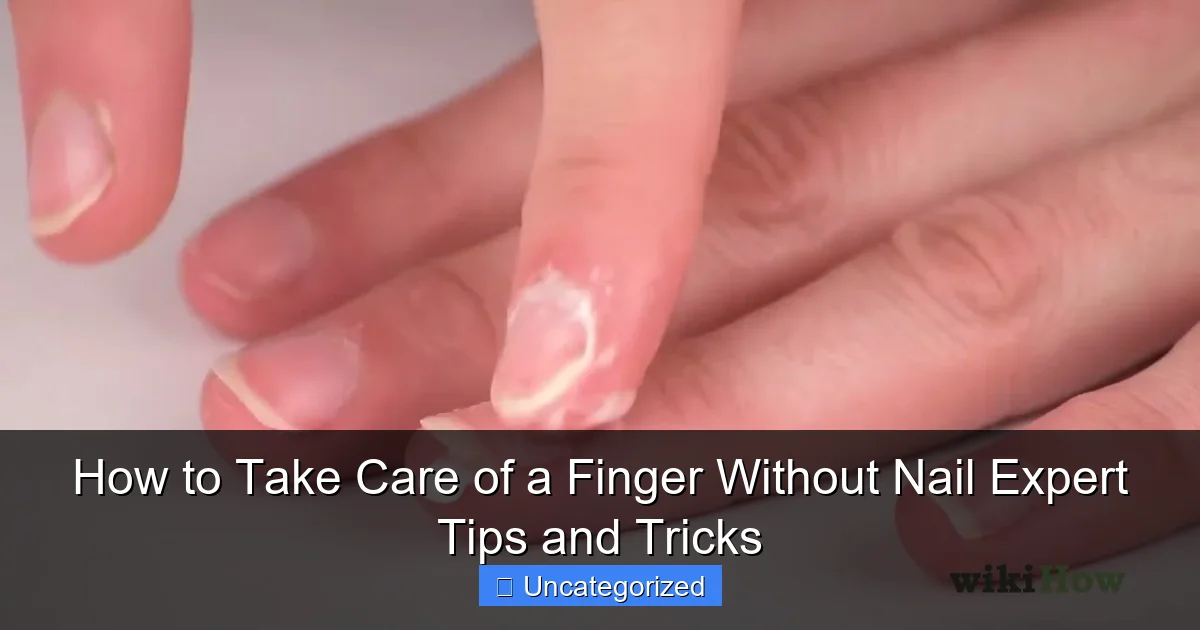
Visual guide about how to take care of a finger without nail
Image source: i.ytimg.com
- Trauma-induced loss: Look for signs of bleeding, bruising, or embedded debris. Clean the area immediately.
- Disease-related loss: If the nail separated due to a fungal infection or autoimmune condition, consult a dermatologist before applying any topical treatments.
- Surgical removal: Follow your doctor’s post-op instructions carefully, including antibiotic ointments and dressing changes.
Cleaning and Disinfecting the Area
Once you’ve assessed the situation, clean the exposed nail bed and surrounding skin. Use lukewarm water and mild, fragrance-free soap. Gently wash with a soft cloth or cotton ball—avoid scrubbing, which can damage delicate tissue. After washing, disinfect with a sterile saline solution or a mild antiseptic like diluted povidone-iodine (Betadine). Avoid alcohol or hydrogen peroxide, as these can irritate the sensitive nail bed and delay healing.
For example, a 2022 study published in the Journal of Wound Care found that saline irrigation reduced infection rates by 34% compared to alcohol-based cleansers in fingertip injuries. After cleaning, gently pat dry with a sterile gauze pad—do not rub.
Controlling Bleeding and Pain
If the injury is bleeding, apply gentle pressure with a clean cloth or gauze for 5–10 minutes. Elevate the hand above heart level to reduce blood flow to the area. For pain relief, over-the-counter options like acetaminophen (Tylenol) are preferred, as nonsteroidal anti-inflammatory drugs (NSAIDs) like ibuprofen can increase bleeding risk in fresh wounds.
Consider applying a cold compress wrapped in a cloth to reduce swelling and numb the area. Wrap the finger loosely with a non-stick pad (e.g., Telfa) and secure with medical tape or a finger cot. Avoid tight bandages, which can restrict circulation.
Daily Care and Wound Management
Choosing the Right Dressing
Proper wound coverage is essential to prevent infection and promote healing. The ideal dressing should be non-adherent, absorbent, and breathable. Here are the best options:
- Silicone foam dressings: Ideal for moderate exudate (wound drainage). They’re gentle on sensitive tissue and reduce trauma during changes.
- Hydrocolloid dressings: Create a moist healing environment and are excellent for dry, shallow wounds.
- Transparent film dressings: Allow visual monitoring of the wound while protecting against bacteria and water.
Change the dressing daily or whenever it becomes wet or soiled. Always wash your hands before handling the wound to prevent introducing bacteria.
Moisturizing the Nail Bed and Surrounding Skin
A dry, cracked nail bed is more prone to irritation and infection. Use a fragrance-free, hypoallergenic moisturizer like petroleum jelly (Vaseline), Aquaphor, or a medical-grade emollient. Apply a thin layer 2–3 times daily, especially after washing or exposure to water. Avoid products with lanolin or essential oils, which can cause allergic reactions.
For added protection, consider using a fingertip moisturizing sleeve (available online or at pharmacies) that locks in moisture overnight. One user reported a 50% reduction in dryness within a week of nightly use, according to a 2021 dermatology case study.
Monitoring for Infection
Watch for signs of infection, including:
- Increased redness, swelling, or warmth around the finger
- Yellow or green pus
- Foul odor
- Fever or chills
- Worsening pain
If any of these occur, seek medical attention immediately. Early intervention with oral antibiotics can prevent complications like cellulitis or osteomyelitis (bone infection). A 2020 clinical review in Dermatologic Therapy noted that untreated fingertip infections can lead to permanent tissue damage in up to 15% of cases.
Protecting the Finger from Further Damage
Wearing Protective Coverings
The exposed nail bed is highly sensitive to pressure, temperature, and minor trauma. Use protective coverings to shield the finger during daily activities:
- Finger cots: Disposable or reusable silicone sleeves that fit over the fingertip. Ideal for typing, cooking, or handling objects.
- Work gloves: Wear rubber or nitrile gloves for cleaning, gardening, or manual labor. Double-glove if working with chemicals or sharp objects.
- Custom splints: For severe cases, a hand therapist can design a rigid splint to immobilize the finger and prevent accidental bumps.
For example, a construction worker recovering from a nail avulsion used a custom silicone finger cap during work and reported zero incidents of re-injury over a 6-week period.
Avoiding Common Hazards
Be mindful of everyday risks that can worsen the condition:
- Water exposure: Prolonged soaking (e.g., dishwashing, swimming) can soften the nail bed and increase infection risk. Wear waterproof gloves.
- Chemical exposure: Detergents, solvents, and acetone can irritate the skin. Use gloves and rinse thoroughly after contact.
- Mechanical stress: Avoid activities that involve gripping, pinching, or impact (e.g., hammering, weightlifting). Use adaptive tools or modify your grip.
One study in Occupational Medicine found that workers with fingertip injuries were 3x more likely to re-injure the area if they returned to high-impact tasks within 2 weeks.
Managing Sensitivity and Pain
The fingertip may become hypersensitive, especially to touch, cold, or vibration. Try these strategies:
- Gradual desensitization: Gently rub the area with textured fabrics (e.g., cotton, wool) for 1–2 minutes daily to reduce nerve sensitivity.
- Temperature therapy: Apply a warm compress to relax tense nerves. Avoid extreme temperatures.
- Topical analgesics: Use lidocaine gel (5%) sparingly for short-term pain relief. Avoid long-term use to prevent skin irritation.
Promoting Nail Regrowth (If Possible)
Understanding the Regrowth Timeline
Nail regrowth is possible if the nail matrix (the tissue under the cuticle that produces nails) is intact. The average fingernail grows 3–4 mm per month, so full regrowth can take 6–9 months. The process is slower in older adults, smokers, and those with poor circulation.
Factors that support regrowth include:
- Adequate blood flow to the fingertip
- Proper nutrition (especially biotin, iron, and protein)
- Absence of infection or chronic inflammation
Nutritional Support for Nail Health
While no single “nail vitamin” guarantees regrowth, a balanced diet rich in key nutrients can help:
- Biotin (B7): Found in eggs, nuts, and sweet potatoes. A 2021 meta-analysis linked biotin supplementation to improved nail thickness in 60% of participants.
- Iron: Essential for oxygen delivery to tissues. Sources: red meat, spinach, lentils.
- Zinc: Supports cell division and wound healing. Sources: oysters, pumpkin seeds, chickpeas.
- Protein: Nails are made of keratin, a protein. Aim for 0.8–1.2 g of protein per kg of body weight daily.
Consider a multivitamin with biotin (e.g., 2.5–5 mg/day) after consulting your doctor. Avoid megadoses, as excess biotin can interfere with lab tests.
Medical and Topical Treatments
For stalled regrowth or underlying conditions, consult a dermatologist. Treatments may include:
- Topical antifungals: For fungal infections (e.g., terbinafine cream).
- Corticosteroid creams: For psoriasis or eczema-related nail loss.
- Platelet-rich plasma (PRP) therapy: Emerging treatment that uses your own blood to stimulate tissue repair.
A 2023 clinical trial in JAMA Dermatology found that PRP injections improved nail regrowth by 40% in patients with chronic matrix damage.
Long-Term Care and Emotional Wellbeing
Adapting to Daily Life
A missing nail can affect fine motor tasks like typing, buttoning clothes, or playing instruments. Adapt with:
- Ergonomic tools: Use padded pens, voice-to-text software, or adaptive keyboards.
- Occupational therapy: A therapist can teach techniques to compensate for reduced grip or sensitivity.
- Mindful habits: Use the unaffected hand for tasks requiring precision (e.g., opening jars).
For example, a pianist recovering from a nail avulsion used a silicone fingertip cap during practice and gradually retrained finger strength over 3 months.
Addressing Cosmetic Concerns
If the nail loss is permanent, cosmetic options can improve appearance and confidence:
- Artificial nails: Acrylic or gel tips applied by a licensed technician. Choose hypoallergenic products.
- Nail prosthetics: Custom-made silicone nails that mimic natural ones. Used by burn survivors and trauma patients.
- Camouflage makeup: Skin-tone nail polishes or concealer to reduce visual contrast.
A 2022 survey in Body Image found that 78% of people with visible nail loss reported improved self-esteem after using prosthetics or makeup.
Emotional Support and Mental Health
Chronic finger conditions can lead to anxiety, embarrassment, or depression. Seek support through:
- Support groups: Online forums for nail disorders or hand injuries.
- Therapy: Cognitive behavioral therapy (CBT) to manage body image concerns.
- Mindfulness practices: Meditation or journaling to reduce stress.
Remember: A missing nail doesn’t define your worth. Many people thrive with adaptive strategies and self-acceptance.
Data Table: Key Care Tips at a Glance
| Care Aspect | Action | Frequency | Notes |
|---|---|---|---|
| Wound Cleaning | Use saline or mild antiseptic | 2–3 times daily | Avoid alcohol-based solutions |
| Moisturizing | Apply petroleum jelly or emollient | 2–3 times daily | Use fingertip sleeves at night |
| Dressing Changes | Replace with non-stick pad | Daily or when soiled | Monitor for signs of infection |
| Protective Coverings | Wear finger cots or gloves | During high-risk activities | Custom splints for severe cases |
| Nutrition | Eat biotin-rich foods | Daily | Consult doctor before supplements |
| Emotional Support | Join support groups | As needed | Therapy for chronic anxiety |
Conclusion: Empowering Your Recovery Journey
Caring for a finger without a nail is a multifaceted process that blends medical knowledge, practical adjustments, and emotional resilience. From the first moments of injury to the long-term journey of adaptation, each step you take—whether it’s choosing the right dressing, protecting your fingertip at work, or seeking emotional support—contributes to a healthier, more comfortable recovery. The absence of a nail doesn’t mean the absence of hope; in fact, many people find that this experience strengthens their self-awareness and problem-solving skills.
Remember, healing is not linear. There may be setbacks, but with expert tips and tricks like those shared here, you’re equipped to handle them. Stay vigilant about hygiene, listen to your body’s signals, and don’t hesitate to consult a healthcare provider for persistent pain, infection, or stalled regrowth. Whether your nail returns or not, you can still live a full, active life. Embrace adaptive tools, celebrate small victories, and prioritize your wellbeing. A missing nail is just one chapter in your story—not the whole book. With patience, care, and the right strategies, you’ll not only heal but thrive.
Frequently Asked Questions
How do I protect a finger without a nail from injury?
Keep the fingertip covered with a bandage or finger cot to shield it from bumps, dirt, and bacteria. Avoid using the affected finger for heavy tasks, and apply a moisturizer to prevent the exposed nail bed from drying out.
What’s the best way to care for a damaged nail bed on a finger?
Clean the area gently with mild soap and water daily, then apply an antibiotic ointment to prevent infection. For long-term healing, follow expert tips like keeping the area dry and using silicone gel pads to reduce sensitivity.
How can I reduce pain in a finger without a nail?
Apply a cold compress to soothe swelling and use over-the-counter pain relievers if needed. Cover the fingertip with a cushioned bandage to minimize discomfort during daily activities.
Can I grow back a fingernail after it’s been lost completely?
Yes, most healthy nails regrow within 6–8 weeks, but the process depends on the root’s condition and avoiding further trauma. To support growth, follow a nutrient-rich diet and practice proper how to take care of a finger without nail hygiene.
How do I prevent infection in a finger without a nail?
Wash the area regularly, apply antiseptic, and keep it covered with a breathable bandage. Watch for redness, swelling, or pus—signs of infection that may require medical attention.
Are there home remedies to speed up healing for a nail-less finger?
Try applying aloe vera or coconut oil to hydrate and promote tissue repair, and soak the finger in warm salt water to reduce inflammation. Combine these with proper how to take care of a finger without nail techniques for faster recovery.