
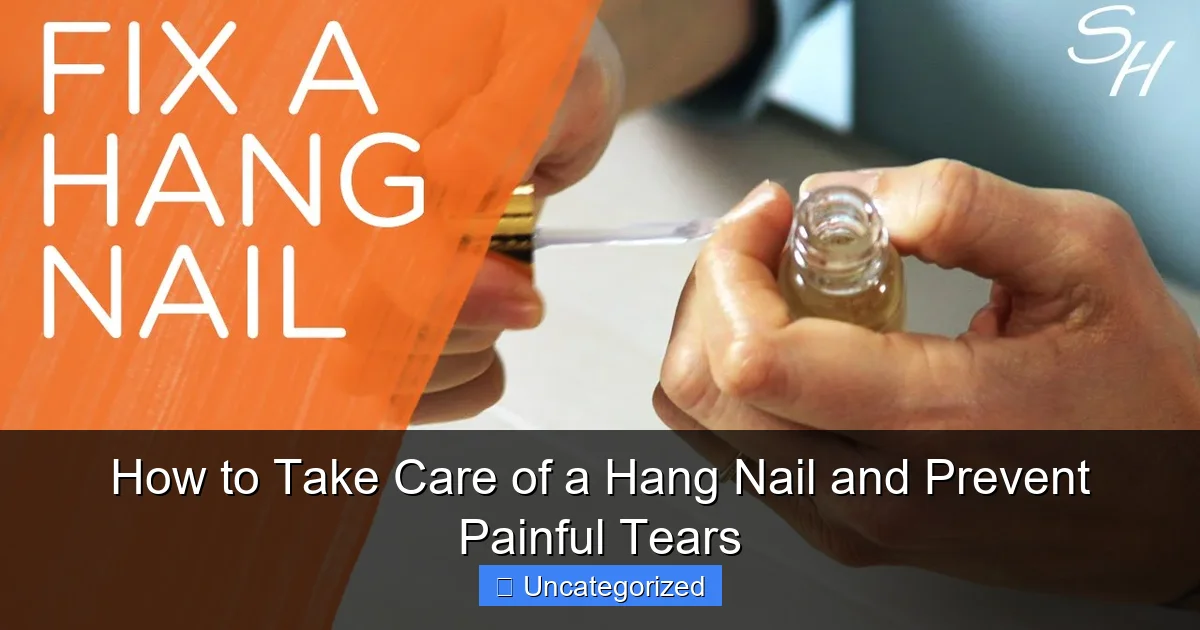
Featured image for how to take care of a hang nail
Image source: i.ytimg.com
Trim hangnails carefully with clean, sterilized cuticle scissors to avoid infection and prevent painful tears—never pull or bite them. Apply moisturizer and cuticle oil daily to keep skin supple and reduce future hangnail formation. Consistency is key to healing and long-term prevention.
Key Takeaways
- Trim carefully: Use clean clippers to cut hangnails—never pull or rip them.
- Moisturize daily: Apply cuticle oil or cream to keep skin flexible and hydrated.
- Protect hands: Wear gloves during chores to shield nails from harsh chemicals.
- Avoid biting: Break the habit to prevent infections and further damage.
- Disinfect promptly: Clean and treat torn hangnails immediately to avoid infection.
- Stay hydrated: Drink water to maintain skin and nail health from within.
📑 Table of Contents
- Understanding Hang Nails: What They Are and Why They Happen
- Immediate Steps to Treat a Hang Nail at Home
- Long-Term Prevention: Daily Habits for Healthier Nails and Cuticles
- Professional Care and When to See a Dermatologist
- Diet and Nutrition: Fueling Healthy Nails from the Inside
- Advanced Tips: Tools, Techniques, and Seasonal Adjustments
Understanding Hang Nails: What They Are and Why They Happen
Few things are as unexpectedly painful as a hang nail—a small, seemingly harmless tear in the skin surrounding your nail that can cause sharp, throbbing discomfort with every movement. Whether you’ve experienced one while typing, washing dishes, or simply reaching for your keys, a hang nail can quickly turn a normal day into an uncomfortable ordeal. Despite their small size, these tiny skin tears are more than just a nuisance; they’re a sign that your nail health and skin barrier may need attention.
Hang nails, medically referred to as onychoschizia when involving the nail plate or paronychia when infection occurs, are small pieces of skin that have partially detached from the nail fold or cuticle area. They typically form on the sides of the fingers, near the base of the nail, and can range from barely noticeable to excruciatingly painful. While they may seem like a minor issue, untreated hang nails can lead to infections, deeper tears, or chronic nail problems. Understanding the root causes—such as dry skin, frequent hand exposure to water or chemicals, nail biting, or improper manicure techniques—is the first step toward effective prevention and care.
Immediate Steps to Treat a Hang Nail at Home
When a hang nail appears, swift and proper treatment is essential to prevent further tearing, reduce pain, and avoid infection. The goal is to stabilize the tear, protect the surrounding tissue, and promote healing. Here’s a step-by-step guide to managing a hang nail as soon as you notice it.
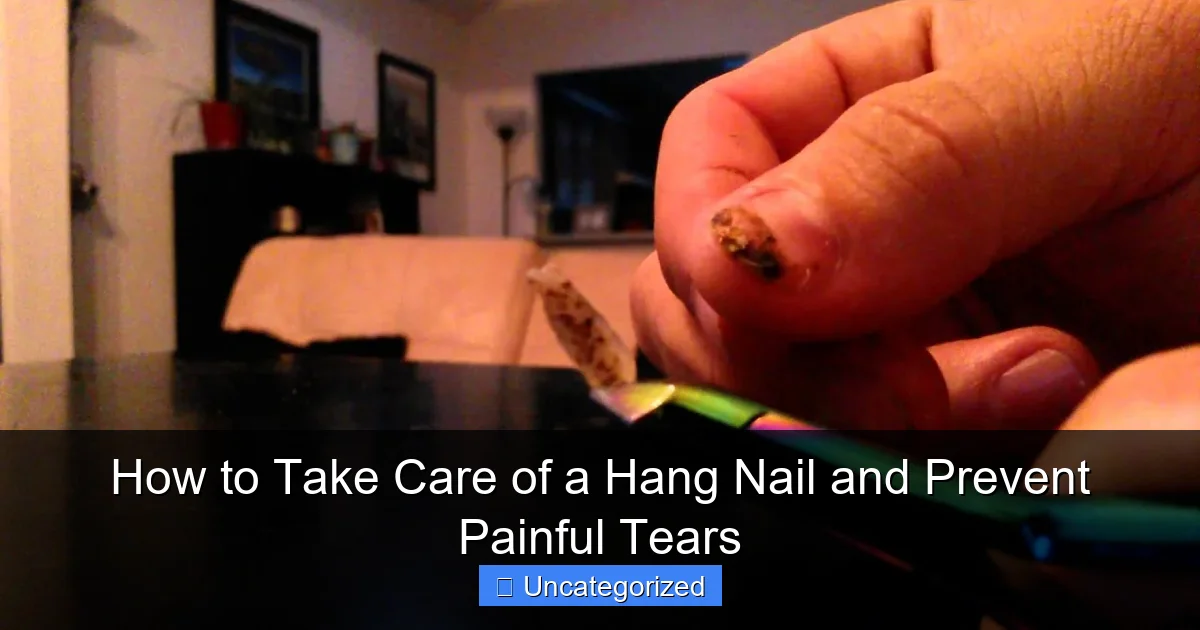
Visual guide about how to take care of a hang nail
Image source: i.ytimg.com
Gather the Right Tools
Before you begin, ensure you have clean, sterilized tools. You’ll need:
- Sharp, pointed cuticle scissors or nail nippers (not regular scissors)
- Disinfectant (rubbing alcohol or hydrogen peroxide)
- Antibiotic ointment (e.g., Neosporin or bacitracin)
- Small adhesive bandage or finger cot
- Cotton swabs and warm water
Tip: Always sterilize tools with rubbing alcohol before and after use to prevent introducing bacteria into the wound.
Clean the Area Thoroughly
Wash your hands with mild soap and warm water. Gently pat the affected finger dry. Use a cotton swab dipped in rubbing alcohol to disinfect the hang nail and surrounding skin. This reduces the risk of infection and prepares the area for treatment.
Trim, Don’t Pull
One of the most common—and damaging—mistakes people make is pulling or biting off a hang nail. This can tear healthy skin, increase pain, and create an open wound prone to infection. Instead, use sterilized cuticle scissors to carefully snip the loose skin as close to the base as possible without cutting into the live tissue. Make a clean, precise cut. If the hang nail is too deep or painful to trim, leave it and focus on protection and moisturizing until it loosens naturally.
Apply Antibiotic Ointment and Protect the Area
After trimming, apply a thin layer of antibiotic ointment to the wound and surrounding nail fold. This helps prevent infection and soothes irritation. Cover the area with a small adhesive bandage or finger cot, especially if you’ll be using your hands for tasks involving water, dirt, or chemicals. Change the bandage daily or whenever it becomes wet or dirty.
Example: If you’re washing dishes, wear rubber gloves over the bandaged finger to keep it dry and protected. For office workers, consider using a small finger sleeve during typing to reduce friction.
Monitor for Signs of Infection
Keep an eye on the treated area for 24–48 hours. Redness, swelling, pus, increasing pain, or warmth around the nail may indicate infection. If these symptoms appear, discontinue home treatment and consult a healthcare provider. Early intervention can prevent complications like paronychia (nail fold infection).
Long-Term Prevention: Daily Habits for Healthier Nails and Cuticles
While treating a hang nail is important, prevention is far more effective—and less painful. By adopting a few daily habits, you can significantly reduce the frequency of hang nails and maintain strong, resilient nails and skin.
Moisturize Regularly—Especially After Washing Hands
Dry skin is the primary culprit behind hang nails. When the cuticles and surrounding skin lose moisture, they become brittle and prone to cracking. Make it a habit to apply hand cream or cuticle oil immediately after washing your hands or getting them wet. This helps seal in moisture before the skin has a chance to dry out.
Choose products containing:
- Shea butter or cocoa butter (deep moisturizers)
- Jojoba or argan oil (lightweight, non-greasy oils that absorb quickly)
- Lanolin (a natural emollient that mimics skin’s sebum)
- Hyaluronic acid (attracts moisture to the skin)
Pro Tip: Keep a small tube of hand cream at your desk, in your bag, and by the sink. Use it at least 3–5 times a day, especially in winter or dry climates.
Use Cuticle Oil Daily
Cuticle oil is a game-changer for preventing hang nails. Unlike regular hand lotion, cuticle oil is formulated to penetrate deep into the nail fold and stimulate circulation, promoting healthier cuticle growth. Apply 1–2 drops per nail and gently massage it in using your thumb or a soft brush.
Example: Try a blend of jojoba oil, vitamin E, and tea tree oil—jojoba mimics natural skin oils, vitamin E repairs damaged tissue, and tea tree has mild antibacterial properties.
Avoid Harsh Soaps and Excessive Water Exposure
Frequent handwashing is essential for hygiene, but it strips natural oils from your skin. Opt for fragrance-free, moisturizing soaps and avoid antibacterial soaps unless necessary. After washing, rinse with lukewarm (not hot) water, as heat dries out skin faster.
For jobs involving prolonged water exposure (e.g., dishwashing, cleaning, healthcare), wear nitrile or rubber gloves. These create a moisture barrier and protect your hands from detergents, chlorine, and other irritants.
Stop Nail Biting and Cuticle Picking
Habitual nail biting or picking at cuticles is a major cause of hang nails. These behaviors create micro-tears in the skin and weaken the nail matrix over time. Break the habit by:
- Using a bitter-tasting nail polish designed to deter biting
- Keeping nails trimmed short
- Applying cuticle oil to make the area less tempting to pick
- Using stress-relief alternatives (e.g., fidget toys, deep breathing)
Data Point: A 2020 study in the Journal of Dermatological Treatment found that 80% of participants who stopped nail biting reported fewer hang nails within 6 weeks.
Professional Care and When to See a Dermatologist
While most hang nails can be managed at home, certain situations require professional attention. Knowing when to seek help can prevent complications and ensure faster healing.
Signs You Need Medical Intervention
Consult a dermatologist or healthcare provider if you experience:
- Swelling, redness, or pus around the nail (signs of infection)
- Increasing pain that doesn’t improve with home care
- Fever or chills (indicates systemic infection)
- Recurring hang nails (more than 3–4 times per year)
- Thickened, discolored, or misshapen nails (may indicate fungal infection or psoriasis)
Untreated paronychia can lead to abscess formation or even bone infection in rare cases. Early treatment with oral antibiotics or drainage may be necessary.
What to Expect During a Dermatology Visit
A dermatologist will examine the affected nail and may:
- Prescribe oral antibiotics (e.g., cephalexin) for bacterial infections
- Recommend antifungal medication if a fungal cause is suspected
- Perform a minor in-office procedure to drain pus or remove debris
- Conduct a skin biopsy if the cause is unclear (e.g., autoimmune condition)
They may also evaluate your overall nail health and recommend lifestyle changes, such as dietary adjustments or topical treatments.
Professional Manicures: Do’s and Don’ts
While salon manicures can feel luxurious, improper techniques can worsen hang nails. To protect your cuticles:
- Do: Choose salons that use sterilized tools and follow hygiene protocols
- Do: Request that cuticles be pushed back gently—not cut
- Don’t: Allow excessive cuticle trimming or aggressive buffing
- Don’t: Use shared nail files or buffers (bring your own)
Example: If a technician uses a metal cuticle pusher too aggressively, it can damage the nail fold and lead to hang nails. Politely ask them to use a soft, wooden stick instead.
Diet and Nutrition: Fueling Healthy Nails from the Inside
Your nails are a reflection of your internal health. Just as poor diet affects your skin and hair, it can also weaken nails and make them more prone to hang nails. Nutrient deficiencies often manifest as brittle, peeling, or easily torn nails.
Key Nutrients for Nail Strength and Cuticle Health
| Nutrient | Role in Nail Health | Food Sources |
|---|---|---|
| Protein | Nails are made of keratin, a structural protein. Low protein intake leads to weak, brittle nails. | Eggs, chicken, fish, tofu, lentils, Greek yogurt |
| Biotin (Vitamin B7) | Supports keratin infrastructure and prevents splitting. Deficiency causes fragile nails and hang nails. | Almonds, sweet potatoes, spinach, salmon, sunflower seeds |
| Omega-3 Fatty Acids | Reduce inflammation, improve skin elasticity, and prevent dry cuticles. | Fatty fish (salmon, mackerel), flaxseeds, chia seeds, walnuts |
| Zinc | Essential for cell repair and immune function. Deficiency linked to hang nails and slow healing. | Pumpkin seeds, beef, chickpeas, cashews, oysters |
| Vitamin C | Promotes collagen production, which strengthens skin and cuticles. | Citrus fruits, bell peppers, strawberries, broccoli |
| Iron | Prevents anemia-related nail changes (e.g., spoon-shaped nails). Poor circulation from low iron can cause dry skin. | Spinach, red meat, lentils, fortified cereals |
Hydration: The Foundation of Healthy Skin
Dehydration is a silent contributor to dry, flaky cuticles. Aim to drink at least 2–3 liters of water daily. Monitor your urine color: pale yellow indicates good hydration; dark yellow suggests you need more fluids.
Tip: Add lemon or cucumber slices to water for flavor and a boost of vitamin C.
Supplements: When Diet Isn’t Enough
If you have a restricted diet (e.g., vegan, vegetarian) or digestive issues, consider supplements:
- Biotin (2.5–5 mg/day): Shown in clinical trials to improve nail thickness and reduce splitting.
- Collagen peptides (5–10 g/day): Supports skin and nail elasticity.
- Multivitamin with zinc and iron: Addresses multiple deficiencies at once.
Note: Always consult a doctor before starting supplements, especially if you have underlying health conditions.
Advanced Tips: Tools, Techniques, and Seasonal Adjustments
To truly master hang nail prevention, consider advanced strategies tailored to your lifestyle and environment.
Invest in Quality Tools
Not all nail tools are created equal. Use:
- German stainless steel cuticle nippers: Precision-engineered for clean cuts without crushing tissue
- Glass or crystal nail files: Less damaging than emery boards, which create micro-tears
- Cuticle pusher with a rounded tip: Gently pushes back cuticles without scraping
Seasonal Care Routines
Hang nails are more common in winter due to dry indoor air and cold temperatures. Adjust your routine:
- Winter: Use a humidifier at home and work. Apply heavier creams (e.g., ointments) at night. Wear gloves outdoors.
- Summer: Protect nails from sun damage with SPF hand lotions. Rinse off chlorine after swimming.
- Spring/Fall: Focus on exfoliation (once a week) to remove dead skin, followed by deep moisturizing.
DIY Cuticle Masks and Soaks
For intensive care, try at-home treatments:
- Honey and olive oil mask: Mix 1 tbsp raw honey with 1 tsp olive oil. Apply for 10 minutes, then rinse. Honey is antibacterial; olive oil deeply moisturizes.
- Warm oil soak: Soak nails in warm (not hot) coconut or olive oil for 15 minutes, 2–3 times per week.
- Oatmeal scrub: Combine ground oatmeal with honey for a gentle exfoliant that soothes dry skin.
Stress Management and Nail Health
Chronic stress increases cortisol levels, which can impair skin regeneration and weaken nails. Incorporate stress-reducing practices:
- Daily 10-minute meditation
- Yoga or stretching
- Journaling to identify and address stress triggers
Taking care of a hang nail isn’t just about treating a small tear—it’s about nurturing your entire nail ecosystem. From immediate first aid to long-term prevention, the strategies outlined above create a comprehensive approach to keeping your nails and cuticles healthy, strong, and free from painful tears. Remember, consistency is key. A daily 2-minute routine of moisturizing, gentle care, and protection can save you from days of discomfort. By understanding the causes, treating hang nails properly, and adopting preventive habits, you’ll not only avoid future tears but also enjoy stronger, more beautiful nails year-round. Your hands do so much for you—give them the care they deserve.
Frequently Asked Questions
What is the best way to treat a hang nail?
The safest way to take care of a hang nail is to clip it carefully with clean, sanitized nail clippers. Avoid pulling or biting it, as this can cause painful tears or infections.
How can I prevent hang nails from happening?
Keep your hands moisturized with hand cream or cuticle oil, especially in dry or cold weather, to prevent hang nails. Wearing gloves during chores and avoiding harsh soaps also helps protect your cuticles.
Can I use home remedies to treat a hang nail?
Yes, soaking the affected finger in warm water with Epsom salt or applying petroleum jelly can soothe and moisturize the area. These remedies help soften the skin and promote healing while reducing the risk of infection.
Why do hang nails get infected, and how do I avoid it?
Hang nails can become infected if bacteria enter the broken skin around the cuticle. To avoid infection, always sanitize tools, avoid picking at the nail, and apply an antibacterial ointment if the area is red or swollen.
How long does it take for a hang nail to heal?
With proper care, a hang nail typically heals within a few days to a week. Keeping the area clean and moisturized speeds up recovery and reduces the chance of further irritation.
Should I see a doctor for a hang nail?
You should consult a doctor if the hang nail becomes severely inflamed, oozes pus, or doesn’t improve after a few days. These signs may indicate an infection that requires medical treatment.