
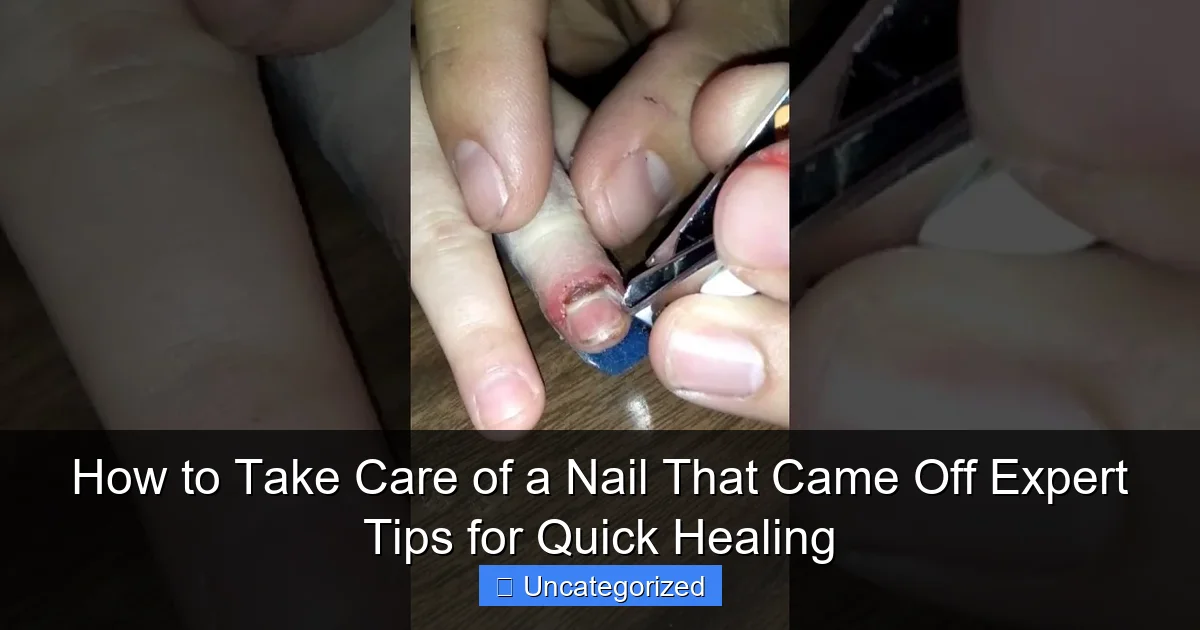
Featured image for how to take care of a nail that came off
Image source: i.ytimg.com
Keep the area clean and protected to prevent infection and support fast healing after a nail comes off. Apply an antiseptic, use a sterile bandage, and avoid pressure or trauma to the exposed nail bed while it recovers. With proper care, new nail growth typically begins within days.
Key Takeaways
- Keep it clean: Wash gently with mild soap to prevent infection.
- Apply antiseptic: Use ointment to protect exposed nail bed.
- Bandage properly: Cover loosely to shield while allowing airflow.
- Avoid pressure: Wear open-toed shoes to reduce trauma.
- Stay hydrated: Support regrowth with proper nutrition and water.
- Seek help: See a doctor if signs of infection appear.
📑 Table of Contents
- Understanding What Happens When a Nail Comes Off
- Immediate Steps to Take When Your Nail Comes Off
- Preventing Infection and Promoting Healing
- Protecting the Nail Bed During Regrowth
- When the Nail Doesn’t Grow Back: Causes and Solutions
- Timeline and Expectations for Nail Regrowth
- Conclusion: Healing Is Possible with the Right Care
Understanding What Happens When a Nail Comes Off
Few things are as alarming as noticing your fingernail or toenail has started to lift, crack, or even come off entirely. Whether it’s due to trauma, infection, or an underlying health condition, a detached nail can be painful, unsightly, and concerning. While it might seem like a minor injury, losing a nail is more than just a cosmetic issue—it exposes the sensitive nail bed underneath, making it vulnerable to infection, further injury, and prolonged discomfort. The good news is that with proper care, most detached nails heal over time, and the nail will eventually grow back—often stronger and healthier than before.
This comprehensive guide will walk you through how to take care of a nail that came off, offering expert-backed strategies to promote healing, prevent complications, and ensure your nail regrows properly. From immediate first aid to long-term aftercare, we’ll cover everything you need to know. Whether your nail came off from stubbing your toe, a fungal infection, or a medical condition like psoriasis, the principles of care remain consistent. By following these steps, you can minimize pain, reduce the risk of infection, and support faster, healthier nail regrowth.
Immediate Steps to Take When Your Nail Comes Off
Assess the Severity of the Injury
The first step when a nail detaches is to determine how much of the nail is missing and whether the nail bed is exposed. If the entire nail has come off, the nail bed will be visible and sensitive. This area is rich in blood vessels and nerves, so it can be extremely painful. Look for signs of bleeding, swelling, or pus, which may indicate infection or trauma. If the nail is partially detached but still attached at one end, it may need to be carefully removed to prevent further tearing.
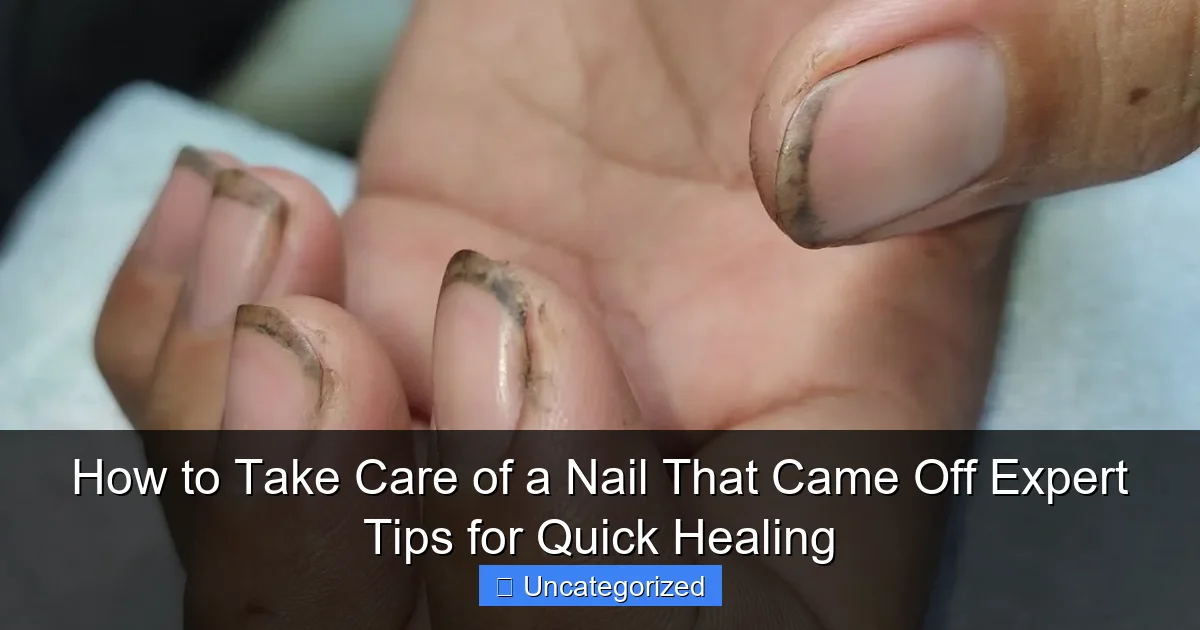
Visual guide about how to take care of a nail that came off
Image source: i.ytimg.com
For example, imagine you were working with tools and accidentally slammed your thumb in a drawer. The nail is half-lifted, dangling by a corner, and there’s a small amount of bleeding. In this case, you should avoid pulling it off completely unless it’s already loose and at risk of catching on something. Instead, gently clean the area and cover it to protect it from dirt and bacteria.
Clean the Area Thoroughly
Once you’ve assessed the injury, the next step is to clean the exposed nail bed and surrounding skin. Use mild soap and lukewarm water to gently wash the area. Avoid harsh soaps or alcohol-based cleaners, as these can irritate the sensitive tissue. Use a soft cloth or cotton pad to dab the area clean—do not scrub, as this can cause further damage.
After washing, pat the area dry with a clean towel. Then, apply an antiseptic solution such as hydrogen peroxide (diluted) or povidone-iodine (Betadine). This helps kill bacteria and reduces the risk of infection. A practical tip: keep a small first-aid kit in your bathroom or workshop that includes antiseptic wipes, sterile gauze, and non-stick pads—this makes immediate care easier and faster.
Control Bleeding and Protect the Nail Bed
If there’s bleeding, apply gentle pressure with a clean gauze pad or cotton ball for 5–10 minutes. Most minor nail injuries stop bleeding within this time. Once the bleeding stops, cover the area with a non-stick sterile dressing. Avoid using regular bandages that may stick to the wound and cause pain when removed. Instead, opt for a non-adherent pad like Telfa or a hydrocolloid dressing, which creates a moist healing environment.
For toenails, consider wearing open-toed shoes or sandals to reduce pressure and friction. If you must wear closed shoes, cut a hole in the top of the shoe near the injured toe to allow air circulation and prevent further trauma. This small adjustment can make a big difference in comfort and healing speed.
When to Seek Medical Help
While many nail detachments can be managed at home, some situations require professional medical attention. Seek immediate care if:
- There’s heavy or persistent bleeding that doesn’t stop after 15 minutes of pressure
- The nail bed is severely damaged or crushed
- You notice redness, swelling, warmth, or pus—signs of infection
- You have diabetes, poor circulation, or a weakened immune system
- The nail came off due to a deep cut or animal/human bite
For instance, if you’re diabetic and lose a toenail, even a small injury can lead to serious complications like ulcers or gangrene. In such cases, seeing a podiatrist or wound care specialist is essential. Early intervention can prevent long-term damage.
Preventing Infection and Promoting Healing
Keep the Area Clean and Dry
Infection is one of the biggest risks when a nail comes off. The exposed nail bed is a prime entry point for bacteria and fungi. To minimize this risk, clean the area twice daily—once in the morning and once at night. Use mild soap and water, then apply an antiseptic and re-dress with a clean, non-stick bandage.
Avoid soaking the nail in water for prolonged periods, such as during long baths or swimming. While brief exposure is okay, prolonged moisture can soften the skin and increase the risk of fungal growth. If you must bathe, use a waterproof bandage or cover the area with a plastic wrap (secured with tape) to keep it dry.
Use Antibiotic Ointments and Moisturizers
Applying a thin layer of over-the-counter antibiotic ointment (like Neosporin or Polysporin) can help prevent bacterial infection. However, use sparingly—too much ointment can create a moist environment that encourages bacterial growth. After applying the ointment, cover the area with a sterile dressing.
Once the initial healing phase is complete (usually after a few days), you can switch to a moisturizing balm or vitamin E oil to keep the skin soft and promote healthy tissue regeneration. Dry, cracked skin around the nail bed can delay healing and cause discomfort. A practical example: use a fragrance-free hand cream at night, then wear a cotton glove to lock in moisture while you sleep.
Monitor for Signs of Infection
Even with proper care, infections can still occur. Watch for the following warning signs:
- Increasing redness or red streaks spreading from the nail bed
- Swelling, warmth, or throbbing pain
- Pus or foul-smelling discharge
- Fever or chills
- Worsening pain after 3–4 days
If any of these symptoms appear, contact a healthcare provider immediately. They may prescribe oral antibiotics or topical antifungal medications, depending on the cause. For example, a fungal infection (onychomycosis) can mimic trauma and delay healing if not properly diagnosed.
Support Healing with Nutrition
Your body needs the right nutrients to repair damaged tissue and grow new nails. Focus on a diet rich in:
- Protein (eggs, lean meats, legumes) – essential for keratin, the building block of nails
- Biotin (vitamin B7) – found in nuts, eggs, and leafy greens; supports nail strength
- Iron – prevents brittle nails; found in spinach, red meat, and lentils
- Zinc – promotes tissue repair; found in oysters, pumpkin seeds, and chickpeas
- Vitamin C – boosts collagen production; found in citrus fruits, bell peppers, and broccoli
Consider taking a daily multivitamin or biotin supplement if your diet is lacking. However, always consult your doctor before starting any new supplement, especially if you have underlying health conditions.
Protecting the Nail Bed During Regrowth
Minimize Trauma and Pressure
During the healing process, the nail bed must be protected from further injury. Avoid activities that put pressure on the area, such as running, hiking, or using hand tools. If your toenail came off, wear soft, well-cushioned shoes with plenty of room in the toe box. For fingernails, wear gloves when doing household chores or working with your hands.
For example, if you’re a gardener, invest in a pair of thick, padded gardening gloves to protect your fingers. If you’re a runner, consider switching to low-impact exercises like swimming or cycling until the nail bed has healed. Even small impacts can delay healing or cause the new nail to grow abnormally.
Trim and Shape the Remaining Nail Carefully
If part of the nail is still attached, avoid trimming it too close. Use clean, sterilized nail clippers and cut straight across—never at an angle, as this can encourage ingrown nails. Leave a small margin of nail to protect the nail bed underneath.
Once the nail starts growing back (usually within 1–2 weeks), you can gently file the edges to prevent snagging. Use a soft emery board and avoid metal files, which can be too harsh. A tip: apply a clear, breathable nail hardener to the new nail as it emerges to provide extra protection.
Use Protective Coverings and Bandages
Change your bandage daily or whenever it becomes wet or dirty. Use breathable, non-adherent dressings to keep the area clean and dry. For toenails, consider using toe caps or silicone toe protectors, which are available online or at pharmacies. These provide a cushioning layer and reduce friction from shoes.
For fingernails, you can use a small adhesive bandage or a finger cot (a small rubber or silicone sleeve). These are especially helpful during activities like typing, cooking, or cleaning, where the nail bed might be exposed to water or chemicals.
Watch for Abnormal Nail Growth
As the new nail grows in, monitor its appearance. Healthy regrowth is usually smooth, pink, and gradually covers the nail bed. However, if the new nail is:
- Thickened or discolored (yellow, brown, or white)
- Ridged, pitted, or split
- Growing in a curved or uneven pattern
It may indicate an underlying issue such as fungal infection, psoriasis, or a nail matrix injury. In such cases, consult a dermatologist or podiatrist for evaluation and treatment.
When the Nail Doesn’t Grow Back: Causes and Solutions
Common Reasons for Poor or No Regrowth
While most nails regrow after detachment, some cases result in slow or incomplete regrowth. This can be due to:
- Damage to the nail matrix – the tissue under the cuticle that produces the nail. If crushed or burned, it may not function properly.
- Chronic infections – fungal or bacterial infections that persist and interfere with nail growth.
- Medical conditions – such as thyroid disorders, anemia, diabetes, or autoimmune diseases.
- Poor circulation – especially in the toes, which receive less blood flow.
- Repeated trauma – such as from tight shoes or frequent impacts.
For example, a construction worker who repeatedly drops heavy tools on their feet may develop chronic nail bed injuries, leading to permanent nail deformities. In such cases, preventive measures like steel-toed boots are crucial.
Medical Treatments and Interventions
If your nail isn’t growing back after 6–8 weeks, it’s time to see a specialist. A dermatologist or podiatrist can:
- Perform a nail biopsy to check for infection or disease
- Prescribe antifungal or antibiotic medications
- Recommend laser therapy for fungal infections
- Suggest topical treatments like tazarotene or calcipotriol for psoriasis-related nail issues
- Evaluate circulation and blood flow with Doppler ultrasound
In rare cases, surgical intervention may be needed to repair the nail matrix or remove scar tissue. For instance, a procedure called matrixectomy can be used if the nail grows in a painful, ingrown pattern.
Lifestyle Adjustments for Long-Term Nail Health
To prevent future nail loss, make these long-term changes:
- Wear properly fitted shoes with adequate toe space
- Use gloves during manual labor or household cleaning
- Keep nails trimmed and clean
- Stay hydrated and eat a balanced diet
- Manage chronic conditions like diabetes or thyroid disorders
Regular foot and hand care, including moisturizing and gentle exfoliation, can also improve circulation and nail strength.
Timeline and Expectations for Nail Regrowth
How Long Does It Take for a Nail to Grow Back?
Regrowth time varies depending on the nail and the individual. On average:
- Fingernails: 4–6 months to fully regrow
- Toenails: 12–18 months due to slower growth
The growth rate is about 3 mm per month for fingernails and 1 mm per month for toenails. Factors like age, health, and nutrition can speed up or slow down this process. For example, younger people tend to grow nails faster than older adults.
Stages of Nail Regrowth
As the new nail emerges, you’ll notice several stages:
- Week 1–2: A pink, soft ridge appears at the base of the nail bed. This is the new nail starting to grow.
- Week 3–6: The nail becomes firmer and gradually moves forward. It may appear white or opaque at first.
- Month 2–4: The nail covers more of the nail bed and gains thickness. Ridges or discoloration may still be present.
- Month 6+: The nail is fully formed, though it may take up to a year to return to its original appearance.
During this time, avoid using nail polish or artificial nails, as they can trap moisture and bacteria. Let the nail breathe and grow naturally.
Tracking Progress and Staying Patient
Healing takes time. Use a photo diary to track your nail’s progress every 2–4 weeks. This helps you notice improvements and detect any issues early. Remember, even if the nail grows back with slight ridges or a different shape, it’s still a sign of healing. With patience and consistent care, most nails return to normal.
| Nail Type | Average Growth Rate | Time to Full Regrowth | Key Care Tips |
|---|---|---|---|
| Fingernails | 3 mm/month | 4–6 months | Wear gloves, keep moisturized, avoid trauma |
| Toenails | 1 mm/month | 12–18 months | Wear roomy shoes, use toe protectors, monitor circulation |
| Infected Nails | Slowed (0.5–1 mm/month) | 18–24 months (with treatment) | Antifungal meds, regular cleaning, medical follow-up |
| Traumatized Nails (matrix damage) | Variable or none | May not regrow | See specialist, consider surgical options |
Conclusion: Healing Is Possible with the Right Care
Taking care of a nail that came off may seem overwhelming at first, but with the right approach, healing is not only possible—it’s highly likely. From the moment the injury occurs, your actions make a significant difference. Prompt cleaning, infection prevention, and protective measures lay the foundation for successful recovery. By following the expert tips outlined in this guide, you can minimize pain, avoid complications, and support healthy nail regrowth.
Remember, the key principles are cleanliness, protection, and patience. Keep the area clean and dry, protect it from further trauma, and give your body the time and nutrients it needs to heal. If you notice signs of infection or if the nail doesn’t start growing back within a few weeks, don’t hesitate to seek medical advice. Early intervention can prevent long-term issues.
Whether your nail came off from an accident, a medical condition, or an infection, you’re not alone. Millions of people experience nail loss each year, and most go on to recover fully. With consistent care and a proactive mindset, you can too. Your nails are resilient—and with the right support, they’ll grow back stronger than ever.
Frequently Asked Questions
What should I do immediately after a nail comes off?
If your nail has come off, clean the area gently with mild soap and water to prevent infection. Apply an antiseptic and cover it with a sterile bandage to protect the exposed nail bed while it heals. Avoid picking at the area to support proper recovery.
How can I take care of a nail that came off to prevent infection?
To take care of a nail that came off, keep the area dry and clean, and apply an over-the-counter antibiotic ointment. Change the bandage daily and watch for signs of infection like redness, swelling, or pus.
Is it normal for the nail bed to hurt after a nail falls off?
Yes, mild pain or sensitivity is normal as the exposed nail bed is delicate and healing. Use over-the-counter pain relievers like ibuprofen if needed, and avoid pressure or trauma to the area.
How long does it take for a new nail to grow after one comes off?
Fingernails typically take 4–6 months to fully regrow, while toenails may take up to a year. The speed depends on factors like age, health, and whether the nail bed was damaged when the nail came off.
Can I speed up healing when learning how to take care of a nail that came off?
Yes, promote healing by eating a nutrient-rich diet (especially biotin and protein) and keeping the area moisturized with vitamin E oil. Avoid harsh chemicals or tight shoes to reduce irritation.
When should I see a doctor for a nail that came off?
Consult a doctor if you notice severe pain, signs of infection (e.g., pus, fever), or if the nail doesn’t start regrowing after a few weeks. Diabetics or those with circulation issues should seek medical advice promptly.