
Featured image for how to take care of a nail that fell off
Image source: i.ytimg.com
Act quickly to clean and protect the exposed nail bed with gentle soap, water, and an antiseptic to prevent infection. Keep the area dry and covered with a sterile bandage, avoiding pressure or trauma while it heals—patience and proper care are key to healthy regrowth.
Key Takeaways
- Keep the area clean: Wash gently with soap and water to prevent infection.
- Apply antibiotic ointment: Protect the exposed nail bed from bacteria and irritation.
- Cover with a bandage: Shield the area from dirt and trauma during healing.
- Avoid tight shoes: Reduce pressure on the nail bed for faster recovery.
- Monitor for infection: Watch for redness, swelling, or pus and seek medical help.
- Let it heal naturally: Do not force regrowth; new nails take time.
📑 Table of Contents
How to Take Care of a Nail That Fell Off: Expert Tips
There’s a moment of shock and discomfort when you realize one of your nails has fallen off. Whether it’s a fingernail or toenail, the exposed nail bed can feel sensitive, painful, and even a little alarming. You might wonder: Is this normal? What should I do next? Will my nail grow back? These are all valid concerns. Losing a nail can result from trauma, fungal infections, underlying health conditions, or even improper nail care. While it’s not always preventable, knowing how to take care of a nail that fell off can significantly reduce the risk of infection, minimize pain, and promote faster, healthier regrowth.
The good news is that in most cases, a lost nail is a temporary setback. With proper hygiene, wound care, and attention to your body’s healing signals, you can support your body’s natural recovery process. This guide will walk you through expert-backed steps to manage the situation effectively—from immediate first aid to long-term nail regrowth. Whether you’ve lost a nail due to an injury, a sports accident, or a medical condition, the following sections provide practical, science-based advice to help you heal safely and confidently.
Understanding Why Nails Fall Off
Before diving into care techniques, it’s essential to understand why a nail might fall off. Nails are made of keratin, a tough protein, but they’re not indestructible. Several factors can compromise their attachment to the nail bed, leading to detachment or shedding.
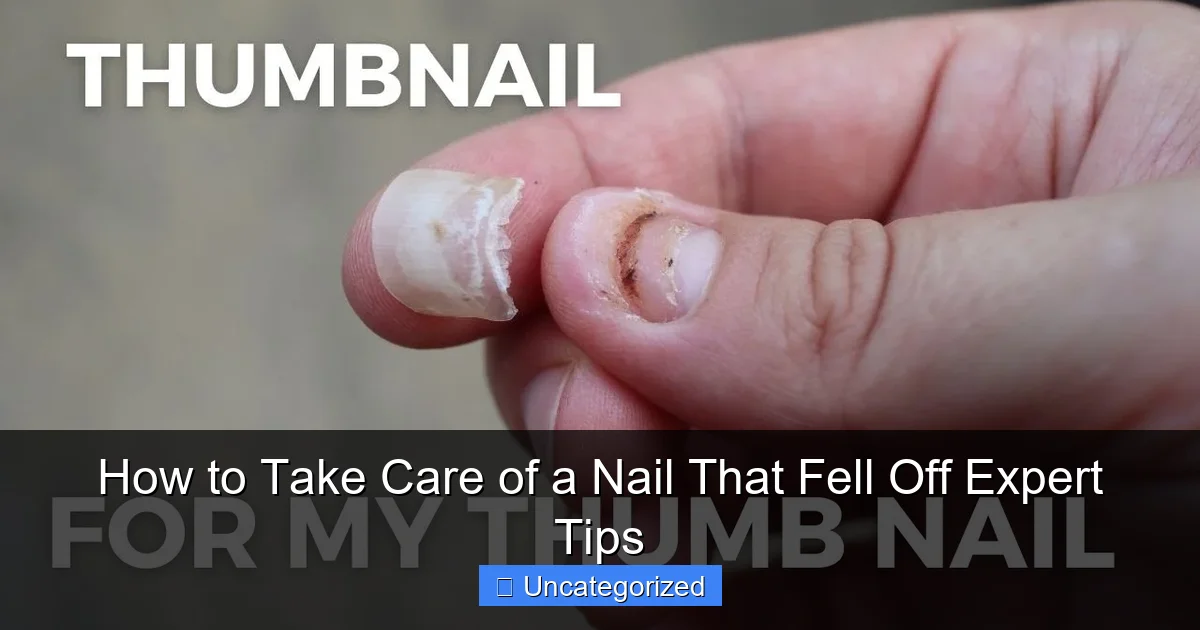
Visual guide about how to take care of a nail that fell off
Image source: i.ytimg.com
Trauma and Physical Injury
The most common cause of a fallen nail is trauma. This could be from stubbing your toe, dropping something heavy on your finger, or even repetitive stress—like typing or playing guitar without proper finger protection. A direct blow can cause a subungual hematoma, where blood pools under the nail. Over time, the pressure can lift the nail from the bed, leading to eventual detachment. For example, runners often lose toenails from shoes that don’t fit properly, causing constant rubbing against the toe box.
Even minor trauma, like slamming a finger in a car door or catching a toenail on a carpet edge, can disrupt the delicate attachment between the nail and the underlying tissue. In such cases, the nail may appear bruised, lift gradually, or fall off entirely within days to weeks.
Fungal Infections (Onychomycosis)
Fungal infections are a leading cause of nail loss, especially in toenails. These infections thrive in warm, moist environments—like sweaty shoes or shared showers. As the fungus invades the nail bed and plate, it weakens the structure, causing the nail to thicken, discolor, and eventually separate from the bed. According to the American Academy of Dermatology, up to 10% of the population suffers from onychomycosis, with higher rates among older adults and people with diabetes.
Unlike trauma, fungal nail loss is usually gradual. The nail may start crumbling at the edges or lift from the sides before detaching completely. If you notice yellow, white, or brown discoloration, brittleness, or a foul odor, a fungal infection is likely the culprit.
Underlying Health Conditions
Sometimes, a fallen nail is a symptom of a broader health issue. Conditions like psoriasis, lichen planus, thyroid disorders, and nutritional deficiencies (especially iron, zinc, or biotin) can affect nail health. Psoriasis, for instance, causes pitting, crumbling, and lifting of the nail, which can lead to detachment. Similarly, iron deficiency anemia can result in brittle, spoon-shaped nails (koilonychia) that are prone to breaking or falling off.
If you’ve lost a nail without clear trauma or infection, consider consulting a healthcare provider. Blood tests can identify deficiencies or autoimmune conditions that may be contributing to your nail health.
Other Causes
Less common causes include:
- Chemotherapy: Certain cancer treatments can disrupt nail growth, leading to shedding.
- Allergic reactions: To nail polish, acrylics, or adhesives.
- Paronychia: A bacterial or fungal infection around the nail fold that spreads under the nail.
- Raynaud’s disease: Poor circulation can impair nail growth and integrity.
Understanding the root cause helps tailor your care approach and prevents future incidents.
Immediate First Aid: What to Do When a Nail Falls Off
The moment a nail detaches, your priority should be protecting the exposed nail bed and preventing infection. The nail bed is rich in blood vessels and nerve endings—making it highly sensitive and vulnerable. Here’s what to do right away:
Clean the Area Thoroughly
Begin by gently washing the affected finger or toe with mild soap and warm water. Use your hands or a soft washcloth—avoid scrubbing. This removes dirt, bacteria, and debris that could lead to infection. If the nail fell off due to trauma, you might see blood or a dark spot (hematoma). Clean around the area, but don’t force out clotted blood unless it’s actively oozing.
Pro Tip: Use antibacterial soap (like chlorhexidine or benzalkonium chloride) if available. Avoid harsh soaps or alcohol-based cleaners, which can dry out and irritate the skin.
Apply an Antiseptic
After cleaning, apply an antiseptic solution to kill any lingering bacteria. Options include:
- Hydrogen peroxide (3%) – use sparingly, as it can delay healing.
- Povidone-iodine (Betadine) – effective and gentle.
- Isopropyl alcohol (70%) – quick-drying but may sting.
Dab the antiseptic with a clean cotton ball or swab. Let it air-dry for 1–2 minutes before covering.
Cover with a Sterile Bandage
The exposed nail bed must be protected from dirt, friction, and further injury. Use a non-stick sterile dressing (like a Telfa pad) to avoid sticking to the wound. Secure it with medical tape or a small bandage. For fingers, a finger cot or fingertip bandage works well. For toes, consider a toe protector or wear open-toed shoes to reduce pressure.
Example: If you’re a musician who lost a fingertip nail, a silicone finger cap can provide cushioning while allowing dexterity.
Manage Pain and Swelling
Use over-the-counter pain relievers like ibuprofen (Advil) or acetaminophen (Tylenol) as needed. Ibuprofen also reduces inflammation. Apply a cold compress (wrapped in a cloth) for 10–15 minutes at a time to ease swelling and numb pain.
Elevate the affected hand or foot above heart level if swelling persists—this helps drain excess fluid.
When to Seek Medical Help
While most cases can be managed at home, seek medical attention if:
- The pain is severe or worsening after 24 hours.
- There’s pus, foul odor, or red streaks spreading from the site (signs of infection).
- The nail bed appears black, blue, or necrotic (tissue death).
- You have diabetes, poor circulation, or a weakened immune system.
- The nail was forcibly removed (e.g., in an accident) and the bed is deeply cut.
A doctor may prescribe antibiotics, drain a hematoma, or perform a minor procedure to clean the area.
Daily Care and Hygiene for the Exposed Nail Bed
Once the initial first aid is complete, consistent daily care is crucial for healing. The nail bed takes time to regenerate—typically 6–12 months for fingernails and up to 18 months for toenails. During this period, protect the area and support tissue recovery.
Keep It Clean and Dry
Wash the area daily with mild soap and water. Pat it dry with a clean towel—don’t rub. Moisture is a breeding ground for bacteria and fungi, so ensure the site is completely dry before rebandaging. If you sweat heavily (e.g., during workouts), change the dressing afterward.
Tip: Use a hair dryer on a cool setting to dry the nail bed thoroughly, especially between toes.
Change the Dressing Regularly
Replace the bandage at least once a day, or more often if it gets wet or dirty. Use fresh, sterile materials each time. If the dressing sticks, soak it in warm water for a few minutes before removing to avoid reopening the wound.
For added protection, consider using a hydrocolloid dressing—a moisture-retentive bandage that promotes faster healing by creating a protective barrier and absorbing exudate.
Apply Healing Ointments
After cleaning, apply a thin layer of:
- Antibiotic ointment (e.g., Neosporin) – prevents infection.
- Petroleum jelly (Vaseline) – keeps the area moist and reduces scabbing.
- Honey-based ointments (e.g., Medihoney) – natural antimicrobial and healing properties.
Avoid using multiple ointments at once. Choose one based on your needs (e.g., antibiotic for high-risk individuals, honey for natural healing).
Protect from Trauma
Wear gloves during household chores, gardening, or manual labor. For toenails, choose wide-toe, cushioned shoes and avoid high heels or tight footwear. Trim adjacent nails straight across to prevent pressure on the healing site.
Example: A construction worker who lost a toenail should wear steel-toe boots with moisture-wicking socks to reduce friction and impact.
Monitor for Signs of Infection
Check the area daily for:
- Increased redness, swelling, or warmth.
- Pain that doesn’t improve.
- Pus or yellow/green discharge.
- Fever or chills (systemic infection).
If any of these occur, contact a healthcare provider immediately.
Promoting Healthy Nail Regrowth
While the body naturally regrows nails, you can speed up the process and improve the quality of the new nail. Nail growth depends on the health of the nail matrix—the tissue under the cuticle where new nail cells are produced.
Support Nutrition for Nail Health
Nails are made of keratin, which requires specific nutrients to grow strong. Focus on a diet rich in:
- Protein: Eggs, chicken, fish, beans, and lentils.
- Biotin (B7): Found in nuts, seeds, sweet potatoes, and eggs. Consider a supplement (2.5–5 mg daily) if deficient.
- Iron: Red meat, spinach, lentils, and fortified cereals.
- Zinc: Oysters, pumpkin seeds, and beef.
- Omega-3 fatty acids: Salmon, flaxseeds, and walnuts.
- Vitamin C: Citrus fruits, bell peppers, and broccoli (supports collagen production).
A multivitamin can help fill nutritional gaps, especially if you have a restricted diet.
Hydrate the Nail Bed and Surrounding Skin
Use a nail and cuticle oil (e.g., jojoba, almond, or vitamin E oil) 2–3 times daily. Massage it into the nail bed and cuticle to improve circulation and moisture. This prevents the skin from cracking, which can delay regrowth.
DIY Tip: Mix 1 tbsp olive oil with 1 tsp lemon juice and a drop of tea tree oil for a natural, antimicrobial moisturizer.
Avoid Harsh Chemicals and Nail Products
Until the new nail is fully grown, avoid:
- Acetone-based nail polish removers.
- Artificial nails or acrylics.
- Excessive hand sanitizer (dries out skin).
- Household cleaners without gloves.
These can irritate the sensitive nail bed and slow healing.
Gentle Massage to Boost Circulation
Massage the base of the affected finger or toe for 2–3 minutes daily. Use light pressure in circular motions. This increases blood flow to the nail matrix, delivering oxygen and nutrients essential for growth.
Example: A pianist recovering from a lost fingernail can incorporate this into their daily hand exercises.
Be Patient and Track Progress
Fingernails grow about 3 mm per month; toenails grow 1 mm per month. Mark the base of the new nail with a pen every week to track progress. If regrowth is slow or irregular, consult a dermatologist to rule out underlying issues.
Preventing Future Nail Loss
Once your nail has healed, take steps to prevent recurrence. Prevention is especially important if you’ve experienced repeated nail loss or have risk factors like diabetes or fungal infections.
Practice Proper Nail Hygiene
- Trim nails straight across and file sharp edges.
- Keep nails short to reduce snagging.
- Wash and dry hands and feet daily.
- Disinfect nail tools regularly (e.g., with rubbing alcohol).
Wear Appropriate Footwear
For toenails:
- Choose shoes with a wide toe box.
- Use moisture-wicking socks (e.g., wool or synthetic blends).
- Replace worn-out shoes that cause pressure.
Athletes should wear sport-specific footwear and replace them every 300–500 miles.
Manage Underlying Conditions
If you have:
- Diabetes: Monitor blood sugar and inspect feet daily.
- Fungal infections: Use antifungal sprays or powders in shoes.
- Psoriasis: Follow your dermatologist’s treatment plan.
Regular check-ups with a podiatrist or dermatologist can catch issues early.
Avoid Trauma and Repetitive Stress
Wear gloves during manual labor. Use protective gear in sports. Avoid habits like nail-biting or picking at cuticles, which can damage the nail matrix.
Use Protective Nail Coatings (When Appropriate)
Once the new nail is partially grown, apply a hardener or strengthener (e.g., OPI Nail Envy) to reinforce the plate. Avoid formaldehyde-based products, which can cause brittleness.
When to See a Doctor: Red Flags and Specialist Care
While most cases of nail loss are manageable at home, certain signs warrant professional evaluation. Early intervention can prevent complications and ensure proper healing.
Persistent or Recurrent Nail Loss
If you’ve lost multiple nails without clear trauma, or if nails keep falling off, see a dermatologist. This could indicate a systemic condition like alopecia areata, lichen planus, or a nutritional deficiency.
Signs of Infection
As mentioned earlier, redness, pus, fever, or spreading red lines require immediate medical attention. A doctor may prescribe oral antibiotics or antifungals.
Abnormal Regrowth
If the new nail grows with:
- Pits, ridges, or splits.
- Discoloration (yellow, black, or green).
- Curving into the skin (ingrown).
A podiatrist or dermatologist can assess the nail matrix and recommend treatments like topical steroids, laser therapy, or minor surgery.
Chronic Pain or Swelling
Persistent pain after several weeks may indicate nerve damage, scar tissue, or an unresolved hematoma. Imaging (e.g., X-ray or ultrasound) can rule out fractures or soft tissue injury.
Specialist Treatments
Depending on the cause, a specialist may offer:
- Topical antifungals (e.g., ciclopirox).
- Oral medications (e.g., terbinafine for fungal infections).
- Nail avulsion: Surgical removal of the nail to treat severe infections.
- Biopsy: To diagnose rare nail disorders.
| Cause of Nail Loss | Key Symptoms | Recommended First Aid | When to See a Doctor |
|---|---|---|---|
| Trauma (e.g., stubbed toe) | Bruising, pain, sudden detachment | Clean, apply antiseptic, bandage | Severe pain, pus, or no regrowth after 6 months |
| Fungal Infection | Yellowing, thickening, crumbling | Keep dry, use antifungal powder | No improvement after 2 weeks of home care |
| Psoriasis/Lichen Planus | Pitting, ridges, slow growth | Moisturize, protect from trauma | Multiple nails affected, skin lesions present |
| Nutritional Deficiency | Brittle, spoon-shaped, slow growth | Improve diet, take supplements | Other deficiency symptoms (fatigue, hair loss) |
| Infection (Paronychia) | Swelling, redness, pus around nail | Soak in warm water, apply antibiotic ointment | Red streaks, fever, or worsening pain |
Taking care of a nail that fell off requires a blend of immediate action, consistent hygiene, and long-term prevention. While the experience can be unsettling, most people recover fully with proper care. By understanding the causes, applying expert first aid, and supporting regrowth through nutrition and protection, you can heal safely and effectively. Remember, your nails are a window into your overall health—so treat them with the care they deserve. With patience and attention, your new nail will grow back stronger and healthier than before.
Frequently Asked Questions
What should I do immediately after a nail falls off?
If your nail falls off, clean the area gently with mild soap and water to prevent infection. Apply an antiseptic and cover it with a sterile bandage to protect the exposed nail bed while it heals.
How to take care of a nail that fell off to avoid infection?
To avoid infection, keep the area clean and dry, and apply an over-the-counter antibiotic ointment. Change the bandage daily and watch for signs of redness, swelling, or pus, which require medical attention.
Can a nail grow back after it falls off completely?
Yes, a new nail will typically grow back within 6–9 months for fingernails and up to 18 months for toenails. Proper care, like moisturizing and avoiding trauma, can support healthy regrowth.
Is it normal for the skin under a fallen-off nail to be sensitive?
Yes, the exposed nail bed is often tender or sensitive because it lacks the protection of the nail. Minimize pressure and wear gloves during activities to reduce discomfort while healing.
Should I bandage a nail that fell off, or let it air out?
Bandaging is best to shield the vulnerable nail bed from dirt and bacteria. Use a non-stick pad and breathable bandage, changing it daily to balance protection and airflow.
When should I see a doctor for a nail that fell off?
See a doctor if you notice severe pain, excessive swelling, pus, or signs of infection like fever. Also, seek help if the nail doesn’t regrow after several months or if the injury was caused by trauma.