
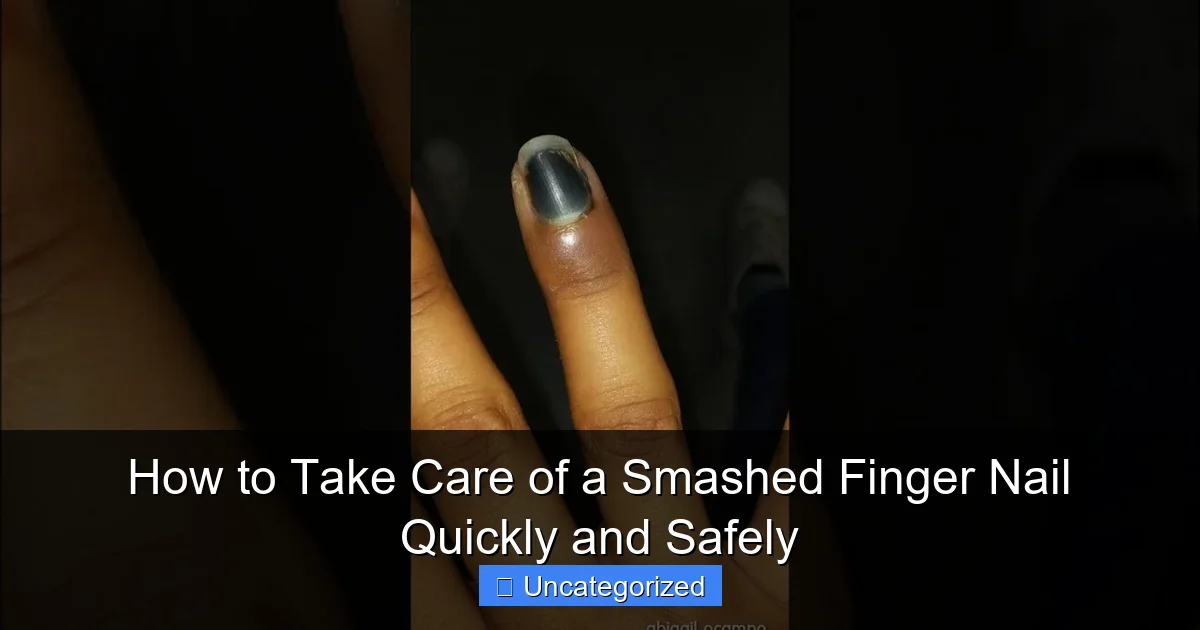
Featured image for how to take care of a smashed finger nail
Image source: i.ytimg.com
Act quickly to reduce pain and prevent further damage by immediately cleaning the injured nail with soap and water, then applying a cold compress to minimize swelling and bruising. Elevate the hand and avoid pressure on the nail to promote healing and reduce the risk of infection—seek medical help if severe pain, heavy bleeding, or nail detachment occurs.
Key Takeaways
- Act fast: Clean the area immediately to prevent infection.
- Reduce swelling: Apply ice wrapped in cloth for 15-minute intervals.
- Relieve pain: Use OTC painkillers like ibuprofen or acetaminophen.
- Protect the nail: Cover with a sterile bandage or gauze.
- Monitor for signs: Seek medical help if severe pain, pus, or discoloration occurs.
- Avoid pressure: Wear loose gloves to shield the injured finger.
📑 Table of Contents
- Understanding the Injury: What Happens When You Smash a Fingernail?
- Immediate First Aid: What to Do in the First 24 Hours
- Managing Pain and Preventing Infection
- Long-Term Care and Recovery: Healing the Nail and Nail Bed
- When to See a Doctor: Red Flags and Complications
- Preventing Future Injuries: Safety Tips and Best Practices
- Data Table: Recovery Timeline for a Smashed Fingernail
- Conclusion: Prioritize Safety and Patience for a Full Recovery
Understanding the Injury: What Happens When You Smash a Fingernail?
A smashed fingernail is one of those sudden, painful injuries that can happen to anyone—whether you’re hammering a nail, closing a car door, or accidentally dropping a heavy object on your hand. The trauma causes immediate pain, swelling, and often visible damage to the nail and surrounding tissue. But beyond the initial shock, a smashed fingernail can lead to complications if not treated properly, including infections, prolonged pain, and even permanent nail deformities. Understanding the anatomy of the injury is the first step toward effective care.
When a fingernail is smashed, the impact compresses the delicate structures beneath the nail plate, including the nail bed (the soft tissue under the nail), blood vessels, and nerve endings. This compression can cause subungual hematoma, a collection of blood under the nail, which is not only painful but also increases pressure on the sensitive nail bed. In severe cases, the nail may lift off the nail bed (onycholysis), crack, or even detach completely. The risk of infection rises if the skin around the nail (the cuticle and nail folds) is broken, allowing bacteria to enter. Knowing how to respond quickly and safely can minimize pain, speed up healing, and prevent long-term damage.
Common Causes of a Smashed Fingernail
- Accidental trauma: Dropping a heavy object on your finger, getting a finger caught in a door, or mishandling tools like hammers or wrenches.
- Sports injuries: Activities like baseball, basketball, or volleyball can result in finger impacts during play.
- Workplace accidents: Construction workers, mechanics, and warehouse employees are at higher risk due to manual labor.
- Household mishaps: Slamming fingers in drawers, car doors, or kitchen cabinets.
For example, a construction worker might accidentally strike their thumb with a hammer, while a parent could get a finger pinched while loading groceries into the car. The key is to act fast—delayed treatment can worsen swelling and increase the risk of complications. In the following sections, we’ll explore how to assess the injury, relieve pain, and promote safe healing.
Immediate First Aid: What to Do in the First 24 Hours
The first 24 hours after a smashed fingernail are critical. Proper first aid can reduce pain, prevent infection, and improve healing outcomes. The goal is to manage swelling, relieve pressure, and protect the injured area from further damage.
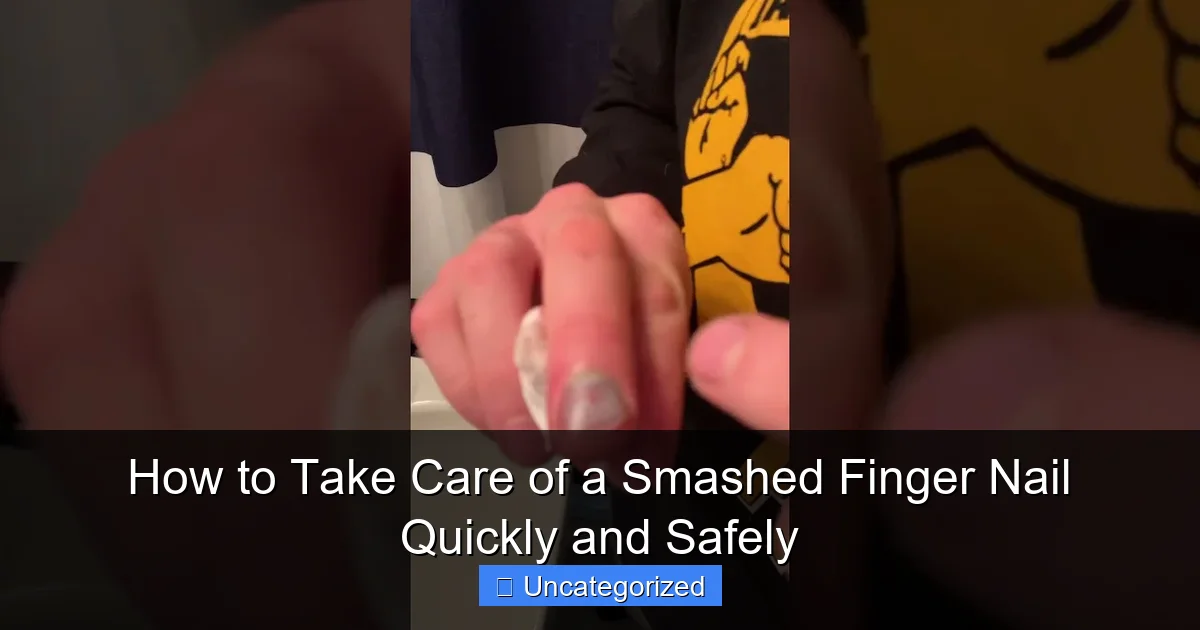
Visual guide about how to take care of a smashed finger nail
Image source: i.ytimg.com
Step 1: Stop the Bleeding and Clean the Area
If the injury caused bleeding around the nail or cuticle, gently apply pressure with a clean cloth or sterile gauze. Avoid rubbing, as this can irritate the damaged tissue. Once the bleeding stops, clean the area with mild soap and lukewarm water. This removes dirt and bacteria, reducing infection risk. Pat the area dry with a soft towel—don’t scrub.
Tip: If the nail is visibly cracked or loose, avoid pulling or trimming it. The nail acts as a natural bandage, protecting the sensitive nail bed beneath.
Step 2: Apply Cold Therapy to Reduce Swelling
Swelling is your body’s natural response to trauma, but excessive swelling increases pressure under the nail, causing more pain. Use ice therapy within the first 20-30 minutes of injury:
- Wrap an ice pack or frozen gel pack in a thin cloth (never apply ice directly to the skin).
- Hold it on the injured finger for 15-20 minutes, then remove for 20 minutes. Repeat for up to 2 hours.
Example: A warehouse employee who drops a box on their hand can immediately apply ice to the finger, reducing swelling by up to 40% compared to no treatment, according to sports medicine guidelines.
Step 3: Relieve Pressure with Nail Drilling (If Needed)
If you notice a dark, throbbing spot under the nail (a sign of subungual hematoma), pressure relief may be necessary. A doctor can safely drill a small hole in the nail to drain the blood. However, if professional help isn’t immediately available, you can do this at home—but only if the hematoma covers more than 25-50% of the nail and is causing severe pain.
- Clean the nail with alcohol.
- Heat the end of a sterilized paperclip or needle over a flame, then cool it.
- Gently press it through the nail at the center of the discolored area.
- Allow the blood to drain (it may take a few seconds). Do not squeeze.
- Cover with an antibiotic ointment and a bandage.
Warning: Never attempt this if the nail is broken or if you have diabetes or poor circulation, as infection risk is higher.
Managing Pain and Preventing Infection
Even after initial first aid, pain and infection remain significant concerns. The nail bed is rich in blood vessels and nerves, making it highly sensitive. Additionally, the warm, moist environment under the nail is ideal for bacterial growth.
Over-the-Counter Pain Relief
For moderate pain, nonsteroidal anti-inflammatory drugs (NSAIDs) like ibuprofen (Advil, Motrin) or naproxen (Aleve) can help reduce both pain and inflammation. Acetaminophen (Tylenol) is a safer option if you can’t take NSAIDs, though it only addresses pain, not swelling.
- Take as directed on the label. For adults, ibuprofen is typically 200-400 mg every 4-6 hours, not exceeding 1,200 mg/day without medical advice.
- Combine with cold therapy for enhanced pain relief.
Tip: Avoid aspirin for children or teens due to the risk of Reye’s syndrome.
Topical Antibiotics and Wound Care
To prevent infection, apply a thin layer of antibiotic ointment (e.g., Neosporin, Polysporin) to the nail folds and any broken skin. Cover the area with a non-stick gauze pad and secure it with medical tape or a small bandage. Change the dressing daily or whenever it gets wet or dirty.
Example: A chef who smashes a fingernail while chopping vegetables should keep the finger covered while working to avoid exposure to foodborne bacteria.
Recognizing Signs of Infection
Monitor the injury for signs of infection over the next few days. Early detection is crucial for preventing serious complications. Watch for:
- Increasing redness, swelling, or warmth around the nail.
- Pus or yellow/green discharge.
- Worsening pain after 2-3 days.
- Fever or chills (a sign of systemic infection).
If you notice any of these symptoms, seek medical attention immediately. A doctor may prescribe oral antibiotics or recommend additional treatments like drainage or debridement.
Long-Term Care and Recovery: Healing the Nail and Nail Bed
Healing a smashed fingernail isn’t just about the first few days—it’s a process that can take weeks to months, depending on the severity. The nail bed heals slowly, and new nail growth can take 6-9 months for fingers (and up to 18 months for toes).
Promoting Nail Bed Healing
The nail bed is the foundation for healthy nail regrowth. To support its recovery:
- Keep the area clean and dry: Wash with mild soap daily, but avoid soaking the finger for long periods (e.g., in dishwater or a bath).
- Moisturize: Use a fragrance-free hand cream or cuticle oil (like jojoba or vitamin E oil) to prevent dry, cracked skin around the nail.
- Avoid trauma: Protect the finger from further injury by wearing gloves during chores or work.
Tip: Elevate the hand above heart level when resting to reduce swelling and improve circulation.
Nutrition for Nail Health
Your diet plays a surprising role in nail recovery. Nutrients like biotin, protein, zinc, and vitamin C support tissue repair and nail growth. Include foods like:
- Eggs, nuts, and salmon (for biotin and protein).
- Leafy greens and citrus fruits (for vitamin C).
- Lean meats, beans, and whole grains (for zinc).
Consider a biotin supplement (2.5-5 mg daily) if your diet is low in these nutrients, but consult a doctor first—excessive biotin can interfere with lab tests.
When to Expect New Nail Growth
New nail growth typically begins within 1-2 weeks after the injury. The new nail will slowly push out the damaged one. During this time:
- Don’t pull off loose nails—let them fall off naturally.
- Trim the loose portion carefully with sterilized clippers if it’s snagging on clothing.
- Expect the new nail to be thicker, discolored, or ridged at first. It may take several months to return to normal appearance.
When to See a Doctor: Red Flags and Complications
While most smashed fingernails heal with home care, some cases require medical intervention. Ignoring serious symptoms can lead to chronic pain, permanent nail deformities, or even bone infections (osteomyelitis).
Signs You Need Professional Care
- Severe trauma: If the finger is deformed, numb, or you suspect a fracture (e.g., inability to bend the finger).
- Large hematoma: Blood under the nail covering more than 50% of the nail plate.
- Signs of infection: As mentioned earlier, increasing redness, pus, or fever.
- Persistent pain: Pain that doesn’t improve after 3-5 days of home treatment.
- Diabetes or poor circulation: Higher risk of complications; always consult a doctor.
Medical Treatments Available
Doctors may use several techniques to treat severe cases:
- Drainage: Using a sterile needle or electrocautery to relieve hematoma pressure.
- Splinting: Stabilizing a fractured fingertip with a splint or aluminum finger brace.
- Antibiotics: Oral or topical, for confirmed infections.
- Surgery: In rare cases, to repair a damaged nail bed or remove a severely infected nail.
Example: A musician who smashes a finger during a performance might see a doctor to ensure proper healing and prevent permanent damage to their playing ability.
Preventing Future Injuries: Safety Tips and Best Practices
Prevention is always better than cure. Whether at home, work, or play, a few simple habits can reduce your risk of another smashed fingernail.
Workplace Safety
- Wear protective gloves: Choose impact-resistant gloves for construction, carpentry, or machinery work.
- Use tools properly: Keep hammers and wrenches in good condition, and never use your hand as a stabilizer.
- Follow safety protocols: Employers should provide training on hand safety, including proper lifting techniques.
Home and Daily Life
- Install soft-close drawers and cabinets: Prevents fingers from getting caught.
- Be mindful of doors: Keep fingers clear when closing car or room doors.
- Use oven mitts or tongs: When handling hot dishes or grilling to avoid burns that can weaken nails.
Sports and Physical Activities
- Wear sport-specific gloves: Baseball catchers, basketball players, and climbers should use finger protection.
- Warm up properly: Cold, stiff fingers are more prone to injury.
- Use proper technique: For example, baseball players should catch the ball with their palms, not fingertips.
Tip: Keep a first aid kit handy at home, in the car, and at work, with essentials like gauze, antiseptic wipes, and antibiotic ointment.
Data Table: Recovery Timeline for a Smashed Fingernail
| Stage | Timeframe | What to Expect | Care Tips |
|---|---|---|---|
| Immediate (0-24 hours) | First day | Pain, swelling, possible bleeding or hematoma | Ice, elevation, pressure relief if needed |
| Early Healing (Days 2-7) | 1 week | Reduced swelling, possible bruising, scabbing | Clean daily, apply antibiotic ointment, monitor for infection |
| Mid-Recovery (Weeks 2-6) | 1-6 weeks | New nail begins to grow, loose nail may detach | Moisturize, avoid trauma, trim loose edges |
| Late Recovery (Months 2-9) | 2-9 months | New nail grows, may have ridges or discoloration | Patience, nutrition, protect from further injury |
Conclusion: Prioritize Safety and Patience for a Full Recovery
Taking care of a smashed fingernail quickly and safely requires a combination of immediate first aid, diligent hygiene, and long-term patience. From applying ice within the first hour to monitoring for infection and supporting nail regrowth with proper nutrition, every step plays a crucial role in minimizing complications. While most cases heal with home care, never hesitate to seek medical help if the injury is severe or shows signs of infection.
Remember, your nails are more than just a cosmetic feature—they’re protective shields for your fingertips. By following these guidelines, you can reduce pain, prevent permanent damage, and return to your daily activities with confidence. Prevention, too, is key: simple habits like wearing gloves and being mindful of your surroundings can spare you from the pain of a smashed fingernail in the first place. Treat your hands with care—they’re your most valuable tools.
Frequently Asked Questions
How do I stop the pain from a smashed fingernail?
Apply ice wrapped in a cloth to the injured nail for 15-20 minutes to reduce swelling and numb the pain. Over-the-counter pain relievers like ibuprofen can also help manage discomfort.
What’s the fastest way to treat a smashed fingernail?
Elevate your hand, apply cold compresses, and keep the area clean to speed up healing. Avoid pressure on the nail and cover it with a sterile bandage to protect it.
How to take care of a smashed fingernail to prevent infection?
Wash the area with mild soap and water, then apply an antibiotic ointment. Keep it covered with a clean bandage and change it daily to avoid bacterial growth.
Can I drain blood from under a smashed fingernail at home?
Only if the blood blister is large and painful—sterilize a needle and gently puncture the edge of the nail to drain fluid. Otherwise, let it heal naturally to avoid infection risks.
How long does it take for a smashed fingernail to heal?
Most minor injuries heal in 1-2 weeks, but severe trauma may take several weeks. Monitor for signs of infection like pus or increasing redness during recovery.
Should I see a doctor for a smashed fingernail?
Seek medical help if there’s severe pain, visible bone damage, or signs of infection. A doctor can safely drain blood under the nail or prescribe antibiotics if needed.